
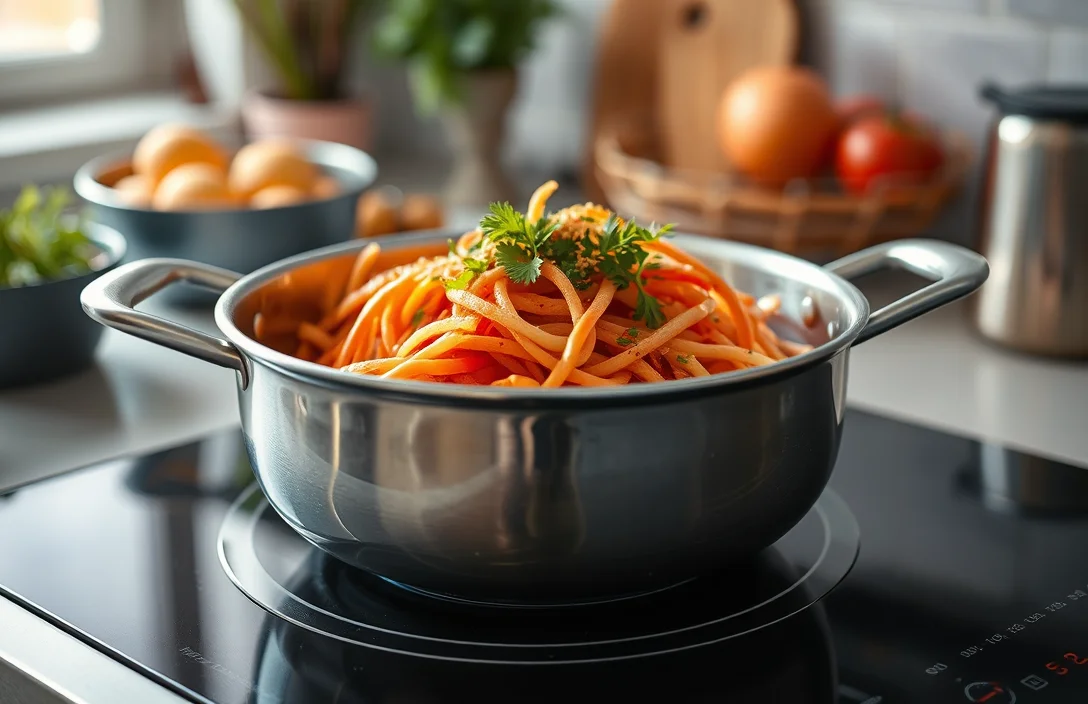
Seventy-five percent of cookware on the market is incompatible with induction cooking. Knowing which pans work with induction can save you time, money, and frustration in the kitchen. Induction cooking is efficient, but it requires specific materials to function properly.
Cast iron, stainless steel, and magnetic cookware are essential for induction stoves. Non-magnetic materials like aluminum and copper won’t work. Look for a flat bottom for even heating. Check for induction compatibility markings on the packaging.
Understanding Magnetic vs Non-Magnetic Materials
Magnetic properties determine whether cookware works with induction. Induction cooking relies on electromagnetic fields to generate heat directly in the pot or pan. To ensure compatibility, check if the cookware is made from ferrous materials that can react with these magnetic fields.
- Ferrous materials include cast iron and some stainless steels. These metals contain iron, making them suitable for induction cooktops.
- Non-ferrous materials, such as aluminum, copper, and glass, lack the necessary magnetic properties. Cookware made from these materials will not heat on induction surfaces.
- Magnets can help quickly identify compatibility. Simply bring a magnet close to the bottom of the pan; if it sticks, the pan is induction-compatible.
- Some cookware features a magnetic base. This design allows non-ferrous materials to be compatible by incorporating a magnetic layer.
- Always check manufacturer specifications. Many brands indicate whether their cookware is suitable for induction cooking, providing clarity for buyers.
Knowing the difference between magnetic and non-magnetic materials simplifies the process of selecting suitable cookware for induction cooking.
Identifying Types of Induction-Compatible Pans
Cast iron skillets work exceptionally well on induction cooktops. Their magnetic properties allow for quick heating and excellent heat retention. This type of cookware often comes in various styles, from enameled to traditional bare cast iron, making them versatile options for different cooking techniques.
Stainless steel pots and pans are another popular choice. Look for models with a magnetic base, as not all stainless steel is induction-compatible. Typically, high-quality options include a layer of ferrous material sandwiched between stainless steel, ensuring efficient heat transfer.
Non-stick cookware can also be induction-friendly. Many brands offer specially designed non-stick surfaces that include magnetic materials. Check product details to confirm compatibility, as not all non-stick options will work with induction cooktops.
Copper cookware presents a unique case. Pure copper lacks magnetic properties, but many manufacturers create copper pots with a stainless steel or ferrous base. These combinations allow for effective use on induction surfaces while still providing the benefits of copper’s excellent heat conductivity.
Enamel-coated cookware can be suitable too. This type often features a cast iron or steel core, making it induction-compatible. The enamel adds an attractive finish and protects the underlying material, enhancing durability and ease of cleaning.
Testing Your Cookware for Induction Compatibility
Magnets provide a simple way to test cookware for induction compatibility. If a magnet sticks firmly to the bottom of a pan, it indicates that the material is ferrous and suitable for induction cooking. This quick check can save you time and effort in selecting the right pots and pans.
Testing with a magnet works well for various cookware types, including stainless steel, cast iron, and certain non-stick options. Non-magnetic materials like aluminum, glass, or copper will not work with induction cooktops, so it’s crucial to rely on the magnet test. This method is straightforward and can be performed at home.
Inspecting the base of your cookware is also essential. A flat, smooth surface increases contact with the induction cooktop, promoting even heating. Make sure that the bottom is not warped or uneven, as this can hinder performance. A well-maintained pan will optimize cooking efficiency.
Reading product labels assists in confirming a pan’s compatibility. Many manufacturers indicate whether their cookware is induction-ready. Look for symbols or descriptions that specify induction suitability, as this can guide your purchasing decisions. Some brands even offer guarantees related to compatibility.
Finally, consulting online resources can offer additional insights. Numerous websites and forums discuss which pans work effectively with induction cooktops. User reviews often highlight personal experiences, helping you make informed choices about your cookware options.
Exploring Advantages of Induction Cooking
Speed distinguishes induction cooking from traditional methods. This technology generates heat directly in the cookware, allowing for rapid temperature changes. In contrast, gas and electric stoves require time to transfer heat, leading to longer cooking durations. As a result, busy home cooks can save valuable time in meal preparation.
Energy efficiency plays a crucial role in induction cooking’s appeal. Since induction hobs only heat the cookware, they waste less energy compared to gas or electric stoves. This efficiency translates to lower utility bills and a reduced environmental impact. Many users appreciate this cost-effective aspect of modern cooking.
Safety features enhance the appeal of induction cooking. Since the cooktop remains relatively cool, the risk of burns is minimized. Moreover, automatic shut-off mechanisms activate when cookware is removed, preventing accidents. Families with children or pets find this technology particularly reassuring.
Cleaning convenience is another major benefit of induction cooktops. Smooth surfaces allow for quick wipe-downs after cooking, making maintenance simple. Unlike traditional burners, food spills do not become baked onto the surface, reducing scrubbing time. This aspect is especially attractive for those who value a tidy kitchen.
Precision in temperature control elevates cooking experiences. Induction hobs provide exact heat settings, ensuring consistent results. Chefs appreciate the ability to maintain delicate simmering without constant monitoring. This level of control enhances the overall cooking quality, making it a favorite among culinary enthusiasts.
Highlighting Common Brands for Induction Pans
Reputable brands produce high-quality induction pans that ensure efficient cooking. Notable names include T-fal, Cuisinart, and All-Clad, each offering a range of products suitable for induction cooktops. These brands have established trust through consistent performance and durability, making them ideal choices for both novice and seasoned cooks.
Calphalon stands out for its innovative designs, often featuring non-stick surfaces that enhance cooking ease. Their induction-compatible cookware often boasts aluminum cores for even heat distribution, which is crucial for induction cooking. Investing in such reputable brands guarantees a reliable cooking experience.
Scanpan specializes in environmentally friendly cookware, emphasizing non-toxic materials and high durability. Their induction pans often include a resilient ceramic titanium coating, which not only enhances performance but also simplifies cleaning. Opting for Scanpan can be a sustainable choice without compromising functionality.
AmazonBasics offers budget-friendly induction cookware options, making it accessible for many households. While more economical, these pans still maintain essential features for efficient cooking on induction surfaces. For those just starting, this brand provides a practical introduction to induction-compatible cookware.
Le Creuset is renowned for its enameled cast iron cookware, which performs exceptionally well on induction stoves. Their colorful designs add an aesthetic appeal while ensuring superior heat retention and distribution. Investing in Le Creuset can elevate both cooking performance and kitchen style.
Essential Care and Maintenance Tips for Induction Cookware
Regular cleaning ensures optimal performance. After each use, allow your pans to cool before washing. Avoid soaking them in water for extended periods. Use warm, soapy water and a soft sponge to remove food residue. For stubborn stains, baking soda mixed with water can work wonders without scratching the surface.
Scratches can damage functionality. Always use utensils made of silicone, wood, or plastic to prevent scratching the cooking surface. Metal utensils can leave marks or even affect the cooking efficiency, as they may disrupt the magnetic properties of the cookware.
Proper storage protects your investment. Stack pans carefully, using protective liners or cloth between them to avoid scratches. Hang them if possible, as this keeps them separated and reduces the risk of damage.
Avoid high heat settings to prolong lifespan. Induction cookware is efficient, so medium heat usually suffices. Overheating can warp the base or discolor the surface, negatively impacting performance and appearance.
Occasional maintenance enhances longevity. Inspect your cookware regularly for signs of wear, such as warping or peeling. Address any issues promptly by replacing damaged items to maintain cooking efficiency.
Comparing Costs of Induction Cookware
Budget considerations significantly influence cookware choices. Prices for induction-compatible options range widely based on materials, brand reputation, and features. Stainless steel models typically start around $30, while premium brands can exceed $200. Non-stick varieties may fall between these prices, offering a balance of affordability and performance.
Quality often correlates with price. Higher-priced cookware usually features better durability, heat distribution, and ergonomic designs. Investing in a reputable brand can lead to longer-lasting products that perform well over time. Be sure to assess user reviews and expert recommendations before making a purchase.
Comparing materials helps identify the best fit for your kitchen. Cast iron and stainless steel provide excellent heat retention but may require higher initial investments. Aluminum and non-stick options tend to be more budget-friendly, but they might not last as long under heavy use. Weigh these factors against your cooking habits and preferences.
Resale value can also affect overall cost. High-quality induction cookware often retains its value better than lower-quality alternatives. If you plan to upgrade your set in the future, investing in a well-known brand may yield better returns. Always consider both immediate and long-term financial implications when selecting cookware.
Quick Summary
- Induction cooktops require magnetic cookware for efficient heating.
- Materials that work with induction include cast iron, stainless steel, and some types of enamel-coated metal.
- Cookware must have a flat bottom for optimal contact with the induction surface.
- Non-magnetic materials like aluminum, copper, and glass are not suitable unless they have a magnetic base.
- Check for a “induction compatible” label when purchasing new pots and pans.
- Using a magnetic testing tool can help determine if your cookware is induction-ready.
- Thicker cookware generally provides better heat distribution on induction cooktops.
Frequently Asked Questions
1. What types of pans work with induction cooktops?
Pans that work with induction cooktops are made of ferrous materials, such as cast iron or stainless steel with a magnetic base. Aluminum and copper pans are not compatible unless they have a magnetic layer added to the bottom.
2. How can I tell if my pots and pans are induction-compatible?
To check if your cookware is induction-compatible, you can use a magnet. If the magnet sticks to the bottom of the pan, it will work on an induction cooktop. If it doesn’t stick, the pan is not suitable for induction cooking.
3. Are there any specific brands known for induction-compatible cookware?
Many reputable brands produce induction-compatible cookware, including All-Clad, Cuisinart, T-fal, and Calphalon. Always check the product specifications or labels to confirm their compatibility with induction cooktops.
4. Can I use non-stick pans on induction cooktops?
Yes, you can use non-stick pans on induction cooktops as long as they have a magnetic base. Many non-stick brands now offer cookware specifically designed for induction use, so be sure to look for those options.
5. Do I need to replace all my old cookware for induction cooking?
You may not need to replace all your cookware. Many people only need to replace a few key pieces, especially if they already have some ferrous cookware. Consider testing your existing pans with a magnet before making any purchases.
