
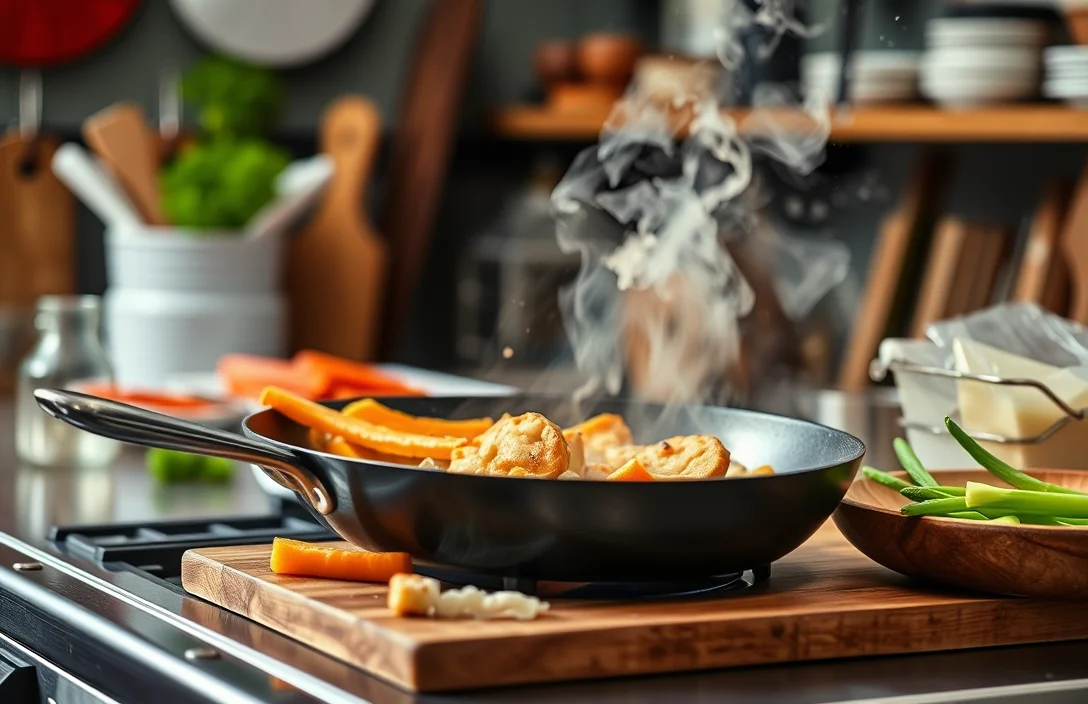
Studies indicate that frying and sautéing can enhance flavors significantly, with sautéing often preserving more nutrients than boiling. Many home cooks overlook these techniques, missing out on the delicious textures and tastes they bring to everyday meals. Mastering these methods can elevate your culinary skills.
Frying and sautéing are essential cooking techniques. Frying typically involves cooking food in hot oil, while sautéing uses less fat over high heat. Both methods create crispy textures and rich flavors, making them popular choices for various dishes.
Understanding Frying and Sautéing Techniques
Frying involves cooking food in hot oil, submerging the ingredients to achieve a crispy texture. This method works well for items like chicken, potatoes, or doughnuts, allowing them to brown evenly. While frying requires more oil than sautéing, the result is a rich, flavorful dish that often has a distinct crunch.
Sautéing, in contrast, uses a small amount of oil over medium to high heat, focusing on cooking food quickly while retaining moisture. Vegetables, seafood, and thin cuts of meat are commonly sautéed, producing a tender and flavorful outcome without excess oil. This technique emphasizes the natural flavors of the ingredients through swift cooking.
Temperature control defines both methods. Frying typically uses higher temperatures, often between 350°F and 375°F, ensuring that food cooks quickly and forms a golden crust. Sautéing operates at lower temperatures, around 350°F, allowing for even cooking without burning the ingredients.
Texture differences are notable. Fried foods tend to be crispy and rich, while sautéed dishes are softer and more vibrant. This distinction can influence your dish’s overall appeal, showcasing the versatility of each technique in the kitchen.
Flavor profiles vary significantly as well. Frying can produce a deep, rich taste due to the oil’s interaction with the food, while sautéing often highlights the freshness and natural taste of the ingredients, making it ideal for lighter dishes.
Choosing the Right Oils for Frying
Quality oils significantly impact flavor and cooking performance. Opt for oils with high smoke points to prevent burning during frying. Oils such as canola, peanut, and grapeseed are excellent choices, typically exceeding 400°F. These options ensure food cooks evenly without compromising taste.
Peanut oil, specifically, offers a subtle nutty flavor, enhancing dishes like stir-fries and fried chicken. Canola oil, on the other hand, has a neutral taste, making it versatile for various cuisines. Grapeseed oil provides a light flavor profile while also boasting a high smoke point.
Extra virgin olive oil is popular for sautéing but has a lower smoke point around 375°F. This oil can still be used for quick sautéing at moderate temperatures, imparting rich flavors to dishes. Blending different oils can balance flavor and cooking performance effectively.
Consideration of oil freshness is crucial. Rancid oils not only taste bad but can also create harmful compounds. Store oils in cool, dark places to prolong shelf life, and check for off smells before use. Always prioritize quality to enhance your frying and sautéing experiences.
Essential Tools for Effective Sautéing
Quality cookware is essential for sautéing. A heavy-bottomed skillet or sauté pan provides even heat distribution, preventing hotspots that can scorch food. Look for materials like stainless steel or cast iron, which retain heat well and create a nice sear on proteins and vegetables alike.
Reliable utensils are critical for effective sautéing. A long-handled wooden spoon or silicone spatula allows for easy stirring without scratching your cookware. This ensures that you can thoroughly mix your ingredients while maintaining the integrity of your pan.
High-quality knives are necessary for preparation. A sharp chef’s knife enables precise chopping and slicing, which is vital for even cooking. Invest in a knife that feels balanced in your hand for better control while working with various ingredients.
Thermometers can enhance cooking precision. An instant-read thermometer will help you determine when proteins are perfectly cooked, ensuring safety and optimal taste. Avoid guessing and rely on this tool for consistent results in your sautéed dishes.
Proper lids play a role in finishing dishes. Using a lid can trap steam, allowing ingredients to cook through without burning. This technique is particularly useful when sautéing tougher vegetables or meats, helping them tenderize efficiently.
Mastering Temperature Control in Cooking
Maintaining optimal temperatures is crucial for achieving perfect frying and sautéing results. Start by preheating your pan adequately before adding oil or food. An underheated pan causes food to stick and cook unevenly, while an overheated pan can burn your ingredients quickly. Aim for a medium-high heat setting, adjusting as necessary based on the type of food being cooked.
Monitoring oil temperature ensures that you get the best results. A simple method involves using a thermometer to check the oil, which should be around 350°F to 375°F for frying. For sautéing, aim for a slightly lower range, around 300°F to 350°F. If you don’t have a thermometer, drop a small piece of food into the oil; if it sizzles immediately, your oil is ready.
Adjusting heat throughout the cooking process prevents burning or overcooking. Once food is added, reduce the heat slightly to maintain a consistent cooking temperature. Stirring frequently can also help distribute heat evenly, ensuring all ingredients cook uniformly. Keeping an eye on the food allows you to react quickly and adjust temperatures as needed.
Testing for doneness is essential. Use a fork or a spatula to check the texture and color of your food. For sautéed items, look for a golden brown exterior. For fried foods, a crispy texture indicates readiness. If food is browning too quickly, lower the heat to allow the inside to cook properly without burning the outside.
Preparing Food Properly for Frying
Properly prepping food enhances frying results. Start by washing vegetables and patting them dry with paper towels. Moisture on the surface leads to oil splatter and sogginess, negatively affecting texture and flavor. Dry ingredients ensure better browning and crispiness during cooking.
- Cut ingredients uniformly for even cooking. Aim for similar sizes in vegetables and proteins to achieve consistent doneness. For example, chop onions and peppers into equal-sized pieces.
- Marinate proteins for enhanced flavor. Using a marinade adds depth to meats and tofu, giving them a flavor boost before frying. Consider using oil, acid, and seasonings for best results.
- Coat food to create a crispy texture. Dredging proteins or vegetables in flour, breadcrumbs, or batter before frying adds crunch. Ensure an even coating for uniform crispiness.
- Allow ingredients to come to room temperature. Cold food introduced to hot oil lowers the temperature, leading to uneven cooking. Let them sit for 15-30 minutes before frying.
- Season ingredients before cooking. Adding salt and spices prior to frying ensures flavors penetrate the food. For proteins, season both the surface and any marinades used.
Avoiding Common Mistakes in Cooking
Overcrowding the pan leads to steaming rather than frying or sautéing. This results in unevenly cooked food, and the moisture released from the ingredients keeps the temperature down. Always ensure there is enough space in the pan to allow each piece to brown properly.
- Maintain adequate spacing between ingredients. Place them in a single layer to promote even cooking and browning.
- Control the heat effectively. Use high heat for quick cooking and ensure it remains consistent throughout the process.
- Monitor oil temperature closely. Use a thermometer or test a small piece of food; if it sizzles immediately, the oil is ready.
- Avoid constant stirring. Letting food sit undisturbed for a short time allows for better caramelization and flavor development.
- Don’t neglect seasoning. Adding salt or spices at the right moments enhances the taste and brings out the best in your dish.
Recognizing these common errors can significantly improve your frying and sautéing skills. Implement these tips to achieve delicious, well-cooked meals every time.
Implementing Safety Practices for Frying
Preventing accidents is crucial during frying. Always maintain a safe distance from hot oil to avoid splatters. Wearing long sleeves and protective gloves can provide an extra layer of safety. Ensure that your cooking space is clear of flammable materials and that your hair is tied back to minimize risk.
Monitoring oil temperature is essential. Use a thermometer to ensure oil reaches the appropriate heat without exceeding safe limits. Heating oil too much can lead to dangerous flare-ups, so keep a close eye on the process.
- Use a sturdy, heavy-bottomed pan to prevent overheating and spills.
- Keep a lid nearby to smother any unexpected flames.
- Keep a fire extinguisher rated for grease fires accessible.
- Never leave frying food unattended; stay focused on the task.
- Allow oil to cool completely before disposing of it.
Practicing caution will ensure a safer cooking environment. Always prioritize safety measures to enjoy a successful frying experience without accidents.
Quick Summary
- Ideal for high-temperature cooking methods such as frying and sautéing.
- Provides a crispy texture and enhances flavor when frying foods.
- Suitable for a variety of oils including vegetable, canola, and olive oil.
- Promotes even cooking and browning when sautéing vegetables and proteins.
- Requires careful temperature control to avoid burning and ensure optimal results.
- Can be reused multiple times, but should be filtered and stored properly.
- Healthier alternatives like air frying can be considered for lower fat content.
Frequently Asked Questions
What types of oils are best for frying and sautéing?
For frying and sautéing, it’s best to use oils with a high smoke point, such as vegetable oil, canola oil, or grapeseed oil. Olive oil is also suitable for sautéing, but it’s important to use light or refined olive oil to avoid smoke at high temperatures.
What is the difference between frying and sautéing?
Frying typically involves cooking food in a larger amount of oil at higher temperatures, often resulting in a crispy texture. Sautéing, on the other hand, uses less oil and is done at medium to high heat, allowing for quicker cooking while retaining the food’s moisture and flavor.
How do I prevent food from sticking when sautéing?
To prevent sticking, ensure your pan is adequately heated before adding oil. Using a non-stick pan or adding enough oil to coat the bottom can also help, along with avoiding overcrowding the pan, which can cause moisture to build up and lead to sticking.
Can I sauté vegetables and meat together?
Yes, you can sauté vegetables and meat together, but it’s often best to cook them separately. Cooking meat first allows it to brown properly, and then you can add vegetables afterward, ensuring that each ingredient is cooked to the right texture and flavor.
What are some common mistakes to avoid when frying or sautéing?
Common mistakes include using the wrong type of oil, overcrowding the pan, and not preheating the pan adequately. Additionally, it’s important to avoid moving the food around too much, as this can prevent proper browning and result in uneven cooking.
