
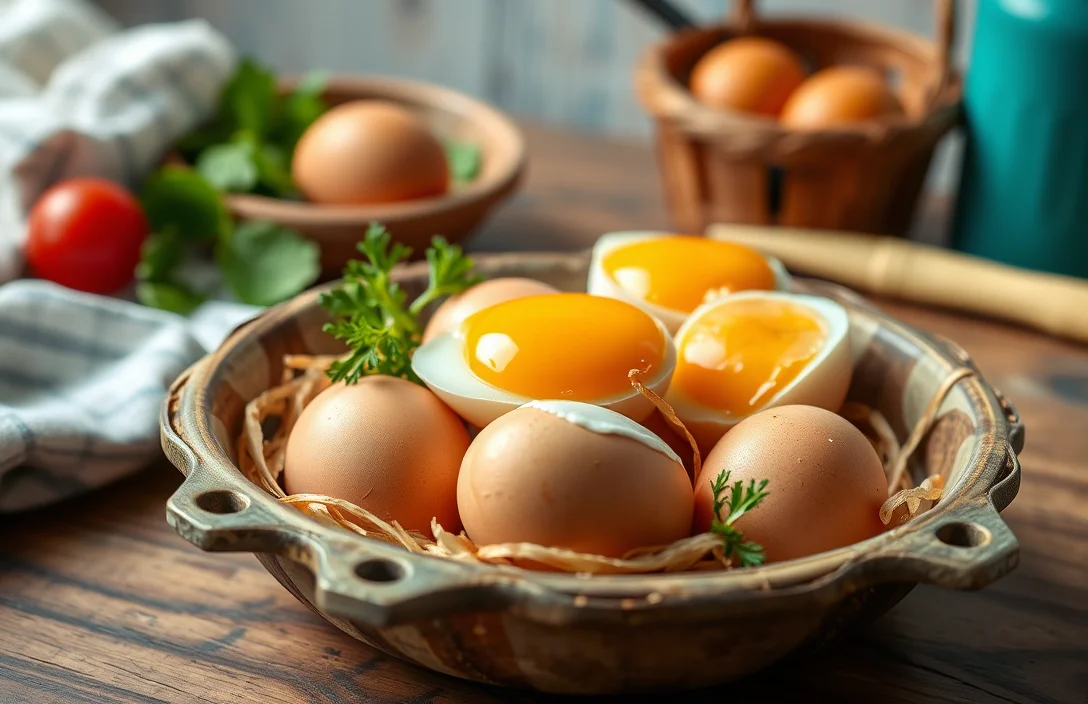
Eggs are one of the most versatile foods, providing endless possibilities in the kitchen. With over 1,500 different recipes featuring eggs, they can be scrambled, boiled, poached, or fried, making them an essential ingredient for every home cook.
Learning to prepare eggs is simple with clear, step-by-step methods. Enjoy delicious results by mastering basic techniques like boiling and scrambling. Cooking eggs at home is not only easy but also cost-effective for feeding your family.
Boiling Eggs Perfectly
Start by selecting fresh eggs. Fresh eggs will have a firmer white and a better overall texture once cooked. This makes it easier to achieve your desired doneness without the risk of mushy whites or rubbery yolks. Ready to get boiling?
- Fill a pot with cold water, enough to cover the eggs by about an inch.
- Gently place the eggs into the pot to avoid cracking them.
- Turn the heat to high and bring the water to a rolling boil.
- As soon as it boils, cover the pot and turn off the heat. Let the eggs sit for:
- Soft-boiled: 4-6 minutes
- Medium-boiled: 6-9 minutes
- Hard-boiled: 9-12 minutes
- After the time is up, transfer the eggs to a bowl of ice water for at least 5 minutes. This stops the cooking process and makes peeling easier.
- Peel the eggs under running water for less mess and better results.
Enjoy your perfectly boiled eggs! Experiment with timing to find your ideal doneness. Happy cooking!
Techniques for Scrambled Eggs
Whisking eggs thoroughly is essential. Use a fork or whisk to beat them until the yolks and whites are fully combined. This aeration helps create fluffy eggs. For added creaminess, consider mixing in a splash of milk, cream, or even a dollop of sour cream before cooking.
Using medium-low heat is recommended. This allows the eggs to cook gently, preventing them from becoming rubbery. Preheat a non-stick skillet and add a small amount of butter or oil to coat the bottom. Wait until the butter melts but doesn’t brown.
Cooking in stages enhances texture. Pour the beaten eggs into the heated skillet and let them sit undisturbed for a few moments. As the edges begin to set, gently stir with a spatula, pushing the eggs from the edges towards the center. Repeat this until the eggs are softly set but still slightly runny; carryover cooking will finish them off.
- Seasoning enhances flavor significantly. Sprinkle in salt and pepper just before the eggs finish cooking for the best taste.
- Experimenting with add-ins can create variety. Consider mixing in cheese, herbs, or vegetables for extra flavor and nutrition.
Tips for Frying Eggs
Choose your preferred frying method. You can fry eggs sunny-side up, over-easy, or over-hard. Each style offers a different texture and doneness, catering to personal taste. Sunny-side up features a runny yolk, while over-easy and over-hard entail flipping the egg to cook the yolk further.
Heat the pan appropriately before cooking. Using a non-stick skillet makes frying easier and helps prevent sticking. To test if the pan is ready, add a small amount of oil; it should shimmer but not smoke. This ensures an even cooking surface for a perfect egg.
Crack the egg with confidence. Strike the egg against a flat surface, rather than the edge of a bowl, to minimize shell fragments. Gently open the shell and let the egg slide into the pan to maintain the yolk’s integrity.
Adjust cooking time based on desired doneness. For sunny-side up, cook for about 2-3 minutes until the whites are set. For over-easy, flip the egg gently and cook for an additional minute. Over-hard eggs require a bit longer, around 3-4 minutes after flipping.
Season with a pinch of salt and pepper. Adding seasoning while the egg cooks enhances flavor. Consider experimenting with additional spices or herbs to find your favorite combination. Enjoy the delicious results of your fried eggs!
Method for Poaching Eggs
Start with fresh eggs for the best results. Fill a saucepan with about 3 inches of water and add a splash of vinegar. The vinegar helps the egg whites coagulate quickly, preventing them from spreading out in the water.
Bring the water to a gentle simmer over medium heat. Once you see small bubbles forming at the bottom, it’s the perfect time to poach. A rolling boil can break apart the eggs, so keep the heat low.
Crack an egg into a small bowl or cup. Gently slide the egg into the simmering water. This helps maintain its shape and makes it easier to control. Repeat with additional eggs, leaving space between them.
Allow the eggs to cook for about 3-4 minutes for a runny yolk, or longer if you prefer it firmer. Use a slotted spoon to remove the eggs, letting excess water drain off. Serve immediately on toast or with your favorite toppings.
Baking with Eggs Essentials
Quiches are delicious baked dishes featuring eggs. To prepare one, start by preheating your oven to 375°F (190°C). Use a pie crust as the base, which can be store-bought or homemade. Whisk together eggs, milk, cheese, and your choice of vegetables or meats for filling. Pour the mixture into the crust and bake for 30-35 minutes until set and golden.
Frittatas serve as another excellent option. Begin by sautéing vegetables in an oven-safe skillet. Whisk eggs with salt and pepper, then pour them over the veggies. Cook on the stovetop for a few minutes until the edges start to set. Transfer the skillet to the oven and bake until the frittata is cooked through. This method gives you a hearty meal perfect for any time of day.
Stratas combine bread, cheese, and eggs for a satisfying dish. Start by layering bread cubes in a greased baking dish. Sprinkle cheese and any desired fillings on top. Whisk eggs with milk, and pour the mixture over the layered ingredients. Let it sit for at least an hour or overnight for flavors to meld. Bake at 350°F (175°C) for about 45 minutes until puffed and golden.
Creating Delicious Omelets
Whisking eggs creates a fluffy texture in your omelet. Start by cracking two or three eggs into a bowl. Add a pinch of salt and pepper for flavor. Use a whisk or fork to beat the eggs until they are well combined and slightly frothy. This will help incorporate air, making your omelet light and fluffy.
- Heat a non-stick skillet over medium heat for even cooking. Adding a little butter or oil prevents sticking and adds flavor. Wait until the butter melts or the oil shimmers before moving on.
- Pour the beaten eggs into the skillet. Allow them to cook undisturbed for about 1-2 minutes, letting the edges set while the center remains slightly runny.
- Gently lift the edges with a spatula, allowing the uncooked eggs to flow to the edges. This ensures even cooking throughout.
- Add your desired fillings, such as cheese, vegetables, or meats, to one half of the omelet. Fold the other half over the fillings, creating a half-moon shape.
- Cook for another minute until the cheese melts and the omelet is fully cooked but still tender. Slide it onto a plate and enjoy!
Making Classic Egg Salad
Start with boiling eggs. Place eggs in a pot, cover them with water, and bring to a boil. Once boiling, cover the pot and remove it from heat. Let the eggs sit for about 10-12 minutes for hard-boiled perfection. After that, transfer them to an ice bath to stop the cooking process.
Next, peel the cooled eggs carefully. Gently tap each egg on a hard surface to crack the shell and then roll it slightly to loosen it. Start peeling from the wider end, where there’s usually an air pocket, making it easier to remove the shell.
Chop the peeled eggs finely. Use a sharp knife to create small pieces, or you can use an egg slicer for even results. The size of the pieces can vary based on personal preference, but a fine chop blends well with the dressing.
Combine eggs with mayonnaise. In a bowl, mix the chopped eggs with about 2-3 tablespoons of mayonnaise, adding salt and pepper to taste. For extra flavor, consider adding mustard, diced celery, or chopped herbs.
Serve the egg salad on bread, crackers, or lettuce leaves. It’s versatile and can be enjoyed as a sandwich or a light snack. Feel free to experiment with ingredients to create your perfect egg salad.
Quick Summary
- Choose the right type of eggs based on your cooking method (boiling, frying, etc.).
- For boiling, start with cold water and adjust cooking time for desired doneness.
- When frying, use a non-stick pan and medium heat to prevent sticking.
- Scrambling eggs requires whisking until fully blended and cooking on low heat for creaminess.
- Season eggs with salt and pepper during or after cooking for enhanced flavor.
- Experiment with additional ingredients like cheese, vegetables, or herbs for variety.
- Always ensure eggs are fresh and stored properly for the best results.
Frequently Asked Questions
How do I boil eggs perfectly?
To boil eggs, place them in a pot and cover them with cold water. Bring the water to a rolling boil, then cover the pot and remove it from heat; let it sit for 9-12 minutes depending on your desired doneness. Afterward, transfer the eggs to an ice bath to stop cooking.
What is the easiest way to scramble eggs?
To scramble eggs, crack 2-3 eggs into a bowl, add a pinch of salt and whisk them together. Heat a non-stick skillet over medium heat, add a bit of butter or oil, and pour in the eggs. Stir gently until they are just set, and remove from heat for creamy scrambled eggs.
How can I make an omelette?
To make an omelette, beat 2-3 eggs in a bowl with salt and pepper. Heat a non-stick skillet, add a little butter, and pour in the eggs, swirling to coat the pan. Once the edges begin to set, add fillings like cheese or vegetables, fold the omelette in half, and cook until fully set.
What tools do I need to prepare eggs?
The basic tools you’ll need include a mixing bowl, whisk or fork, non-stick skillet, and a spatula. For boiling eggs, a pot and a slotted spoon will also be helpful. These tools are generally affordable and easy to find in most kitchens.
Can I cook eggs in the microwave?
Yes, you can cook eggs in the microwave! To scramble, whisk eggs in a microwave-safe bowl, and heat in 30-second intervals, stirring in between until cooked. For poached eggs, crack an egg into a bowl of water, cover, and microwave for about 1 minute.
