
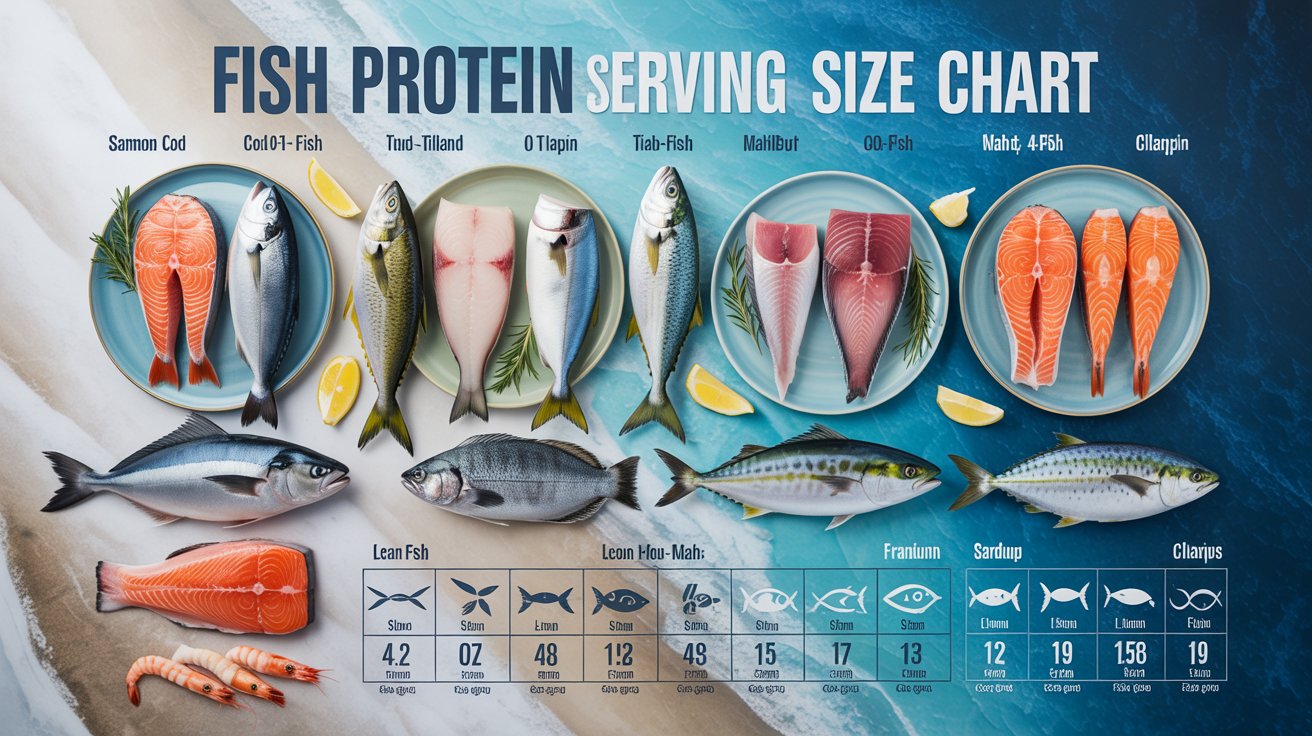
Fish is one of the healthiest protein sources available. It’s rich in high-quality protein, omega-3 fatty acids, vitamins, and minerals while often being lower in saturated fat than red meat. But different fish species contain different amounts of protein, and portion sizes can vary depending on the meal and cooking method. Understanding a fish protein serving size chart helps with meal planning, nutrition tracking, and creating balanced diets. Whether you’re preparing salmon, tuna, cod, or tilapia, knowing proper serving sizes makes healthy eating easier.
Why Fish Serving Size Matters
Fish serving size affects both nutrition and meal balance. Too little fish may not provide enough protein, while oversized portions can increase calories and mercury exposure in some species.
For athletes and health-conscious eaters, fish is popular because it delivers lean protein with important nutrients. Understanding serving sizes also helps families and seafood buyers estimate how much fish to purchase for meals.
Balanced fish portions improve both nutrition and portion control without sacrificing flavor.
Standard Fish Protein Serving Sizes
Fish servings are usually measured by cooked weight. Here are the most common serving sizes used in nutrition guides.
Fish Protein Serving Size Chart
| Fish Type | Standard Serving Size | Protein (Approx.) | Calories (Approx.) |
|---|---|---|---|
| Salmon | 85–100g (3–4 oz) | 20–25g | 180–250 |
| Tuna | 85–100g | 22–26g | 120–180 |
| Cod | 85–100g | 18–22g | 90–120 |
| Tilapia | 85–100g | 20–23g | 100–130 |
| Halibut | 85–100g | 22–24g | 120–160 |
| Sardines | 85g | 20–23g | 170–200 |
| Mahi-Mahi | 85–100g | 20–24g | 100–140 |
| Shrimp | 85g | 18–20g | 80–110 |
Protein content varies depending on species and cooking method.
Choosing The Right Fish Portion
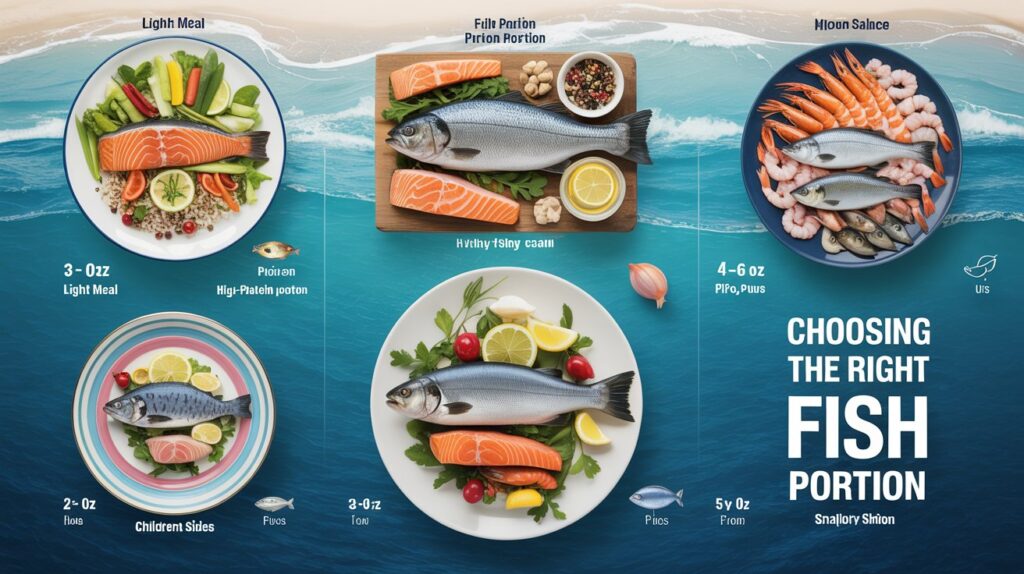
The ideal serving size depends on your nutritional goals and meal type. Here are some general recommendations:
- Light Meals: 3 oz servings work well with vegetables and grains.
- High-Protein Meals: 4–6 oz portions are common for athletes.
- Children’s Portions: Smaller servings around 2–3 oz are usually enough.
- Seafood Platters: Mixed seafood may reduce individual fish portions.
Lean fish can often be served in slightly larger portions because they are lower in calories.
Fish Protein Comparison: Lean Vs. Fatty Fish
Different fish types provide different nutrient profiles.
Lean vs Fatty Fish Protein
| Fish Type | Protein Level | Fat Content | Examples |
|---|---|---|---|
| Lean Fish | High | Lower | Cod, tilapia, halibut |
| Fatty Fish | High | Higher | Salmon, sardines |
Fatty fish contain more omega-3 fats, while lean fish are usually lower in calories.
Fish Protein And Nutrition
Fish provides many important nutrients beyond protein, including:
- Omega-3 fatty acids
- Vitamin D
- Selenium
- B vitamins
- Iodine
Most fish servings provide around 20–25g of protein per 3–4 oz serving, making fish an excellent option for balanced diets.
Health experts often recommend eating seafood multiple times per week for heart and brain health benefits.
Visual Guide: Fish Serving Sizes
Visual comparisons help estimate fish portions more easily.
Fish Portion Guide
| Serving Size | Visual Comparison | Typical Use |
|---|---|---|
| 3 oz Fish | Deck of cards size | Standard serving |
| 4–6 oz Fish | Palm-sized fillet | Main protein portion |
| Whole Fish | Dinner plate length | Family-style meals |
Tips For Measuring Fish Portions
- Weigh fish after cooking: Cooking changes moisture and weight slightly.
- Use hand comparisons: Palm-sized portions are often close to 4 oz.
- Balance meals with vegetables: Fish pairs well with lighter side dishes.
- Choose sustainable seafood: Supports healthier oceans and fisheries.
- Avoid heavy breading: Fried coatings increase calories quickly.
Proper serving sizes help maintain balanced meals and nutrition goals.
Common Mistakes When Serving Fish
- Oversized portions: Large fillets may contain multiple servings.
- Ignoring cooking methods: Fried fish contains more calories than grilled or baked fish.
- Choosing high-mercury fish too often: Large predatory fish should be eaten in moderation.
- Not balancing meals: Fish works best with vegetables and whole grains.
Understanding serving sizes improves both health and meal planning.
How Fish Portion Size Affects Protein Intake
Fish is one of the most efficient sources of lean protein. Smaller portions often provide enough protein for most meals without excessive calories.
Larger servings may benefit athletes or high-protein diets, but moderate portions usually work well for balanced eating.
The Popularity Of Fish As A Protein Source
Fish has been a major protein source for coastal communities for thousands of years. Today, seafood remains popular worldwide because of its nutrition, versatility, and variety of flavors.
Modern diets often emphasize fish because of its heart-health benefits and lower saturated fat compared to many meats.
Frequently Asked Questions
What Is A Standard Serving Size Of Fish?
A standard serving is about 85–100g, or 3–4 ounces cooked.
How Much Protein Is In Fish?
Most fish servings provide around 20–25g of protein.
Which Fish Has The Most Protein?
Tuna and salmon are among the highest-protein fish options.
Is Fish Better Than Chicken For Protein?
Both are excellent protein sources, but fish often provides additional omega-3 fatty acids.
How Often Should I Eat Fish?
Many health experts recommend eating fish 2–3 times per week.
Fish protein serving size charts may seem simple, but they are extremely helpful for meal planning, nutrition tracking, and balanced eating. Whether you enjoy salmon, tuna, cod, or shrimp, understanding proper fish serving sizes helps you enjoy seafood in a healthier and more satisfying way.
