
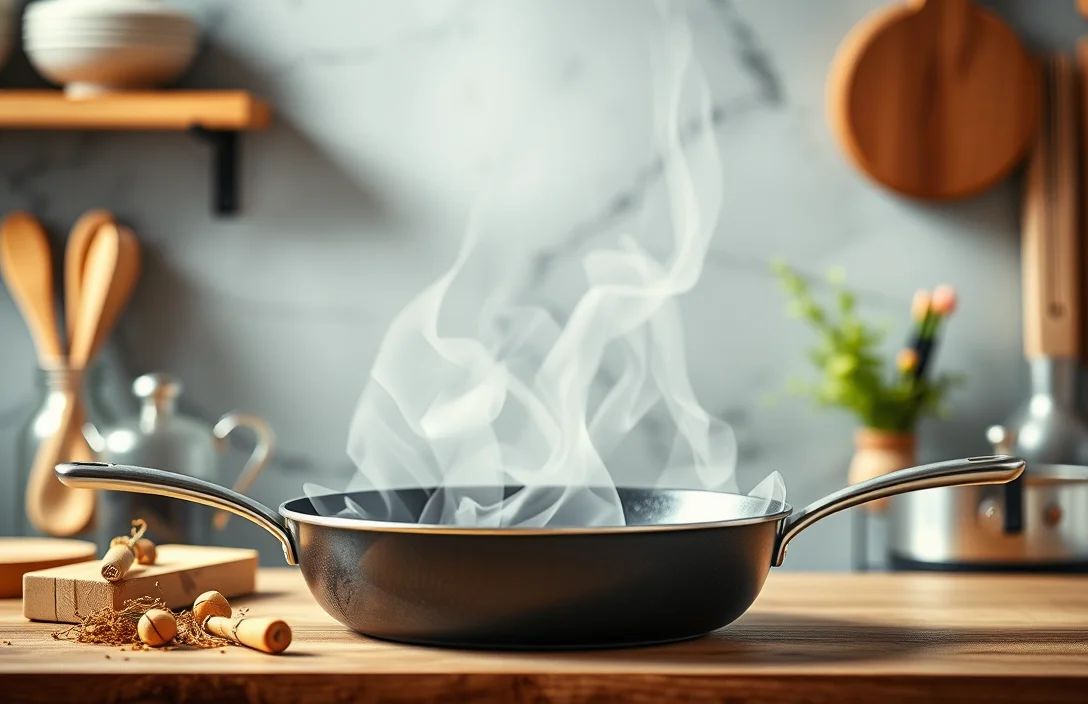
Studies show that ceramic nonstick cookware can withstand higher temperatures than Teflon, making it potentially safer for cooking. While Teflon has long been the standard in nonstick surfaces, ceramic options are gaining popularity for their perceived health benefits and durability.
Ceramic nonstick is generally free of harmful chemicals, while Teflon may release toxic fumes at high heat. Durability varies, with ceramic often being more resistant to scratches. Cleaning is easy for both, but ceramic can require more care to maintain its nonstick properties.
Understanding Ceramic Nonstick Properties
Ceramic nonstick cookware features a coating composed of natural materials, primarily silica. This innovative surface provides excellent food release, making cooking and cleaning easier. Unlike traditional nonstick options, ceramic coatings are generally free from harmful chemicals, appealing to health-conscious cooks.
Manufacturers highlight several benefits of ceramic nonstick cookware:
- High heat resistance allows for versatile cooking methods without damage.
- Durability ensures longevity, with many products lasting through daily use.
- Eco-friendly materials contribute to a safer kitchen environment.
- Variety of colors and designs enhances kitchen aesthetics.
Cleaning ceramic nonstick is straightforward. Most pieces are dishwasher safe, but hand washing with a soft sponge is recommended to maintain the coating. Avoid using metal utensils to prevent scratches, which can diminish performance over time.
Overall, ceramic nonstick cookware offers a compelling alternative to traditional options. Its blend of functionality, safety, and style makes it a popular choice in modern kitchens.
Exploring Teflon Coating Characteristics
Polytetrafluoroethylene coatings create an extremely low-friction surface that prevents food from sticking and allows cooking with minimal fat. Use medium or lower heat to preserve coating and avoid metal utensils to prevent scratches. Recognize that proper handling—gentle utensils, no abrasive cleaners, and controlled heating—achieves the primary advantage: fast release and effortless cleanup for everyday cooking.
- Nonstick surface releases most foods easily, reducing oil and simplifying flipping and serving.
- Cleanup requires only warm water and a soft sponge; avoid abrasive pads to protect finish.
- Heat responsiveness allows quick temperature changes for searing and gentle simmering when needed.
- Cost-effectiveness often undercuts premium ceramic pans; in the ceramic nonstick vs teflon debate, Teflon usually costs less.
Comparing Durability and Lifespan
Durability and lifespan vary significantly between ceramic and Teflon cookware. Typically, ceramic nonstick finishes last longer under regular use compared to Teflon coatings. Ceramic can withstand higher temperatures and is less prone to scratching, while Teflon may degrade faster with improper care.
- Ceramic cookware generally lasts up to five years with proper maintenance. Regular cleaning and avoiding metal utensils can help maximize its lifespan.
- Teflon pans usually last between three to five years. Frequent exposure to high heat can reduce their effectiveness, making care essential for longevity.
- Material quality impacts durability. Higher-end ceramic products may offer better resistance to wear and tear, while budget options might wear out quicker.
- Heat exposure plays a significant role in lifespan. Ceramic can handle higher temperatures without damage, whereas Teflon may begin to break down at temperatures above 500°F.
- Regular inspections for scratches or chips can determine when to replace cookware. Teflon becomes less effective when its surface is compromised, while ceramic may still be usable without visible wear.
Evaluating Heat Resistance Levels
Ceramic cookware generally withstands temperatures up to 450°F without damage. This high threshold allows for versatile cooking methods, including browning and sautéing. Proper care is essential to maintain its heat resistance, as rapid temperature changes can lead to cracking.
Teflon coatings, on the other hand, typically handle up to 500°F. Exceeding this limit can cause the coating to degrade, potentially releasing harmful fumes. Users should avoid preheating empty pans and using high heat settings to prolong the life of Teflon cookware.
Temperature fluctuations affect both materials differently. While ceramic may chip or crack under extreme heat changes, Teflon can lose its nonstick properties if subjected to excessive temperatures. Monitoring the heat level during cooking is crucial for both types of cookware.
Cooking techniques vary between these materials. For ceramic, moderate heat works best to enhance its nonstick qualities while preserving its surface. In contrast, Teflon allows for quick heat adjustments, making it suitable for fast cooking methods. Understanding these differences can aid in maximizing each type’s performance.
Ultimately, selecting the right cookware depends on your cooking style and preferences. Evaluate the heat resistance of each option to ensure it aligns with your culinary needs and practices.
Assessing Safety and Health Considerations
Potential health concerns arise from both ceramic nonstick and Teflon cookware. Ceramic coatings are generally regarded as safer since they do not contain PTFE or PFOA, chemicals associated with Teflon that can release harmful fumes at high temperatures. This makes ceramic a preferred option for health-conscious consumers.
Teflon cookware can pose risks when overheated, potentially releasing toxic fumes that may cause flu-like symptoms in humans and are harmful to birds. Maintaining proper cooking temperatures is crucial to mitigate these risks. Always consult manufacturer guidelines to prevent overheating.
Longevity factors into safety as well. Ceramic nonstick surfaces can wear down over time, leading to potential leaching of materials into food. Regular inspection of cookware ensures that any degradation is addressed before it can impact health. Replace any chipped or heavily scratched cookware immediately.
Awareness of chemical exposure remains vital. While ceramic options avoid specific harmful chemicals, they can still contain other substances. Always check product labels to ensure that no unwanted materials are present in the coating. Informed decisions lead to safer cooking experiences.
Cleaning and Maintenance Guidelines
Proper care ensures longevity and performance. Both ceramic nonstick and Teflon cookware require specific maintenance to maintain their nonstick properties. Following these guidelines will help you choose the best approach for your kitchen tools.
- Use soft utensils to prevent scratches. Spatulas and spoons made of silicone, wood, or plastic work best. Metal utensils can damage the surface, especially in Teflon cookware.
- Wash with mild detergents and soft sponges. Avoid abrasive cleaners and steel wool, as they can wear down the coating, leading to reduced nonstick performance over time.
- Store cookware carefully. Stacking pots and pans can scratch the surface. Consider using pan protectors or cloths between items to avoid damage.
- Heat settings should be moderate. Excessive heat can warp ceramic surfaces or degrade the Teflon coating. Always follow manufacturer recommendations for optimal cooking temperatures.
- Inspect for damage regularly. Look for scratches, peeling, or discoloration. If any damage is found, discontinue use to prevent contamination of food.
Analyzing Cooking Performance Differences
Ceramic coatings excel in food release, allowing for effortless flipping and serving. Their surface prevents sticking, making them ideal for delicate items like eggs and pancakes. Teflon also provides excellent nonstick properties but may not perform as well under high heat settings, which can impact food texture and taste.
Temperature tolerance plays a crucial role in cooking performance. Ceramic cookware can withstand higher temperatures without breaking down, offering versatility for various cooking methods. In contrast, Teflon is more sensitive to overheating, which can lead to degradation over time and affect its nonstick capabilities.
Food release efficiency can vary significantly. Users often report that ceramic surfaces maintain their nonstick qualities longer than Teflon when properly cared for. In practice, this means less frustration flipping food and reduced oil usage, appealing to health-conscious cooks.
| Feature | Ceramic Coating | Teflon Coating |
|---|---|---|
| Food Release | Excellent | Very Good |
| Temperature Tolerance | High | Moderate |
| Durability | Long-lasting | Shorter lifespan |
Cookware choice impacts meal preparation. Opting for ceramic nonstick can yield better results for health-focused cooking. Teflon remains a reliable choice for those who prefer quick clean-up and everyday use, but understanding the limitations is essential for optimal results.
Quick Summary
- Ceramic nonstick cookware is made from natural materials and is considered more environmentally friendly.
- Teflon, a brand name for PTFE (polytetrafluoroethylene), has been widely used for its excellent nonstick properties.
- Ceramic coatings can withstand higher temperatures than traditional Teflon coatings without releasing harmful chemicals.
- Teflon is durable but can degrade over time, especially if overheated or scratched.
- Ceramic nonstick surfaces may not last as long as Teflon but are less prone to scratching.
- Both options require careful maintenance to prolong their lifespan; metal utensils should be avoided on ceramic surfaces.
- Ceramic cookware typically has a more modern aesthetic compared to traditional Teflon pans.
Frequently Asked Questions
What is the main difference between ceramic nonstick and Teflon coatings?
The main difference lies in the materials used for the coatings. Ceramic nonstick cookware is typically made from a silica-based coating, while Teflon cookware is coated with polytetrafluoroethylene (PTFE). This results in varying heat resistance and durability between the two options.
Is ceramic nonstick safer than Teflon?
Ceramic nonstick is often considered safer because it is free from PTFE and PFOA, chemicals that were once used in Teflon manufacturing. However, high temperatures can still damage both coatings, potentially affecting their safety and performance.
Which option is better for high-heat cooking?
Teflon can generally handle higher temperatures than ceramic nonstick without losing its nonstick properties, but it can release harmful fumes at very high temperatures. Ceramic nonstick is usually recommended for medium to low heat cooking to maintain its integrity.
How do the durability and lifespan compare between ceramic and Teflon?
Ceramic nonstick cookware tends to have a shorter lifespan than Teflon, especially if subjected to high heat or metal utensils. Teflon pans can last longer if properly cared for but may scratch easily with metal utensils. Proper maintenance is key for both types.
Can I use metal utensils on ceramic nonstick and Teflon cookware?
It is generally advised to avoid metal utensils on both ceramic nonstick and Teflon cookware to prevent scratching the surface. Opting for silicone, wood, or plastic utensils will help maintain the longevity of both types of cookware.
