
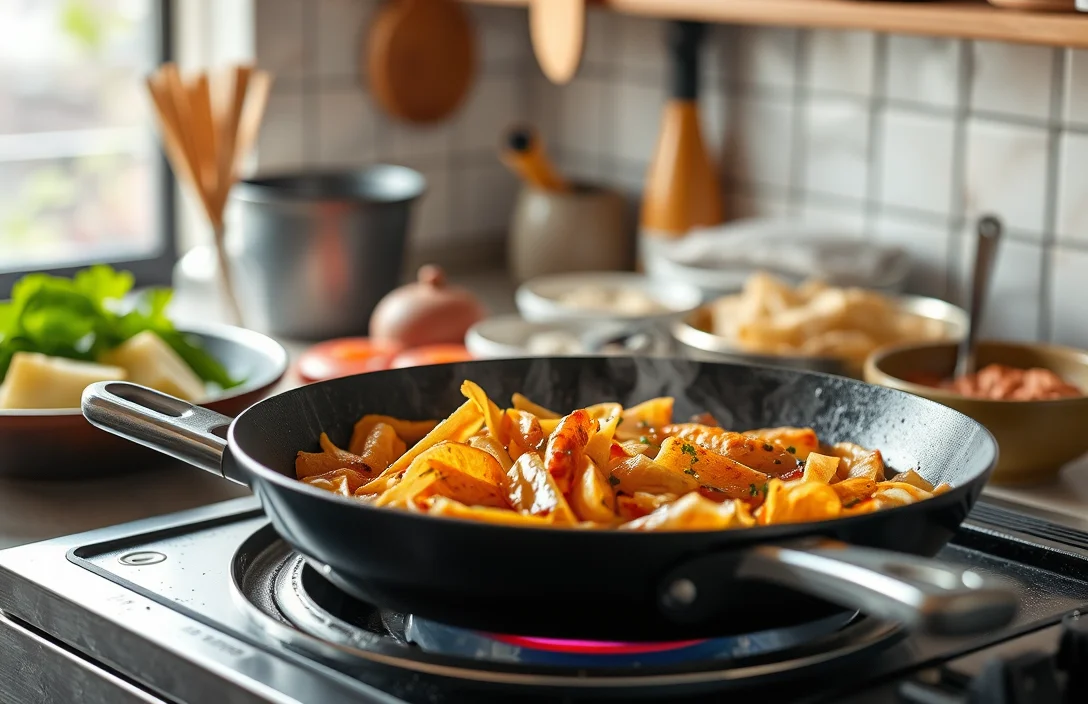
Frying is responsible for producing over 2 billion servings of crispy, delicious food daily worldwide. This cooking method not only enhances flavor but also creates textures that appeal to many. Understanding frying can elevate your culinary skills significantly.
Mastering frying involves temperature control, oil selection, and cooking time. Essential techniques include deep frying, shallow frying, and stir frying, each offering unique results and applications in diverse cuisines.
Exploring Types of Frying Techniques
Deep frying cooks food by submerging it in hot oil. This method creates a crispy exterior while keeping the interior moist and tender. Ideal for items like fried chicken and doughnuts, maintaining the right oil temperature is crucial. A thermometer can help ensure consistent results, preventing greasy textures.
Shallow frying involves using less oil, coating the bottom of the pan. This technique is perfect for cooking delicate foods such as fish or vegetables. The key is to ensure even oil coverage and turn the food carefully to achieve a golden-brown finish without burning.
Pan frying offers versatility and is suitable for a range of ingredients. Using a moderate amount of oil allows for sautéing while achieving a crispy edge. This method works well for meats and can be complemented with sauces or gravies after cooking, enhancing overall flavor.
Choosing the Right Oil for Frying
Select oils based on smoke points. Oils with high smoke points, such as canola, peanut, and sunflower oil, are ideal for frying. They withstand high temperatures without burning, ensuring your food cooks evenly and maintains its flavor. Avoid oils with low smoke points, like olive oil, for deep frying as they can produce undesirable flavors and harmful compounds.
Flavor profiles matter significantly. Oils impart different tastes to fried foods. For instance, peanut oil offers a subtle nutty flavor, while coconut oil adds a hint of sweetness. Selecting the right oil can enhance the dish you are preparing, so consider the final flavor you want in your fried items.
Cost-effectiveness is also essential. Some oils, like avocado oil, can be expensive but are great for high-heat frying. Consider your budget and how often you fry. Less expensive oils can still provide satisfactory results for daily frying needs without breaking the bank.
Storage stability impacts your choice. Some oils, like olive oil, have a shorter shelf life and can become rancid quickly. Choose oils that can be stored longer without compromising their quality, especially if you fry infrequently. Proper storage in a cool, dark place helps maintain freshness.
Mastering Temperature Control in Frying
Maintaining the right temperature is critical for frying success. Each type of food requires a specific temperature range to achieve optimal results. For example, delicate items like fish need lower heat, while sturdier options like chicken can handle higher temperatures. Failure to adhere to these guidelines can lead to soggy textures or burnt exteriors.
Frying oil should ideally reach temperatures between 350°F to 375°F for most recipes. Using a thermometer is essential to monitor the oil’s heat accurately. Without proper monitoring, you risk overcooking or undercooking your food. Automated thermostats found in some fryers can simplify this process, ensuring consistent results.
Testing the oil’s readiness can be done using a simple method. Dropping a small piece of food into the oil can reveal if it’s hot enough. If it sizzles immediately, the temperature is adequate. If it sinks without any sizzle, the oil is likely too cool. Conversely, excessive smoking indicates the oil is too hot and may produce off-flavors.
Adjusting the flame or heat source is crucial for maintaining temperature consistency during frying. Frequent fluctuations can lead to uneven cooking. If frying a large batch, consider frying in smaller portions to avoid lowering the oil’s temperature too quickly. Consistent oil temperature ensures even cooking and enhances the final flavor.
Essential Frying Equipment and Tools
Frying requires specific tools to ensure efficiency and safety. Essential items include a deep fryer or a heavy-bottomed pot to maintain temperature control. A thermometer is crucial for measuring oil temperature accurately, ensuring optimal frying conditions and preventing food from absorbing excessive oil.
Skimmers are indispensable for removing food from hot oil. These tools allow for draining excess oil and keeping the frying area clean. A slotted spoon or skimmer with a long handle helps avoid burns when retrieving food from the hot oil.
Heavy-duty tongs provide an excellent grip for turning and flipping food while frying. Opt for heat-resistant tongs to prevent melting or warping during cooking. Using tongs allows for better control and minimizes splatter, enhancing safety.
Non-slip mats can enhance stability when frying. Placing these mats under pots or fryers prevents slipping and reduces the risk of spills. A sturdy mat contributes to a safer cooking environment, especially when dealing with hot oil.
Lastly, a good ventilation system is essential to manage smoke and odors. Proper ventilation helps keep the kitchen comfortable and reduces lingering smells, making the frying experience more enjoyable.
Understanding Health Considerations of Frying
Health impacts of frying can be significant. Frying foods often leads to higher calorie and fat content, which may contribute to weight gain and heart-related issues. To mitigate these risks, consider using healthier oils, monitoring cooking temperatures, and adjusting frying times.
Choosing oils wisely can enhance health. Opt for oils with high smoke points and beneficial fats, such as:
- Avocado oil
- Olive oil
- Coconut oil
- Safflower oil
Monitoring temperature is crucial. Keeping oil at optimal frying temperatures (between 350°F and 375°F) prevents excessive absorption of oil into the food, reducing calorie intake. Use a thermometer to maintain consistent heat.
Adjusting frying times can also help. Overcooking increases fat absorption and reduces nutritional value. Follow recipe guidelines and check food regularly to achieve the desired crispiness without overdoing it.
Considering air frying as an alternative offers a healthier option. Air fryers use significantly less oil, resulting in lower fat content while still providing a crispy texture. This method can be a great way to enjoy your favorite fried foods with fewer calories.
Avoiding Common Frying Mistakes
Frying requires attention to detail to achieve perfect results. Avoiding common errors can significantly enhance your dishes. Below are critical points to ensure better frying outcomes.
- Temperature control is vital. Maintaining consistent oil temperature (around 350°F to 375°F) prevents sogginess and ensures a crispy finish. Use a thermometer for accuracy.
- Oil selection matters greatly. Choose oils with a high smoke point, such as canola or peanut oil, to withstand the heat without breaking down.
- Food preparation affects frying quality. Ensure items are dry before frying; moisture can cause the oil to splatter and lead to uneven cooking.
- Batch size impacts frying results. Avoid overcrowding the frying pan, as this lowers oil temperature and leads to greasy food. Fry in small batches for best outcomes.
- Flipping technique influences crispiness. Use tongs or a slotted spoon to turn food gently, allowing even cooking and preventing breakage.
Implementing these tips ensures better results while using the frying cooking method. Mastering these details will elevate your frying skills and produce delicious dishes.
Comparing Frying with Other Cooking Methods
Frying stands out among cooking techniques due to its ability to deliver crisp textures and rich flavors. Unlike boiling or steaming, which retain moisture, frying creates a desirable contrast between a crunchy exterior and a tender interior. This method also allows for quick cooking, making it ideal for busy kitchens. Understanding the unique benefits of frying can enhance your culinary repertoire.
- Fried foods develop distinct flavors. A Maillard reaction occurs during frying, resulting in complex tastes that steaming or boiling cannot replicate. This browning effect enhances the overall flavor profile of dishes.
- Crispiness is unmatched in frying. While other methods may soften foods, frying produces a satisfying crunch that many diners seek. This texture can elevate even simple ingredients.
- Versatility in oil selection exists. Various oils provide different flavors and health benefits, allowing chefs to customize dishes. Choosing oils like olive or peanut can transform the character of a recipe.
- Quick cooking times maximize efficiency. Frying typically requires less time than baking or roasting, making it suitable for fast-paced environments. Efficient cooking can reduce prep time significantly.
- Ingredient adaptation is simple. Almost any food can be fried, from vegetables to proteins, offering endless culinary possibilities. This adaptability encourages creativity in the kitchen.
Quick Summary
- Frying involves cooking food in hot oil or fat, which can enhance flavor and texture.
- There are two main types of frying: deep frying (submerging food in oil) and shallow frying (using less oil).
- Temperature control is crucial; oil that is too hot can burn food, while oil that is too cool can make food greasy.
- Fried foods tend to have a crispy exterior and a moist interior, making them appealing to many palates.
- Common frying oils include vegetable, canola, and peanut oil, each with different smoke points and flavors.
- Frying can add significant calories and fat to food, so moderation is key for a balanced diet.
- Proper safety measures, such as using a thermometer and avoiding water near hot oil, are essential to prevent accidents.
Frequently Asked Questions
What is frying?
Frying is a cooking method that involves cooking food in hot oil or fat. It can be done in various ways, including deep frying, shallow frying, and stir-frying, each resulting in different textures and flavors.
What types of oil are best for frying?
Common oils for frying include vegetable oil, canola oil, peanut oil, and sunflower oil due to their high smoke points. It’s important to choose oils that can withstand high temperatures without burning to achieve the best results.
How do I know when the oil is hot enough for frying?
The oil is typically ready for frying when it reaches about 350°F to 375°F (175°C to 190°C). You can test the temperature by dropping a small piece of food into the oil; if it sizzles and bubbles immediately, the oil is hot enough.
What are some tips for frying food safely?
To fry safely, ensure you do not overcrowd the pan, as this can lower the oil temperature and lead to soggy food. Additionally, always keep a lid nearby to cover the pot in case of a fire, and avoid using water to extinguish oil fires.
Can frying be a healthy cooking method?
Frying can be made healthier by using less oil, opting for air frying, or choosing healthier oils. Additionally, it’s important to balance fried foods with a diet rich in fruits, vegetables, and whole grains to maintain overall health.
