
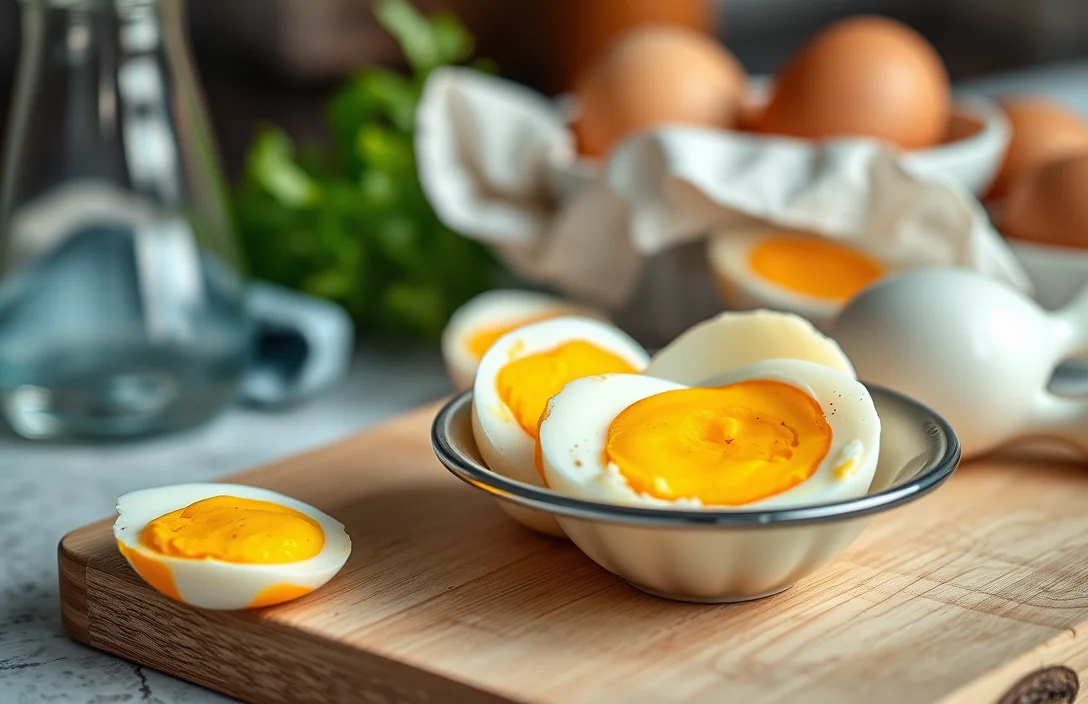
Sixty percent of Americans prefer boiled eggs for breakfast due to their high protein content and simplicity. Perfectly boiled eggs can be a delicious addition to meals, snacks, or even salads, making them a versatile choice for many diets.
Mastering boiling times is crucial; soft-boiled eggs take about 6 minutes, while hard-boiled ones require 10-12 minutes. Starting with cold water and cooling in ice helps achieve the ideal texture.
Selecting the Best Eggs for Boiling
Fresh eggs are essential for optimal results. Look for eggs that are clean and uncracked, as these factors indicate quality. Check the expiration date on the carton to ensure freshness. Ideally, use eggs that are no more than a week past their sell-by date for the best flavor and texture.
Color does not affect quality. White and brown eggs have similar nutritional profiles, so choose based on personal preference or availability. Additionally, consider buying organic or free-range eggs, as they often come from healthier hens, resulting in better-tasting eggs. Always inspect the carton for any broken eggs before purchasing.
Storage conditions influence freshness. Eggs should be kept in the refrigerator to maintain their quality. Avoid leaving them at room temperature for extended periods. To further ensure freshness, place eggs in a bowl of water; if they sink, they are fresh, but if they float, discard them. Following these tips will guarantee you have the best ingredients for preparing boiled eggs.
Achieving the Perfect Boiling Water Temperature
Optimal water temperature for boiling eggs hovers around 212°F (100°C) at sea level. This temperature ensures that the eggs cook evenly, producing the desired consistency. Achieving this level is crucial, as lower temperatures can result in undercooked eggs while higher temperatures may lead to overcooked ones with rubbery whites.
Monitoring the boiling process matters significantly. Once water reaches a rolling boil, carefully lower the eggs into the pot. Using a slotted spoon can help prevent cracking. Maintaining that gentle boil throughout cooking is essential for consistent results.
Adjustments may be necessary depending on altitude. At higher elevations, water boils at lower temperatures, which can affect cooking times. To counter this, consider adding a few extra minutes to your boiling process if cooking at elevations above 3,000 feet.
Testing the water’s temperature can enhance precision. A cooking thermometer is an excellent tool for ensuring the water reaches the correct boiling point. By keeping an eye on your thermometer, you can make necessary adjustments before adding the eggs.
Timing for Desired Egg Doneness
Soft-boiled eggs require precise timing. Aim for 4 to 6 minutes of cooking. Begin timing once the eggs are added to boiling water. The shorter time yields a runny yolk, while the longer results in a firmer center.
Medium-boiled eggs strike a balance. Cook for 7 to 9 minutes for a creamy yolk with a slightly set white. Adjust the time based on the desired consistency of the yolk. Make sure to monitor closely to avoid overcooking.
Hard-boiled eggs need 10 to 12 minutes. Cooking beyond this range may lead to a chalky texture. Once the desired time is reached, promptly transfer the eggs to an ice bath to stop the cooking process effectively.
Monitoring the timing closely ensures perfect results. Use a kitchen timer or a smartphone alarm to keep track of the cooking duration. This simple tip can significantly impact the final texture of the eggs.
Cooling and Peeling Techniques
Cooling eggs quickly after boiling is essential for easy peeling. Plunge the eggs into an ice water bath immediately after removing them from the pot. This shock not only halts the cooking process but also helps separate the membrane from the shell, making peeling much easier.
Following these steps enhances your peeling experience:
- Fill a bowl with ice and water before boiling.
- After boiling, transfer the eggs to the ice bath for at least 5-10 minutes.
- Tap the eggs gently on a hard surface to crack the shell.
- Roll the egg between your hands to loosen the shell.
Peeling techniques can vary based on egg freshness. Fresher eggs tend to be more challenging to peel. If your eggs are fresh, try peeling them under running water to help remove stubborn bits of shell.
Employing these cooling and peeling methods ensures you achieve perfectly boiled eggs with minimal effort. Mastering these techniques contributes significantly to the overall success of your egg preparation process.
Proper Storage for Boiled Eggs
Boiled eggs require proper storage to maintain freshness and quality. Ideally, store them in their shells until ready to eat. Keeping them in their natural protective covering prevents moisture loss and contamination from other foods.
- Refrigerate boiled eggs promptly. Place them in the refrigerator within two hours of cooking to prevent bacterial growth. Aim for a temperature below 40°F (4°C) for optimal preservation.
- Store in a sealed container. Use a tightly sealed container to keep eggs safe from odors and moisture. This method also helps maintain their texture.
- Label with the date. Mark the container with the boiling date to keep track of freshness. Consume within one week for the best flavor and quality.
- Consider shell vs. peeled. If peeling eggs in advance, store them submerged in water in a sealed container. Change the water daily to keep them fresh.
- Keep away from strong odors. Eggs can absorb strong smells from other foods, so store them away from items like onions or garlic.
Avoiding Common Boiling Mistakes
Overcooking leads to rubbery textures. Many people fail to monitor the boiling time, resulting in eggs that lack the desired creaminess. To avoid this pitfall, use a timer and follow a strict schedule based on your preferred doneness level. Rely on precise timing to achieve that perfect boil.
- Watch the temperature closely. Maintaining a gentle simmer instead of a rolling boil prevents cracking and ensures even cooking.
- Use cold water for starting. Begin with cold water to avoid shocking the eggs, which can lead to cracks during cooking.
- Consider using a lid. Covering the pot can help retain heat, speeding up the cooking process while ensuring consistent results.
- Skip the ice bath if unnecessary. While an ice bath is great for halting cooking, overdoing it can make peeling difficult if left too long.
- Check for freshness before boiling. Fresher eggs are often harder to peel, so consider using slightly older eggs for easier peeling post-cooking.
Creative Recipes Featuring Boiled Eggs
Elevate salads by adding boiled eggs. Chopped or sliced, they enhance the texture and protein content of any salad. Try combining them with mixed greens, cherry tomatoes, cucumbers, and your favorite dressing for a nutritious meal. Classic Caesar or a simple vinaigrette works wonderfully.
Transform breakfast with a boiled egg sandwich. Spread avocado on whole-grain toast, layer slices of boiled egg, and sprinkle with salt and pepper. For extra flavor, add a dash of hot sauce or a slice of cheese. This quick option makes for a satisfying start to the day.
Incorporate eggs into ramen for a hearty dish. Soft-boiled eggs are a perfect addition, adding creaminess to the broth. Simply slice the boiled egg in half and place it atop your noodles, garnishing with green onions and sesame seeds for an authentic touch.
Craft deviled eggs for a crowd-pleasing appetizer. Mash the yolks with mayonnaise, mustard, and seasonings, then spoon or pipe the mixture back into the egg whites. Garnish with paprika or fresh herbs for a visually appealing and tasty treat.
Consider making a hearty egg curry. Chop boiled eggs and simmer them in a spiced tomato and onion gravy. Serve with rice or naan for a filling and flavorful meal. This dish offers a unique twist on traditional egg recipes and is perfect for family dinners.
Nutritional Benefits of Eggs
Consuming eggs offers numerous health advantages. Rich in protein, eggs provide essential amino acids necessary for muscle repair and growth. They also contain healthy fats, which support brain function and overall energy levels.
Vitamins and minerals in eggs contribute significantly to daily nutritional needs. Key nutrients include:
- Vitamin B12: Essential for nerve function and red blood cell production.
- Vitamin D: Supports bone health and immune function.
- Choline: Important for brain health and cellular function.
Antioxidants like lutein and zeaxanthin found in eggs promote eye health. Regular consumption may help reduce the risk of age-related macular degeneration.
Weight management can also be supported by including eggs in meals. High protein content aids in satiety, potentially leading to reduced calorie intake throughout the day.
Incorporating boiled eggs into your diet is an easy and nutritious choice. With their versatile nature, they can enhance various dishes while delivering essential nutrients.
Quick Summary
- Choose fresh eggs for the best results.
- Place eggs in a single layer in a pot and cover with cold water.
- Bring the water to a boil over medium heat.
- Once boiling, cover the pot and remove it from heat; let sit according to desired doneness.
- Transfer eggs to an ice bath immediately after cooking to stop the cooking process.
- Peel eggs under running water for easier shell removal.
- Store any leftover boiled eggs in the refrigerator for up to one week.
Frequently Asked Questions
How long should I boil eggs for hard-boiled eggs?
For hard-boiled eggs, bring water to a rolling boil and then gently add the eggs. Boil for about 9-12 minutes, depending on the size of the eggs and your desired level of doneness.
How can I tell if my eggs are fresh before boiling?
A simple freshness test involves placing the egg in a bowl of water. Fresh eggs will sink and lay flat on the bottom, while older eggs will stand upright or float.
Should I start boiling eggs in cold or hot water?
It’s recommended to start with cold water when boiling eggs. This helps prevent the shells from cracking and allows for more even cooking as the water heats up gradually.
What is the best way to peel boiled eggs?
To easily peel boiled eggs, let them cool in an ice bath for a few minutes after cooking. Cracking the shell gently and rolling the egg on a hard surface can also help loosen the shell for easier peeling.
Can I boil eggs in advance and store them?
Yes, you can boil eggs in advance. Store them in the refrigerator for up to a week, either in their shells or peeled, to enjoy as a quick snack or ingredient in recipes.
