
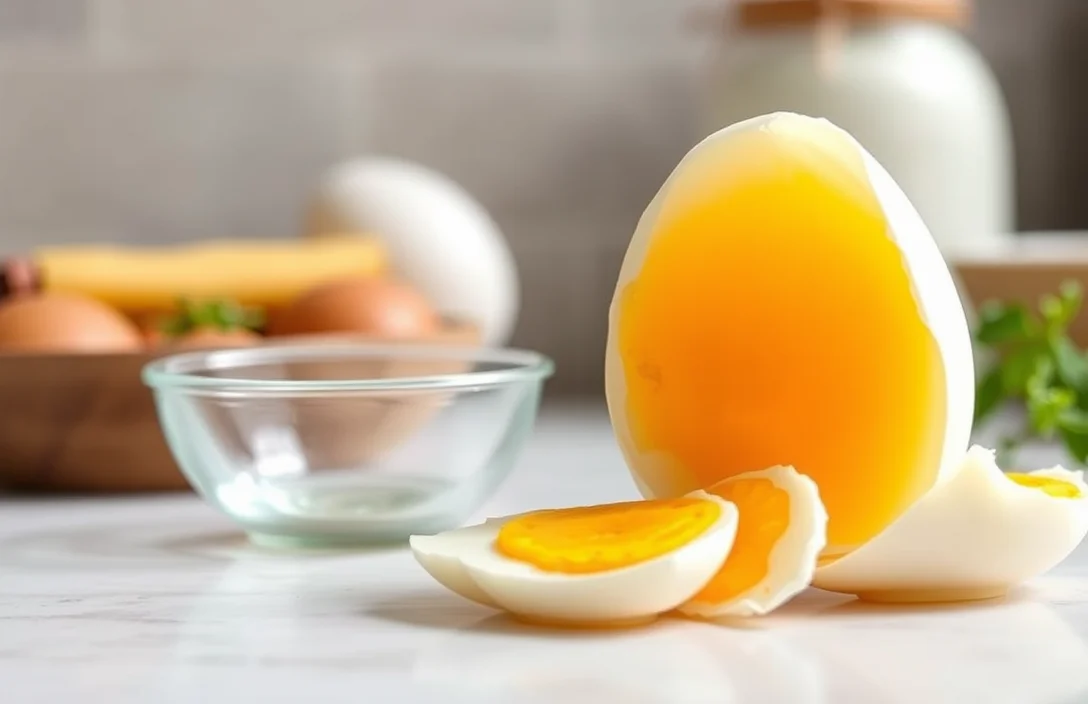
Seventy percent of Americans have never mastered the perfect hard-boiled egg. This simple yet essential skill can elevate your cooking game, whether you’re preparing for a quick breakfast or a picnic. Learning how to do it right ensures delicious results every time.
Boiling eggs requires freshness, timing, and cooling methods for the best outcome. Follow these easy steps to achieve the perfect hard-boiled egg without cracking or overcooking.
Selecting Fresh Eggs for Boiling
Fresh eggs make the best hard-boiled results. Look for eggs that are clean and have intact shells. Check the sell-by date on the carton; fresher eggs produce better flavor and texture. Ideally, eggs should be within a few weeks of this date for optimal cooking.
Firmness indicates freshness. Gently press on the shell; it should feel solid and not give easily. If the shell is soft or dented, choose a different egg. Fresh eggs also have a more vibrant yolk, which contributes to a visually appealing dish.
Egg size can affect cooking time. Standard large eggs are common, but if you opt for jumbo or medium, adjust boiling times accordingly. Familiarize yourself with the different sizes to ensure perfectly cooked eggs every time.
Understanding Boiling Water Temperature
Boiling water temperature is crucial for achieving perfect eggs. Water needs to reach a rolling boil, typically around 212°F (100°C) at sea level. This consistent temperature ensures that the eggs cook evenly, preventing any overcooking or undercooking. Using a pot with a lid can help achieve this temperature faster while minimizing energy consumption.
Maintaining a gentle boil is important during the cooking process. Once the water reaches a rolling boil, reduce the heat slightly to avoid vigorous bubbling, which can cause the eggs to bounce around and crack. A gentle boil will keep the eggs submerged and cooking evenly without risking damage to the shells.
Checking the water temperature regularly can help maintain the right conditions. If you notice the water cooling down too much during cooking, increase the heat slightly to bring it back to a gentle boil. This attention to detail will lead to consistently successful results every time you hard boil eggs.
Recommended Cooking Times for Hard Boiling
Perfectly timing your eggs is crucial for achieving that ideal hard-boiled texture. Follow these suggested cooking times based on how you prefer your yolk. Adjust these times slightly if you’re using extra-large or jumbo eggs.
- Six minutes: For a creamy, slightly soft center.
- Eight minutes: For a firmer, yet not completely dry yolk.
- Ten minutes: For a fully set yolk without any greenish tint.
- Twelve minutes: If you prefer a more crumbly texture but still moist.
Monitoring the timer is essential to avoid overcooking, which leads to that unappealing green ring around the yolk. Testing different times will help you find your personal preference, so don’t hesitate to experiment!
Using the Ice Bath Method
Cooling eggs quickly after boiling prevents overcooking and enhances texture. An ice bath halts the cooking process immediately, resulting in perfectly firm whites and creamy yolks. Follow these steps to create an effective ice bath for your hard-boiled eggs.
- Prepare a large bowl filled with ice and water. Use enough ice to ensure the water stays cold for a while, making it more effective.
- Remove the boiled eggs from the hot water using a slotted spoon or tongs. Be careful to avoid burns while handling the hot eggs.
- Immediately transfer the eggs into the ice bath. Ensure they are fully submerged to cool them quickly and evenly.
- Let the eggs sit in the ice bath for at least 5-10 minutes. This cooling time helps prevent the yolks from turning green and enhances peeling later.
Following this method ensures your eggs are perfectly cooked and easy to peel. With practice, you’ll master the technique and enjoy delicious hard-boiled eggs every time.
Tips for Easy Egg Peeling
Start peeling from the wider end. This area usually contains an air pocket, making it easier to break the shell. Gently tap the egg on a hard surface, then roll it to crack the shell all over. This technique helps separate the shell from the egg white more effectively.
Next, run the cracked egg under cold water. The cool water helps to further loosen the shell, allowing it to slide off more easily. While peeling, keep the egg submerged in water or near the faucet for added moisture, which can help reduce any sticking.
Practice makes perfect with peeling. If you find some eggs more challenging than others, don’t be discouraged. Factors like egg freshness can affect peelability. Older eggs generally peel more easily compared to fresh ones. Keep experimenting to discover what works best for you!
Proper Storage of Hard Boiled Eggs
Store hard-boiled eggs in a clean, airtight container. Keeping them sealed prevents odors from other foods in your refrigerator from affecting their flavor. This simple step helps maintain their freshness for up to one week. Label the container with the date you boiled them, so you can easily track their freshness.
Place them in the refrigerator as soon as they cool down. Allowing the eggs to sit out at room temperature for too long increases the risk of bacterial growth. Ideally, refrigerate them within two hours of cooking to ensure safety.
Peeling eggs before storage can lead to quicker spoilage. Whole eggs retain moisture and flavor better than peeled ones. If you must peel them, wrap each egg in plastic wrap to help maintain their quality.
Discard any eggs that show signs of spoilage. A foul odor or unusual appearance indicates they are no longer safe to eat. Trust your senses; if something seems off, it’s better to err on the side of caution.
Avoiding Common Hard Boiling Mistakes
Overcooking eggs results in a greenish ring around the yolk. To avoid this, keep an eye on the cooking time. For large eggs, aim for 9 to 12 minutes, depending on your desired firmness. Removing them promptly from the heat and placing them in an ice bath effectively halts the cooking process and prevents overcooking.
Freshness significantly impacts the ease of peeling. Older eggs tend to peel more easily because the pH level increases, causing the membrane to separate from the shell. If you want to make peeling easier, consider using eggs that are at least 5-7 days old.
Temperature discrepancies create uneven cooking. Ensure your eggs are at room temperature before boiling to achieve consistent results. If you store them in the refrigerator, let them sit out for about 30 minutes prior to cooking.
Water levels can affect cooking efficiency. Fill the pot with enough water to cover the eggs by at least an inch. Insufficient water may lead to uneven cooking and possible cracking during the boil.
Cooling methods can greatly influence texture. After boiling, immediately transfer the eggs to an ice bath. This step not only stops the cooking but also makes peeling easier, which is crucial for presentation and enjoyment.
Quick Summary
- Start with eggs that are at least a week old for easier peeling.
- Place eggs in a single layer in a pot and cover with cold water by an inch.
- Bring the water to a rolling boil over medium-high heat.
- Once boiling, remove from heat, cover, and let sit for 9-12 minutes depending on desired doneness.
- Transfer eggs to an ice bath immediately after cooking to stop the cooking process.
- Peel eggs under running water for easier removal of the shell.
- Store hard-boiled eggs in the refrigerator for up to one week.
Frequently Asked Questions
How long should I boil the eggs for hard-boiled results?
For perfectly hard-boiled eggs, bring a pot of water to a gentle boil and add the eggs. Boil them for about 9 to 12 minutes, depending on the size of the eggs and how well-done you prefer the yolk.
How can I tell if the eggs are fresh?
A simple freshness test is to place the eggs in a bowl of water. Fresh eggs will sink and lay flat on the bottom, while older eggs will stand upright or float. If they float, it’s best to discard them.
What’s the best way to prevent the eggs from cracking while boiling?
To minimize the chances of cracking, make sure to start with eggs at room temperature and gently lower them into the boiling water using a spoon. You can also add a teaspoon of vinegar or salt to the water to help seal any cracks that may form.
How do I cool the eggs quickly after boiling?
Once the eggs are done boiling, immediately transfer them to a bowl of ice water or place them under cold running water for about 5 to 10 minutes. This stops the cooking process and makes peeling easier.
What’s the easiest way to peel hard-boiled eggs?
To peel hard-boiled eggs easily, crack the shell gently by tapping it on a hard surface, then roll it between your hands to loosen the shell. Start peeling from the wider end, where there is usually an air pocket, which can help you remove the shell more smoothly.
