
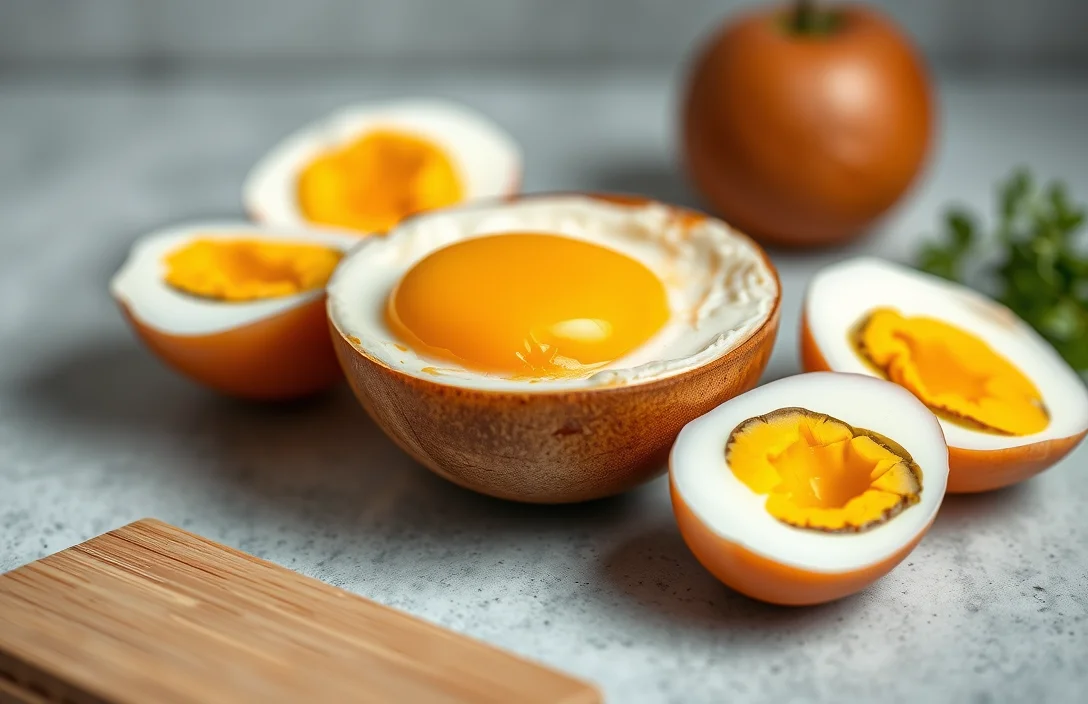
Reheating boiled eggs correctly can preserve their texture and flavor, preventing that rubbery consistency many dread. Many people underestimate the simple yet effective methods available, leading to unsatisfactory results when reheating this popular snack. Understanding these techniques can enhance your culinary experience significantly.
Key methods include microwaving for quick results, steaming to maintain moisture, and boiling in water. Each method offers different textures, ensuring you can enjoy your boiled eggs just how you like them, even after refrigeration.
Microwave Reheating Method
Microwave reheating provides a quick solution for enjoying boiled eggs without losing flavor or texture. Follow these steps to efficiently warm your eggs using this method.
- Place boiled eggs in a microwave-safe bowl. Ensure they are not touching to allow even heating.
- Add water to the bowl, enough to cover the eggs halfway. This prevents the eggs from drying out during reheating.
- Cover the bowl with a microwave-safe lid or plate. This helps retain steam, which aids in the heating process.
- Set the microwave to medium power. High power can lead to uneven heating or even exploding eggs.
- Heat the eggs for 30 seconds. Afterward, check the warmth and repeat heating in 15-second intervals if needed.
Monitor the eggs closely to avoid overheating, which can result in a rubbery texture. Once heated to your liking, enjoy your perfectly reheated breakfast!
Boiling Water Technique
Fill a pot with water, ensuring it’s enough to submerge the eggs fully. Bring the water to a gentle boil over medium heat. Once boiling, remove the pot from heat. This technique preserves moisture and warmth without risking overcooking the eggs.
Carefully place the boiled eggs into the pot using a slotted spoon or tongs. Allow them to sit in the hot water for approximately 10-15 minutes. This method gently warms the eggs, allowing for even heating throughout.
Check the eggs for warmth after the designated time. If they still feel cool, leave them in the hot water for an additional 5 minutes. Avoid boiling the water again, as this can lead to a rubbery texture.
Remove the eggs from the water using your slotted spoon or tongs. Allow them to cool slightly before peeling, if necessary. This technique makes reheating boiled eggs efficient and maintains their delicious flavor and texture.
Oven Reheating Steps
Preheat your oven to 300°F (150°C). This temperature is ideal for gently warming boiled eggs without cooking them further. Place the eggs directly on the oven rack or on a baking sheet lined with parchment paper, ensuring they do not touch to allow even heat distribution.
Monitor the reheating time closely. Typically, it takes about 10-15 minutes to properly warm the eggs. To check if they are heated through, carefully remove one from the oven and test it by touching the shell. If it feels warm to the touch, they are ready to enjoy.
Consider covering the eggs with aluminum foil. This method helps retain moisture, preventing the eggs from drying out during the reheating process. Additionally, using a foil tent can also provide a buffer against direct heat.
Remove the eggs carefully using tongs or a heat-resistant glove. Avoid using bare hands, as the shells can become hot. Once removed, let them rest for a minute before peeling or slicing to prevent burns.
Stovetop Heating Tips
Fill a saucepan with water, ensuring it covers the eggs completely. Bring the water to a gentle simmer over medium heat. This method allows for even heating, ensuring your eggs warm thoroughly without becoming overcooked. Using simmering water prevents the eggs from bouncing around and cracking.
Carefully place the boiled eggs into the simmering water using a slotted spoon or tongs. Avoid dropping them in, which can lead to breakage. Allow the eggs to heat for about 5-7 minutes, depending on their size and how cold they are from refrigeration.
- Keep the heat low to prevent boiling.
- Consider covering the saucepan for faster heating.
- Monitor the time closely to avoid overheating.
Remove the eggs from the water using a slotted spoon. Let them cool slightly before peeling or serving. This stovetop method ensures your eggs retain a tender texture, making them ready for your meal.
Avoiding Rubberiness
Maintaining moisture is crucial while reheating boiled eggs to prevent rubberiness. Instead of using high heat, opt for a gentle method, such as steaming or microwaving with a damp paper towel. This technique ensures the eggs remain tender and flavorful without becoming overcooked.
Using a microwave effectively requires specific settings. Set the microwave to low power or use the defrost function to slowly warm the eggs. Aim for short intervals, checking frequently until they reach the desired temperature. This method reduces the risk of toughening the egg whites.
Steaming provides an excellent alternative to microwaving. Place the eggs in a steaming basket over simmering water for about 5 minutes. The steam keeps the eggs moist and enhances their texture, making them nearly as enjoyable as when freshly boiled.
Covering boiled eggs during reheating is essential, regardless of the method. A lid or wrap traps steam, which helps maintain moisture levels. This simple step can significantly improve the final texture, ensuring each bite is delicious and satisfying.
Timing for Perfect Heat
Achieving the right timing ensures optimal texture when reheating boiled eggs. Each method requires specific durations to prevent overcooking and maintain a delicate consistency. Follow these guidelines for the best results.
- Boiling water method: Heat water until just boiling, then remove from heat. Place eggs in water for 10 to 12 minutes. This gentle approach warms them evenly without cooking further.
- Microwave method: Set the microwave to medium power. Heat eggs for 30 seconds initially, then check. If needed, continue in 10-second increments to avoid overheating.
- Oven method: Preheat the oven to 300°F (150°C). Place eggs in a baking dish and warm for 15 minutes. This method allows for even heating and a consistent temperature throughout.
- Steaming method: Bring water to a boil in a steamer. Steam eggs for about 6 to 8 minutes. This technique provides a moist environment that prevents rubberiness.
- Pan method: Heat a small amount of oil or butter in a skillet over low heat. Add the eggs and cover, cooking for approximately 5 minutes, flipping halfway for even heating.
Best Serving Suggestions
Pair reheated eggs with fresh ingredients for an exciting breakfast. Consider topping sliced eggs with avocado, a sprinkle of salt, and a drizzle of olive oil. This combination adds creaminess and healthy fats, enhancing the dish’s flavor profile.
Incorporate reheated eggs into a breakfast burrito. Wrap them in a tortilla with sautéed vegetables, cheese, and salsa. This hearty option provides a filling meal that can be enjoyed on the go.
Serve reheated eggs alongside sautéed greens. Spinach or kale sautéed with garlic complements the richness of the eggs while adding a nutritious element to your plate. This combination is not only visually appealing but also packed with vitamins.
Transform reheated eggs into a salad topping. Slice them and toss them over mixed greens with your favorite dressing. This light and refreshing option works well for brunch or a quick lunch.
Consider creating a savory egg sandwich. Layer reheated eggs with cheese, tomato, and leafy greens between two slices of whole-grain bread. This satisfying meal is perfect for those seeking a hearty option to kick-start their day.
Quick Summary
- Boiled eggs can be reheated safely within a week of cooking.
- Use the steaming method for even reheating without overcooking.
- Microwave reheating is quick but requires careful timing to avoid rubbery texture.
- Submerging boiled eggs in hot water is an effective way to warm them up.
- Always peel eggs after reheating for better texture and flavor.
- Check the internal temperature; it should be warm but not hot to the touch.
- Consider seasoning or pairing with sauces for enhanced taste when reheating.
Frequently Asked Questions
How can I reheat boiled eggs without overcooking them?
The best way to reheat boiled eggs is to place them in a bowl of warm water for about 10-15 minutes. This gentle method helps warm the eggs evenly without the risk of overcooking.
Can I use a microwave to reheat boiled eggs?
Yes, you can use a microwave, but it’s important to do so carefully. Place the boiled egg in a microwave-safe bowl with a little water and cover it with a microwave-safe lid, heating it in short intervals to avoid exploding eggs.
Should I peel the boiled eggs before reheating?
It’s usually best to leave the shells on while reheating to prevent the eggs from drying out. However, if you prefer, you can peel them, just ensure you reheat them gently to maintain moisture.
How long can I store boiled eggs before reheating?
Boiled eggs can be stored in the refrigerator for up to one week. Make sure they are kept in a sealed container to maintain freshness before you decide to reheat them.
Is it safe to reheat boiled eggs multiple times?
It is not recommended to reheat boiled eggs multiple times as this can compromise their texture and safety. It’s best to only reheat them once and consume them promptly after reheating.
