
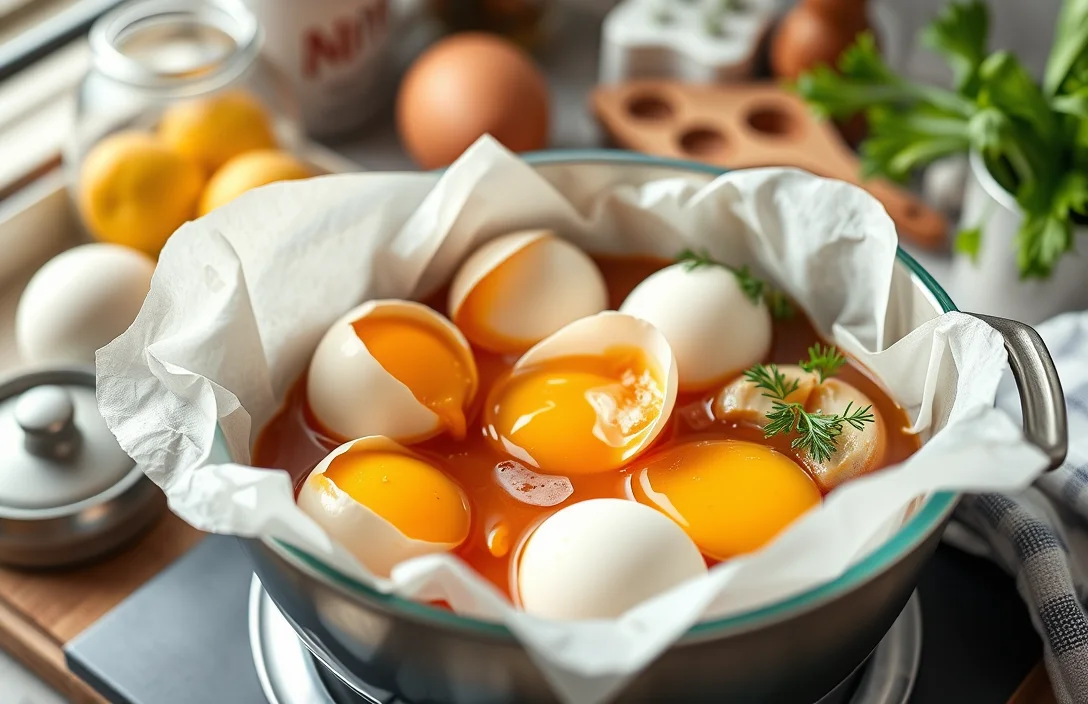
Studies show that perfectly boiled eggs can be achieved with just the right timing and temperature, ensuring you achieve your desired yolk consistency every time. Mastering this technique can elevate your cooking skills and enhance your meals, making eggs a versatile staple in your kitchen.
Boiling eggs involves starting with cold water, maintaining a rolling boil, and timing carefully based on your preferred doneness. For soft-boiled, aim for 6-7 minutes; for hard-boiled, 9-12 minutes works best. Cooling them in ice water is essential to stop the cooking process.
Boiling Times for Soft and Hard Eggs
Soft and hard boiled eggs require precise timing for optimal results. For soft boiled eggs with a runny yolk, aim for 4 to 6 minutes of boiling. Start by bringing a pot of water to a rolling boil and gently lower the eggs in using a slotted spoon to prevent cracking.
Hard boiled eggs need longer cooking times. Boil them for 9 to 12 minutes, depending on your preferred firmness. Begin with cold water in the pot, bring it to a boil, and then reduce to a gentle simmer after adding the eggs. This method ensures even cooking and prevents grayish-green rings around the yolk.
Timing accuracy is crucial for achieving the desired consistency. Use a timer to monitor the cooking process closely. Once the eggs reach the target time, promptly transfer them to an ice bath. This stops the cooking process and makes peeling easier later.
Adjustments may be necessary based on your stove or altitude. Experimenting with a few batches will help you find the perfect timing for your preferences. Consider testing different brands of eggs, as freshness can also affect cooking times.
Testing Egg Freshness Before Boiling
Freshness of eggs significantly impacts their cooking quality. An easy method to determine if eggs are still good involves using water. Fill a bowl with water and gently place the eggs inside. Fresh eggs will sink to the bottom and lay flat, while older eggs will stand upright or float. Discard any that float, as they are likely spoiled.
Another technique involves checking for cracks. Inspect the eggs for any visible damage or cracks in the shell. Cracked eggs can harbor bacteria, making them unsafe for consumption. If you notice any cracks, it’s best to discard those eggs before boiling.
Smelling the eggs provides a quick freshness check. Break an egg open into a bowl and take a whiff. A rotten egg will emit a strong, unpleasant odor. If the egg smells bad, do not use it for boiling, as this indicates spoilage.
Lastly, consider the expiration date. Always check the carton for the sell-by or expiration date. Although eggs can last beyond this date if stored properly, they’re best consumed fresh for optimal flavor and texture in your boiled eggs.
Choosing the Best Pot for Boiling Eggs
Stainless steel pots are ideal for boiling eggs. They distribute heat evenly, preventing hot spots that can lead to uneven cooking. Look for a pot that has a heavy bottom to maintain temperature stability. A lid is also essential to trap heat, which helps bring water to a boil quicker.
Size matters when selecting your pot. Choose one that can comfortably hold the number of eggs you plan to cook without overcrowding. A larger pot allows water to circulate around each egg, ensuring even cooking and preventing cracking. Aim for a pot that holds at least 3-4 quarts for best results.
Non-stick options can also be beneficial. They make for easier cleanup and reduce the chances of eggs sticking to the bottom. Ensure the non-stick coating is high-quality to withstand heat without degrading. Avoid using metal utensils inside non-stick pots to maintain the coating’s integrity.
Lastly, consider clear glass lids for visibility. They allow you to monitor the boiling process without lifting the lid. This helps maintain consistent heat and prevents excessive evaporation. Choosing the right pot enhances the overall boiling experience, contributing to perfectly boiled eggs.
Understanding Water Temperature for Boiling
Starting water temperature significantly impacts egg cooking. Cold water leads to uneven cooking, while hot water ensures a consistent boil. For optimal results, begin with room temperature eggs and water. This practice promotes even cooking, reducing the chances of cracking during the boiling process.
Maintaining a rolling boil is crucial. Once water reaches boiling point, adding eggs can lower the temperature, so monitor carefully. Adjust heat as needed to sustain the boil throughout the cooking time. This consistency helps achieve the desired doneness without overcooking.
Testing water temperature with a thermometer can be beneficial. Ideal boiling occurs at 212°F (100°C) at sea level. Higher altitudes may require adjustments due to lower boiling points. Understanding these variations can further enhance your ability to achieve perfectly boiled eggs.
Remember, preheating water saves time. If using cold eggs, placing them in a pot with cold water and gradually heating helps prevent cracking. This method allows for better control over cooking, leading to more reliable results each time.
Benefits of Adding Salt or Vinegar
Enhancing the boiling process improves results dramatically. Adding salt or vinegar during the boiling stage can help prevent cracking, improve flavor, and enhance the peeling process. Both ingredients work by altering the pH and creating a more favorable cooking environment for eggs.
- Salt raises the boiling point of water slightly, which can lead to more even cooking. This ensures that the eggs cook uniformly throughout, reducing the risk of undercooked centers.
- Vinegar helps to coagulate proteins in the egg whites quickly. When an egg cracks, the vinegar minimizes the mess by keeping the egg white contained, making for a cleaner cooking experience.
- Flavor enhancement occurs when salt is added, which can make your eggs taste better. The subtle salty flavor permeates the egg, providing a richer taste that pairs well with various dishes.
- Peeling becomes easier with vinegar. When eggs are boiled in the presence of vinegar, the shells can separate from the egg whites more easily, reducing frustration during the peeling process.
Cooling Techniques After Boiling Eggs
Immediate cooling prevents overcooking after boiling eggs. To achieve this, place the eggs in an ice bath right after removing them from boiling water. The cold water halts the cooking process, ensuring the yolk remains perfectly creamy.
Using ice cubes enhances the cooling effect. Fill a bowl with cold water and add ice cubes, ensuring there’s enough space for the eggs. Submerge the eggs for at least five to ten minutes for optimal cooling.
Alternately, running cold water over the eggs works effectively. Hold the eggs under a steady stream for several minutes. This method is quick and convenient, especially if you don’t have ice readily available.
Timing is crucial in cooling. Leaving eggs in the ice bath too long can lead to a rubbery texture. Keep a close eye on the clock and remove them once cooled, typically after ten minutes.
Choosing the right container matters too. A shallow bowl maximizes exposure to cold water, speeding up the cooling process. Ensure the eggs are fully submerged to enhance efficiency.
Peeling Techniques for Perfectly Boiled Eggs
Shells release cleanly after shocking when you use the spoon method: tap the egg to crack all around, make a small opening at the wider end, slide a teaspoon under the shell against the membrane, and rotate to peel the shell away in one smooth motion. Try it once and you’ll see why it’s the best way boil eggs.
- Tap firmly but controlled around egg to create even cracks.
- Make a one-centimeter opening at the wider end to access the air pocket.
- Slide a spoon head between shell and membrane, hugging the curve.
- Rotate the spoon while lifting gently so shell peels off intact.
Quick Summary
- Start with fresh eggs for optimal results.
- Place eggs in a single layer in a pot and cover with cold water.
- Bring the water to a boil, then cover the pot and remove from heat.
- Let the eggs sit in the hot water for 9-12 minutes, depending on desired doneness.
- Immediately transfer eggs to an ice bath to stop cooking and make peeling easier.
- Peel eggs under running water for a smoother process.
- Store any leftover boiled eggs in the refrigerator for up to one week.
Frequently Asked Questions
What is the best way to boil eggs?
The best way to boil eggs is to place them in a pot and cover them with cold water. Bring the water to a boil, then reduce the heat and simmer for the desired time based on how you like your yolk.
How long should I boil eggs for hard-boiled versus soft-boiled?
For hard-boiled eggs, simmer for about 9-12 minutes, depending on the size of the eggs. For soft-boiled eggs, aim for 4-6 minutes for a runny yolk.
Should I start with cold or hot water?
It is recommended to start with cold water to ensure the eggs heat gradually, reducing the risk of cracking. This method also helps achieve a more evenly cooked egg.
How can I prevent eggs from cracking while boiling?
To prevent cracking, ensure your eggs are at room temperature before boiling and avoid rapid temperature changes. You can also add a pinch of salt or vinegar to the water, which may help seal any cracks that form.
What is the best way to peel boiled eggs?
The easiest way to peel boiled eggs is to cool them in an ice bath immediately after cooking. Gently tap the egg on a hard surface to crack the shell, then roll it to loosen the shell before peeling under running water.
