
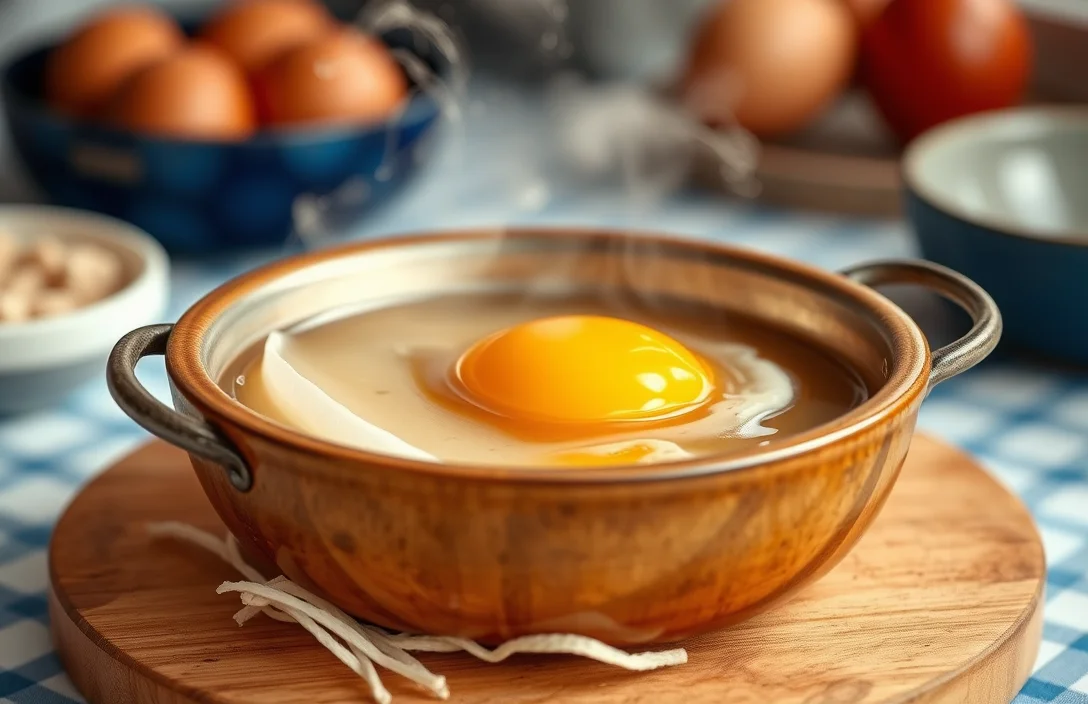
Seventy percent of Americans prefer eggs cooked to varying degrees, yet many struggle with achieving the perfect steam. Steaming eggs not only ensures a tender texture but also makes peeling easier, setting the stage for culinary success and satisfaction.
Mastering the technique involves proper timing, correct water levels, and optimal cooling methods. Follow these steps to enjoy perfectly steamed eggs every time.
Advantages of Steamed Eggs
Steaming eggs offers numerous health benefits. This cooking method maintains essential nutrients, making eggs a powerhouse of protein, vitamins, and minerals. Unlike frying, steaming minimizes the use of fats, promoting a healthier meal option. Enjoying steamed eggs can help in weight management and provide sustained energy throughout the day.
Texture plays a vital role in egg enjoyment. Steamed eggs yield a soft, custard-like consistency that appeals to many palates. Achieving the perfect texture is easier with steaming, as the gentle heat prevents overcooking. This results in a creamy, satisfying dish that pairs well with various ingredients.
Preparation time is another advantage. Steaming eggs typically takes less than 15 minutes, making it an efficient choice for breakfast or snacks. Quick cooking means you can enjoy delicious, nutritious meals without spending too much time in the kitchen. Streamlining your cooking process helps maintain a healthy diet even with a busy schedule.
- Lower fat content compared to frying.
- Retains more nutrients than boiling.
- Flexible for various flavor additions.
- Great for meal prepping and batch cooking.
Enjoying steamed eggs can enhance your meals. Versatile and adaptable, they can be served plain, seasoned, or incorporated into various dishes. This culinary technique promotes creativity while ensuring a wholesome dining experience.
Selecting Essential Steaming Equipment
Essential tools for steaming eggs include a steamer basket, a pot, and a lid. A steamer basket elevates the eggs above boiling water, preventing direct contact with heat. Look for models that fit snugly in your pot and allow steam to circulate freely around the eggs.
Investing in a dedicated electric steamer simplifies the process. These appliances often come with preset functions for eggs, ensuring consistent results. They typically feature multiple tiers, allowing you to steam several eggs at once without overcrowding.
Quality pots are crucial for effective steaming. Choose a heavy-bottomed pot that retains heat evenly, preventing hot spots. A lid that fits tightly helps trap steam, which is essential for cooking eggs perfectly.
Silicone egg molds are handy for shaping steamed eggs. These molds allow for creative presentations while ensuring eggs cook uniformly. Ensure they are heat-resistant and easy to clean for convenience.
Fine mesh strainers can also be useful. If you prefer steaming without a basket, a strainer allows steam to circulate while holding the eggs securely. This option is great for quick setups and minimal cleanup.
Preparing Eggs for Steaming
Cleaning eggs properly ensures a safe and flavorful result. Start by rinsing each egg under cool running water to remove any dirt or bacteria. Avoid using soap, as it can penetrate egg pores and affect the taste. Pat them dry with a clean towel to prevent water from interfering during the steaming process.
- Crack eggs carefully into a bowl. Use a sharp edge, like the rim of the bowl, to create a clean break. Avoid dropping shells into the mixture, as this can spoil the texture.
- Inspect the eggs for any signs of spoilage. Fresh eggs should have a firm yolk and a clear white. Discard any eggs that appear discolored or have an off smell.
- Season eggs to enhance flavor. Add a pinch of salt and pepper to taste. You can also incorporate herbs or spices for variety, adjusting according to personal preference.
Mix eggs gently before steaming to combine the yolks and whites evenly. This step is crucial for achieving a uniform texture after steaming, ensuring that each bite is consistent.
Determining Ideal Water Levels
Measuring the right amount of water ensures effective steaming. Proper water levels create the necessary steam to cook eggs without submerging them. Generally, using about one cup of water in a steamer basket is ideal for most egg-steaming methods. Adjustments may be needed based on the size of your steamer and the number of eggs being cooked.
- Fill the pot with water. Utilize about one cup (240 ml) for small to medium steamers. This amount produces sufficient steam without risking water overflow.
- Ensure the water does not touch. Place the steamer basket above the water level, ensuring the eggs remain dry while being cooked. Proper placement prevents boiling water from making direct contact with the eggs.
- Monitor water levels during steaming. Check periodically to ensure sufficient water remains in the pot. Add more hot water if needed, maintaining consistent steam throughout the cooking process.
Adjusting water levels based on your specific steamer can improve results. If using a larger steamer or cooking more eggs, slightly increase the water amount while still avoiding direct contact. Following these guidelines leads to perfectly steamed eggs every time.
Timing for Perfectly Steamed Eggs
Soft-boiled eggs need exactly 6 minutes for a runny yolk in large eggs; 7–8 minutes gives a jammy yolk, and 11–12 minutes produces fully set hard-cooked yolks. Adjust by ±30 seconds for medium or small eggs and add 60 seconds for extra-large. For peeled eggs subtract 30–60 seconds. For high altitude add 30–60 seconds.
Start timing once steam is steady and eggs sit in the basket; do not count before vigorous steam reaches the eggs. Use an accurate timer and immediately plunge eggs into an ice bath for at least five minutes to stop carryover cooking and make peeling easy. Log timings and tweak by 15–30 seconds for your pot and steamer.
Large cold eggs require adding 30 seconds to the baseline times; room-temperature eggs match the schedule and yield more consistent yolks, so standardize egg size and starting temperature to avoid unpredictable doneness.
Mastering Temperature Control
Maintaining optimal steaming temperatures ensures eggs cook evenly and achieve the desired texture. Using a reliable steam source, such as a steamer basket or electric steamer, provides consistent heat. Monitor the water level during the process, as insufficient water can lead to temperature fluctuations, affecting the final result.
Utilize a thermometer to check steam temperature, especially if using stovetop methods. Ideal steaming temperatures range from 212°F (100°C) to 240°F (115°C). Keeping track of the temperature can prevent overcooking and help achieve perfect results.
- Monitor steam output regularly to ensure consistency.
- Adjust heat settings as needed to maintain temperature.
- Cover the pot or steamer to retain heat effectively.
- Check the water level before starting; refill if necessary.
Utilizing these temperature control techniques will lead to perfectly steamed eggs, enhancing your cooking experience. Focus on precision and consistency for the best results each time.
Creative Serving Suggestions
Serving steamed eggs can elevate any meal. Incorporate them into rice bowls for a protein boost, or add them to salads for a creamy texture. Pair with sautéed vegetables for a nutritious breakfast. The options are vast, allowing you to incorporate this dish seamlessly into your culinary repertoire.
Transform breakfast by layering steamed eggs with avocado and smoked salmon on toast. This combination creates a delightful blend of flavors and textures, making it a gourmet morning treat. Drizzle with lemon juice or a sprinkle of fresh herbs for added freshness.
Enhance ramen dishes by placing sliced steamed eggs atop the noodles. The soft, creamy yolk complements the broth beautifully, enriching the flavor profile. Garnish with green onions and sesame seeds for an authentic touch.
Consider mini steamed egg custards for appetizers or side dishes. Serve them in small cups, garnished with soy sauce and scallions. This presentation not only looks appealing but also makes for easy portioning during gatherings.
Experiment with seasoning by introducing different spices or sauces, such as chili oil or miso paste. Adjusting flavors can create unique profiles that cater to various palates, ensuring enjoyment for everyone at the table.
Common Mistakes to Avoid
Overcooking eggs is a common error. Steaming requires precise timing to ensure the perfect consistency. Monitor the steaming process closely, as different stove settings and pot sizes can affect the cooking time. Aim for about 12-14 minutes for large eggs, adjusting as needed for smaller or larger sizes.
Ignoring the importance of water can lead to mishaps. Always ensure there is enough water in your steamer to avoid running dry during the cooking process. Insufficient water can result in uneven cooking or burnt eggs, ruining the desired outcome.
Using cold eggs straight from the fridge can cause issues. Allow eggs to sit at room temperature for about 10-15 minutes before steaming. This practice helps in achieving more uniform cooking and prevents cracking due to sudden temperature changes.
Skipping the ice bath after steaming can impact texture. Immediately transferring eggs to an ice bath halts the cooking process, ensuring that they do not overcook. This step is crucial for achieving that tender, creamy texture that makes steamed eggs delightful.
Neglecting to season eggs before serving can diminish flavor. While steaming enhances the egg’s natural taste, adding salt and pepper or herbs beforehand elevates the dish. Experiment with various seasonings to find the perfect combination for your palate.
Quick Summary
- Choose the right eggs: Fresh eggs work best for steaming.
- Prepare the steamer: Use a bamboo or metal steamer and fill it with water.
- Steam time: Cook eggs for 12-15 minutes depending on desired doneness.
- Ice bath: Immediately place steamed eggs in an ice bath to stop cooking.
- Peeling: Let the eggs cool for a few minutes before peeling for easier removal.
- Season to taste: Enjoy eggs with salt, pepper, or other seasonings as desired.
Frequently Asked Questions
1. What is the best method to steam eggs?
The best method to steam eggs is to use a steamer basket over boiling water. Place the eggs in the basket, cover, and steam for about 12-15 minutes for hard-boiled eggs or 6-8 minutes for soft-boiled eggs, depending on your preference.
2. How do I know when the eggs are done steaming?
You can use a timer to keep track of the steaming time. For hard-boiled eggs, aim for 12-15 minutes, and for soft-boiled, 6-8 minutes. You can also test doneness by placing an egg in cold water; if it sinks and lays flat, it’s done.
3. Should I put the eggs in cold or room temperature water?
It’s best to start with cold water, as this allows the eggs to heat gradually and reduces the risk of cracking. Once the water reaches a boil, you can place the eggs in the steamer basket to begin the steaming process.
4. Can I steam eggs directly in the pot without a steamer basket?
While it is possible to steam eggs directly in the pot, using a steamer basket is recommended for even cooking and to prevent the eggs from sitting in boiling water. If you don’t have a basket, you can improvise with a heatproof plate or a heat-safe colander.
5. What should I do after steaming the eggs?
After steaming, immediately place the eggs in an ice bath or run them under cold water. This helps stop the cooking process and makes peeling easier by contracting the egg inside the shell.
