
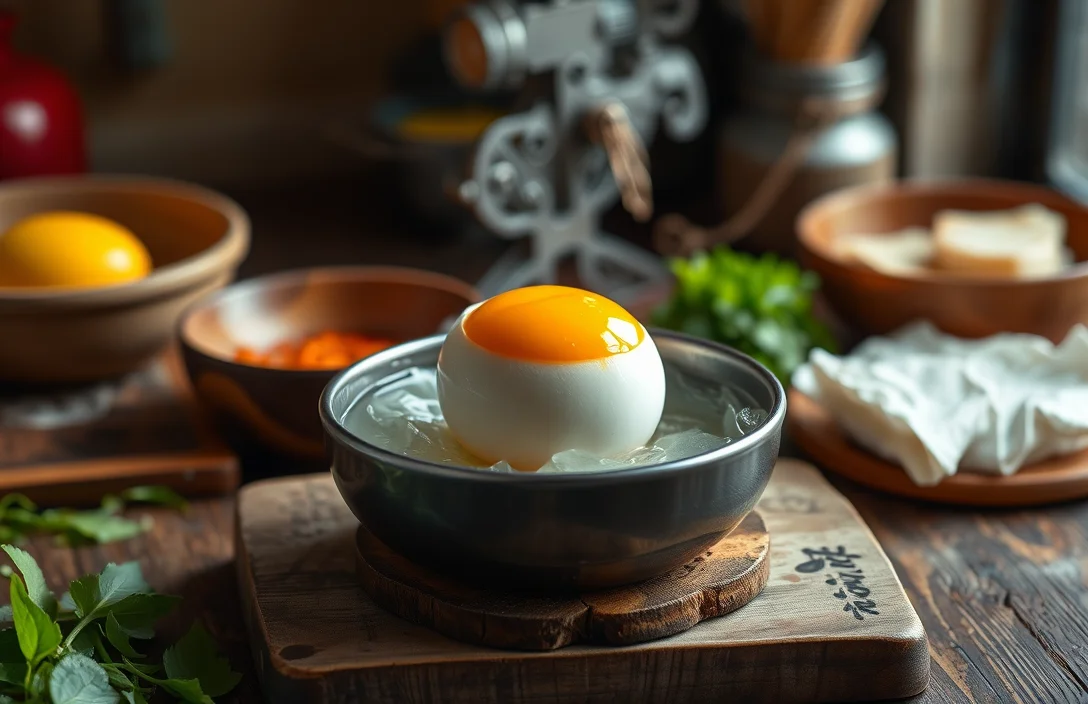
Steaming eggs can yield perfectly cooked, tender results in just minutes, making it one of the easiest and healthiest cooking methods. With the right technique, you’ll be enjoying delicious steamed eggs, ideal for busy schedules or quick meals.
Follow these key points: Use a steamer or a pot with a lid, set the timer for 6-10 minutes, and cool in ice water for easy peeling. Enjoy nutritious eggs in no time!
Understanding the Benefits of Steaming Eggs
Steaming eggs provides remarkable health benefits. This cooking method retains more nutrients compared to frying or boiling, ensuring you get the maximum nutritional value from your eggs. Steamed eggs are also lower in calories, making them an excellent choice for those watching their weight.
Texture plays a crucial role in enjoying eggs. Steaming results in a creamy, soft consistency that enhances the overall eating experience. Unlike boiling, which can lead to rubbery whites, steaming gently cooks eggs, delivering a perfect balance of firmness and tenderness.
- Retained nutrients enhance health benefits.
- Lower caloric content supports weight management.
- Soft texture improves overall enjoyment.
Cooking efficiency is another advantage. Steaming eggs takes less time than traditional methods, making it a convenient option for busy individuals. With just a few minutes needed, you can have perfectly cooked eggs ready for breakfast, lunch, or dinner.
Choosing the Right Types of Eggs
Fresh eggs work best for steaming. Look for eggs that are firm and free from cracks. Older eggs may result in runny whites and uneven cooking. Always check the expiration date and inspect the shell for any damage before use. Choosing high-quality eggs ensures better results in texture and flavor.
Medium to large eggs provide ideal results. These sizes typically yield the perfect balance of whites and yolks, resulting in a pleasing mouthfeel. If your recipe requires a specific egg size, follow that guidance to achieve consistent cooking. Smaller eggs may lead to quicker cooking times, while extra-large can take longer.
Organic or free-range eggs enhance flavor significantly. These options often have richer yolks and creamier whites, contributing to a more delicious dish. If possible, opt for eggs from local farms, as they tend to be fresher and have better overall quality. Investing in quality eggs can elevate your steaming technique.
Brown and white eggs are nutritionally similar. The color of the eggshell does not affect taste or cooking performance. Focus more on the quality and freshness rather than the shell color. Both types can deliver perfectly steamed eggs when cooked properly.
Gathering Essential Steaming Equipment
Steamer basket fits inside pot: use a 3-4-quart stainless pot with a tight-fitting lid, a heatproof steamer basket or rack, an accurate timer, and kitchen tongs or a slotted spoon for gentle handling. Include a bowl of ice and cold water for an instant stop bath. Use them to achieve consistent, repeatable texture when you practice how to steam egg.
Following the Step-by-Step Steaming Process
Position your steaming setup correctly. Place the steaming basket or rack in your pot, ensuring it’s above the water level. Water should not touch the eggs to prevent boiling. A few inches of water is usually sufficient, allowing steam to circulate freely around the eggs. Make sure the lid fits snugly to trap the steam.
- Fill your pot with water. Use enough water to create steam but not so much that it touches the eggs.
- Arrange the eggs in the steaming basket. If you’re steaming multiple eggs, ensure they are not overcrowded to allow even cooking.
- Cover the pot tightly with a lid. This step is key for maintaining steam and achieving soft whites.
- Turn on the heat. Bring the water to a boil, then lower the heat to maintain a gentle simmer.
- Set a timer based on your desired doneness. Typically, 6-8 minutes will yield soft whites with slightly runny yolks.
Monitor the steaming process closely. Adjust the heat as necessary to prevent the water from boiling too vigorously, which can lead to overcooked eggs. Stay attentive to ensure you achieve the perfect texture.
Adjusting Cooking Times for Desired Results
Cooking times vary based on egg size and personal preference. For large eggs, steaming for 6-7 minutes yields perfectly soft whites. If you prefer firmer whites, extend the time to 8-10 minutes. Medium eggs generally require a minute less, while extra-large eggs may need an additional minute, so adjust accordingly.
Experimenting with different steaming times helps you discover your ideal texture. Start with the recommended times and make notes of your results. If you find the whites too runny, increase the time slightly. Conversely, if they are too firm, reduce the steaming duration.
Monitoring the steaming process is crucial for achieving consistent results. Use a timer to track the cooking interval accurately. Once the timer goes off, carefully remove the eggs and transfer them to an ice bath. This stops the cooking process and helps maintain the desired doneness.
Visual cues also assist in perfecting your technique. Observe the whites closely; they should appear set but still glossy. Practicing these adjustments leads to greater confidence and mastery of steaming eggs, making it easier to cater to your personal taste.
Enhancing Flavor with Seasoning Options
Spices and herbs transform steamed eggs into a delightful dish. Start with simple ingredients such as salt and pepper for a basic flavor boost. Experiment with fresh herbs like chives, parsley, or cilantro to add brightness. A sprinkle of garlic powder or onion powder can also enhance taste without overwhelming the dish.
Accompanying sauces elevate flavors significantly. Soy sauce adds a savory umami touch, while sriracha or hot sauce introduces a spicy kick. For a creamier texture, drizzle a bit of mayonnaise or yogurt over the eggs just before serving. These additions make each bite more exciting and flavorful.
Cheese brings richness to steamed eggs. Crumbled feta, shredded cheddar, or grated parmesan can be sprinkled on top after steaming. This not only adds flavor but also creates a pleasing texture contrast. Incorporating a bit of cheese can turn a simple egg dish into a satisfying meal.
Experiment with citrus juice for a fresh twist. A few drops of lemon or lime juice can brighten the overall flavor profile. This acidity balances the creaminess of the eggs, making the dish feel lighter. Pairing with avocado slices or a fresh salad complements the meal beautifully.
Avoiding Common Mistakes in Steaming
Overcooking eggs is a common issue. To achieve perfectly steamed results, focus on timing and temperature control. Start by setting your steaming time according to the desired doneness. Soft-boiled eggs typically require about 6-7 minutes, while firmer yolks take closer to 9-10 minutes. Keep an eye on your clock for success.
- Use the right pot size. Select a pot that allows enough space for the steaming basket or rack. This ensures even steam circulation around the eggs.
- Monitor water levels carefully. Keep an eye on the water in the pot to prevent it from drying out during the steaming process. Add more water as needed to maintain consistent steam.
- Place eggs gently in the steamer. Avoid dropping them into the steaming basket to prevent cracks or damage. Use a spoon to lower them in safely.
- Cover the pot tightly. Ensure the lid fits snugly to trap steam inside. This helps maintain a consistent cooking environment, resulting in better texture.
- Cool eggs immediately after steaming. After the timer goes off, transfer the eggs to an ice bath or run them under cold water. This stops the cooking process and helps achieve the perfect soft texture.
Avoiding these pitfalls will help you steam eggs effectively, leading to delicious results each time!
Quick Summary
- Use fresh eggs for the best texture and flavor.
- Prepare a steamer or a pot with a steaming rack filled with water.
- Bring the water to a boil before adding the eggs to ensure even cooking.
- Steam the eggs for about 10-12 minutes depending on desired doneness.
- Immediately transfer steamed eggs to an ice bath to stop the cooking process.
- Peel the eggs under running water for easier shell removal.
- Season with salt, pepper, or your favorite toppings before serving.
Frequently Asked Questions
How do I steam eggs properly?
To steam eggs, fill a pot with about an inch of water and bring it to a gentle boil. Place a steamer basket on top, add the eggs, cover the pot, and steam for about 12-15 minutes, depending on how firm you want the yolks.
Can I steam eggs directly in water?
While you can boil eggs in water, steaming is preferred as it allows for more control over the cooking process. Steaming helps to avoid overcooking and results in tender whites and creamy yolks.
How do I know when the eggs are done?
Timing is key when steaming eggs. For soft-boiled eggs, aim for 6-8 minutes, and for hard-boiled eggs, 12-15 minutes. You can also test by removing one egg and cracking it open to check the doneness.
What should I do after steaming the eggs?
Once the eggs are done, transfer them to an ice bath to stop the cooking process and make peeling easier. Let them sit in the ice water for about 5-10 minutes before peeling.
Are there any tips for peeling steamed eggs?
For easier peeling, use eggs that are a few days old rather than fresh ones. After steaming and cooling, gently tap the eggs on a hard surface to create small cracks, then roll them to loosen the shell before peeling.
