
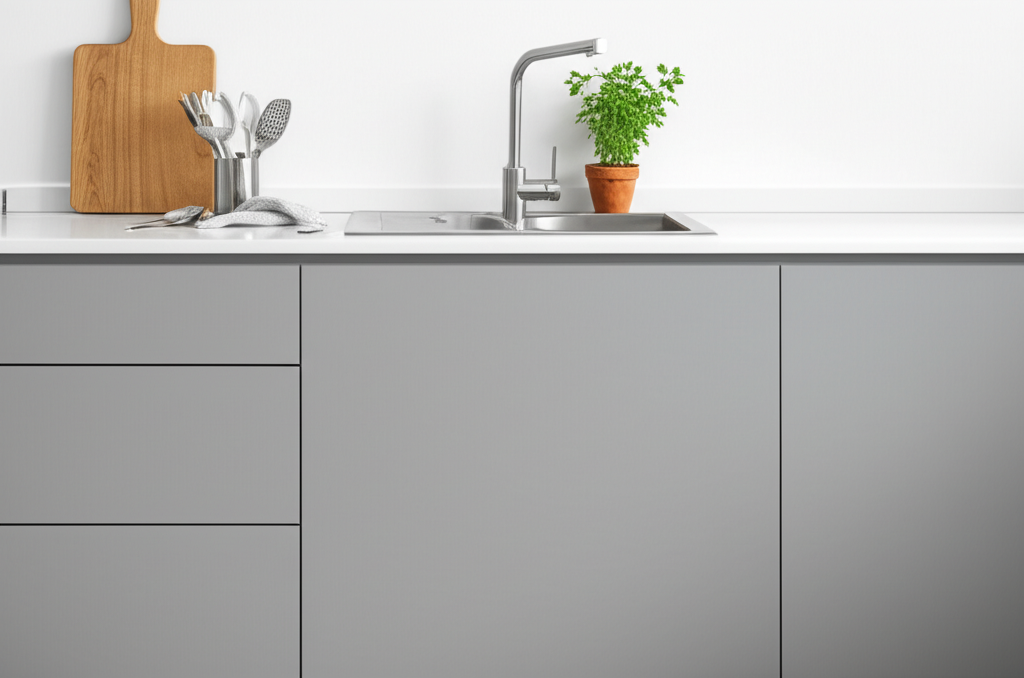
A kitchen is a functional space designed for food preparation and cooking. Key components include countertops, cabinets, a sink, a refrigerator, a stove or cooktop, and an oven. Essential tools and utensils are also vital for everyday cooking and meal creation.
Ever stood in your kitchen, or perhaps a friend’s, and wondered if you’re missing something crucial? Or maybe you’re planning a refresh and feel a little lost about what truly makes a kitchen tick. It’s a common feeling! Your kitchen is the heart of your home, but understanding its essential elements, from the big appliances to the tiny tools, can feel overwhelming. Don’t worry, we’re here to demystify it all. Think of this as your friendly guide to uncovering the “shocking” essentials that make a kitchen truly functional and enjoyable.
The Foundation: What Makes a Kitchen a Kitchen?
At its core, a kitchen is a dedicated space for preparing and cooking food. This means it needs specific features to make those tasks possible and safe. These foundational elements are non-negotiable for any functional kitchen, whether it’s a cozy cottage or a sprawling modern dwelling.
Essential Built-In Elements
These are the big players, the components that define the space as a kitchen. They provide the surfaces, storage, and utility needed for cooking.
- Countertops: These are your primary work surfaces. They need to be durable, easy to clean, and provide enough space for chopping, mixing, and plating. Common materials include laminate, quartz, granite, and butcher block. The standard countertop height in most kitchens is around 36 inches from the floor, which is designed to be comfortable for most adults when standing.
- Cabinets: Cabinets are crucial for storage. They house your dishes, cookware, pantry staples, and so much more. Kitchen cabinets are typically made from wood, MDF, or particleboard, and their depth is standardized for practicality. Base cabinets are usually 24 inches deep, while wall cabinets are often 12 to 13 inches deep. This depth allows for ample storage while maintaining adequate clearance for countertops and movement. For more detailed cabinet dimensions and considerations, resources like the National Kitchen & Bath Association (NKBA) offer valuable insights.
- Sink: No kitchen is complete without a sink for washing hands, food, and dishes. Sinks come in various styles, such as undermount, drop-in, or farmhouse, and materials like stainless steel, composite, or porcelain. They are typically installed in the countertop.
- Faucets: The faucet delivers water to your sink and is an essential utility. Modern faucets offer features like pull-down sprayers, touchless operation, and different spray patterns for convenience.
Major Appliances: The Workhorses
These are the appliances that do the heavy lifting in the kitchen, transforming raw ingredients into delicious meals.
- Refrigerator: This is where you store perishable foods to keep them fresh. From top-freezer models to side-by-side, French door, and built-in options, refrigerators come in many sizes and configurations to suit your needs and kitchen space.
- Stove/Cooktop: This is where the magic of stovetop cooking happens. It can be a standalone range (which includes an oven) or a separate cooktop installed into your countertop. Options include gas, electric coil, smooth-top electric, and induction cooktops, each offering different cooking experiences and energy efficiencies.
- Oven: Whether it’s part of a range or a separate wall oven, this appliance is essential for baking, roasting, and broiling. Similar to cooktops, ovens can be gas or electric.
- Microwave: While not strictly essential for all cooking, a microwave is incredibly convenient for reheating leftovers, defrosting, and quickly cooking certain foods. They can be countertop models, over-the-range units (often combined with a vent hood), or built-in wall units.
- Dishwasher: This appliance is a modern marvel that saves time and effort by washing your dishes. Most kitchens include a built-in dishwasher tucked neatly under the counter.
- Ventilation Hood/Range Hood: Crucial for removing smoke, steam, and odors from your cooking area, a vent hood or range hood improves air quality and keeps your kitchen smelling fresh. These are typically installed above the cooktop or range.
The Essential Tools: Making Cooking Possible
Beyond the built-in features and major appliances, a kitchen needs a good set of tools and utensils to actually prepare food. These are the items you’ll reach for every day.
Cookware: For the Heat
These are the vessels you use directly on your stovetop or in your oven.
- Saucepans: Essential for boiling water, making sauces, cooking grains, and simmering. A set typically includes a small (1-2 quart), medium (3-4 quart), and large (5-6 quart) saucepan, often with lids.
- Skillets/Frying Pans: Perfect for sautéing, searing, and frying. You’ll want at least one non-stick skillet and one stainless steel or cast iron skillet for versatility.
- Stockpot: A large, deep pot, ideal for making soups, stocks, stews, and boiling pasta.
- Baking Sheets: Flat metal pans used for baking cookies, roasting vegetables, and cooking sheet pan dinners.
- Casserole Dishes: Oven-safe dishes, usually made of ceramic, glass, or metal, for baking and serving dishes like lasagna or baked pasta.
Utensils: The Hands of the Kitchen
These are the smaller tools that help you manipulate food during preparation and cooking.
- Knives: A good chef’s knife is paramount for chopping, slicing, and dicing. A paring knife for smaller tasks and a serrated knife for bread are also highly recommended.
- Cutting Boards: Protect your countertops and knife blades with sturdy cutting boards. Having both wood and plastic options can be beneficial for food safety and different tasks.
- Measuring Cups and Spoons: Accuracy is key in baking and many cooking recipes. You’ll need sets for both dry and liquid ingredients.
- Mixing Bowls: A set of various sizes for combining ingredients, marinating, and serving. Stainless steel, glass, or plastic are common choices.
- Spatulas: For flipping, stirring, and scraping. Silicone spatulas are great for non-stick pans, while metal or plastic spatulas are good for general use.
- Whisks: For beating eggs, mixing batters, and creating smooth sauces.
- Spoons: Wooden spoons and slotted spoons are invaluable for stirring and serving.
- Tongs: Essential for gripping, flipping, and serving food safely, especially when dealing with hot items.
- Peeler: For easily removing the skin from fruits and vegetables.
- Can Opener: A manual or electric can opener is a must for accessing canned goods.
- Bottle Opener and Corkscrew: For opening various beverages.
Everyday Essentials: The Supporting Cast
These are the items that keep your kitchen running smoothly day-to-day.
- Dish Towels and Oven Mitts: For drying dishes, wiping counters, and safely handling hot cookware.
- Trash Can: A clean and accessible place to dispose of waste.
- Food Storage Containers: For storing leftovers and prepped ingredients in the refrigerator or pantry.
- Basic Cleaning Supplies: Dish soap, sponges, dish brushes, and surface cleaner to maintain hygiene.
Understanding Kitchen Layouts: Arranging Your Essentials
How your kitchen is laid out significantly impacts its functionality. The “work triangle” is a classic concept that connects the sink, refrigerator, and stove. The idea is to create an efficient flow between these primary work areas, minimizing unnecessary steps. While modern kitchens often incorporate variations, understanding this principle helps appreciate why certain appliances are placed where they are.
The ideal distance for each leg of the work triangle is typically between 4 and 9 feet, with the total length of the triangle between 13 and 26 feet. This ensures easy access without feeling cramped. For example, placing the refrigerator too far from the sink can make it cumbersome to put away groceries or grab ingredients for cooking.
Beyond the triangle, consider zoning. A baking zone might include your mixer and baking supplies near an outlet, while a prep zone would be ample counter space between the sink and stove.
Beyond the Basics: Enhancing Your Kitchen Experience
Once you have the core essentials covered, you can think about items that elevate your kitchen experience, making cooking more enjoyable and efficient.
- Small Appliances: Consider a blender for smoothies and soups, a toaster or toaster oven for quick breakfasts, a coffee maker for your morning brew, or a stand mixer if you love to bake.
- Organization Tools: Drawer organizers, spice racks, pot lid holders, and shelf risers can transform a cluttered kitchen into a streamlined space.
- Specialty Cookware: Depending on your cooking style, you might add a Dutch oven for braising, a wok for stir-fries, or a grill pan for indoor grilling.
- Serving Dishes and Utensils: Attractive platters, bowls, and serving spoons make entertaining easier and more enjoyable.
A Sample Kitchen Essentials Checklist
To help you visualize, here’s a quick checklist of common kitchen essentials. This isn’t exhaustive, but it covers many of the “shocking” basics you’ll find in most well-equipped kitchens.
| Category | Essential Items |
|---|---|
| Built-Ins & Major Appliances | Countertops, Cabinets, Sink, Faucet, Refrigerator, Stove/Cooktop, Oven, Microwave, Dishwasher, Ventilation Hood |
| Cookware | Saucepans (various sizes), Skillets/Frying Pans, Stockpot, Baking Sheets, Casserole Dishes |
| Utensils | Chef’s Knife, Paring Knife, Serrated Knife, Cutting Boards, Measuring Cups & Spoons, Mixing Bowls, Spatulas, Whisk, Wooden Spoons, Tongs, Peeler, Can Opener, Bottle Opener, Corkscrew |
| Everyday Essentials | Dish Towels, Oven Mitts, Trash Can, Food Storage Containers, Dish Soap, Sponges |
Frequently Asked Questions About Kitchen Essentials
Q1: What is the most important appliance in a kitchen?
A1: While subjective, the refrigerator is often considered the most critical appliance as it preserves food and prevents spoilage, which is fundamental to any kitchen’s purpose.
Q2: How much counter space do I really need?
A2: A good rule of thumb is to have at least 36 inches of continuous counter space for food preparation. Having landing zones next to your refrigerator, stove, and sink is also highly beneficial.
Q3: What kind of knives should a beginner have?
A3: A beginner can start with a good chef’s knife for most tasks, a paring knife for small jobs like peeling, and a serrated knife for slicing bread and tomatoes. Investing in quality over quantity is key.
Q4: Are there specific cabinet dimensions I should know?
A4: Yes, standard base cabinets are typically 34.5 inches high and 24 inches deep. Wall cabinets are commonly 12 to 13 inches deep and come in various heights like 30, 36, or 42 inches. These dimensions are designed for optimal storage and workspace.
Q5: What is the standard countertop height?
A5: The standard countertop height is 36 inches from the finished floor to the top of the counter. This height is comfortable for most adults when standing to prepare food.
Q6: Do I need a separate oven and cooktop, or is a range better?
A6: A range (which combines a cooktop and oven in one unit) is often more space-efficient and cost-effective for smaller kitchens or beginners. Separate cooktops and wall ovens offer more flexibility in layout and can be more ergonomic, but typically require more space and investment.
Conclusion: Your Kitchen, Your Sanctuary
So, there you have it! A look into the fundamental elements that make up a kitchen, from the sturdy countertops and essential appliances to the trusty tools that help you create culinary delights. It’s not about having every gadget imaginable, but about having the right foundation and the core tools that support your cooking journey. Whether you’re setting up your first kitchen or looking to optimize your current one, understanding these essentials empowers you to create a space that is both functional and a joy to be in. Your kitchen is more than just a room; it’s where nourishment, creativity, and memories are made. Equip it wisely, and enjoy the delicious process!
