
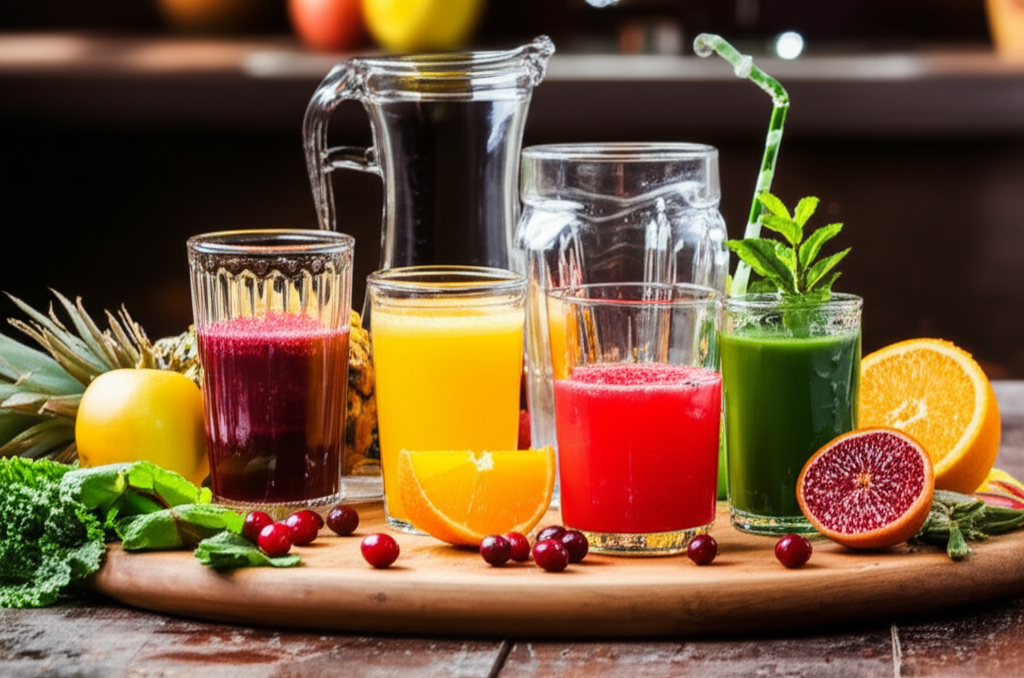
The best apples for juicing are varieties with a good balance of sweetness and tartness, firm flesh, and high juice content. Honeycrisp, Fuji, Gala, and Pink Lady are excellent choices for delicious, refreshing juice.
Ever stare at a bin of apples at the grocery store and wonder which ones will make the most delicious juice? It’s a common puzzle for anyone starting their juicing journey, or even for seasoned pros looking to mix things up. Getting the right apple can transform a simple drink into a sweet, vibrant treat. But choosing the wrong ones might leave you with a watery or bland result. Don’t worry, we’re here to make it simple! We’ll guide you through the best apple varieties for juicing, ensuring every sip is pure bliss.
Unlocking the Sweet Secret: What Makes an Apple Great for Juicing?
Before we dive into the star apple varieties, let’s understand what qualities we’re looking for. It’s not just about the taste; the apple’s structure plays a big role in how much juice you get and how easy it is to extract. Think of it like baking – the right ingredients make all the difference!
Here’s what makes an apple a juicing champion:
- Juice Content: Some apples are naturally meatier and hold more liquid. These are your goldmines for maximum juice yield.
- Firmness: Firm apples are easier to process in a juicer and tend to produce cleaner, less pulpy juice.
- Flavor Profile: A good balance of sweetness and tartness creates a well-rounded, enjoyable juice. Too much tartness can be overpowering, while too much sweetness can make it cloying.
- Aroma: A fragrant apple often means a more flavorful juice.
- Skin: The skin contains many nutrients, so apples with edible, thin skins are ideal.
The Star Players: Top Apple Varieties for Juicing
Ready for the big reveal? These apples are consistently praised for their juicing performance. They offer that perfect blend of flavor, juice, and ease of use that beginners and experts alike will appreciate.
1. Honeycrisp
Oh, Honeycrisp! These apples are a true delight, and their name says it all. They are renowned for their exceptionally crisp texture and a wonderfully balanced sweet-tart flavor. When juiced, they produce a remarkably clear and refreshing liquid with a vibrant aroma. Their high juice content means you get more bang for your buck (and your apples!).
- Flavor: Sweet with a pleasant tartness.
- Texture: Extremely crisp and juicy.
- Juicing Tip: Their firmness makes them easy to handle in any juicer.
2. Fuji
Fuji apples are another fantastic choice, originating from Japan. They are known for their exceptional sweetness, often described as honey-like, with just a hint of tartness to keep things interesting. They are also very firm and incredibly juicy, making them a reliable option for consistent results. Fuji juice is often a crowd-pleaser due to its approachable sweetness.
- Flavor: Very sweet with mild tartness.
- Texture: Firm, crisp, and juicy.
- Juicing Tip: Perfect for those who prefer a sweeter juice.
3. Gala
Gala apples are a popular variety for good reason! They offer a mild, sweet flavor that’s incredibly refreshing. While not as tart as some other options, their natural sweetness is delightful, and they boast a good juice yield. Their thinner skin means less waste and more of that delicious apple goodness in your glass. They are also widely available and budget-friendly.
- Flavor: Mildly sweet and aromatic.
- Texture: Crisp but can be slightly softer than Honeycrisp or Fuji.
- Juicing Tip: A great everyday juicing apple that’s easy to find.
4. Pink Lady (Cripps Pink)
Pink Lady apples are a bit of a showstopper, offering a delightful combination of sweetness and a distinct tartness that makes their juice complex and invigorating. They have a firm texture and are quite juicy. If you enjoy a juice with a bit of a zing, Pink Lady is your go-to. They also have a beautiful rosy hue that adds to their appeal.
- Flavor: Sweet with a sharp, tangy finish.
- Texture: Firm and crisp.
- Juicing Tip: Adds a lovely tart complexity to juice blends.
5. Golden Delicious
While the name suggests pure sweetness, Golden Delicious apples offer a pleasant, mild sweetness with a subtle tartness that makes them quite versatile for juicing. They are softer than some of the other top contenders but are still very juicy. Their thinner skin and ease of peeling (if you prefer) make them a convenient option. They blend beautifully with other fruits and vegetables.
- Flavor: Mildly sweet, sometimes with a hint of pear.
- Texture: Softer, crisp when fresh.
- Juicing Tip: Excellent for balancing stronger flavors in a juice mix.
Beyond the Stars: Other Juicing-Friendly Apples
While the varieties above are top-tier, don’t discount these other excellent options. Sometimes, variety is the spice of life, and these apples can add unique flavors and nutritional boosts to your juice creations.
- Granny Smith: Famous for its intense tartness and crispness. Excellent for adding a zesty kick to juice blends, especially when balanced with sweeter fruits.
- McIntosh: Offers a softer texture and a lovely, aromatic sweetness with a hint of tartness. They yield a good amount of juice but can be a bit softer, so they’re best used in a good juicer or blended.
- Empire: A cross between McIntosh and Red Delicious, Empire apples are crisp, juicy, and have a good sweet-tart balance, making them a solid all-around juicing apple.
- Braeburn: Known for its complex flavor, often described as spicy and aromatic with a good crunch. They are firm and juicy, offering a robust taste to your juice.
Apples to Approach with Caution (or Avoid) for Juicing
Not all apples are created equal when it comes to juicing. Some varieties, while delicious for eating, can be a bit trickier for juicing due to their texture or flavor profile.
- Red Delicious: While visually appealing, Red Delicious apples are often mealy and have a watery, bland flavor when juiced. They also have a thicker skin which can impact the juice quality.
- Older Varieties (sometimes): Apples that have been stored for a very long time can lose their crispness and juice content, making them less ideal for juicing.
It’s always best to use apples that are fresh and firm for the best juicing experience. You can often tell by how they feel in your hand – they should be firm and have a smooth skin.
Choosing Your Apples: A Quick Guide
When you’re at the market, keep these simple tips in mind:
- Look for firmness: Gently press the apple. It should feel firm, not soft or bruised.
- Check the skin: The skin should be smooth and free from significant blemishes or soft spots. A little bit of natural russeting is usually fine.
- Smell them: A good apple will have a pleasant, sweet aroma.
- Consider seasonality: Apples are typically best in the fall and winter, but many varieties are available year-round.
Juicing Apples: The How-To Guide for Beginners
Ready to get juicing? It’s easier than you think! We’ll walk you through the simple steps to create your own delicious, fresh apple juice.
What You’ll Need:
- Your chosen apples (washed thoroughly)
- A good quality juicer (centrifugal or masticating)
- A knife and cutting board
- A bowl or container for the juice
- A strainer (optional, if you prefer very clear juice)
Step-by-Step Juicing Process:
- Wash Your Apples: This is crucial! Rinse all your apples under cool running water. You can use a soft brush to gently scrub away any dirt. Since we’re juicing, it’s generally fine to leave the skins on for extra nutrients, especially with the varieties recommended.
- Prepare the Apples: For most juicers, you’ll need to cut the apples into smaller pieces that fit your juicer’s chute. Remove any stems. You can also core them if you prefer, although many juicers can handle the core. If your juicer requires smaller pieces, cut them into quarters or eighths.
- Feed Them into the Juicer: Turn on your juicer. Slowly and steadily feed the apple pieces into the chute. Don’t overfill it; let the juicer do its work.
- Collect the Juice: Your juicer will separate the juice from the pulp. Place a bowl or pitcher under the juice spout to collect your fresh creation.
- Strain (Optional): If you prefer a very smooth, clear juice with no pulp, you can pour it through a fine-mesh sieve or a nut milk bag.
- Serve and Enjoy! Pour your freshly pressed apple juice into a glass and savor the natural sweetness. For the best flavor and nutrient content, drink it immediately.
The Amazing Benefits of Fresh Apple Juice
Beyond the delicious taste, sipping on freshly pressed apple juice offers a delightful array of health benefits. It’s a simple way to boost your well-being with natural goodness!
- Hydration: Apple juice is primarily water, making it an excellent way to stay hydrated, especially on a warm day or after exercise.
- Vitamins and Minerals: Apples contain Vitamin C, potassium, and various antioxidants. While juicing can reduce fiber, it retains many of these beneficial compounds.
- Digestive Support: While the fiber is mostly removed, the natural compounds in apple juice can still support a healthy digestive system.
- Energy Boost: The natural sugars in apple juice provide a quick and healthy energy source.
- Antioxidant Power: Apples are rich in polyphenols, which are antioxidants that help protect your body’s cells from damage.
For specific dietary needs, like recovery after wisdom teeth removal or managing acid reflux, diluted apple juice can be a gentle, soothing option. Always consult with a healthcare professional for personalized advice regarding your specific health conditions.
Juice Blending Tips: Elevate Your Apple Juice
While pure apple juice is wonderful, don’t be afraid to experiment! Blending apple juice with other fruits and vegetables can create even more exciting and nutritious beverages.
- Apple & Carrot: A classic for a reason! Sweet apple balances the earthy notes of carrot, creating a vitamin-rich drink.
- Apple & Ginger: Add a small piece of fresh ginger for a spicy, anti-inflammatory kick.
- Apple & Spinach/Kale: For a green boost, a handful of spinach or kale blends surprisingly well, with the apple masking most of the green flavor.
- Apple & Berry: Combine with strawberries, blueberries, or raspberries for added antioxidants and a beautiful color.
When blending, consider the flavor profiles. Sweeter apples work well with tart berries, while tart apples can balance sweeter fruits like mango or banana. Remember to research the best fruits and vegetables for juicing to get the most flavor and nutrients.
Storing Your Fresh Apple Juice
The best way to enjoy your juice is fresh, but sometimes you’ll have a little leftover. Here’s how to keep it tasting great:
- Airtight Container: Pour your juice into a clean, airtight glass bottle or jar. Fill it as close to the top as possible to minimize air exposure.
- Refrigerate Immediately: Store the juice in the refrigerator.
- Consume Quickly: Freshly pressed juice is best consumed within 24-48 hours. The color and flavor can start to degrade after that due to oxidation.
For longer storage, you can freeze the juice in ice cube trays or freezer-safe containers. Frozen juice can last for several months, but the texture may change slightly upon thawing. To learn more about food safety and storage, the USDA’s Food Safety and Inspection Service offers valuable resources.
Frequently Asked Questions About Juicing Apples
Q1: Do I need to peel apples before juicing?
Generally, no! For most varieties, especially those recommended for juicing, the skins are thin and packed with nutrients. Simply wash them thoroughly. If you prefer a less pulpy juice or are using a less powerful juicer, you might consider removing the skin, but it’s usually unnecessary.
Q2: Can I juice apples with seeds?
It’s best to remove the apple seeds before juicing. While small amounts of seeds might pass through some juicers without issue, they contain amygdalin, which can release cyanide when digested. Most juicers also have mechanisms that can be damaged by hard seeds.
Q3: How much juice can I expect from a pound of apples?
The yield can vary depending on the apple variety and the efficiency of your juicer. On average, you can expect about 1 to 1.5 cups of juice from one pound (roughly 3-4 medium apples) of good juicing apples.
Q4: Is juicing apples healthy?
Yes, juicing apples can be a healthy way to consume nutrients, vitamins, and antioxidants. However, it’s important to remember that juicing removes most of the beneficial fiber found in whole apples. For optimal health, a balanced diet including whole fruits is recommended.
Q5: What’s the difference between a centrifugal and a masticating juicer for apples?
Centrifugal juicers use a fast-spinning basket to extract juice, which is quicker but can lead to more oxidation and heat, potentially reducing nutrient content. Masticating (or cold-press) juicers use a slow-moving auger to crush and press the fruit, resulting in less oxidation, a higher juice yield, and a more nutrient-dense juice, though they are typically slower.
Q6: Can I juice apples that are slightly bruised?
Yes, you can! Simply cut away the bruised parts before juicing. As long as the majority of the apple is still firm and fresh, it will still make delicious juice. It’s a great way to reduce food waste.
Conclusion: Your Juicing Journey Starts Now!
We’ve revealed the secrets to fantastic apple juice, from the crisp sweetness of Honeycrisp to the tangy zest of Pink Lady. Now you have the knowledge to pick the perfect apples and create your own refreshing, healthy beverages at home. Remember, juicing is a simple, enjoyable way to boost your nutrient intake and discover new, delicious flavors. Don’t be afraid to experiment with different varieties and combinations. So grab those apples, fire up your juicer, and get ready to taste the difference that the right choice makes. Happy juicing!
