
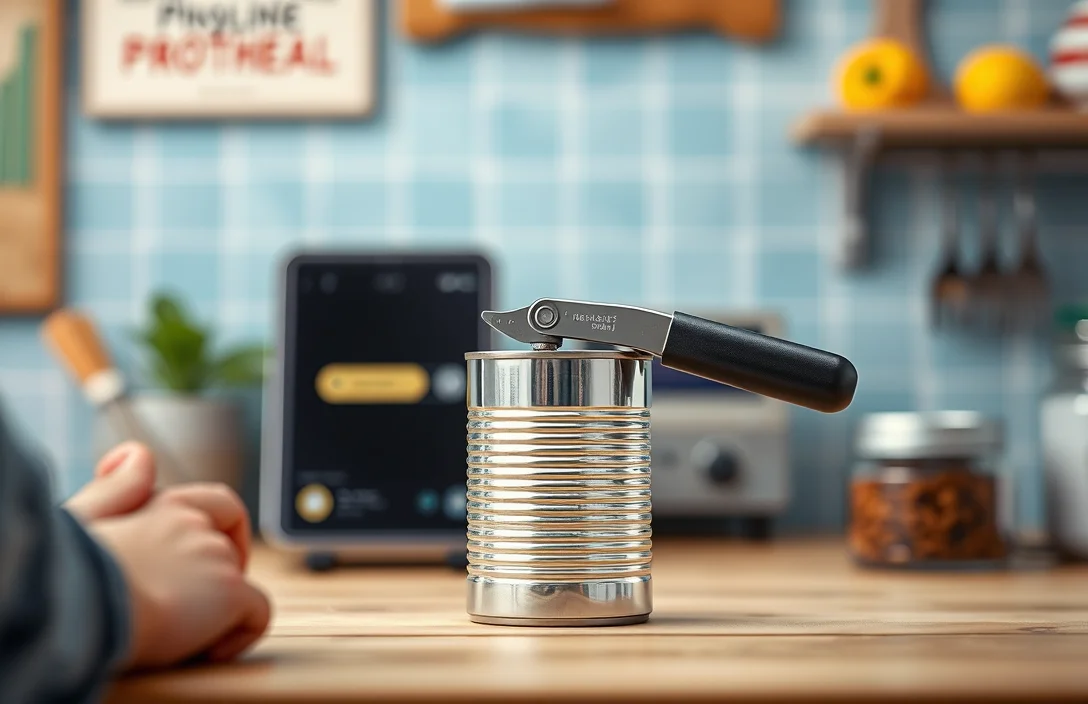
Approximately 1.5 billion cans are opened daily in the United States alone, showcasing the essential role of can openers in modern kitchens. Mastering this simple tool can enhance your efficiency, allowing you to quickly access canned goods without fuss or frustration.
Grasping the technique is straightforward: select the right can opener, position it correctly, and apply consistent pressure. With practice, you’ll open cans effortlessly, avoiding spills and jagged edges.
Understanding Types of Can Openers
Manual can openers provide a simple, effective way to open canned goods. They typically feature a rotating handle and a sharp blade that punctures the lid. Users must apply pressure while turning the handle, which makes this tool ideal for those who prefer a hands-on approach. Manual versions are portable and often inexpensive, making them a popular choice.
Electric can openers offer convenience and ease, especially for those with limited hand strength. These models operate with the push of a button, automatically puncturing and cutting the lid. They usually have a safety feature to prevent sharp edges from being exposed, ensuring safer handling post-use. This option is particularly beneficial for larger families or those who frequently use canned products.
Safety can openers focus on reducing the risk of injury. These designs cut the can’s lid from the side, leaving a smooth edge. Such openers are perfect for households with children or individuals concerned about sharp metal edges. Investing in a safety can opener can enhance kitchen safety significantly.
Countertop models are larger, stationary devices that provide stability during use. They are ideal for frequent can users and often come with added features such as built-in knife sharpeners. Despite their size, they offer excellent efficiency, making them a worthy addition to busy kitchens.
Selecting the Right Can Opener
Assessing your specific needs is crucial to selecting the right can opener. Factors such as frequency of use, type of cans, and personal comfort should guide your choice. Opt for a model that feels comfortable in your hand, as this will make the task easier and more efficient.
- Evaluate your kitchen space. Compact designs work well for smaller kitchens, while larger models may be more suitable for frequent use.
- Consider the material. Stainless steel blades offer durability, while plastic components may be lighter but less robust.
- Test the grip. An ergonomic design enhances comfort, especially when opening multiple cans.
- Examine the mechanism. Manual openers require more effort, while electric models provide convenience for those with limited hand strength.
- Research brand reliability. Trusted brands often offer warranties and customer support, ensuring you’re covered for repairs or replacements.
Identifying your budget is essential. Many quality options exist at various price points, so explore different models to find one that meets your financial expectations without sacrificing quality.
Implementing Safety Tips for Can Openers
Always keep fingers clear of the blade. This simple precaution helps prevent cuts while using a can opener. Position your hands away from the cutting area to avoid any accidental injuries. Proper hand placement not only ensures safety but also allows for better control of the tool.
Inspect the can opener regularly for damage. Check the blade for any signs of rust or dullness, as these can lead to inefficient operation and potential accidents. If you notice any irregularities, consider replacing the tool to maintain safety in the kitchen.
Use a stable surface while operating the device. Placing the can on a non-slip surface reduces the risk of the can moving unexpectedly during the opening process. Stability is crucial for maintaining control and preventing spills or injuries.
Store the tool safely after use. Keep it in a designated drawer or holder where it won’t accidentally fall or cause injury. Proper storage not only extends the life of the can opener but also keeps your kitchen environment safe for everyone.
Executing the Step-by-Step Opening Process
Locate the can’s top center. Place the can opener’s blade on that spot, ensuring it is positioned correctly. This precise placement is crucial for an efficient opening. Make sure the handle is secure in your grip to avoid slips.
- Press the handles together firmly to pierce the lid. This action engages the blade and begins the cutting process. Maintain steady pressure as the blade penetrates the metal.
- Rotate the can opener around the can’s edge. Keep applying pressure while turning the handle, allowing the blade to cut through the lid. A smooth, continuous motion will help achieve a clean cut.
- Continue until the blade has circled the lid completely. Listen for the sound of the blade cutting through the metal, indicating progress. A full rotation ensures the lid is detached effectively.
- Release the handles to disengage the can opener. Once the cutting is complete, gently lift the lid using the can opener’s built-in lever or your fingers. Be cautious of sharp edges.
Remember to handle the cut lid carefully. Disposing of it properly will prevent injuries. Following these steps will ensure you master the technique of opening a can with ease.
Cleaning and Maintaining Your Can Opener
Regular cleaning ensures your can opener remains functional and hygienic. After each use, wash the tool thoroughly with warm, soapy water. Pay special attention to the blade and gear areas, as food particles can accumulate there. Rinse it well and dry immediately to prevent rusting.
Inspecting the tool frequently is essential for longevity. Check the blade for sharpness and any signs of wear. Dull blades require more force and can lead to accidents. If the blade appears damaged, consider replacing it to maintain safety and efficiency.
Lubrication is critical for smooth operation. Use a food-safe lubricant to oil the gears every few months. This practice prevents rust and ensures the mechanism functions effortlessly. Apply a small amount, then wipe away excess to avoid attracting dirt.
Storing the can opener properly enhances its lifespan. Keep it in a dry place, preferably in a drawer or a designated utensil holder. Avoid leaving it submerged in water or near heat sources, which can degrade its materials over time.
Replacement parts are available for many models. If your can opener has removable components, check the manufacturer’s website for replacements. Regularly replacing worn parts keeps the tool in optimal working condition, ensuring consistent performance for future use.
Troubleshooting Common Can Opener Issues
Stuck blades often cause frustration. If your can opener’s blade isn’t moving smoothly, check for food debris or rust. Clean the blade and surrounding components thoroughly. If the blade is dull, consider replacing it or sharpening it to ensure efficient cutting.
Misalignment of the cutting mechanism can lead to uneven cuts. Ensure that the can opener is properly aligned with the can’s rim before attempting to open it. Adjust the positioning if necessary, and ensure that the handle is being turned correctly to engage the blade.
Excessive force may damage the tool. If you find yourself applying significant pressure while using it, reassess the can opener’s fit on the can. Using the correct size and type of can opener for the specific can is crucial for optimal performance.
Inconsistent opening can indicate a worn-out tool. If the can opener struggles to pierce the lid or leaves jagged edges, inspect the blade for wear. Regularly replacing worn components can enhance its overall effectiveness and prolong its lifespan.
Difficulty gripping the handle may arise due to wear. If the handle feels slippery or uncomfortable, consider adding rubber grip covers or replacing the handle entirely. Ensuring a secure grip enhances control and safety during operation.
Using Electric Can Openers Effectively
Electric can openers simplify the process of opening canned goods. Follow these steps to operate it effectively and enjoy the convenience they offer.
- Position the can securely under the blade. Ensure the can’s rim aligns properly with the cutting edge for a clean cut.
- Press the activation button to engage the blade. Hold the can steady until the opener completes its rotation around the lid.
- Release the button once the opening is finished. Allow the mechanism to stop completely before removing the can.
- Carefully lift the lid off to avoid sharp edges. Use a towel or glove to protect your hand while handling.
- Clean the blade and surrounding area after use. Regular maintenance ensures longevity and optimal performance of the tool.
Electric models offer several advantages. They require less physical effort, making them ideal for individuals with limited hand strength. Additionally, they provide a faster and cleaner opening process compared to manual options.
Quick Summary
- Choose the right can opener for the type of can you are using (manual or electric).
- Ensure the can opener is clean and in good working condition before use.
- Position the can opener correctly on the can’s rim to ensure a clean cut.
- Apply steady pressure while turning the handle to pierce the can lid.
- Be cautious of sharp edges after opening the can to avoid cuts.
- Clean the can opener after use to maintain hygiene and functionality.
- Store the can opener in a safe place to prevent accidents and damage.
Frequently Asked Questions
How do I choose the right can opener?
When selecting a can opener, consider the type of cans you usually use. Manual can openers are great for standard cans, while electric can openers are ideal for those with limited hand strength or for frequent use.
What is the proper way to use a manual can opener?
To use a manual can opener, position the blade on the edge of the can’s lid, then squeeze the handles together to pierce the metal. Rotate the handle to cut around the lid, ensuring you maintain pressure until the can is fully opened.
How do I clean my can opener?
To clean your can opener, detach any removable parts and wash them with warm, soapy water. Wipe the blade and other parts with a damp cloth and allow them to air dry to prevent rust and maintain hygiene.
What should I do if my can opener gets stuck?
If your can opener gets stuck, try gently twisting the handle back and forth to release it. If that doesn’t work, carefully lift the blade off the can and check for any debris or damage that might be causing the issue.
Can I use a can opener on all types of cans?
No, not all can openers are designed for every type of can. Standard can openers generally work on most tin cans, but specialized openers may be needed for pop-top or larger cans, so check the manufacturer’s recommendations.
