
Yes, in small, specific serving sizes, pineapple juice can be considered low FODMAP. The key is moderation and understanding the specific types of sugars present in pineapple that can trigger symptoms for those with Irritable Bowel Syndrome (IBS). We’ll break down exactly how much is safe and why.
Navigating the world of low FODMAP foods can feel like a puzzle, especially when it comes to naturally sweet and delicious fruits like pineapple. Many people wonder if enjoying a refreshing glass of pineapple juice is off-limits when managing digestive sensitivities. It’s a common question, and the answer might surprise you! You’re not alone if you’ve felt a little confused or frustrated by conflicting information. We’re here to clear the air and give you the straightforward, easy-to-understand facts about pineapple juice and the low FODMAP diet. Get ready to discover how to enjoy this tropical favorite without the worry!
The Truth About Pineapple Juice and FODMAPs
For those following a low FODMAP diet, understanding which fruits and their juices are safe is crucial for managing symptoms like bloating, gas, and abdominal pain. Pineapple, a beloved tropical fruit, is often a point of confusion. So, is pineapple juice low FODMAP? The simple answer is: it depends on the serving size.
Pineapple contains naturally occurring sugars that fall into categories of FODMAPs, specifically fructose and fructans. However, the amount of these sugars varies significantly with the portion size. The Monash University FODMAP Diet app, considered the gold standard for FODMAP information, provides specific guidelines.
Understanding FODMAPs in Pineapple
FODMAPs is an acronym that stands for Fermentable Oligosaccharides, Disaccharides, Monosaccharides, and Polyols. These are short-chain carbohydrates that are poorly absorbed in the small intestine. For individuals with IBS, these undigested carbohydrates can ferment in the large intestine, leading to uncomfortable digestive symptoms.
- Fructose: Pineapple contains fructose, a type of monosaccharide. While fructose is a natural sugar, it becomes a FODMAP when it’s in excess of glucose in a food.
- Fructans: Pineapple also contains fructans, which are oligosaccharides. These are a type of prebiotic fiber that can be fermented by gut bacteria.
The key takeaway is that while pineapple isn’t entirely “free” of FODMAPs, moderate consumption can fit within a low FODMAP eating plan. The amount you consume directly impacts whether it triggers symptoms.
Pineapple Juice Serving Sizes: The Low FODMAP Guide
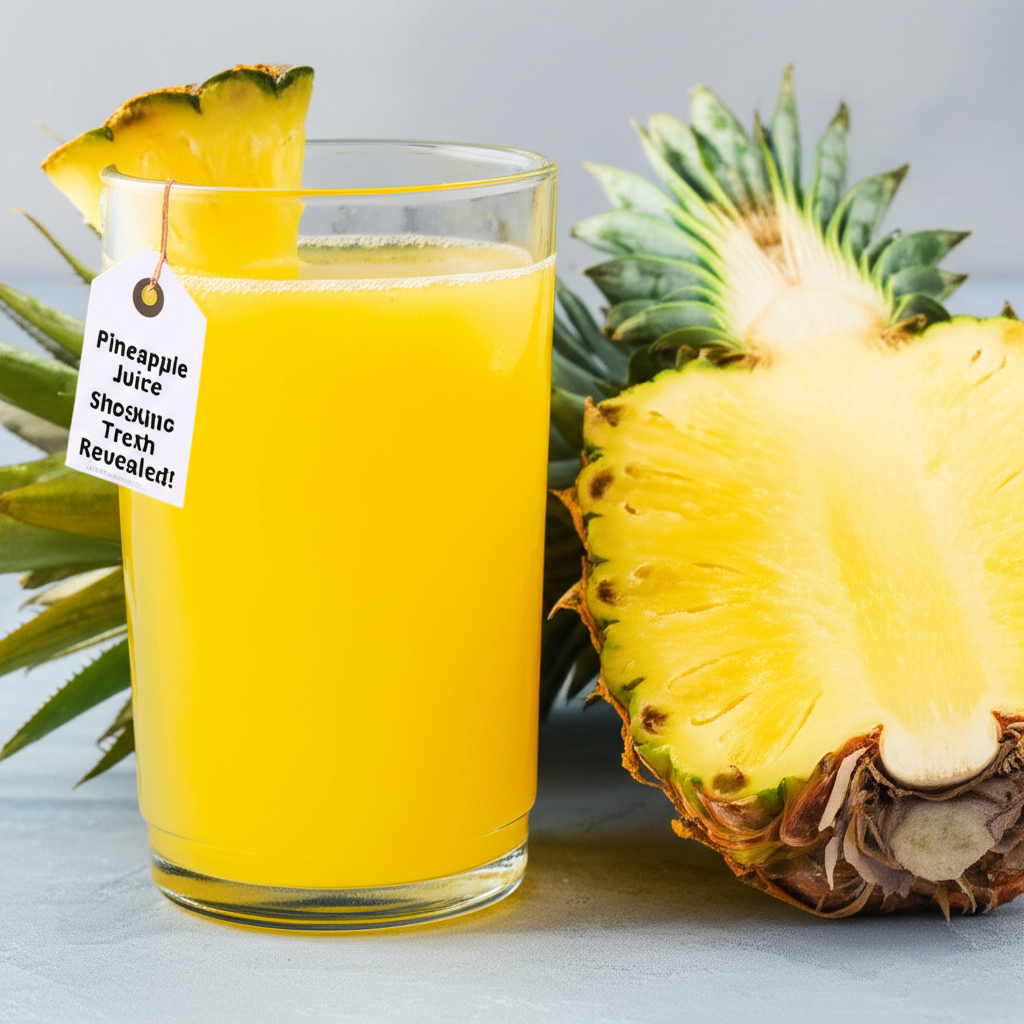
According to Monash University’s research, the serving sizes for pineapple juice are quite specific to keep it low FODMAP. This is where the “shocking truth” lies – it’s not about the juice itself being inherently bad, but about how much you drink.
Here’s a breakdown of what’s considered low FODMAP:
- Low FODMAP Serving: 1/2 cup (120ml) of 100% pineapple juice.
- Moderate FODMAP Serving: 3/4 cup (180ml) of 100% pineapple juice.
- High FODMAP Serving: 1 cup (240ml) or more of 100% pineapple juice.
This means that enjoying a small glass of pure pineapple juice is generally safe for most people on a low FODMAP diet. However, larger quantities can quickly push you into a high FODMAP serving, potentially triggering IBS symptoms.
Why These Serving Sizes Matter
The difference between a low and high FODMAP serving of pineapple juice comes down to the cumulative intake of fructose and fructans. When you consume a larger amount, the concentration of these fermentable sugars increases, overwhelming your digestive system’s ability to absorb them properly.
It’s important to remember that individual tolerance levels can vary. Some people might find they can tolerate slightly more than the recommended serving, while others may need to be more strict.
Fresh vs. Canned Pineapple Juice: Does it Make a Difference?
When you’re choosing pineapple juice, you might encounter both fresh, homemade versions and commercially canned or bottled options. Does this affect its FODMAP content?
Generally, the FODMAP content is primarily determined by the fruit itself and the presence of added sugars. 100% pure pineapple juice, whether fresh or canned (without added sweeteners), will have a similar FODMAP profile based on the serving size.
However, be cautious of:
- Juice Blends: Many commercially available pineapple juices are mixed with other fruits that might be high in FODMAPs (like apple or pear). Always check the ingredients list.
- Added Sugars: Some canned juices or fruit drinks may have added high-fructose corn syrup or other sweeteners, which will increase the overall FODMAP load and can be problematic.
For the safest low FODMAP option, opt for 100% pure pineapple juice and stick to the recommended serving size of 1/2 cup.
Making Your Own Low FODMAP Pineapple Juice
Making your own pineapple juice at home offers excellent control over ingredients and ensures you’re getting pure, unadulterated goodness. It’s also a fantastic way to enjoy fresh flavor.
What You’ll Need:
Gathering your ingredients and tools is the first step to a successful juicing experience. Here’s what you’ll want to have on hand:
- A Ripe Pineapple: Choose a fresh, ripe pineapple for the best flavor and juice yield.
- A Juicer: A centrifugal juicer or a masticating (slow) juicer will work. A high-powered blender can also be used, followed by straining.
- A Fine-Mesh Sieve or Nut Milk Bag: For straining out pulp if you’re using a blender.
- A Measuring Cup: To ensure you’re adhering to low FODMAP serving sizes.
Step-by-Step Juicing Guide:
- Prepare the Pineapple: Wash the outside of the pineapple. Cut off the top and bottom. Stand the pineapple upright and slice off the tough outer skin, following the curve of the fruit. Remove any remaining “eyes.”
- Core the Pineapple: Cut the pineapple into quarters lengthwise. Then, cut out the tough, fibrous core from each quarter.
- Chop the Pineapple: Cut the cored pineapple into chunks that are suitable for your juicer.
- Juice the Pineapple: Feed the pineapple chunks into your juicer. If using a blender, place the chunks in the blender with a small amount of water (if needed) and blend until smooth.
- Strain (If Blending): If you used a blender, pour the blended mixture through a fine-mesh sieve or nut milk bag set over a bowl. Squeeze or press to extract as much juice as possible.
- Measure and Serve: Measure out your low FODMAP serving of 1/2 cup (120ml). Enjoy immediately for the freshest taste!
Tips for Best Results:
- Ripeness is Key: A ripe pineapple will be sweeter and easier to juice. Look for a pineapple that has a fragrant aroma and yields slightly to pressure.
- Chill Your Juice: For a refreshing treat, chill the pineapple chunks before juicing or chill the finished juice in the refrigerator.
- Storage: Freshly made pineapple juice is best consumed immediately. If you have leftovers, store them in an airtight container in the refrigerator for up to 24-48 hours. The vitamin C content can degrade over time, and it may start to ferment.
Incorporating Pineapple Juice into Your Low FODMAP Diet
Knowing that pineapple juice is low FODMAP in small quantities opens up possibilities for incorporating this delicious flavor into your diet. Here are a few ideas:
Low FODMAP Serving Ideas:
- As a Base for Smoothies: Use 1/2 cup of pineapple juice as the liquid base for a low FODMAP smoothie. Combine it with ingredients like lactose-free yogurt, spinach, and a small amount of low FODMAP fruit like strawberries or blueberries.
- In Marinades: A small splash of pineapple juice can add a touch of sweetness and tenderize meats in marinades. Ensure the marinade recipe doesn’t exceed the low FODMAP serving.
- As a Flavor Enhancer: Add a tablespoon or two of pineapple juice to salad dressings or sauces for a hint of tropical flavor.
- A Small Sip of Sunshine: Sometimes, simply enjoying 1/2 cup of pure pineapple juice on its own is the perfect refreshing treat.
What to Avoid:
When focusing on a low FODMAP diet, it’s essential to be mindful of what you pair with your pineapple juice and what types of pineapple products you choose:
- Large Servings: As established, exceeding the 1/2 cup limit is the primary pitfall.
- Pineapple Chunks in Syrup: Canned pineapple packed in syrup often contains added sugars and high-fructose corn syrup, making it a high FODMAP choice. Stick to fresh or canned in its own juice.
- Fruit Salads with High FODMAP Fruits: If you’re creating a fruit salad, be sure to combine your low FODMAP pineapple serving with other low FODMAP fruits like kiwi, oranges, or raspberries.
- Juice Cocktails: Many commercial “pineapple juice” products are actually juice drinks or cocktails that contain high FODMAP ingredients like high-fructose corn syrup, artificial sweeteners, or other fruit juices that may not be low FODMAP.
Remember to always check labels and be aware of the serving sizes for all ingredients in your meals and drinks.
Comparing Pineapple Juice to Other Juices
It can be helpful to see how pineapple juice stacks up against other popular fruit juices in terms of FODMAP content. This can aid in making informed choices.
Here’s a general comparison, keeping in mind that serving sizes are crucial for all juices:
| Juice Type | Low FODMAP Serving Size (Approx.) | Primary FODMAPs | Notes |
|---|---|---|---|
| Pineapple Juice | 1/2 cup (120ml) | Fructose, Fructans | Generally safe in small amounts. |
| Orange Juice | 1/2 cup (120ml) | Fructose, excess Fructose | Can be low FODMAP in small servings, but high fructose content. |
| Apple Juice | Less than 1/4 cup (60ml) | Fructose, Polyols (Sorbitol) | Very low FODMAP serving size; quickly becomes high FODMAP. |
| Grape Juice | 1/4 cup (60ml) | Fructose | Low FODMAP in very small amounts. |
| Cranberry Juice (Unsweetened) | 1 cup (240ml) | Fructose | Generally considered low FODMAP in larger quantities. |
| Lemon/Lime Juice | 1/4 cup (60ml) | Citric Acid (not a FODMAP but can be acidic) | Very low FODMAP, often used in small amounts for flavor. |
This table highlights that many fruit juices can be enjoyed on a low FODMAP diet, but the key is always moderation and understanding the specific FODMAP profile of each fruit. For more detailed information, the Monash University FODMAP Diet app is an invaluable resource.
When to Be Cautious with Pineapple Juice
While pineapple juice can be a part of a low FODMAP diet, there are specific circumstances where you might need to be extra cautious or avoid it altogether:
- During the Elimination Phase: If you are in the strict elimination phase of the low FODMAP diet, it’s best to stick to the most strictly defined low FODMAP foods and introduce potential triggers one at a time during the reintroduction phase.
- When Experiencing Acute Symptoms: If you are currently experiencing a flare-up of IBS symptoms, it might be wise to avoid even low FODMAP serving sizes of pineapple juice until your symptoms have subsided.
- If You Have Acid Reflux or GERD: Pineapple juice is acidic. Even if it fits the low FODMAP criteria, its acidity can trigger or worsen symptoms for individuals with acid reflux, GERD, or heartburn. It’s best to consult with your healthcare provider or a registered dietitian in these cases.
- When Consuming Other High FODMAP Foods: If you are consuming other foods that are higher in FODMAPs in the same meal, the cumulative effect might still cause symptoms, even if the pineapple juice portion is small.
Always listen to your body. If you find that even a small amount of pineapple juice causes discomfort, it’s best to avoid it, regardless of FODMAP guidelines.
Frequently Asked Questions About Pineapple Juice and FODMAPs
Is canned pineapple juice low FODMAP?
Yes, 100% pure canned pineapple juice is considered low FODMAP in a serving size of 1/2 cup (120ml), provided it does not contain added sugars or high FODMAP ingredients. Always check the label for added sweeteners.
Can I drink a whole glass of pineapple juice on a low FODMAP diet?
Generally, no. A “whole glass” is often more than the recommended low FODMAP serving of 1/2 cup (120ml). Consuming larger amounts can increase your intake of fructose and fructans, potentially triggering IBS symptoms.
What about pineapple chunks? Are they low FODMAP?
Yes, pineapple chunks are considered low FODMAP in servings of 1/2 cup (80g). Similar to the juice, larger portions will contain higher FODMAP levels.
Does the type of sweetener in pineapple juice matter for FODMAPs?
Absolutely. If a pineapple juice product contains high-fructose corn syrup, honey, or other high-FODMAP sweeteners, it will be high FODMAP regardless of the pineapple content. Opt for 100% pure juice with no added sweeteners.
Can pineapple juice help with digestion?
Pineapple contains bromelain, an enzyme that may aid digestion. However, the amount of bromelain in juice might be less concentrated than in fresh pineapple chunks, and the primary focus for IBS management is the FODMAP content, not necessarily digestive enzymes.
What if I have GERD? Can I drink pineapple juice?
Pineapple juice is acidic and can be a trigger for GERD or acid reflux symptoms for some individuals. If you have GERD, it’s advisable to consult with your doctor or a registered dietitian before consuming pineapple juice.
Are pineapple smoothies low FODMAP?
Pineapple smoothies can be low FODMAP if you use a low FODMAP serving of pineapple juice (1/2 cup) or fresh pineapple (1/2 cup chunks) and combine it with other low FODMAP ingredients like lactose-free milk, spinach, and low FODMAP fruits.
Conclusion: Enjoy Pineapple Juice Mindfully
So, the “shocking truth” about pineapple juice and the low FODMAP diet is that it’s a matter of quantity. Pineapple juice isn’t an outright “no” for those managing IBS; rather, it’s a “yes, in moderation.” By adhering to the recommended low FODMAP serving size of 1/2 cup (120ml) of 100% pure pineapple juice, you can often enjoy its tropical sweetness without triggering digestive distress.
Remember to always check labels for added sugars and be mindful of other high FODMAP ingredients you might consume in the same meal. Making your own fresh pineapple juice at home gives you complete control and is a wonderful way to experience its pure, vibrant flavor. Whether you’re sipping it on its own, adding it to a smoothie, or using it in a marinade, a small serving of pineapple juice can be a delightful addition to your low FODMAP journey. Continue to listen to your body, and don’t hesitate to consult with a registered dietitian or healthcare provider for personalized guidance. Happy juicing!
