
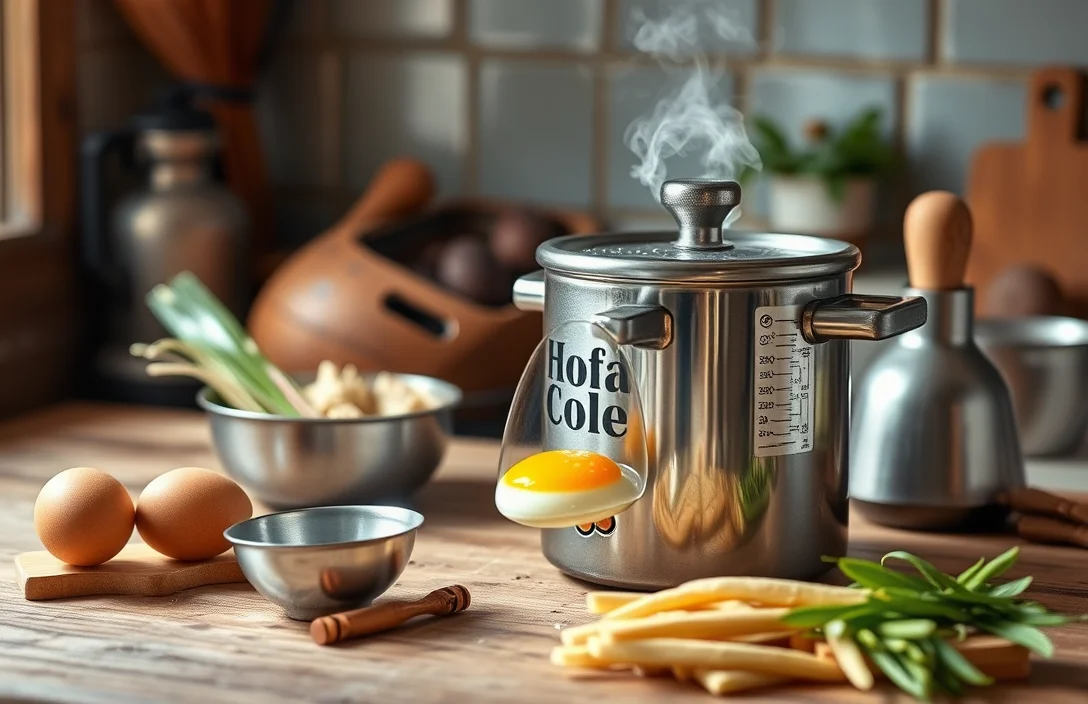
Over 1 billion eggs are cooked in egg boilers each year, showcasing their convenience and efficiency. Learning how to use an egg boiler can save time and ensure perfectly cooked eggs every time, whether for breakfast or meal prep.
Mastering an egg boiler involves measuring water accurately, selecting the desired egg doneness, and using the timer effectively. Following these steps guarantees delicious eggs with minimal effort.
Understanding Types of Egg Boilers
Various models of egg boilers cater to different cooking preferences and needs. Electric egg boilers are the most common, featuring multiple tiers for cooking several eggs at once. Stovetop versions provide more control over the boiling process, making them ideal for traditionalists who prefer manual cooking methods. Multi-functional models often include additional features like steaming vegetables or poaching eggs.
Compact designs are perfect for small kitchens or individuals who cook infrequently. These egg boilers usually accommodate fewer eggs but maintain efficiency. Larger egg boilers can handle more eggs simultaneously, making them suitable for families or meal prep enthusiasts. Selecting the right model depends on your cooking habits and kitchen space.
Some egg boilers come equipped with adjustable settings for soft, medium, or hard boiling. This feature simplifies the cooking process, allowing users to achieve their desired egg texture with precision. Others may include timers and audible alerts, ensuring eggs are cooked perfectly without constant monitoring.
Safety features are crucial in many egg boiler designs. Look for models with automatic shut-off functions to prevent overcooking and potential hazards. Materials also vary, with options like stainless steel and BPA-free plastic ensuring durability and health safety.
Setting Up Your Egg Boiler
Begin by placing the egg boiler on a flat, stable surface. Ensure that the area is clean and free from clutter to avoid any potential hazards. The appliance should be easily accessible to avoid any accidents during operation.
- Open the egg holder carefully. Most models have a lid that lifts off or a section that slides open. This component is essential for accommodating the eggs you plan to cook.
- Inspect the water reservoir for any debris or residue. Cleaning this area prevents any unwanted tastes or odors from affecting the eggs. A quick wipe with a damp cloth will suffice.
- Check the power cord for any damage. Ensure it’s in good condition to prevent electrical hazards. If frayed or worn, consider replacing the cord before use.
- Gather the necessary accessories that come with the egg boiler. These often include measuring cups, egg piercers, or trays, depending on the model. Familiarize yourself with these tools for optimal use.
- Read the user manual thoroughly. Each egg boiler has specific features and functions. Understanding these will help you make the most of this kitchen appliance.
Measuring Water Levels Accurately
Accurate water measurement is crucial for cooking eggs perfectly. For each cooking style, the amount of water varies, affecting the end result. Follow these steps to ensure the right water level for your egg boiler.
- Identify the desired doneness. Different textures require different amounts of water for optimal results.
- Consult the egg boiler’s user manual. Each model has specific guidelines for water measurement based on the number of eggs.
- Use the provided measuring cup. Most egg boilers include a measuring cup indicating the exact amount of water needed for specific cooking styles.
- Pour water into the designated reservoir. Ensure the water reaches the correct level marked in the boiler to avoid undercooking or overcooking.
- Check the water level once more. Before starting, verify that you have the correct volume based on your preferences.
Following these steps guarantees that you measure water levels accurately, leading to consistently delicious eggs every time you use your egg boiler.
Determining Cooking Times for Eggs
Cooking times vary significantly based on egg type and desired doneness. For soft-boiled eggs, set your egg boiler for about 6 to 7 minutes. This timeframe allows the whites to set while keeping the yolks runny. Adjust the time slightly if your eggs are larger or smaller than standard size.
Hard-boiled eggs require a longer cooking time, typically around 10 to 12 minutes. This ensures that the yolks are fully cooked and firm. If you prefer a slightly creamier texture, aim for the lower end of this range.
Specialized settings on your egg boiler can simplify this process. Some models come with indicators or dedicated buttons for soft and hard-boiled options. Familiarize yourself with these features to achieve consistent results each time.
Egg freshness also impacts cooking times. Fresher eggs may take a bit longer to cook, so consider this when determining your timing. Experimenting with different times can help you find the perfect balance for your preferred egg style.
Lastly, keep in mind that altitude affects boiling times. If you live at a higher elevation, increase your cooking time by a minute or two. This adjustment is necessary for achieving the desired doneness, as water boils at lower temperatures in such conditions.
Distinguishing Hard and Soft Boiled Eggs
Hard boiled eggs require longer cooking times than soft boiled. For hard boiled eggs, set your egg boiler to around 12-15 minutes, depending on the size of the eggs and your desired firmness. The longer the cooking time, the firmer the yolk will be. Make sure to use the appropriate water measurement in your egg boiler for best results.
Soft boiled eggs need less time, typically around 6-8 minutes. This shorter cooking duration allows the yolk to remain runny and creamy. Adjust the water level to match the cooking time indicated for soft boiled eggs in your device. Timing is crucial to achieve the perfect consistency.
Monitoring the cooking process helps in achieving the desired outcome. Most egg boilers will signal when the cooking is complete, but you can also keep an eye on the timer for precision. A quick plunge into cold water after cooking halts the cooking process, especially for soft boiled eggs.
Experimentation is key to find your perfect method. Try different times and water levels to see what suits your taste best. Remember, every egg boiler may vary slightly, so adjust your approach as needed to master the technique. With practice, you will consistently produce eggs exactly how you like them.
Cleaning and Maintaining Your Device
Regular cleaning ensures optimal performance. After each use, allow the egg boiler to cool, then wipe down the exterior with a damp cloth. For the interior, use a soft sponge or cloth to remove any residue or calcium buildup. Avoid abrasive materials that could scratch the surface.
Descaling is essential for longevity. If you notice mineral deposits, especially in hard water areas, use a mixture of equal parts water and vinegar to clean the interior. Fill the water reservoir with this mixture, run the boiler without eggs, and then rinse thoroughly to remove any lingering vinegar smell.
Inspecting cords and components is crucial. Regularly check the power cord for fraying or damage, which can pose a safety risk. Ensure all detachable parts, such as the egg tray and measuring cup, are intact and free from cracks. Replace any damaged components promptly to maintain safe operation.
Storing the appliance properly extends its life. After cleaning, ensure all parts are completely dry before storing. Use the original box or a designated kitchen cabinet to protect it from dust and accidental damage. Avoid stacking heavy items on top to prevent deformation.
Safety Precautions While Cooking
Protecting yourself while using an egg boiler is essential for a safe cooking experience. Always handle the device with care, especially when it’s hot. Avoid touching the heating element or steam-release vent during and immediately after cooking, as they can cause burns. Read the manufacturer’s instructions for specific safety guidelines related to the model you own.
Use heat-resistant gloves or oven mitts when handling the egg boiler after cooking. This prevents accidental contact with hot surfaces. Ensure that the cord is kept away from hot surfaces and water to avoid electrical hazards.
- Always place the egg boiler on a stable, flat surface.
- Check for any damages to the power cord before use.
- Unplug the device immediately after cooking is complete.
- Allow the appliance to cool down before cleaning.
Inspect the water level before each use to ensure proper operation. Overfilling or underfilling can lead to unsatisfactory cooking results or damage to the device. Following these safety precautions allows you to enjoy perfectly cooked eggs while minimizing risks associated with using this kitchen tool.
Quick Summary
- Read the manufacturer’s instructions and place the egg boiler on a flat, heat-resistant surface before use.
- Measure the water using the provided cup or markings—amount determines soft, medium, or hard boil.
- Place eggs in the holder tray (pointed end down unless instructed otherwise); pierce an air pocket only if the manual recommends it.
- Cover, select the desired setting or time, then start the boiler; do not leave unattended while in use.
- When the cycle finishes, let eggs rest briefly, then transfer to cold water or an ice bath to stop cooking and make peeling easier.
- Unplug before cleaning, empty and descale the base periodically, and handle hot parts carefully to avoid burns.
Frequently Asked Questions
How do I measure the right amount of water for my egg boiler?
Most egg boilers include a measuring cup with marks for soft, medium, and hard boiled eggs—use those marks and pour the water into the heating plate. If your model lacks markings, follow the manufacturer’s instructions or fill with a small amount of cold water so it just covers the heating area; the unit uses steam rather than submerging the eggs.
How long does it take to cook soft, medium, and hard boiled eggs?
Typical steam cooking times are about 4–6 minutes for soft, 7–9 minutes for medium, and 10–12 minutes for hard, but times vary by model and egg size. Use the appliance’s guide as a starting point and adjust by a minute or two based on your preference and altitude.
How many eggs can I cook at once and can I stack them?
Capacity depends on the model—common sizes hold 6 or 7 eggs, and some larger units hold up to 10. Avoid overcrowding or stacking eggs beyond the designed tray capacity so steam circulates evenly and eggs cook uniformly.
Can I use eggs straight from the fridge and should I prick the shell?
Yes, refrigerated eggs can be used; you may need to add about a minute to the cooking time for very cold eggs. Some boilers include a pin to prick the rounded end to reduce cracking and make peeling easier—use it if provided, but it’s optional.
How do I clean and maintain an egg boiler?
Unplug and let the unit cool, then empty any leftover water and wipe the inside and trays with a damp cloth; most trays are dishwasher-safe—check the manual. Descale the heating plate periodically with a solution of vinegar or citric acid and water to remove mineral buildup, and never immerse the electrical base in water.
