
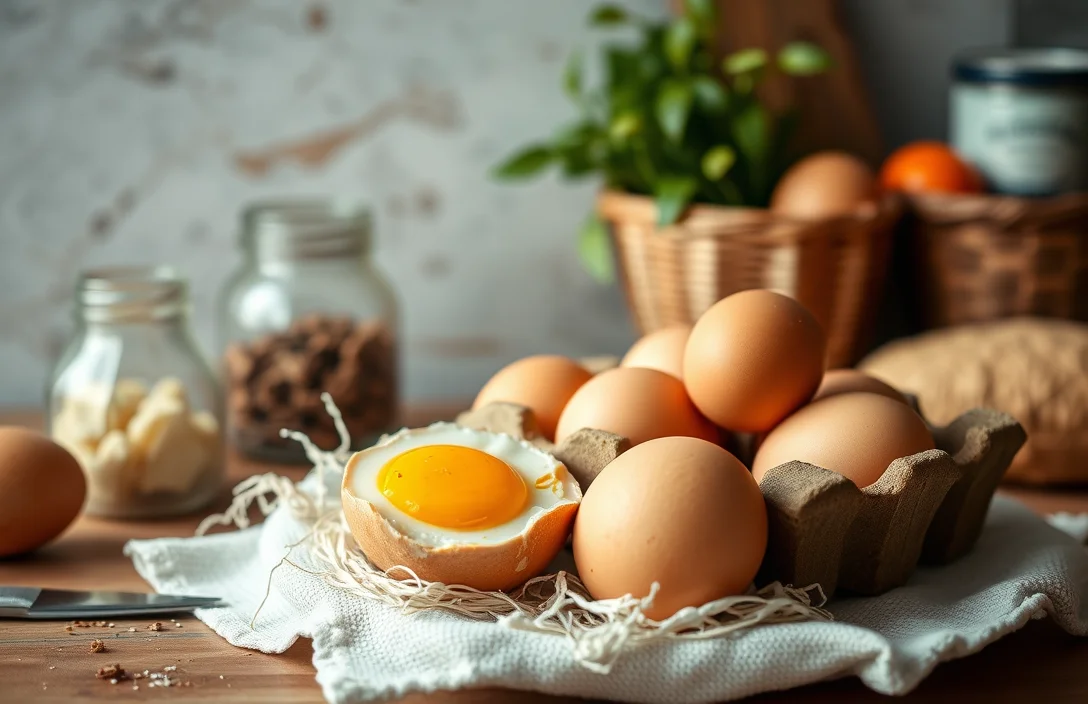
Fifty billion eggs are produced annually in the U.S., showcasing their popularity. Learning how to make homemade eggs can elevate your meals, providing fresh, nutritious options that are simple to prepare and versatile for breakfast, lunch, or dinner.
Start with fresh eggs for the best flavor. Choose your cooking method: boiling, scrambling, frying, or poaching. Experiment with seasonings and toppings to create a dish that suits your taste. Enjoy the satisfaction of cooking from scratch.
Boiling Eggs to Perfection
Start with room temperature eggs for even cooking. Cold eggs from the refrigerator can crack when placed in boiling water. Allow them to sit out for about 10-15 minutes before cooking. This small step ensures a smoother boiling process and can prevent unsightly cracks, providing a more appealing final product.
Next, place the eggs in a single layer in a pot. Use enough water to cover the eggs by about an inch. Using a pot that fits all the eggs comfortably ensures even cooking. Overcrowding can lead to inconsistent textures, so choose an appropriate size to achieve the perfect boiled egg consistency.
Bring the water to a rolling boil over medium-high heat. Once boiling, cover the pot and remove it from the heat. Allow the eggs to sit in the hot water, adjusting the timing based on your desired doneness. For soft-boiled eggs, let them steep for about 4-6 minutes; for hard-boiled, aim for 9-12 minutes.
Prepare an ice bath while the eggs are cooking. Fill a bowl with ice and cold water. This helps stop the cooking process immediately, preventing overcooking and ensuring a tender, creamy yolk. Once time is up, transfer the eggs directly into the ice bath for at least 5 minutes.
Crack and peel the eggs under running water. This technique helps loosen the shell and makes peeling easier. Starting at the larger end, gently tap and roll the egg to break the shell. The water will rinse away any small shell fragments, ensuring a clean finish for your beautifully boiled eggs.
Mastering Scrambled Eggs Techniques
Whisking eggs properly transforms texture. Use a fork or whisk to beat the eggs vigorously until the yolks and whites are fully combined. Aim for a frothy mixture, which introduces air and contributes to a light, fluffy result. This method is essential for achieving those perfect scrambled eggs you desire.
Heating your pan correctly matters significantly. Preheat a non-stick skillet over medium-low heat before adding fat. Butter or oil should melt gently without browning. Excessive heat can lead to dry, rubbery eggs, so be patient and allow the pan to warm up gradually for optimal results.
Incorporating cream or milk enhances creaminess. Adding a tablespoon of cream or milk per egg gives a richer flavor and silky texture. Stir this in during the whisking stage for even distribution. The added liquid will help prevent the eggs from becoming too dense during cooking.
Cooking slowly leads to fluffier eggs. Pour the beaten eggs into the preheated pan and let them sit for a few moments. Stir gently with a spatula, pushing the eggs from the edges toward the center. Repeat this process until the eggs are softly set, avoiding overcooking.
Finishing with seasoning enhances flavor. Sprinkle salt and pepper just before removing from the heat, allowing for better flavor absorption. Avoid adding salt too early, as it can draw moisture out and cause the eggs to become watery. Enjoy your homemade eggs, seasoned to perfection!
Tips for Frying Eggs
Perfectly fried eggs require attention to temperature and technique. Start by selecting a non-stick skillet for minimal sticking. Use medium heat to ensure even cooking and avoid burning the edges while keeping the yolk runny. Gently crack the egg directly into the skillet for the best presentation and minimal mess.
- Preheat the skillet on medium heat for about two minutes. This allows the pan to reach the right temperature for frying without scorching the eggs.
- Add a teaspoon of oil or butter to the skillet. Heat until the oil shimmers or the butter melts and starts to bubble, ensuring even distribution.
- Crack the egg gently into the skillet. Aim for a gentle landing to keep the yolk intact and avoid scattering egg whites.
- Cover the skillet with a lid. This creates steam, which cooks the top of the egg while keeping the yolk runny.
- Monitor the egg closely for doneness. Cook for about three to five minutes, depending on how runny you prefer the yolk. Remove from heat when the edges are crisp, and the whites are set.
Repeat these steps to master your frying technique. With practice, you’ll achieve the perfect yolk consistency for all your homemade egg dishes.
Baking with Eggs for Breakfast
Baked egg dishes provide a delicious way to enjoy homemade eggs. Quiches, frittatas, and egg casseroles can be prepared in advance, making them perfect for busy mornings. Incorporating fresh vegetables, cheeses, and herbs enhances flavor and nutrition, ensuring a satisfying meal for everyone.
Quiche stands out as a versatile option. Start with a simple pie crust or use a pre-made one for convenience. Whisk together eggs, milk, and your choice of seasonings, then add sautéed vegetables like spinach, mushrooms, or bell peppers. Pour the mixture into the crust, sprinkle cheese on top, and bake until set.
Frittatas are another easy-to-make alternative. Begin by whisking eggs with a splash of cream for richness. Combine with leftover cooked vegetables and meats, then pour everything into a hot skillet. Cook on the stovetop until the edges firm up, then transfer to the oven to finish cooking. Slice and serve warm.
Casseroles offer an excellent way to feed a crowd. Layer bread cubes, cooked sausage or bacon, and a mixture of eggs and milk in a baking dish. Let it sit overnight to soak, then bake in the morning for a hearty breakfast. Top with fresh herbs or avocado for an added touch.
Omelette Variations to Try
Experiment with different fillings for delicious omelettes. Classic combinations include cheese, bell peppers, and onions. For something unique, consider adding spinach, feta, and sun-dried tomatoes. Each ingredient contributes distinct flavors and textures, enhancing the overall taste of the dish.
Incorporate proteins like ham, bacon, or smoked salmon to boost nutritional value. These options not only add heartiness but also complement the eggs beautifully. Choose your favorite meats or try a vegetarian version with beans or tofu for a plant-based alternative.
Fresh herbs transform your omelette into a gourmet dish. Basil, cilantro, or chives can elevate the flavor profile significantly. Experiment by adding herbs during cooking or as a garnish for an extra punch of freshness.
Cheeses vary widely and can dramatically change an omelette’s appeal. Go for creamy options like goat cheese or sharp varieties like cheddar or gouda. Mixing different cheeses can create a delightful complexity, making each bite memorable.
Cooking techniques also influence the final product. Try folding the omelette for a fluffy texture or keeping it open-faced for a rustic presentation. Adjusting your technique allows for creativity and personal touch in your homemade eggs.
Classic Eggs Benedict Recipe
Begin by preparing the ingredients essential for this dish. Gather English muffins, Canadian bacon, eggs, and hollandaise sauce. Ensure everything is at hand to streamline the cooking process. Fresh herbs like chives can also enhance flavors, so consider having them ready as well.
- Toast the English muffins until golden brown. This step creates a crunchy base that complements the softness of the eggs and sauce.
- Cook the Canadian bacon in a skillet over medium heat. Allow it to crisp slightly, which adds texture and flavor to your dish.
- Poach the eggs gently in simmering water. Use a splash of vinegar to help maintain the egg’s shape while cooking. A perfectly poached egg will have a runny yolk, which is essential for a classic presentation.
- Prepare the hollandaise sauce by whisking egg yolks, lemon juice, and melted butter together. Heat the mixture gently while whisking until it thickens to a creamy consistency.
- Assemble the dish by layering the Canadian bacon on the toasted muffin halves. Place the poached eggs atop the bacon, and generously drizzle with hollandaise sauce.
- Garnish with fresh herbs or a sprinkle of paprika for an extra touch. Serve immediately to enjoy the dish at its best, with the flavors complementing each other beautifully.
Poaching Eggs with Ease
Achieve perfect poached eggs by using fresh eggs and following a few simple steps. Start by boiling a pot of water and adding a splash of vinegar. The vinegar helps the egg whites to coagulate quickly, ensuring a neat poach.
Bring the water to a gentle simmer. Rapid boiling can cause the eggs to break apart. Use a spoon to create a gentle whirlpool in the water, which helps center the egg as you drop it in.
Crack an egg into a small bowl. Carefully slide the egg into the center of the whirlpool. Allow it to cook for about 3-4 minutes for a runny yolk. Use a slotted spoon to lift the egg from the water once cooked.
Season the poached egg with salt and pepper to taste. Serve immediately on toast, salads, or any dish you prefer. Perfect poached eggs add a touch of elegance and flavor to your breakfast.
Practice makes perfect. With time, you’ll master the technique and create beautifully poached eggs consistently. Enjoy the deliciousness and satisfaction of homemade eggs any time you desire.
Quick Summary
- Gather fresh eggs from a reliable source for the best flavor and quality.
- Ensure all cooking utensils and surfaces are clean to prevent contamination.
- Decide on the cooking method: boiling, scrambling, frying, or baking.
- Adjust cooking time based on the desired doneness (soft, medium, or hard boiled).
- Season eggs to taste with salt, pepper, herbs, or other spices before serving.
- Experiment with additional ingredients like cheese, vegetables, or meats for added flavor.
- Store any leftover cooked eggs in the refrigerator and consume within a few days.
Frequently Asked Questions
How do I choose the right eggs for cooking?
When selecting eggs, look for ones that are clean, uncracked, and have a recent expiration date. Fresh eggs typically have a firmer white and a rounder yolk.
What is the best method to boil eggs?
To boil eggs, place them in a pot of cold water, ensuring they are covered by about an inch of water. Bring the water to a boil, then reduce the heat and simmer for about 9-12 minutes, depending on your desired doneness.
How can I make scrambled eggs fluffy?
To make fluffy scrambled eggs, whisk the eggs well before cooking and add a splash of milk or cream. Cook them over low heat and stir gently with a spatula for even cooking.
What is the difference between soft-boiled and hard-boiled eggs?
Soft-boiled eggs have a runny yolk, while hard-boiled eggs have a fully cooked yolk. The cooking time determines the texture, with soft-boiled eggs typically cooked for 4-6 minutes and hard-boiled for 9-12 minutes.
Can eggs be cooked in the microwave?
Yes, eggs can be cooked in the microwave. To do this, beat the eggs in a microwave-safe bowl, cover with a microwave-safe lid, and cook for about 30 seconds, stirring halfway through, until fully cooked.
