
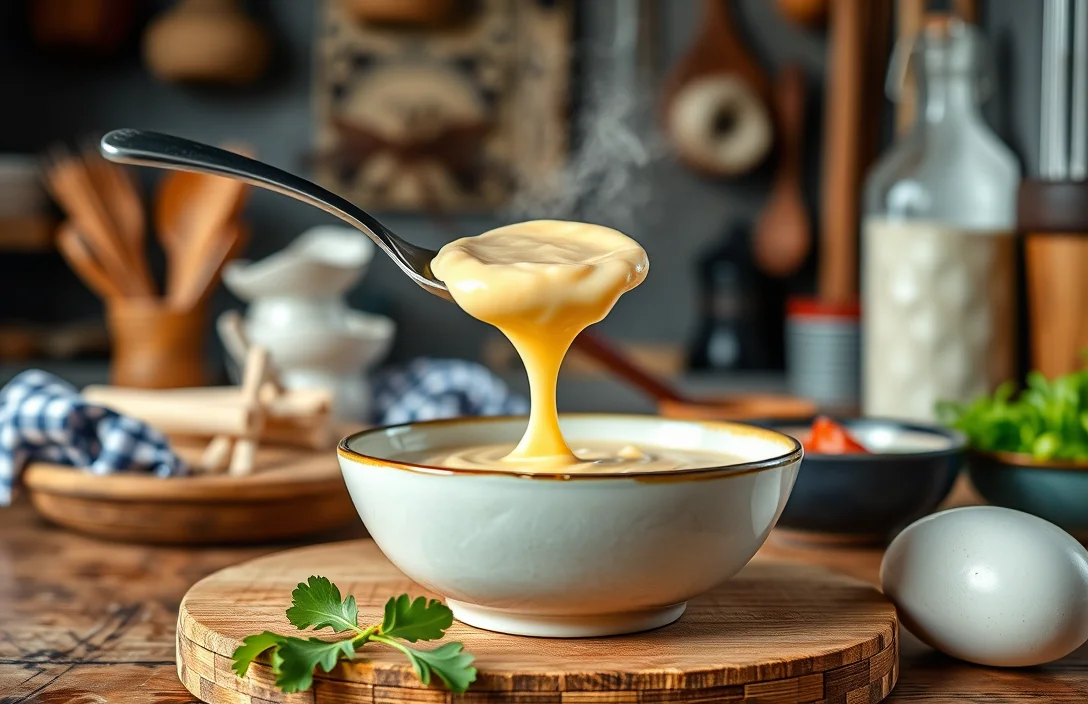
Egg sauce is a staple in many kitchens, providing a delicious and nutritious option that can transform simple dishes. With just a few ingredients, you can create a sauce that’s packed with flavor and versatile enough for various meals.
Ingredients include eggs, tomatoes, onions, and spices. The cooking process is straightforward: cook the eggs, sauté the vegetables, and combine everything for a rich sauce. Enjoy it with rice or bread.
Essential Ingredients for Egg Sauce
Fresh eggs serve as the cornerstone for egg sauce, providing the protein and richness that make this dish satisfying. Choose high-quality eggs for optimal flavor and nutrition. Typically, three to four eggs will suffice for a standard serving, ensuring a hearty meal.
Tomatoes add a vibrant color and tanginess to the sauce. Use about two medium-sized ripe tomatoes, finely chopped, to enhance the overall taste. Alternatively, canned tomatoes can work, but fresh ones are preferred for their flavor profile.
Onions contribute sweetness and depth. A medium onion diced finely will complement the eggs and tomatoes beautifully. Sautéing the onion until translucent will elevate the dish’s flavor significantly.
Bell peppers, particularly green or red, introduce a crunch and subtle sweetness. Chopping one medium bell pepper into small pieces adds texture and a pop of color to the sauce.
Seasoning is crucial for enhancing flavors. Ensure you have salt, black pepper, and optional spices like paprika or cayenne pepper to adjust the heat level according to your preference. Fresh herbs, such as parsley or cilantro, can also be added for freshness.
Step-by-Step Cooking Techniques
Prepare your workspace and tools before starting. Gather a non-stick skillet, spatula, and mixing bowl. Ensure all ingredients are measured and within reach. This organized approach streamlines the cooking process and minimizes distractions.
- Heat the skillet over medium heat. Allow the pan to warm for about 2 minutes, ensuring it’s hot enough to prevent sticking. A properly heated surface is crucial for achieving the right texture.
- Add oil or butter to the skillet. Use about one tablespoon of your chosen fat, letting it melt completely. This creates a flavorful base for the eggs and prevents them from sticking.
- Crack the eggs into a mixing bowl. Use two to four eggs, depending on your serving size. Whisk them vigorously until well combined, creating a uniform mixture that will cook evenly.
- Pour the egg mixture into the heated skillet. Allow the eggs to sit briefly before stirring. This helps form a creamy texture as they begin to set on the bottom.
- Gently stir the eggs with the spatula. Move from the edges to the center, folding the mixture. Continue this for about 3-5 minutes until the eggs are softly scrambled and slightly runny.
Finish by seasoning to taste. Sprinkle salt and pepper directly onto the eggs, ensuring even flavor distribution. This final touch enhances the overall taste of your sauce.
Flavor Variations and Additions
Spices can dramatically enhance the flavor profile of your sauce. Consider incorporating paprika for a smoky taste or cayenne pepper for some heat. A pinch of turmeric adds warmth and a vibrant color, while black pepper brings a subtle kick. Adjust these spices according to your personal preference, ensuring that each addition complements the eggs without overwhelming them.
Fresh herbs create a refreshing element in your dish. Chopped parsley or cilantro can brighten the overall flavor, while basil adds a sweet, aromatic touch. Dill is another excellent option, offering a unique taste that pairs well with eggs. Adding herbs at the end of cooking will preserve their vibrant flavor and aroma.
Cheeses elevate the dish with richness. Feta adds a tangy flavor, while cheddar provides a sharpness that contrasts beautifully with the eggs. Consider adding cream cheese for a creamy texture or parmesan for a nutty finish. Experiment with different types to find the perfect balance that suits your palate.
Vegetables introduce both texture and flavor variations. Sautéed onions and bell peppers add sweetness and crunch, while spinach offers a nutritious boost. Mushrooms bring earthiness, enhancing the sauce’s depth. Make sure to cook these additions beforehand to ensure they meld well with the egg mixture.
Serving Suggestions and Pairings
Serve egg sauce hot, drizzled over your favorite starch. This sauce pairs excellently with rice, pasta, or even mashed potatoes. The combination enhances the overall flavor profile, creating a satisfying meal. For an appealing presentation, use a ladle to pour the sauce over the starch, ensuring even coverage.
- Consider serving it alongside sautéed vegetables. Brightly colored veggies add nutrition and visual appeal, making your plate more inviting. Select vegetables like bell peppers, spinach, or carrots for a vibrant mix.
- Pair it with grilled or fried plantains for a delightful contrast. The sweetness of the plantains complements the savory notes of the sauce, providing a unique flavor experience.
- Include a side of crusty bread or toast. This addition allows for scooping up the sauce, enhancing the meal’s enjoyment. Choose whole grain or sourdough for added texture and taste.
- Top dishes with fresh herbs or grated cheese. Garnishing with parsley, cilantro, or cheese elevates the dish, adding freshness and depth of flavor.
Enjoying egg sauce with breakfast items is also a delightful option. Drizzle it over scrambled eggs or omelets for an extra layer of taste, making breakfast more exciting.
Storage Tips and Shelf Life
Egg sauce maintains quality with proper storage. Allow it to cool to room temperature before transferring it to an airtight container. Refrigeration is essential for preserving freshness and preventing spoilage.
- Refrigerate within two hours. Egg sauce must be stored in the fridge within two hours of preparation to ensure safety and quality.
- Use within three days. Consume refrigerated egg sauce within three days for the best flavor and texture.
- Freeze for longer storage. For extended storage, freeze the sauce in a suitable container. It can last up to two months in the freezer without significant loss of flavor.
- Thaw safely in the fridge. To use frozen sauce, thaw it overnight in the refrigerator rather than at room temperature to minimize bacterial growth.
- Reheat thoroughly before serving. Warm the sauce until it reaches a steaming temperature to ensure food safety before consumption.
Following these guidelines maximizes the longevity of your egg sauce while maintaining its delicious taste. Keep in mind that quality may diminish over time, so prioritize freshness whenever possible.
Nutritional Information Overview
Per-serving nutrition: roughly 220 kcal, 10–12 g protein, 18–20 g fat and 3–5 g carbohydrates for a standard 1/2-cup serving made with two eggs, one tablespoon oil, and 2 tablespoons milk. For tracking, weigh portions and log ingredients; swap oil for 1 teaspoon or use low-fat milk to cut 50–80 kcal per serving. For recipes like how to make egg sauce, record sodium from added salt.
Common Mistakes to Avoid
Skipping seasoning will lead to bland sauce. Always incorporate salt, pepper, and spices to enhance flavor. Experiment with garlic powder or chili flakes for additional zest. Balancing these elements is crucial for a delicious outcome.
Overcooking eggs creates a rubbery texture. Stir the mixture gently and remove it from heat just before it solidifies. Eggs should remain soft and creamy for the best consistency in your sauce.
Neglecting to use fresh ingredients affects taste. Fresh tomatoes and herbs significantly elevate the dish. Check for ripe produce before beginning to ensure optimal flavor.
Ignoring the right cooking temperature can ruin your sauce. Use medium heat to allow eggs to cook evenly without burning. High heat can lead to uneven cooking and undesirable results.
Failing to whisk eggs properly leads to uneven texture. Whisk until fully combined, breaking up yolks and whites thoroughly. This step ensures a smooth sauce consistency, enhancing the overall experience.
Omitting the simmering step results in a raw flavor. Let the mixture simmer briefly to meld flavors together. This crucial stage develops depth and richness in your dish.
Rushing the process might compromise quality. Take time to follow each step carefully for the best results. Patience here pays off in flavor and texture, making your egg sauce truly magical.
Quick Summary
- Egg sauce is a simple and versatile dish that can be served with various meals.
- Key ingredients include eggs, tomatoes, onions, and spices for flavor.
- Begin by sautéing onions and tomatoes to create a flavorful base.
- Beat the eggs separately before adding them to the sautéed mixture.
- Cook until the eggs are firm and fully incorporated into the sauce.
- Season with salt, pepper, and herbs as desired to enhance taste.
- Serve hot over rice, pasta, or bread for a delightful meal.
Frequently Asked Questions
What ingredients do I need to make egg sauce?
To make egg sauce, you will need eggs, tomatoes, onions, bell peppers, and spices such as salt, pepper, and any preferred seasonings. Optional ingredients include garlic and green chilies for added flavor.
How do I prepare the eggs for the sauce?
Start by boiling the eggs until they are hard-boiled, usually about 10-12 minutes, then cool them under running water and peel them. You can chop or slice the eggs according to your preference before adding them to the sauce.
Can I make egg sauce without tomatoes?
While tomatoes are a key ingredient in traditional egg sauce recipes, you can substitute them with other vegetables or sauces, like bell peppers or cream, for a different flavor. However, this will alter the taste and texture of the dish.
How long does it take to cook egg sauce?
The cooking time for egg sauce is relatively short, usually around 15-20 minutes. This includes sautéing the onions and tomatoes, then adding the eggs and letting the flavors meld together.
What can I serve with egg sauce?
Egg sauce pairs well with various dishes such as rice, pasta, bread, or even as a topping for baked potatoes. It can also be enjoyed as a standalone dish or as part of a larger meal.
