
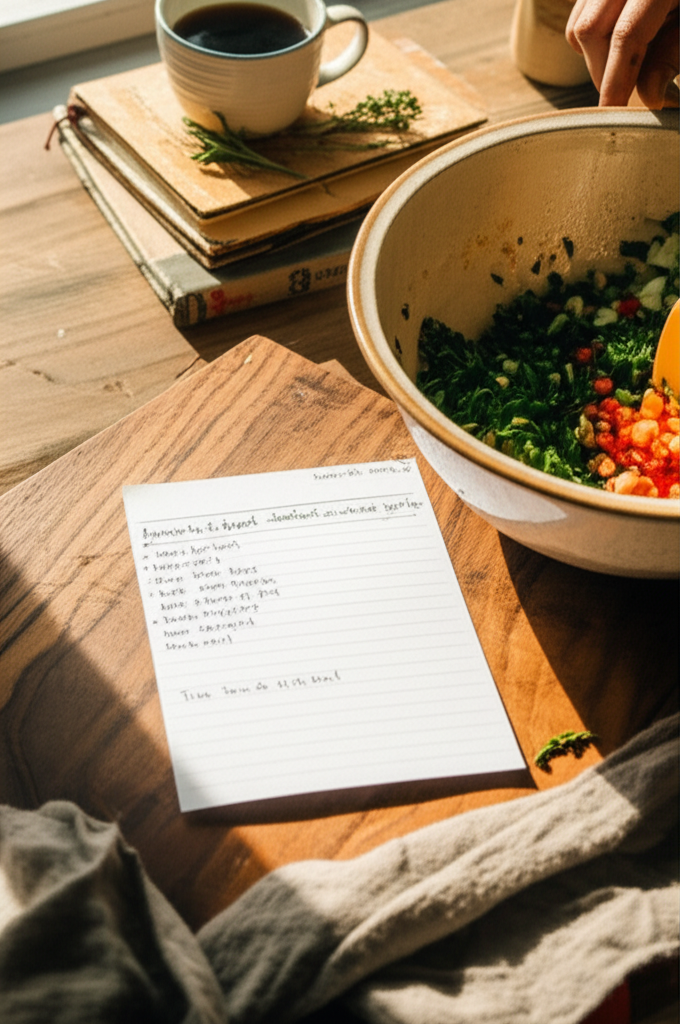
Unlock the secrets to a perfectly cooked meal every time! Annotating your recipes transforms them from simple instructions into personalized kitchen guides, ensuring delicious results and a more enjoyable cooking experience. Learn how to make your favorite dishes foolproof and adapt them to your taste with our easy-to-follow guide.
Ever stared at a recipe, wondering if you’re missing a crucial step or if there’s a better way to achieve that perfect texture? You’re not alone! Many home cooks find recipes a bit rigid, leaving little room for personal touches or clarifying those tricky instructions. It can feel overwhelming, especially when you’re just starting out or trying something new. But what if we told you there’s a simple, powerful way to make any recipe work for you? It’s called annotating, and it’s like giving your recipe a personal makeover. We’re going to show you exactly how to do it, turning recipe confusion into cooking confidence.
Why Annotate Your Recipes? Your Kitchen’s Secret Weapon!
Think of annotating your recipes as creating a custom cheat sheet for your future self. It’s more than just jotting notes; it’s about transforming a standard recipe into a living document that reflects your experiences, preferences, and learning. This practice is incredibly valuable for a few key reasons:
- Personalization: Tailor recipes to your dietary needs, spice preferences, or ingredient availability.
- Learning & Improvement: Track what worked, what didn’t, and how to make it even better next time.
- Efficiency: Quickly find important reminders, substitutions, or cooking times without re-reading the entire recipe.
- Troubleshooting: Note common pitfalls and their solutions, making repeat attempts stress-free.
- Memory Aid: Especially helpful for complex dishes or recipes you only make occasionally.
Imagine pulling out your grandmother’s famous cookie recipe, but instead of just the printed words, you see notes like “add an extra egg yolk for richer cookies,” “bake 2 minutes less for chewier centers,” or “this batch used almond flour, worked great!” That’s the power of annotation. It’s a way to capture culinary wisdom and make it your own.
The Shocking Secrets to Effective Recipe Annotation
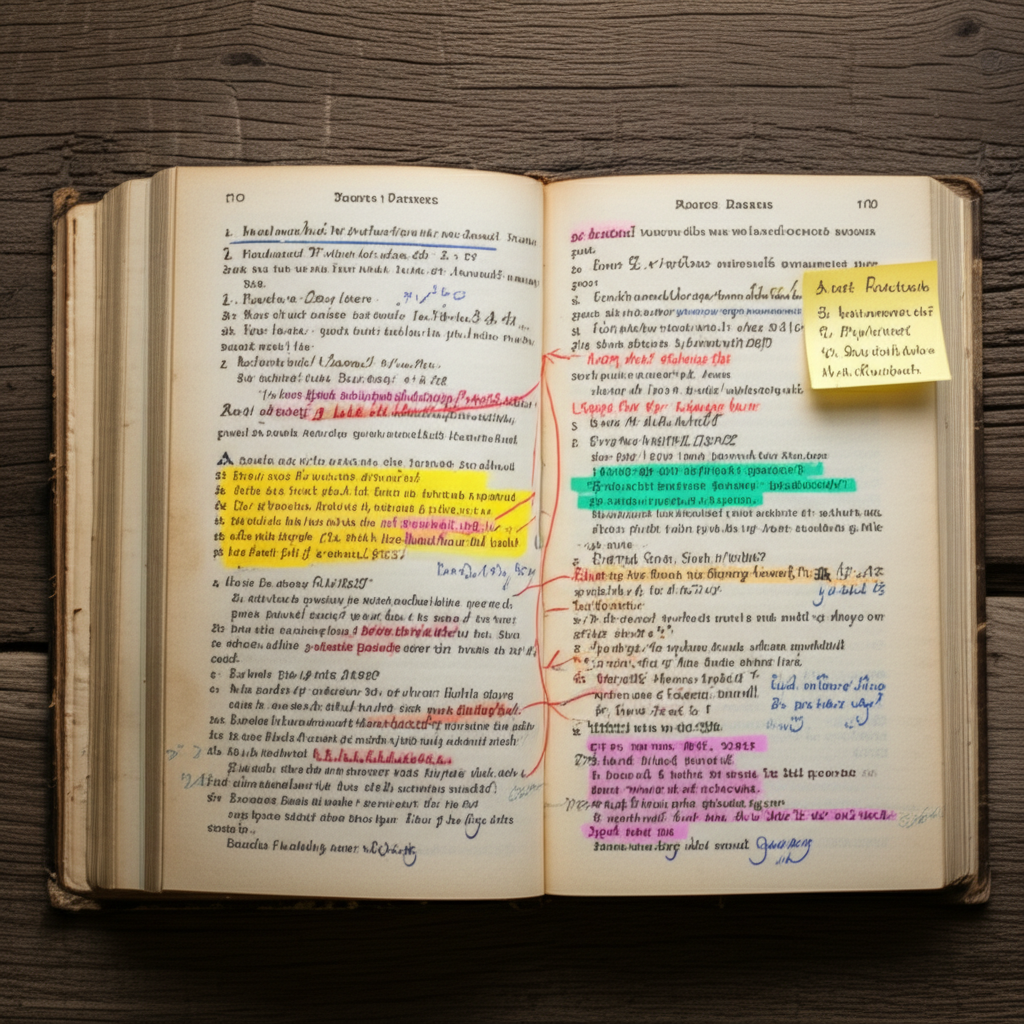
Let’s dive into the techniques that will make your recipe annotations truly shine. These aren’t just random scribbles; they’re strategic additions that enhance clarity and success.
Secret #1: The “Before You Start” Checklist
Before you even touch an ingredient, take a moment to read the entire recipe through. This is where your first annotations come in. Think of this as your pre-flight check for cooking!
What to Annotate Here:
- Ingredient Substitutions: If a recipe calls for an ingredient you don’t have or can’t eat, jot down your planned swap. For example, if it calls for butter and you’re using oil, write “substitute 1/4 cup olive oil for 1/4 cup butter.” You can find reliable substitution guides online, such as those from the USDA National Agricultural Library for common food substitutions.
- Dietary Modifications: Note any adjustments for allergies or preferences. “Make dairy-free: use coconut milk instead of heavy cream.”
- Equipment Check: Do you have the right size baking pan? A stand mixer? A specific whisk? If not, make a note of what you’ll use instead or if you need to acquire something. “Need 9×13 inch pan, using 8×8 inch and adjusting bake time.”
- Prep Time Estimate: How long will it really take you to chop, measure, and prepare everything? Add your realistic estimate.
- Oven Temperature Confirmation: Double-check your oven’s calibration if you suspect it’s off. Many ovens aren’t as accurate as they claim. A good oven thermometer can be a lifesaver.
Secret #2: Step-by-Step Clarifications & Timing
As you read through each instruction, think about how you can make it clearer and more efficient. This is where you capture the nuances that make a recipe truly foolproof.
What to Annotate Here:
- Clarify Ambiguous Terms: What does “simmer gently” mean? Add a note like “simmer gently = tiny bubbles breaking surface, not rolling boil.”
- Visual Cues: Describe what the mixture should look like at each stage. “Cream butter and sugar until pale and fluffy, like thick whipped cream.”
- Temperature Reminders: If an ingredient needs to be at room temperature, note it. “Ensure eggs are at room temp for better emulsion.”
- Specific Actions: If a step involves a technique you find tricky, add a reminder. “When adding dry ingredients, fold gently, don’t overmix.”
- Timing Adjustments: Did a previous attempt take longer or shorter? Note the actual time. “Bake for 25 mins, not 30, as oven runs hot.”
- “Do Ahead” Notes: If a component can be made in advance, mark it. “Can chop veggies the day before.”
Secret #3: The “Taste & Texture” Journal
This is arguably the most crucial part of annotating. After you’ve cooked and tasted, it’s time to record your findings. This turns a good recipe into a great one for your household.
What to Annotate Here:
- Flavor Adjustments: Was it too sweet? Too salty? Not enough spice? “Next time, reduce sugar by 2 tbsp. Add 1/4 tsp more chili powder.”
- Texture Feedback: Were the cookies too flat? The cake too dry? “These were a bit crumbly, try adding 1 tbsp more liquid next time.”
- Serving Suggestions: What did you serve it with? What worked well? “Served with a side of roasted asparagus. Delicious!”
- Leftover Performance: How did it reheat? “Chili tasted even better the next day.”
- Guest Feedback: If others enjoyed it, note their comments. “John loved the extra garlic.”
Secret #4: The “Visual & Sensory” Notes
Recipes often rely on descriptive language, but our senses can be our best guides. Add notes that appeal to sight, smell, and touch.
What to Annotate Here:
- Aroma: “Should smell fragrant with cinnamon and nutmeg.”
- Color: “Browned butter should be amber-colored, not dark brown.”
- Sound: “Sizzling should be gentle, not aggressive.”
- Feel: “Dough should be soft and slightly sticky, but not wet.”
Secret #5: The “Troubleshooting & Fixes” Log
We all make mistakes in the kitchen sometimes! Annotating helps you learn from them and prevents the same issues from happening again.
What to Annotate Here:
- Preventative Measures: If something stuck to the pan, note how to prevent it. “Grease pan thoroughly with cooking spray to prevent sticking.”
- Corrective Actions: If something went wrong, how did you fix it? “Sauce was too thin, whisked in 1 tbsp cornstarch slurry to thicken.”
- Ingredient Quality Impact: Did using a different brand of flour make a difference? “Used King Arthur flour this time, results were much lighter.”
Tools of the Trade: Your Annotation Arsenal
You don’t need fancy equipment to become a recipe annotator. Here are some simple tools that can help:
| Tool | Purpose | Why It’s Great for Annotating |
|---|---|---|
| Pen/Pencil | Writing notes directly on printed recipes. | Simple, accessible, and allows for immediate edits. Use pencil for erasable changes. |
| Highlighters | Marking key ingredients, temperatures, or times. | Quickly draws attention to critical information. Use different colors for different categories (e.g., yellow for times, pink for temps). |
| Sticky Notes/Tabs | Adding extra space for longer notes or reminders. | Keeps the original recipe clean and allows for detailed explanations or future modifications without clutter. |
| Recipe Binder/Sleeve | Organizing and protecting your annotated recipes. | Keeps your personalized recipes safe from spills and wear, making them easy to access and store. Consider clear page protectors for durability. |
| Digital Apps/Notes | Typing notes into a digital recipe or note-taking app. | Searchable, easily shareable, and accessible from any device. Apps like Evernote or dedicated recipe apps allow for tagging and organization. |
Step-by-Step Guide: Annotating Your First Recipe
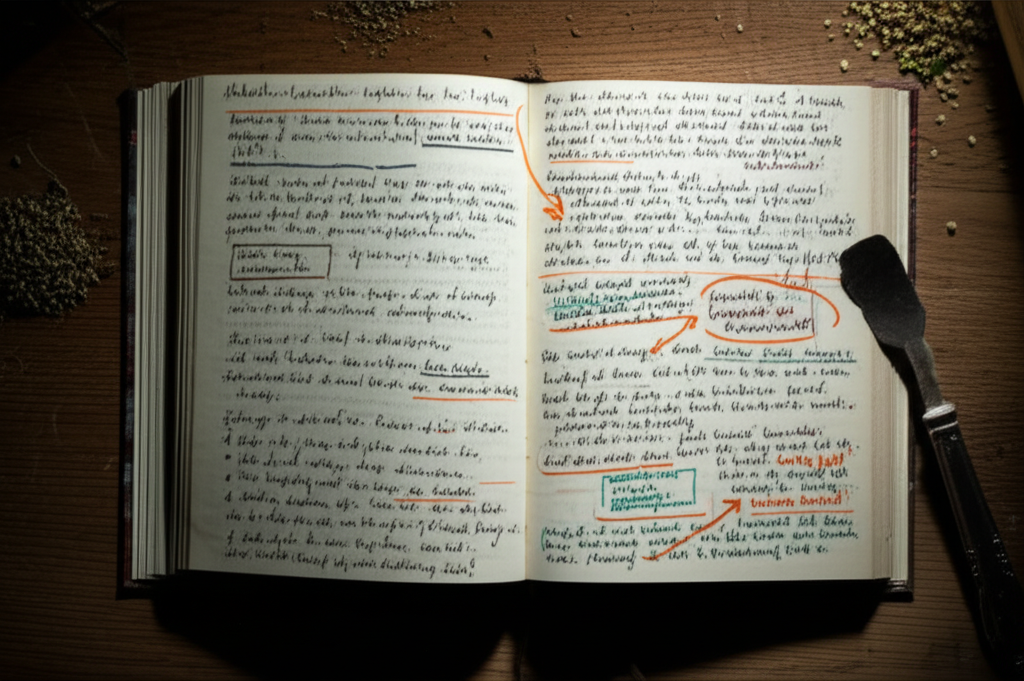
Ready to put these secrets into practice? Let’s annotate a simple recipe together. We’ll use a basic chocolate chip cookie recipe as our example.
Step 1: Print or Access Your Recipe
Find a recipe you love or want to try. Print it out so you have a physical copy to write on, or open it on a tablet if you prefer digital annotation.
Step 2: The “Before You Start” Read-Through
Read the entire recipe. Ask yourself:
- Do I have all the ingredients?
- Are there any ingredients I need to substitute? (e.g., “No brown sugar, use 1/2 cup white sugar + 2 tbsp molasses”)
- Do I have the right equipment? (e.g., “Need baking sheets, have only one clean one”)
- Are there any steps that seem unclear?
Jot down these initial thoughts in the margins or on a sticky note. For our cookie example, you might write: “Preheat oven to 375°F (190°C) – double check oven temp.”
Step 3: Annotate Each Instruction
Go through the recipe step-by-step and add details:
- Step 1: Cream butter and sugar. Add: “Use softened butter (leave out for 1 hour). Cream until light and fluffy, about 3-5 mins with mixer.”
- Step 2: Add eggs and vanilla. Add: “Add eggs one at a time, beating well after each. Mix in vanilla.”
- Step 3: Combine dry ingredients. Add: “Whisk flour, baking soda, and salt together in a separate bowl. Ensures even distribution.”
- Step 4: Gradually add dry to wet. Add: “Mix on low speed until just combined. Don’t overmix – this makes cookies tough!”
- Step 5: Stir in chocolate chips. Add: “Fold in chips gently with a spatula.”
- Step 6: Drop by spoonfuls. Add: “Use a cookie scoop for uniform size. Place 2 inches apart on baking sheet.”
- Step 7: Bake. Add: “Bake 9-11 minutes. Look for lightly golden edges, centers should still look slightly soft. They will firm up as they cool.”
- Step 8: Cool. Add: “Let cool on baking sheet for 2-3 minutes before transferring to wire rack. Crucial for them not to break!”
Step 4: Post-Cooking Reflections
After baking and tasting, add your final notes:
- “Cookies were perfect at 10 minutes. Chewy center, crisp edge.”
- “Could use a pinch more salt to balance sweetness.”
- “Next time, try chilling the dough for 30 minutes before baking for thicker cookies.”
- “Delicious with a glass of cold milk!”
Step 5: Organize and Store
File your annotated recipe in a binder, a recipe box, or save it digitally. You’ve just created a personalized masterpiece!
Common Recipe Annotation Pitfalls (And How to Avoid Them!)
While annotating is fantastic, a few common mistakes can make it less effective. Let’s ensure your notes are helpful, not hindering!
Pitfall 1: Too Much Clutter
Problem: Overwhelming the original recipe with too many notes, making it hard to read the essential instructions.
Solution: Use sticky notes for longer explanations. Be concise with your marginalia. Prioritize the most important information.
Pitfall 2: Inconsistent System
Problem: Using different methods or symbols each time, leading to confusion later.
Solution: Develop a consistent annotation system. For example, always use asterisks for critical reminders, underlines for substitutions, and a specific color for timing. Stick to it!
Pitfall 3: Not Updating
Problem: Annotating a recipe once and never revisiting it, even after subsequent attempts.
Solution: Treat your recipes as living documents. After every time you make a dish, review your previous notes and add any new insights or adjustments.
Pitfall 4: Forgetting the “Why”
Problem: Writing a note like “add more spice” without specifying which spice or how much.
Solution: Be specific! Instead of “more spice,” write “add 1/4 tsp cayenne pepper for a little heat.” This clarity is key.
Pitfall 5: Digital vs. Physical Disconnect
Problem: If you use digital notes, not having them readily available when you’re actually cooking, or vice-versa.
Solution: Choose a method that works for your workflow and stick to it. If you prefer physical, make sure your binder is handy. If digital, ensure your tablet is charged and accessible.
When to Annotate: Beyond Just Cooking
The benefits of annotation extend beyond just making a single dish perfect. Consider these scenarios:
- Holiday Baking: Ensure those special-occasion treats are flawless every year.
- Entertaining: Make notes on how to best prepare dishes for guests, including advance prep steps.
- Meal Prep: Annotate recipes for efficiency in preparing multiple meals for the week.
- Learning New Techniques: Use annotation to master new skills like bread making or pastry.
For instance, when meal prepping, you might annotate a chicken recipe with: “Cook 2 large breasts total. Shredded for salads on Tuesday, diced for tacos on Wednesday. Seasoning: add paprika for taco night.” This level of detail streamlines your entire week.
FAQs About Recipe Annotation
Q1: Is it okay to write directly on printed recipes?
A1: Absolutely! That’s one of the best ways to annotate. Using a pen or pencil allows for quick, direct feedback and modifications.
Q2: What if I have a lot of notes for one recipe?
A2: If your notes become extensive, consider using sticky notes or attaching a separate sheet of paper to the recipe. For digital users, simply continue adding to your notes within the app.
Q3: Should I annotate every single recipe I make?
A3: Not necessarily! Focus on recipes you make often, those that are complex, or ones you want to perfect. Simple, one-off recipes might not require extensive annotation.
Q4: How do I keep my annotated recipes organized?
A4: A recipe binder with page protectors is a popular choice. You can also use a recipe box with dividers or digital tools like note-taking apps or dedicated recipe software.
Q5: Can I annotate recipes I find online without printing them?
A5: Yes! Many websites allow you to “save” recipes, and some have built-in features for adding notes. Alternatively, you can copy the recipe into a word document or note-taking app on your computer or tablet.
Q6: What’s the difference between annotating and just marking a recipe?
A6: Annotation is more about adding thoughtful commentary, explanations, and personal experiences to enhance understanding and future success, rather than just highlighting text.
Conclusion: Your Personalized Culinary Journey Awaits!
Annotating recipes is a simple yet incredibly effective way to elevate your cooking. It transforms a static set of instructions into a dynamic, personalized guide that grows with your skills and tastes. By incorporating these techniques, you’re not just following recipes; you’re mastering them. You’re building a culinary library that’s uniquely yours, filled with the wisdom of your own kitchen experiences. So grab your favorite recipe, a pen, and start annotating. Happy cooking, and even happier eating!
