
Annotating a recipe means adding your own notes, tips, and modifications to make it work perfectly for your kitchen and taste. It’s a simple way to personalize recipes, track what worked, and make cooking easier and more enjoyable.
Ever pulled out a recipe only to find smudged ingredients or a forgotten temperature? It happens to the best of us! Recipes are wonderful guides, but they’re not always written for your specific kitchen or your family’s unique tastes. That’s where annotating comes in. Think of it as giving your favorite recipes a personal makeover, ensuring success every time. We’ll walk you through simple, effective ways to make your recipe collection truly your own, turning cooking from a guessing game into a joyful experience. Get ready to discover some amazing hidden tips!
Why Annotate Your Recipes? It’s More Than Just Notes!
Annotating a recipe is like having a conversation with your future self, or even with the original recipe creator, adding your own insights and experiences. It’s a powerful tool for any home cook, from absolute beginners to seasoned pros. When you take the time to annotate, you’re not just marking up paper; you’re building a culinary journal, a personalized cookbook that evolves with you.
Here’s why it’s such a game-changer:
- Ensures Future Success: Did you accidentally add too much chili powder last time? Jot it down! Annotating helps you remember what adjustments made a dish perfect, so you can replicate it flawlessly.
- Customizes to Your Taste: Your family loves garlic? You prefer less salt? Annotations are the easiest way to record these personal preferences without having to remember them every single time you cook.
- Adapts to Your Kitchen: Oven temperatures can vary, and so can ingredient availability. Annotate substitutions, cooking time adjustments, or even tips for using specific equipment you own.
- Saves Time and Reduces Stress: No more frantic searching for that stray note or trying to recall a modification. Everything you need is right there on the recipe itself.
- Creates a Culinary Memory: Recipes become more than just instructions; they become a record of your cooking journey, the meals you’ve shared, and the lessons you’ve learned.
Think of your recipe cards and printouts as living documents. They can adapt, improve, and become perfectly suited to you. It’s a simple act that makes a huge difference in your kitchen confidence.
Getting Started: The Essential Tools for Annotation
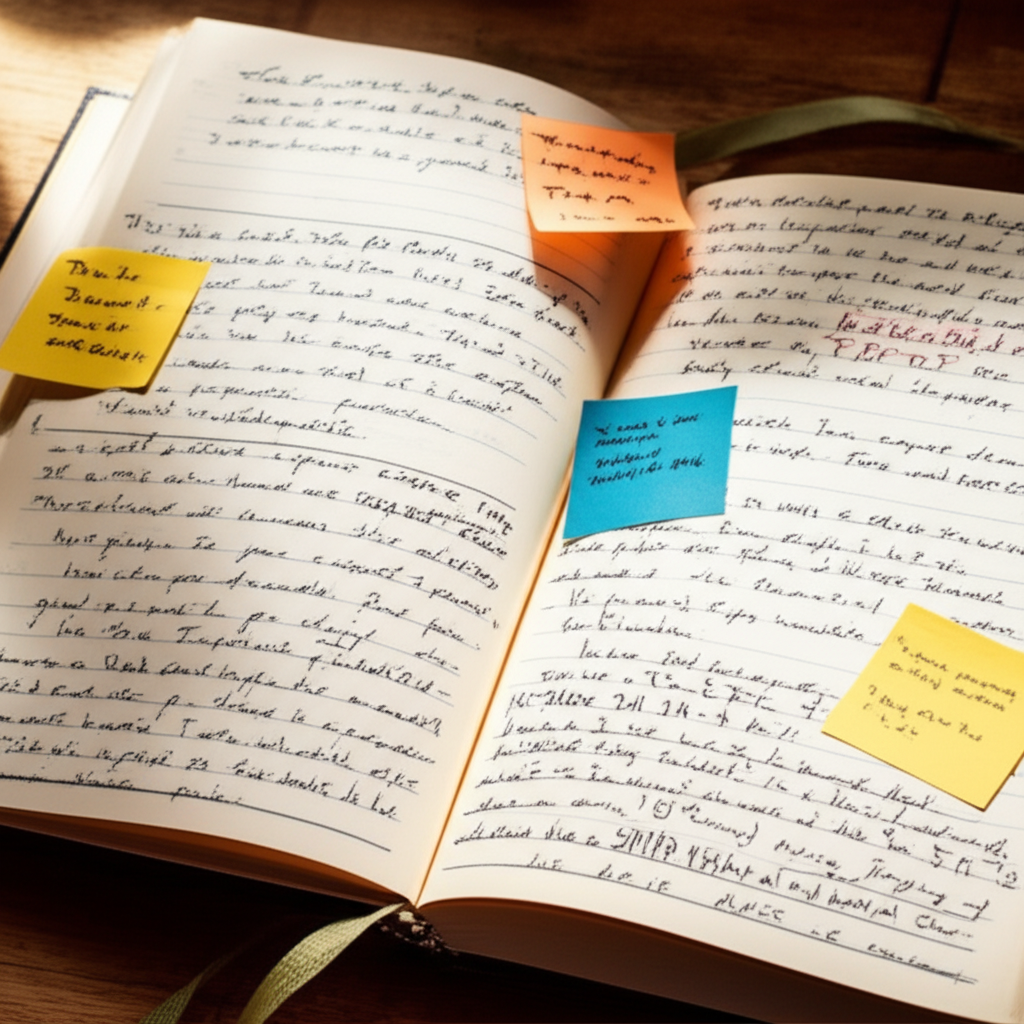
Before you dive in, let’s gather a few simple tools. You don’t need anything fancy, just the basics to make your annotation process smooth and enjoyable. These items are likely already in your kitchen or a nearby drawer!
Your Annotation Arsenal:
- Pens and Pencils: A good selection is key. Use different colors to categorize notes (e.g., red for warnings, blue for ingredient swaps, green for serving suggestions). Pencils are great for temporary notes or if you’re unsure about a change.
- Highlighters: Perfect for drawing attention to crucial steps, temperatures, or cooking times.
- Sticky Notes/Flags: Ideal for adding longer notes, reminders, or questions without permanently marking the recipe. They’re also great for marking pages in a cookbook.
- Eraser: For those times you change your mind or make a mistake.
- Optional: A Recipe Binder or Sheet Protectors: If you’re annotating printed recipes, consider a binder. Sheet protectors keep your annotated recipes clean and organized, especially if they get splattered!
Having these on hand makes the process much more efficient. You’re ready to transform those recipes!
The Art of Annotation: Step-by-Step Guide
Annotating a recipe is straightforward and can be tailored to your personal style. Here’s a breakdown of how to do it effectively, transforming any recipe into your perfect guide.
Step 1: Read Through the Entire Recipe First
Before you even pick up a pen, read the recipe from start to finish. This is crucial. It helps you understand the flow, identify any potential tricky spots, and see where your annotations might be most helpful. Imagine you’re mentally walking through the process. Are there any ingredients you need to prepare ahead of time? Any special equipment mentioned? This initial read is your mental prep.
Step 2: Identify Key Information to Highlight
As you re-read, use a highlighter or a colored pen to mark critical details:
- Temperatures: Oven, oil, or serving temperatures.
- Cooking Times: Baking, simmering, or resting times.
- Key Ingredients: Especially those that are crucial for texture or flavor.
- Specific Techniques: Like “fold gently,” “sear until golden brown,” or “do not overmix.”
This visual cue helps you quickly scan the recipe during preparation.
Step 3: Make Your Personal Modifications
This is where the real personalization happens! Think about how you like your food and what works in your kitchen.
- Ingredient Swaps: If you substitute an ingredient (e.g., almond milk for dairy milk, whole wheat flour for all-purpose), write it in next to the original ingredient. Note any adjustments needed, like adding a bit more liquid if the flour is less absorbent.
- Spice Level: Adjust quantities of herbs and spices. “Add 1/2 tsp more cumin” or “Reduce chili powder to 1/4 tsp” are common and useful annotations.
- Sweetness/Saltiness: Similar to spices, note any changes to sugar or salt.
- Dietary Needs: Mark gluten-free or dairy-free adaptations clearly.
- Portion Size: If you often halve or double a recipe, note the adjusted ingredient amounts.
Example: If a recipe calls for 1 cup of sugar and you prefer it less sweet, you might write next to “1 cup sugar” the annotation “use 3/4 cup.”
Step 4: Note Cooking Time and Temperature Adjustments
Ovens are notoriously different! If you know your oven runs hot or cold, make a note.
- “My oven runs hot, bake at 350°F instead of 375°F.”
- “Cake took 5 minutes longer to bake than stated.”
- “Reduce simmering time by 10 minutes for a thicker sauce.”
These are invaluable for perfect results every time.
Step 5: Add Technique Tips and Tricks
Did you discover a better way to achieve a certain result?
- “For crispier cookies, chill dough for 30 minutes before baking.”
- “When whisking eggs, a rubber spatula works better than a metal one for incorporating air.”
- “To prevent sticking, ensure pan is truly hot before adding oil.”
These little nuggets of wisdom are the gold of recipe annotation.
Step 6: Include Serving Suggestions and Pairings
What did you serve this dish with? What made it special?
- “Delicious served with roasted asparagus.”
- “Pairs well with a crisp white wine.”
- “Garnish with fresh parsley for extra color.”
This helps you recreate the entire meal experience.
Step 7: Record Your “Success” or “Needs Work” Verdict
A simple star, a smiley face, or a quick note like “Family favorite!” or “A bit too dry, reduce liquid next time” provides a quick reference for future cooking sessions. This is your personal rating system.
Step 8: Use Sticky Notes for More Detailed Information
For longer explanations, reminders about specific ingredient preparation (e.g., “Soak beans overnight”), or questions for next time, sticky notes are perfect. Stick them in the margin or at the top of the recipe. You can even use different colored sticky notes for different types of reminders!
By following these steps, you create a dynamic, personalized recipe that’s guaranteed to yield great results in your kitchen.
Hidden Tips for Next-Level Recipe Annotation
Beyond the basic annotations, there are some clever techniques that can elevate your recipe organization and make your cooking even more enjoyable. These are the “secret weapons” of well-annotated recipes!
Tip 1: Color-Coding for Clarity
Assign specific colors to different types of notes. This makes scanning the recipe incredibly fast and intuitive. For example:
- Red: Warnings, things to watch out for, or significant changes.
- Blue: Ingredient substitutions or additions.
- Green: Cooking time adjustments or temperature notes.
- Black/Gray: General notes, serving suggestions, or personal comments.
- Yellow/Orange: Highlighted key steps or ingredients.
This visual system can be a lifesaver when you’re in the middle of cooking and need information quickly.
Tip 2: The “Prep Ahead” Checklist
For complex recipes, a quick to-do list at the top or bottom of the recipe can be invaluable. This list details tasks that need to be done before you start the main cooking process.
- “Chop onions and garlic.”
- “Preheat oven to 375°F.”
- “Bring eggs to room temperature.”
- “Measure out all spices.”
This ensures you’re organized and ready to go, minimizing any last-minute scrambling.
Tip 3: Documenting the “Why”
Sometimes, understanding why a change was made is as important as the change itself. If you’re substituting an ingredient, briefly note why.
- “Used Greek yogurt instead of sour cream (lower fat, similar tang).”
- “Added a pinch of smoked paprika for depth.”
This helps you learn more about cooking principles and make better decisions in the future.
Tip 4: The “Next Time” Section
Dedicate a small space, perhaps at the bottom of the recipe or on a sticky note, for ideas you want to try the next time you make this dish. This is for future experiments!
- “Next time: Try adding a pinch of cayenne for a kick.”
- “Next time: Consider a sprinkle of nuts for texture.”
- “Next time: Maybe a bit less flour, dough was a little stiff.”
This keeps your recipe improvement ideas organized and readily accessible.
Tip 5: Photographing Your Creations
While not strictly annotation on the recipe itself, taking a quick photo of the finished dish and attaching it (digitally or a printed small photo) to the recipe can be a great visual reminder of what success looks like. It’s also a lovely way to document your culinary achievements!
Tip 6: Using Digital Tools Smartly
If you prefer digital, many apps allow you to edit recipes directly. You can create custom tags, add notes, and even link to your photos. For printed recipes, a simple scanner app can digitize your annotated versions for easy backup and access on your phone or tablet.
These hidden tips turn recipe annotation from a simple task into a strategic cooking advantage.
Annotation in Action: A Practical Example
Let’s take a common recipe, like Chocolate Chip Cookies, and see how annotation can transform it.
Original Recipe Snippet:
Chocolate Chip Cookies
Yields: 2 dozen cookies
Prep time: 15 minutes | Bake time: 10-12 minutes
Ingredients:
- 1 cup (2 sticks) unsalted butter, softened
- 3/4 cup granulated sugar
- 3/4 cup packed light brown sugar
- 2 large eggs
- 1 teaspoon vanilla extract
- 2 1/4 cups all-purpose flour
- 1 teaspoon baking soda
- 1/2 teaspoon salt
- 2 cups chocolate chips
Instructions:
- Preheat oven to 375°F.
- Cream together butter and sugars until light and fluffy.
- Beat in eggs one at a time, then stir in vanilla.
- In a separate bowl, whisk together flour, baking soda, and salt.
- Gradually add dry ingredients to wet ingredients, mixing until just combined.
- Stir in chocolate chips.
- Drop rounded tablespoons of dough onto ungreased baking sheets.
- Bake for 10-12 minutes, or until golden brown.
- Let cool on baking sheets for 2 minutes before transferring to wire racks to cool completely.
Annotated Recipe Snippet:
Chocolate Chip Cookies
Yields: ~24 cookies (made 20 larger ones)
Prep time: 15 min | Bake time: 10-12 min (mine took 11 min per batch at 375°F, maybe 13 next time for chewier centers?)
Ingredients:
- 1 cup (2 sticks) unsalted butter, softened (use salted if unsalted unavailable, reduce added salt to 1/4 tsp)
- 3/4 cup granulated sugar
- 3/4 cup packed light brown sugar (used dark brown for richer flavor – worked great!)
- 2 large eggs (ensure room temp for better emulsification)
- 1 teaspoon vanilla extract (used 1.5 tsp for more flavor)
- 2 1/4 cups all-purpose flour
- 1 teaspoon baking soda (oops, only had 3/4 tsp – still spread well)
- 1/2 teaspoon salt (reduced to 1/4 tsp because I used salted butter)
- 2 cups chocolate chips (used 1.5 cups semi-sweet and 0.5 cup dark chocolate chunks)
Instructions:
- Preheat oven to 375°F. CHECK OVEN TEMP WITH THERMOMETER!
- Cream together butter and sugars until light and fluffy. (Used stand mixer on medium-high for 3 min)
- Beat in eggs one at a time, then stir in vanilla.
- In a separate bowl, whisk together flour, baking soda, and salt. (Added a pinch of cinnamon here too!)
- Gradually add dry ingredients to wet ingredients, mixing until just combined. DO NOT OVERMIX!
- Stir in chocolate chips. (Folded gently to avoid breaking chunks)
- Drop rounded tablespoons of dough onto ungreased baking sheets. (Used a cookie scoop for uniform size. Placed 3 inches apart as they spread.)
- Bake for 10-12 minutes, or until golden brown. (Watched edges closely. 11 mins was perfect for chewy.)
- Let cool on baking sheets for 2 minutes before transferring to wire racks to cool completely. (Crucial step – they finish cooking on the hot pan!)
Notes:
- Family Favorite! These were a huge hit.
- Next time: Try chilling the dough for 30 mins before baking for even thicker cookies.
- Serving Suggestion: Great with a glass of cold milk!
This annotated version provides a wealth of personalized information that makes cooking this recipe again much easier and more successful.
Common Recipe Annotation FAQs
Got questions about making your recipes work for you? We’ve got answers!
Q1: Can I annotate any recipe, even digital ones?
Absolutely! For digital recipes (like PDFs or web pages), you can often use annotation tools within your browser or PDF reader. Many note-taking apps also allow you to import recipes and add text or drawings. Some recipe apps are specifically designed for this.
Q2: What if I make a mistake while annotating?
Don’t worry! That’s what erasers and sticky notes are for. If you’re using a pencil, erasing is simple. If you’ve used pen, a small piece of tape can sometimes lift ink, or you can simply write your correction clearly next to or above the mistake, or use a sticky note to cover it.
Q3: How do I avoid making my recipes look messy?
Start small! Focus on key changes and tips. Using neat handwriting, color-coding, and sticky notes can help maintain clarity. Think of it as organizing information, not just scribbling. Reading the recipe fully before you start annotating also helps you plan where your notes will go.
Q4: Should I annotate every single recipe I have?
Not necessarily! Focus on recipes you make often, recipes that have given you trouble in the past, or recipes you want to adapt for special occasions or dietary needs. Your most-loved and most-used recipes are the best candidates for annotation.
Q5: What’s the best way to store annotated recipes?
If you’re using physical recipes, a recipe binder with sheet protectors is excellent. It keeps them organized, protected from spills, and easy to flip through. For digital recipes, ensure you have a reliable backup system (like cloud storage) so you don’t lose your valuable notes.
Q6: Is it okay to annotate a recipe I’ve only made once?
Yes! Even after one try, you might have learned something important. Perhaps an ingredient was hard to find, a step was confusing, or you had a brilliant idea for a substitution. Annotating early can save you trouble the next time you prepare it.
Q7: How do I decide what information is important enough to annotate?
Think about what would genuinely help you or someone else cook this recipe successfully in the future. This includes personal taste adjustments, cooking time variations, ingredient substitutions, or any tips that made the process easier or the outcome better. If you think, “I need to remember this,” then it’s probably worth annotating.
Organizing Your Annotated Recipe Collection
Once you start annotating, your collection will grow! Having a good organization system ensures you can easily find the recipe you need when you need it. This is key to making your annotations work for you long-term.
Physical Organization:
- Recipe Binder: This is a classic for a reason. Use a three-ring binder and invest in clear plastic sheet protectors. This keeps your recipes clean, dry, and easy to flip through. You can organize by meal type (appetizers, mains, desserts), cuisine, or even by season.
- Recipe Box: If you prefer index cards or smaller recipe clippings, a decorative recipe box can be a charming way to store them. Use dividers to categorize.
- Dedicated Cookbook: If you’re annotating a published cookbook, you can use sticky notes for temporary annotations or write directly in the margins if you don’t mind marking the book.
Digital Organization:
- Recipe Apps: Many apps like Paprika, AnyList, or Copy Me That allow you to import recipes from the web and add your own notes, photos, and custom tags. This is incredibly powerful for managing a large digital collection.
- Cloud Storage (Google Drive, Dropbox, Evernote): You can save scanned or photographed recipes as PDFs or images. Use clear file names and create folders for easy searching. Evernote is particularly good for its search capabilities and ability to add notes to any saved item.
- Spreadsheets: For a more structured approach, a spreadsheet can track recipe names, sources, key modifications, and even links to digital versions.
Tips for Maintaining Your System:
- Be Consistent: Whatever system you choose, stick to it. This makes finding recipes much easier.
- Regularly Review: Every so often, go through your recipes. You might discover new annotations or realize a recipe needs updating.
- Back Up Digital Files: Crucial! Ensure your digital recipes are backed up to prevent data loss.
An organized collection means less stress and more time enjoying the cooking process.
Conclusion
Annotating recipes is a simple yet incredibly effective way to elevate your home cooking. It transforms generic instructions into a personalized, foolproof guide tailored specifically to your kitchen, your ingredients, and your taste buds. By taking a few extra moments to jot down notes, highlight key steps, and record your modifications, you’re not just improving your chances of culinary success; you’re building a valuable record of your cooking journey.
From ensuring the perfect spice level to remembering that one trick that made your cookies extra chewy, these annotations are your secret to consistent, delicious results. So, grab your favorite pen, pull out that recipe you love (or one that’s given you trouble!), and start annotating. Your future, more confident and accomplished cooking self will thank you!
