
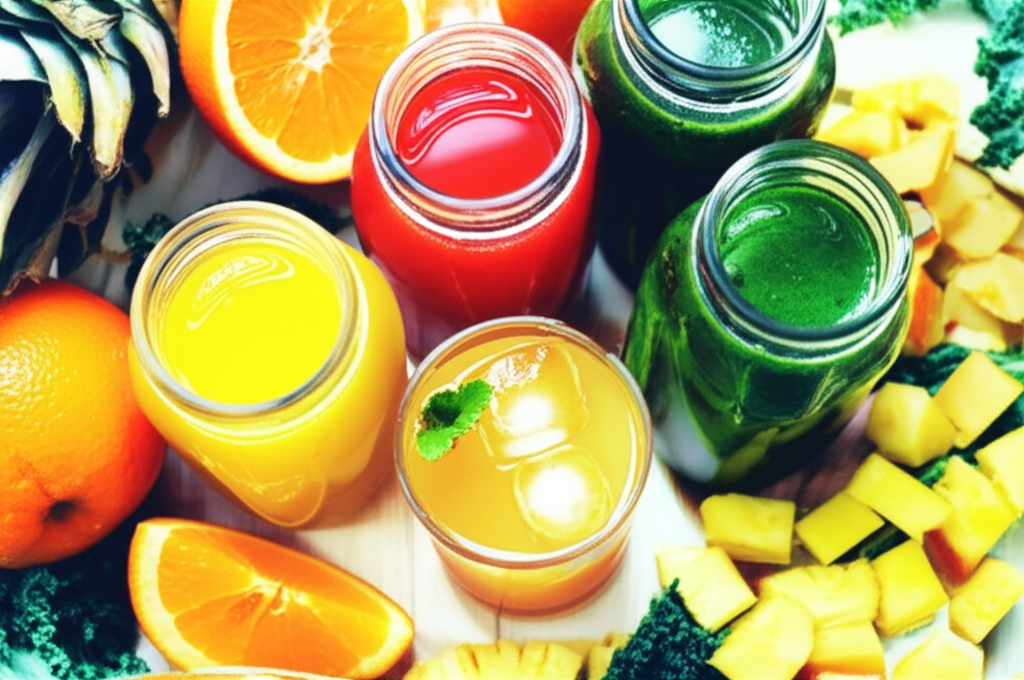
Homemade juice can last from 24 to 72 hours when stored properly in an airtight container in the refrigerator. Factors like ingredients, preparation method, and storage play a crucial role in its freshness and safety. Learn how to maximize your juice’s lifespan and enjoy its vibrant goodness!
Welcome, juice lovers! Ever whipped up a vibrant, nutrient-packed juice, only to wonder how long that delicious concoction will stay fresh? It’s a common question, and one that can leave you feeling a little uncertain about enjoying your homemade goodness. You want to savor every drop, but you also want to be sure it’s safe and tasty. We get it! That’s why we’re diving deep into the world of homemade juice storage. Get ready to unlock the secrets to keeping your juices at their peak, from the moment they’re pressed to the last refreshing sip.
The Shocking Truth: How Long Does Homemade Juice Really Last?
Let’s get straight to it: the shelf life of homemade juice is shorter than you might think, but with the right knowledge, you can extend it and enjoy all its benefits without worry. Unlike store-bought juices that undergo pasteurization or other preservation processes, fresh, homemade juice is a living beverage. This means it’s packed with active enzymes and nutrients, but it also means it’s susceptible to spoilage.
The “shocking truth” isn’t about danger, but about understanding the delicate nature of fresh juice. Think of it like a fresh flower; it’s beautiful and vibrant, but it won’t last forever without care. The key lies in understanding the science behind it and adopting best practices for storage.
Why Does Homemade Juice Have a Limited Shelf Life?
When you juice fruits and vegetables, you’re essentially breaking down their cell walls, releasing all those wonderful vitamins, minerals, and enzymes. This process also exposes them to oxygen and naturally occurring bacteria. Here’s a breakdown of why freshness is a fleeting, precious thing:
- Oxidation: Exposure to air causes nutrients, especially vitamin C, to degrade. This can also lead to changes in color and flavor, making the juice taste “off.”
- Enzyme Activity: The natural enzymes in the juice continue to work, which can alter the taste and texture over time.
- Bacterial Growth: Even with clean equipment, trace amounts of bacteria from the produce can be present. In the right conditions (like room temperature), these bacteria can multiply rapidly, leading to spoilage and potential health risks.
- Loss of Nutrients: Vitamins like C and some B vitamins are sensitive to light, air, and heat, and their potency diminishes quickly after juicing.
Factors Influencing Homemade Juice Shelf Life
Not all homemade juices are created equal when it comes to how long they’ll keep. Several critical factors determine their longevity:
1. The Juicing Method
How you extract the juice makes a big difference. Centrifugal juicers, while fast, can aerate the juice more, speeding up oxidation. Slow masticating juicers (also known as cold-press juicers) tend to produce juice with less air exposure and can therefore last slightly longer.
According to the USDA Food Safety and Inspection Service, proper food handling and storage are paramount to preventing foodborne illnesses, and this applies to homemade juices as well.
2. Ingredients Used
The types of fruits and vegetables you juice play a significant role. High-sugar fruits can ferment more quickly than lower-sugar vegetables. Leafy greens and root vegetables tend to hold up better than softer, more watery fruits.
For example, a juice primarily made of apples and carrots might last a bit longer than one heavy on berries or citrus fruits.
3. Preparation and Pasteurization (Optional)
While most home juicers aim for raw, unpasteurized juice, some may opt for a quick home pasteurization to extend shelf life. This typically involves gently heating the juice. However, it’s important to note that heating can reduce some of the beneficial enzymes and heat-sensitive vitamins.
For those focusing on raw juice, meticulous cleaning of all juicing equipment and produce is non-negotiable.
4. Storage Container
The container you use is crucial. Airtight glass bottles or jars are ideal. Plastic containers can sometimes leach chemicals or allow more air to penetrate. The less headspace (air) in the container, the better, as it minimizes oxidation.
5. Storage Temperature
Refrigeration is your best friend. Keeping your juice at a consistent, cold temperature (below 40°F or 4°C) significantly slows down bacterial growth and enzymatic activity.
Your Guide to Maximizing Homemade Juice Freshness
Ready to make your delicious homemade juices last as long as possible? Follow these simple, actionable steps:
- Start with Fresh, High-Quality Produce: Always use the freshest fruits and vegetables you can find. Wash them thoroughly to remove dirt and any potential contaminants.
- Clean Your Juicer Meticulously: After each use, disassemble and clean all parts of your juicer. Residual pulp and juice can harbor bacteria.
- Juice in Small Batches: Unless you have a very efficient juicer and a plan to consume it quickly, avoid making large quantities at once.
- Minimize Air Exposure: As soon as you finish juicing, pour the juice into your storage container. Fill the container as close to the brim as possible to reduce air in the headspace.
- Use the Right Storage Containers: Opt for airtight glass bottles or jars. Mason jars with tight-fitting lids are excellent.
- Chill Immediately: Place your sealed juice containers in the coldest part of your refrigerator as soon as possible.
- Consider a Cold-Press Juicer: If you’re serious about maximizing shelf life and nutrient retention, investing in a masticating or cold-press juicer can be beneficial.
How Long Does Homemade Juice Last? A Practical Breakdown
To give you a clearer picture, here’s a general guideline for how long different types of homemade juices typically last when stored correctly in an airtight container in the refrigerator:
| Type of Juice | Typical Shelf Life (Refrigerated, Airtight) | Notes |
|---|---|---|
| Green Juices (Kale, Spinach, Cucumber, Celery) | 48-72 hours | Generally last longer due to lower sugar content and firmer structure. |
| Fruit Juices (Apple, Pear, Orange) | 24-48 hours | Higher sugar content can lead to faster fermentation. Softer fruits may degrade faster. |
| Mixed Vegetable & Fruit Juices | 24-72 hours | Depends heavily on the ratio of fruits to vegetables. More fruit = shorter life. |
| Ginger/Turmeric Shots | 72 hours – 1 week | When juiced alone and stored properly, these potent shots can last longer. |
It’s always best to err on the side of caution. If your juice looks cloudy, smells off, or has a strange texture, it’s best to discard it.
When to Toss Your Homemade Juice: Signs of Spoilage
Your senses are your best defense against consuming spoiled juice. Here are the key indicators:
- Off Odor: Any smell that isn’t fresh and bright, especially sour, fermented, or yeasty aromas, is a red flag.
- Unpleasant Taste: If it tastes sour, bitter, or just “wrong,” don’t drink it.
- Visible Mold: Even a tiny speck of mold means the entire batch is compromised.
- Cloudiness or Sediment: While some natural settling is normal, excessive cloudiness or a frothy appearance can indicate bacterial activity.
- Fizzy or Bubbly: This is a clear sign of fermentation, meaning yeast and bacteria have been at work.
Can You Freeze Homemade Juice?
Yes, you absolutely can freeze homemade juice! Freezing is an excellent way to preserve it for much longer periods, typically 3-6 months. This is a fantastic option if you tend to juice in larger batches.
How to Freeze Homemade Juice:
- Choose Freezer-Safe Containers: Use airtight freezer bags, ice cube trays, or sturdy freezer-safe containers. Leave a little headspace in rigid containers as the liquid will expand when frozen.
- Portion It Out: Freezing in single-serving sizes or ice cube trays makes it easy to thaw only what you need.
- Label and Date: Always label your frozen juice with the contents and the date it was frozen.
- Thaw Safely: Thaw frozen juice in the refrigerator. Avoid thawing at room temperature, as this can encourage bacterial growth.
Keep in mind that freezing can slightly alter the texture of the juice, but the nutritional benefits largely remain intact.
Juice for Specific Needs: Wisdom Teeth, Hydration, and More
Homemade juices are wonderfully versatile and can be particularly beneficial for specific situations:
- Wisdom Teeth Recovery: Smoothies and juices are lifesavers when chewing is difficult. Think nutrient-dense options with soft fruits like bananas, berries, and hydrating liquids like coconut water or cucumber juice. Avoid acidic juices like pure citrus, as they can irritate the surgical sites. A good option might be a blend of cucumber, celery, and a small amount of apple.
- Hydration Boost: Watermelon, cucumber, and celery juices are incredibly hydrating, packed with electrolytes and water content. They’re perfect for post-workout recovery or simply increasing your fluid intake on a hot day.
- Digestive Aid: Ginger, pineapple, and papaya juices are known for their digestive properties. A small shot of ginger juice or a blend incorporating these can be very soothing.
- Acid Reflux/GERD: For those sensitive to acidity, sticking to lower-acid options is key. Green juices with cucumber, celery, zucchini, and perhaps a touch of carrot are generally well-tolerated. Avoid citrus, tomatoes, and very sweet fruit juices.
Always consult with a healthcare professional for personalized dietary advice, especially when dealing with medical conditions.
Frequently Asked Questions About Homemade Juice Shelf Life
Q1: Can I drink homemade juice that’s been in the fridge for 3 days?
A1: It depends on the ingredients. Green juices might be okay for up to 3 days if stored perfectly, but fruit-heavy juices are best consumed within 24-48 hours. Always check for signs of spoilage like off smells or tastes.
Q2: Does storing juice in a plastic bottle affect how long it lasts?
A2: Yes, plastic bottles can allow more oxygen to penetrate than airtight glass containers, potentially speeding up oxidation and reducing shelf life. Glass is always preferred for longer storage.
Q3: Is it safe to drink homemade juice left out overnight?
A3: No, it is not safe. Bacteria can multiply rapidly at room temperature. Always refrigerate your juice promptly and never consume it if it’s been left out for more than two hours.
Q4: How can I tell if my homemade juice has gone bad?
A4: Look for changes in smell (sour, fermented), taste (bitter, off), appearance (cloudy, bubbly, mold), or texture. If you notice any of these, discard the juice immediately.
Q5: Will adding lemon to my juice make it last longer?
A5: Lemon juice is acidic and has some natural preservative qualities. Adding a small amount of lemon can slightly extend the shelf life and also helps to inhibit oxidation, preserving color and nutrients.
Q6: Can I can or bottle homemade juice like I do jam?
A6: Canning homemade juice at home is generally not recommended. The process requires specific equipment and precise temperature controls to ensure safety and prevent spoilage, and it can also significantly degrade the nutritional value and fresh taste.
The Sweet Conclusion: Enjoying Freshness with Confidence
Understanding how long homemade juice lasts isn’t about limiting your enjoyment; it’s about empowering you to savor the freshest, most vibrant flavors and nutrients possible. By following best practices for juicing, storage, and recognizing the signs of spoilage, you can confidently incorporate delicious homemade juices into your daily routine.
Remember, the magic of homemade juice is in its freshness. While you can extend its life with proper techniques like cold-pressing and airtight refrigeration, it’s always best to consume it as soon as you can. Don’t be afraid to experiment with small batches, store them wisely, and always trust your senses. Happy juicing, and here’s to your health and delicious sips!
