
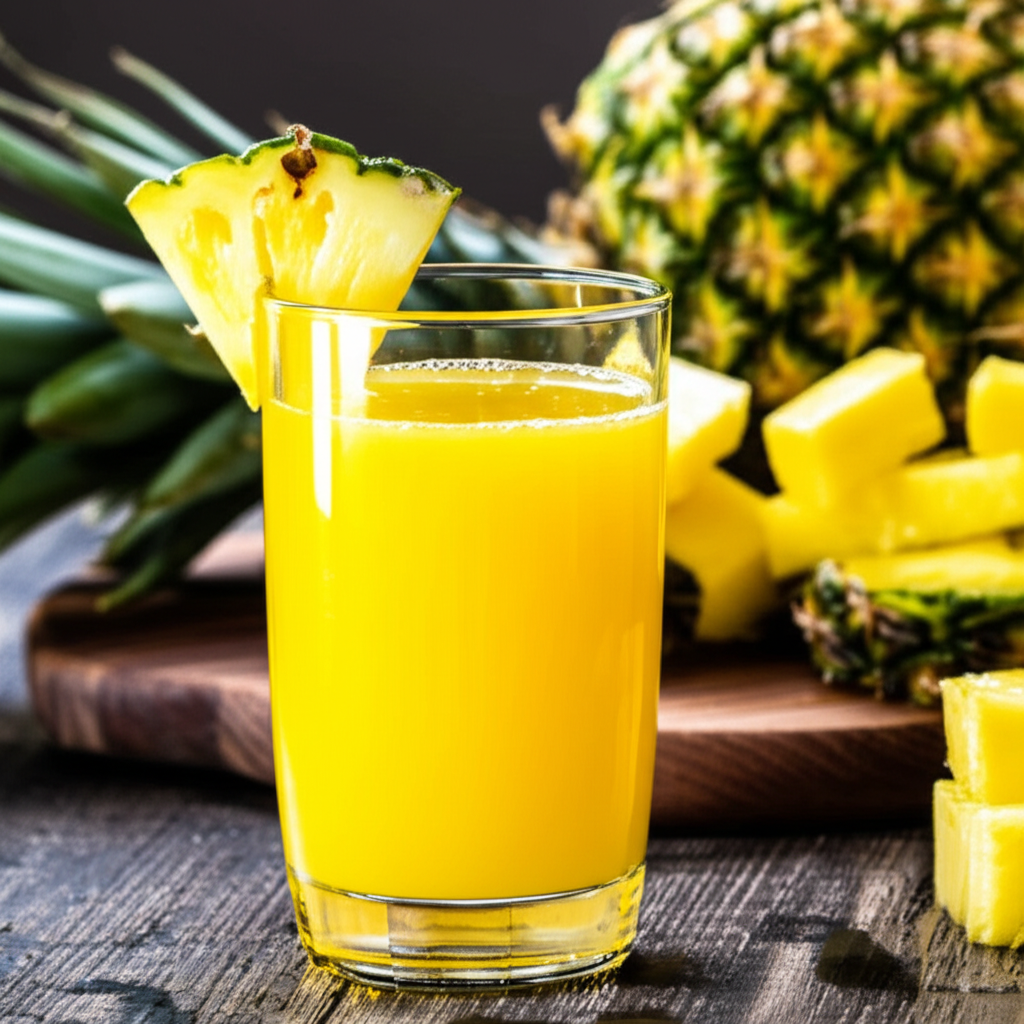
Yes, pineapple juice absolutely expires! While fresh, homemade juice is best enjoyed immediately, store-bought versions have a shelf life determined by packaging and preservatives. We’ll reveal how to tell if your pineapple juice has gone bad and how to keep it fresh for longer.
Have you ever stood in front of your fridge, a glass of bright yellow pineapple juice in hand, and wondered, “Is this still good?” It’s a common kitchen question, especially with so many delicious juices available. You want to enjoy that tropical sweetness, but the thought of drinking something past its prime is unsettling. Don’t worry! Figuring out the freshness of your pineapple juice is simpler than you think. We’ll walk you through everything you need to know, from understanding expiration dates to spotting signs of spoilage. Get ready to sip with confidence!
The Shocking Truth: When Does Pineapple Juice Go Bad?
The straightforward answer is: it depends! The “expiration” of pineapple juice isn’t a single, fixed date. Instead, it’s a spectrum influenced by several key factors. Understanding these will help you make informed choices about your favorite tropical drink.
Unpacking the Factors Affecting Pineapple Juice Freshness
Several elements play a crucial role in how long pineapple juice remains safe and delicious:
- Processing and Pasteurization: Commercially produced pineapple juice is often pasteurized. This heat treatment kills harmful bacteria and extends shelf life significantly. Unpasteurized or fresh-pressed juices, however, have a much shorter window of freshness.
- Added Preservatives: Many store-bought juices contain preservatives like citric acid or sodium benzoate. These ingredients help inhibit microbial growth, further increasing the juice’s longevity.
- Packaging: The type of container matters. Sealed, unopened cartons or bottles are designed to maintain freshness. Once opened, exposure to air and contaminants dramatically speeds up spoilage.
- Storage Conditions: Refrigeration is key! Even unopened juice should be stored properly. Once opened, consistent, cold temperatures are vital to slow down bacterial activity.
Store-Bought vs. Fresh-Pressed: What’s the Difference?
This is where the “shocking truth” really comes into play for many juice lovers. The journey from pineapple to glass looks very different for commercial and homemade juices.
Store-Bought Pineapple Juice:
- Shelf Stability: Typically shelf-stable until opened, thanks to pasteurization and preservatives.
- “Best By” Dates: These dates are about quality, not safety. The juice might lose some flavor or nutrients after this date but is usually safe to consume for a while longer if stored correctly.
- Opened Shelf Life: Once opened, most store-bought pineapple juices will last about 5-7 days in the refrigerator.
Fresh-Pressed/Homemade Pineapple Juice:
- No Preservatives: Lacks the chemical safeguards of commercial versions.
- Pasteurization: Typically not pasteurized, meaning natural enzymes and bacteria are still active.
- Short Shelf Life: Best consumed within 24-48 hours when stored in an airtight container in the refrigerator.
It’s like the difference between a pre-packaged meal and a home-cooked one – both can be delicious, but their lifespans and storage needs are entirely different!
How to Tell if Your Pineapple Juice Has Expired
Trusting your senses is the best way to determine if pineapple juice is no longer good to drink. Look, smell, and even a tiny taste (if you’re unsure but it passes the other tests) can tell you a lot.
The Visual Cues: What to Look For
Before you even smell it, take a good look:
- Mold Growth: Any fuzzy or discolored spots on the surface or sides of the container are a definite sign of spoilage.
- Cloudiness or Sediment: While some natural pulp can settle, excessive cloudiness or unusual sediment in juice that should be clear can indicate bacterial activity.
- Color Changes: A significant darkening or browning of the juice could suggest oxidation or spoilage.
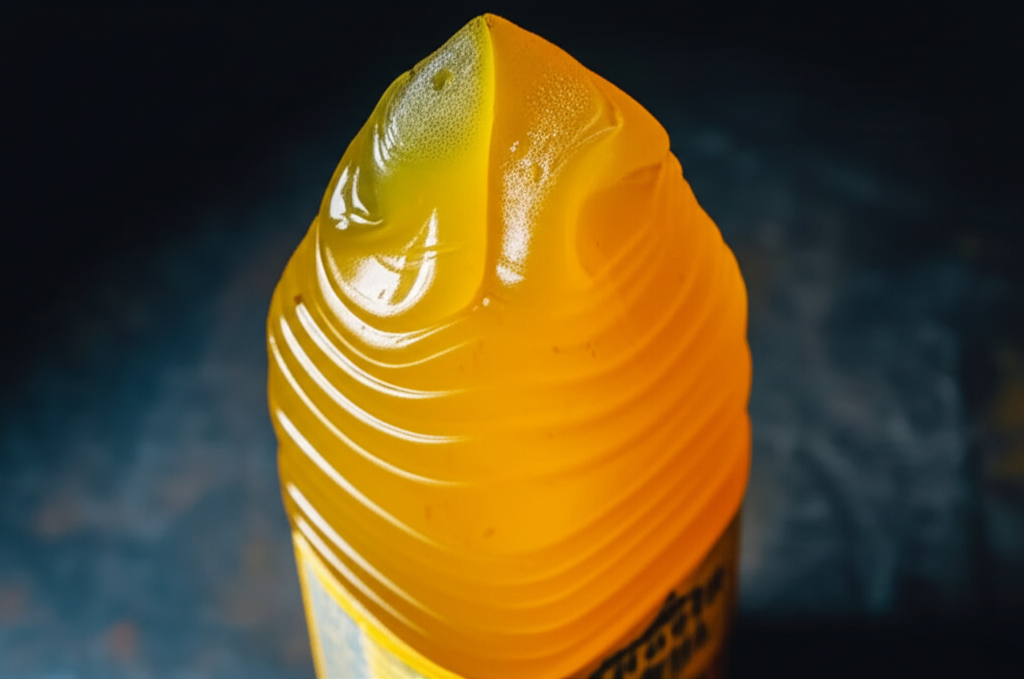
- Packaging Bulge: For sealed containers, if the carton or bottle appears swollen or bulging, it could be a sign of gas produced by bacteria, indicating spoilage. This is a critical safety warning.
The Olfactory Test: Trust Your Nose
Smell is one of your most powerful tools:
- Fermented or Sour Aroma: Fresh pineapple juice has a sweet, tropical scent. If it smells sour, vinegary, or fermented, it has likely gone bad.
- “Off” Smells: Any unusual or unpleasant odor that doesn’t resemble fresh pineapple is a red flag.
The Taste Test (Use with Caution!)
If the juice passes the visual and smell tests, a tiny sip can confirm its quality. However, if you have any doubts, it’s best to err on the side of caution and discard it.
- Sour or Fizzy Taste: Even a slight sourness or a fizzy sensation can indicate fermentation.
- Off-Flavor: If it just doesn’t taste like pineapple, or tastes “off,” it’s time to say goodbye.
Remember, food safety is paramount. If in doubt, throw it out!
Storing Pineapple Juice for Maximum Freshness
Proper storage is the secret weapon against premature spoilage. Whether it’s store-bought or homemade, treating your juice right will keep it tasting great and safe to drink.
Storing Unopened Pineapple Juice
For those cartons and bottles waiting to be enjoyed:
- Pantry Storage (Most Commercially Packaged): Most shelf-stable, commercially produced pineapple juices can be stored in a cool, dark pantry or cupboard until their “best by” date.
- Refrigeration (Some Varieties): Some juices, especially those marketed as “raw” or “unpasteurized,” may require refrigeration even when unopened. Always check the packaging for specific instructions.
- Avoid Extreme Temperatures: Keep away from direct sunlight and heat sources, as these can degrade quality and potentially affect safety.
Storing Opened Pineapple Juice
Once that seal is broken, it’s a different ballgame:
- Refrigerate Immediately: As soon as you open a carton or bottle, transfer any leftover juice to an airtight container and place it in the refrigerator.
- Airtight Container is Key: Use a glass jar with a tight-fitting lid or a BPA-free plastic container. This minimizes exposure to air, which causes oxidation and can introduce bacteria.
- Keep it Cold: The colder, the better. Store juice on a refrigerator shelf, not in the door, where temperatures fluctuate more.
- Consume Promptly: Aim to finish opened pineapple juice within 3-5 days for the best quality and safety, especially if it’s fresh-pressed. For pasteurized juices, you might get up to 7 days, but always check for signs of spoilage.
Tips for Homemade Pineapple Juice
If you’re making your own vibrant pineapple juice, here are some extra tips:
- Cleanliness is Crucial: Ensure all your juicing equipment and storage containers are thoroughly washed and sanitized.
- Use Fresh, Ripe Pineapples: The quality of your starting ingredient directly impacts the juice’s flavor and shelf life.
- Strain Well: Removing as much pulp as possible can sometimes help with clarity and reduce potential areas for bacteria to hide, though some prefer the fiber.
- Chill Quickly: Refrigerate your freshly squeezed juice as soon as it’s made.
For a deeper dive into juice preservation, the USDA’s Food Safety and Inspection Service offers excellent general guidance on storing food safely.
Pineapple Juice and Your Health: Beyond Expiration Dates
While we’re focused on freshness, it’s worth noting why pineapple juice is a popular choice for many. Its natural goodness extends beyond just taste!
Hydration and Electrolytes
Pineapple juice is wonderfully hydrating. It contains natural electrolytes like potassium, which are essential for maintaining fluid balance in the body. This makes it a great post-workout refresher or a simple way to boost your fluid intake on a warm day.
Digestive Aid: Bromelain Power
Pineapple is famous for bromelain, an enzyme complex that aids digestion. Bromelain helps break down proteins, which can be beneficial for those experiencing indigestion or bloating. For individuals recovering from dental procedures, like wisdom teeth removal, the anti-inflammatory properties of bromelain can also be soothing, though care should be taken with acidic foods.
Nutrient Boost
Pineapple juice is a good source of Vitamin C, an important antioxidant that supports immune function and skin health. It also provides manganese, crucial for bone health and metabolism.
Potential Concerns: Acidity
It’s important to be aware that pineapple juice is quite acidic. For individuals with conditions like acid reflux or GERD, consuming pineapple juice might exacerbate symptoms. If you experience discomfort, it’s always best to consult with a healthcare professional.
Understanding these health aspects can help you incorporate pineapple juice into your diet mindfully.
Troubleshooting Common Pineapple Juice Questions
We’ve gathered some frequently asked questions to clear up any lingering doubts you might have about your favorite tropical drink.
FAQ: Your Pineapple Juice Questions Answered
Q1: Can I drink pineapple juice if it’s past the “Best By” date?
A1: Usually, yes, if it’s store-bought and unopened. The “Best By” date refers to peak quality, not safety. Check for signs of spoilage (mold, off smell, bulging container). If it looks and smells fine, a small taste can confirm. However, for fresh-pressed juice, stick strictly to the 24-48 hour rule.
Q2: My homemade pineapple juice smells a little fizzy. Is it still okay?
A2: No, a fizzy smell or taste indicates fermentation, meaning bacteria have begun to break down the sugars. This juice is no longer safe to drink and should be discarded.
Q3: How long does unopened canned pineapple juice last?
A3: Unopened canned pineapple juice, if stored properly in a cool, dark place, can often last for 1-2 years past the “Best By” date, maintaining reasonable quality. Again, always check for any signs of spoilage.
Q4: Can pineapple juice help with a sore throat?
A4: Some people find warm pineapple juice with honey and ginger soothing for a sore throat due to its vitamin C content and the potential anti-inflammatory properties of bromelain. However, its acidity might irritate some throats, so it’s not a universal remedy.
Q5: What happens if I drink expired pineapple juice?
A5: Drinking slightly expired but spoiled juice might lead to an upset stomach, nausea, or vomiting, similar to other foodborne illnesses. The severity depends on the type and extent of contamination.
Q6: Is it safe to freeze pineapple juice?
A6: Yes, freezing is a great way to extend the life of pineapple juice! Store it in freezer-safe containers, leaving some headspace for expansion. Frozen juice can last for several months. Thaw it in the refrigerator.
Q7: Does the type of pineapple matter for juice expiration?
A7: For homemade juice, the ripeness and freshness of the pineapple itself are key. Overripe pineapples can ferment more quickly. For store-bought, the processing method (pasteurized vs. raw) is far more significant than the original pineapple’s ripeness.
A Quick Recap: Pineapple Juice Freshness at a Glance
To make it super easy, here’s a handy table summarizing the key shelf life expectations:
| Type of Pineapple Juice | Unopened Shelf Life | Opened Shelf Life (Refrigerated) |
|---|---|---|
| Store-Bought (Pasteurized) | Until “Best By” Date (often longer if stored properly) | 5-7 days |
| Store-Bought (Unpasteurized/Raw) | As per packaging (often requires refrigeration) | 2-4 days |
| Homemade/Fresh-Pressed | 24-48 hours (refrigerated) | Best consumed immediately; discard after 24 hours if stored. |
This table provides a general guideline. Always use your senses to check for spoilage!
Conclusion: Sip Safely and Enjoy!
So, does pineapple juice expire? Absolutely! But with a little knowledge about processing, packaging, and proper storage, you can confidently enjoy its tropical goodness. Whether you’re reaching for a carton from the grocery store or savoring a batch of fresh-pressed juice you made yourself, knowing how to check for freshness is your best bet for a delicious and safe experience. Remember to always look for visual cues, trust your nose, and refrigerate opened juice promptly in an airtight container. By following these simple guidelines, you can ensure every sip of pineapple juice is as refreshing and delightful as the first!
