
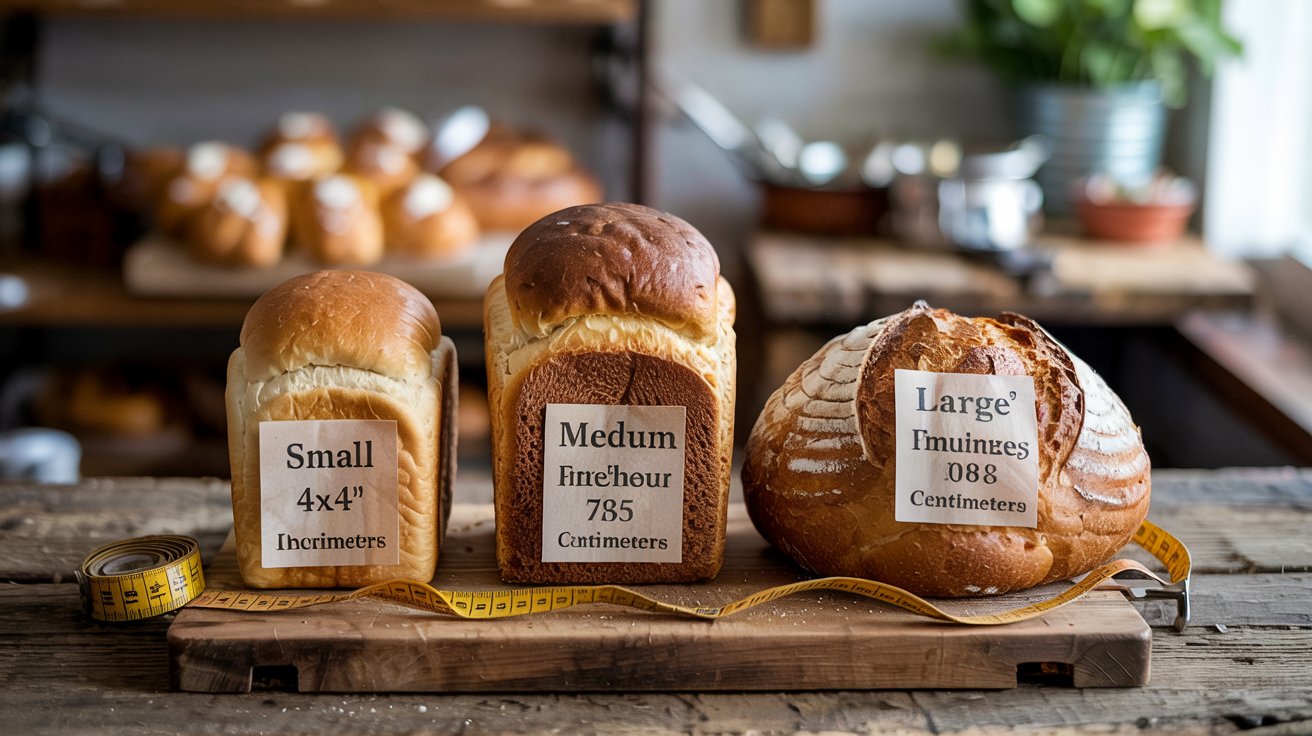
Are you tired of guessing the right bread size for your recipes or meals? Choosing the perfect loaf can be confusing, especially when sizes and shapes vary so much.
Imagine knowing exactly which bread size fits your sandwich, toast, or dinner table without any guesswork. This bread size chart will help you make smart choices every time. Keep reading, and you’ll discover simple tips that save you time, reduce waste, and make your meals just right.
Your next loaf will be exactly what you need.
Common Bread Sizes
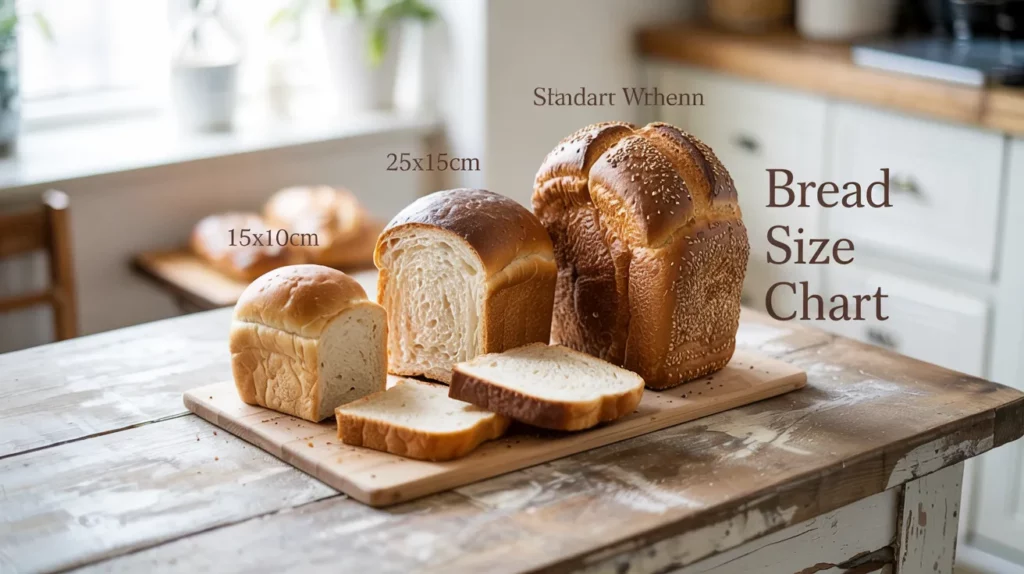
Bread comes in many sizes. Each size serves a different purpose. Knowing common bread sizes helps when baking or buying bread. It also helps with recipes and serving portions.
? Bread Size Chart
| Bread Type | Typical Size | Dimensions | Best Use |
|---|---|---|---|
| Standard Loaf | Medium | 9″ × 5″ × 3″ | Sandwiches, toast, everyday use |
| Small Loaf | Small | 8″ × 4″ × 2.5″ | Light meals, small families |
| Large Loaf | Large | 10″ × 5″ × 4″ | Big sandwiches, family servings |
| Boule (Round) | Artisan | 6–8″ diameter | Soups, dipping, artisan meals |
| Batard (Oval) | Artisan | 10–12″ long | Sandwiches, table bread |
| Baguette | Long | 22–26″ long | Garlic bread, sandwiches |
| Dinner Rolls | Mini | 3–4″ each | Parties, sides |
| Flatbread | Thin | 8–12″ round/rect | Wraps, pizzas |
Standard Loaf Dimensions
Standard loaves are the most common bread size. They usually measure about 9 inches long, 5 inches wide, and 3 inches high. This size fits most bread pans. It works well for sandwiches and toast. Many recipes are designed for this loaf size.
Artisan Bread Sizes
Artisan breads vary widely in size and shape. Common artisan loaves include boules, batards, and baguettes. A boule is round and about 6 to 8 inches in diameter. Batards are oval, usually 10 to 12 inches long. Baguettes are long and thin, around 24 inches. Artisan breads often have a crusty exterior and soft interior.
Specialty Bread Variations
Specialty breads come in unique shapes and sizes. Examples include sandwich rolls, dinner rolls, and flatbreads. Rolls typically measure 3 to 4 inches in diameter. Flatbreads can be round or rectangular and vary greatly. Specialty breads suit different meals and occasions. They add variety to any bread basket.
Factors Affecting Bread Size
Bread size depends on many factors during baking. Each step changes how large or small the bread becomes. Understanding these factors helps you bake bread with the perfect size and texture. Below are key elements that affect bread size significantly.
Dough Hydration Levels
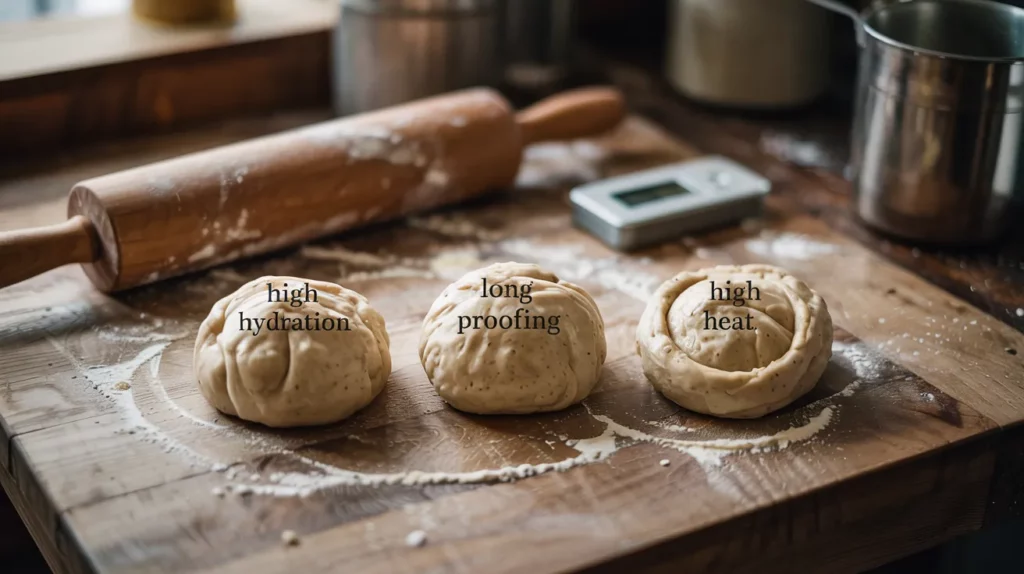
Hydration means the amount of water in the dough. More water makes dough softer and stickier. This helps the dough rise higher and makes the bread bigger. Less water results in firmer dough and smaller bread. Finding the right hydration balance is important for good bread size.
Proofing Time Impact
Proofing is the resting period for dough to rise. Longer proofing lets yeast produce more gas. Gas expands the dough, making bread larger and lighter. Short proofing can cause dense and small bread. Watching proofing time closely changes the bread size.
Baking Temperature Effects
Oven heat affects how bread expands and bakes. High temperature makes bread rise quickly and form a crust. This can limit size if crust hardens too fast. Lower temperature allows slow rising and more even size. Choosing the right baking temperature controls bread growth.
Choosing The Right Pan
Choosing the right pan matters a lot in bread baking. The pan affects the bread’s shape, size, and baking time. Picking the correct pan helps you get the best results every time. Knowing pan options helps you bake bread that fits your needs.
Pan Shapes And Sizes
Pans come in many shapes and sizes. Common shapes include loaf pans, round pans, and square pans. Loaf pans make classic sandwich bread. Round pans work well for artisan-style bread. Size matters too. A small pan makes a smaller loaf. A large pan makes a bigger loaf. Choose a pan size based on the bread you want.
Material Influence On Bread
Pans can be metal, glass, or silicone. Metal pans heat quickly and give a crisp crust. Glass pans heat slowly but bake evenly. Silicone pans are flexible and easy to clean. Each material changes how the bread bakes. Metal is best for most bread recipes. Glass is good for gentle baking. Pick the material that fits your baking style.
Adjusting Recipes For Pan Size
Recipes often fit standard pans. Using a different pan size needs recipe changes. A larger pan needs more dough. A smaller pan needs less dough. Baking time also changes. Larger pans take longer to bake. Smaller pans bake faster. Watch the bread closely to avoid burning. Adjusting recipes helps you bake perfect bread every time.
Measuring And Scaling Recipes
Measuring and scaling recipes is key to baking bread that fits your needs. Recipes often list ingredients by weight, but many home bakers use volume measures. Changing recipe size also helps make loaves that suit your oven or your family.
Understanding how to measure and scale bread recipes leads to better results. It reduces waste and ensures your bread turns out just right every time.
Converting Weight To Volume
Many bread recipes use grams or ounces. Home cooks often measure in cups or tablespoons. To convert weight to volume, use a conversion chart. For example, 1 cup of flour weighs about 120 grams. Precision matters because small changes affect dough texture.
Use a kitchen scale for the best accuracy. When you convert, check ingredient density. Some ingredients pack tightly, others loosely. This affects volume measurements and final dough consistency.
Adjusting For Desired Loaf Size
Scaling recipes means changing ingredient amounts to make bigger or smaller loaves. Decide the loaf size you want first. Then multiply or divide each ingredient by the same factor. For example, double all ingredients for two loaves.
Keep baking time and temperature in mind. Larger loaves need more time to bake inside. Smaller loaves bake faster. Watch the bread closely to avoid over or under baking.
Tips For Consistent Results
Use the same measuring tools every time. Measure ingredients carefully and level off cups. Weigh flour for best consistency. Mix and knead dough the same way each time.
Keep notes on any changes made. Write down baking times and loaf sizes. This helps improve results with each bake. Consistency comes from practice and attention to detail.
Troubleshooting Bread Size Issues
Troubleshooting bread size issues is important for better baking results. Many bakers face problems with bread collapsing or ending up smaller than expected. Understanding common causes helps fix these issues quickly. This section covers why bread collapses, how to handle overproofed dough, and ways to correct undersized loaves.
Why Bread Collapses
Bread collapses when the dough structure is weak. Too much water or not enough flour can cause this. Overmixing the dough breaks gluten, which holds the bread together. Baking at a low temperature also stops bread from rising properly. Check ingredients and baking time to avoid collapse.
Dealing With Overproofed Dough
Overproofed dough rises too much and then falls. This happens when dough sits too long before baking. The yeast uses all the sugar and creates too much gas. Punch the dough down gently to remove extra air. Shape it again and bake quickly for better size and texture.
Correcting Undersized Loaves
Undersized loaves happen due to underproofing or not enough dough. The bread does not get enough time to rise fully. Measure dough weight carefully for the right loaf size. Let the dough rise in a warm place until it doubles. This helps produce bigger, soft bread.
Visual Guide To Loaf Dimensions
A visual guide helps you understand loaf sizes quickly. It shows the shape and size of different breads. This guide makes choosing the right loaf simple. You can see how big each bread is before buying or baking.
Knowing loaf dimensions helps with storage and serving. It also helps match bread to recipes and meals. This section breaks down loaf sizes with images and charts.
Photos Of Common Loaf Sizes
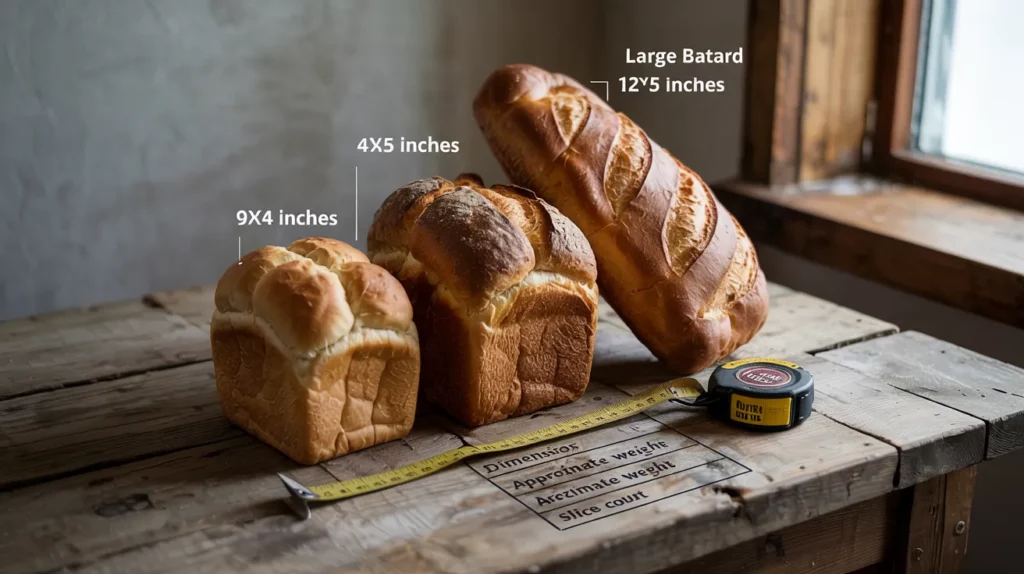
Photos show typical loaf sizes side by side. They display small, medium, and large loaves clearly. Seeing the bread in pictures helps you guess its size. This is useful for baking or shopping.
Photos include white, wheat, and specialty bread types. Each loaf looks different in shape and height. This visual helps spot the loaf that fits your needs.
Dimensional Comparison Charts
Charts list loaf dimensions like length, width, and height. They compare sizes in inches and centimeters. This helps you pick a loaf that fits your pan or plate. Charts make size differences easy to understand.
Some charts show weight and slice count too. This info helps plan meals and storage. It gives a clear picture of loaf size at a glance.
Bread Size For Different Uses
Different breads suit different uses. Small loaves work well for sandwiches or snacks. Large loaves fit family meals or parties. Some loaves are perfect for toast or stuffing.
Knowing bread size helps with meal planning. It avoids waste and ensures enough bread for everyone. Choose the loaf size that matches your cooking or eating needs.
Frequently Asked Questions
What Are Standard Bread Sizes In The Chart?
Standard bread sizes include small (4×4 inches), medium (5×9 inches), and large (9×5 inches). These sizes help in choosing the right loaf for recipes or storage.
How To Use A Bread Size Chart Effectively?
Use the bread size chart to select the correct loaf size for your needs. It guides baking times and portion control, ensuring consistent results.
Why Is Knowing Bread Size Important?
Knowing bread size helps with proper baking, portioning, and packaging. It ensures even cooking and meets recipe or dietary requirements accurately.
Can Bread Sizes Vary By Type?
Yes, bread sizes differ by type, such as sandwich, artisan, or baguette. Each has unique dimensions suited to its texture and use.
Conclusion
Understanding bread sizes helps you choose the right loaf every time. Different recipes need different bread sizes. Knowing measurements saves time and avoids waste. Baking or buying bread becomes easier with this chart. Keep this guide handy for your next meal.
Bread size matters for sandwiches, toasts, and meals. This chart makes your kitchen tasks simple and clear. Always pick the bread size that fits your needs best.
