
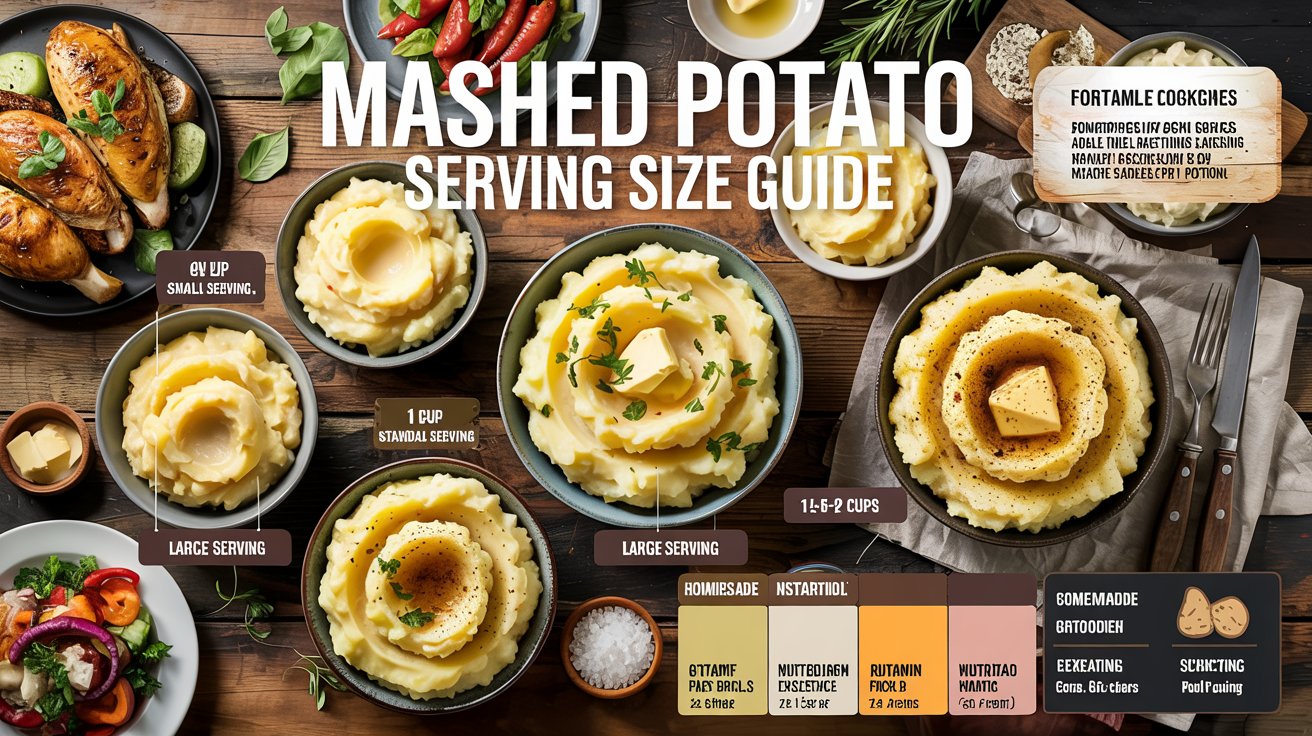
Mashed potatoes are one of the most comforting and popular side dishes around the world. They’re creamy, filling, and pair perfectly with everything from roasted chicken to holiday dinners. But have you ever wondered what counts as the right mashed potato serving size? Some portions can feel too small, while others may be much larger than needed. Understanding mashed potato serving sizes helps with meal planning, nutrition, and creating balanced plates for everyday meals and special occasions.
Why Mashed Potato Serving Size Matters
Serving size affects more than just how full you feel. Mashed potatoes are rich in carbohydrates and can become calorie-dense when made with butter, cream, or cheese. Portion control helps balance meals while still allowing you to enjoy this classic comfort food.
For families and gatherings, knowing proper serving sizes also helps prevent waste and ensures everyone gets enough food. Restaurants and caterers use standard portions to maintain consistency and manage costs.
Understanding the right portion size makes meals more satisfying without becoming overly heavy.
Standard Mashed Potato Serving Sizes
Mashed potatoes are usually measured by cups or weight after cooking. Here are the most common serving sizes used in recipes and nutrition guides.
Mashed Potato Serving Size Chart
| Serving Type | Weight (Approx.) | Cups (Prepared) | Calories (Approx.) |
|---|---|---|---|
| Small Serving | 100–120g | 1/2 cup | 90–130 |
| Standard Serving | 180–220g | 1 cup | 180–250 |
| Large Serving | 300–350g | 1.5–2 cups | 300–450 |
| Family Bowl Portion | 1–1.5kg | 6–8 cups | Varies |
Calories can vary significantly depending on ingredients like butter, milk, sour cream, or cheese.
Choosing The Right Mashed Potato Portion
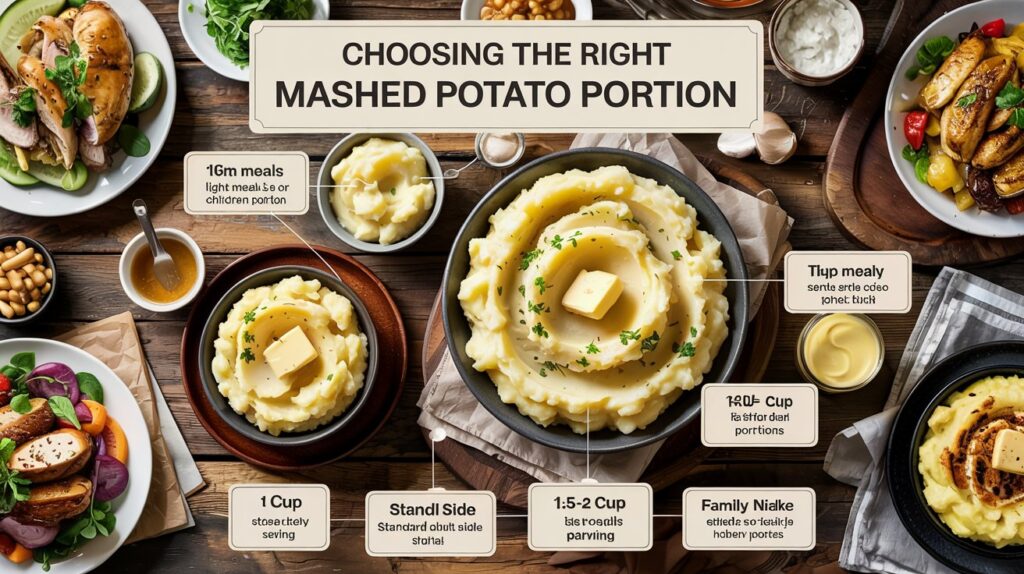
The ideal serving size depends on the type of meal and the other foods being served. Here are some common guidelines:
- 1/2 Cup Serving: Good for light meals or children’s portions.
- 1 Cup Serving: The standard side dish portion for most adults.
- 1.5–2 Cup Serving: Works for hearty meals or when mashed potatoes are a major part of the plate.
- Family Portions: Ideal for holiday dinners and gatherings.
If your meal includes gravy, bread, or other starches, a smaller mashed potato portion may feel more balanced.
Mashed Potato Serving Size Comparison: Homemade Vs. Instant
Homemade and instant mashed potatoes often differ in texture and calorie density.
Homemade vs Instant Mashed Potatoes
| Type | Typical Serving | Texture | Calories |
|---|---|---|---|
| Homemade | 1 cup | Creamier, richer | Higher |
| Instant/Packaged | 1 cup prepared | Lighter, smoother | Moderate |
Homemade versions usually contain more butter and dairy, making them richer and more filling.
Mashed Potatoes And Nutrition
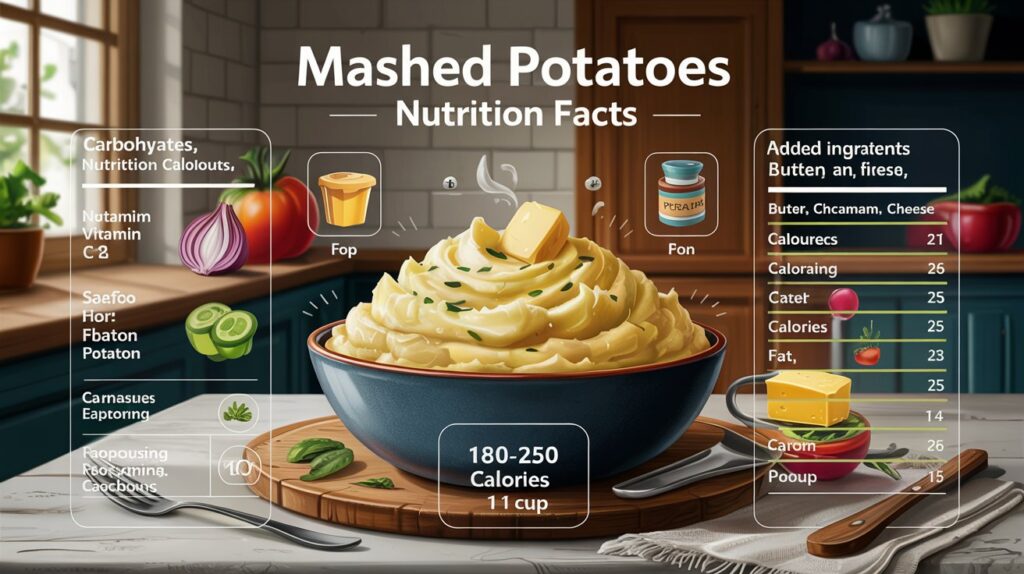
Mashed potatoes provide several nutrients, including:
- Carbohydrates
- Potassium
- Vitamin C
- Fiber (especially with skin)
- Small amounts of protein
A standard 1-cup serving typically contains around 180–250 calories depending on preparation. Adding cream, butter, or cheese increases calorie and fat content significantly.
Pairing mashed potatoes with vegetables and lean proteins creates a more balanced meal.
Visual Guide: Mashed Potato Serving Sizes
Visual comparisons can make serving sizes easier to estimate during meals.
Mashed Potato Portion Guide
| Serving Size | Best Use | Visual Comparison |
|---|---|---|
| 1/2 Cup | Small side dish | Half a baseball |
| 1 Cup | Standard serving | Size of a baseball |
| 2 Cups | Large portion | Large cereal bowl |
| 6–8 Cups | Family dinner serving | Medium serving bowl |
Credit: www.myplate.gov
Tips For Measuring Mashed Potato Portions
- Measure after cooking: Potatoes change texture and volume after mashing.
- Use serving scoops: Helps create even portions for guests.
- Avoid oversized plates: Large plates can encourage bigger portions.
- Add vegetables: Mixing cauliflower or vegetables can lighten the dish.
- Season carefully: Butter and salt add flavor quickly, so moderate amounts work best.
Balanced portions help mashed potatoes complement meals rather than overpower them.
Common Mistakes When Serving Mashed Potatoes
- Overserving: Large portions can become heavy and calorie-dense.
- Too much butter or cream: Rich ingredients increase calories quickly.
- Ignoring meal balance: Multiple starchy sides may feel overly filling.
- Using giant serving bowls: Makes portion control harder during gatherings.
Choosing the right amount improves both nutrition and presentation.
How Mashed Potato Serving Size Affects Meals
Mashed potatoes work best when balanced with proteins and vegetables. Smaller portions add comfort and texture to meals, while oversized portions can dominate the plate.
Too much mashed potato may leave meals feeling heavy, while too little may not feel satisfying. The right serving size creates a more balanced and enjoyable dining experience.
The History Of Mashed Potatoes
Mashed potatoes have been enjoyed for centuries and became especially popular in Europe and North America. Traditionally, mashed potatoes were served as simple side dishes made with milk and butter. Over time, recipes became richer with additions like cream, garlic, cheese, and gravy.
Today, mashed potatoes remain a favorite comfort food at family dinners, restaurants, and holiday celebrations.
Frequently Asked Questions
What Is A Standard Serving Size Of Mashed Potatoes?
A standard serving is about 1 cup prepared, or 180–220g.
How Many Calories Are In Mashed Potatoes?
A 1-cup serving usually contains around 180–250 calories depending on ingredients.
Are Homemade Mashed Potatoes Healthier Than Instant?
Homemade versions often contain fresher ingredients, but calories depend on preparation methods.
How Much Mashed Potato Should I Make Per Person?
Plan about 1 cup per adult for a standard side dish serving.
Can Mashed Potatoes Be Part Of A Healthy Diet?
Yes, when served in moderate portions alongside balanced meals.
Mashed potato serving size may seem like a small detail, but it can greatly affect meal balance, nutrition, and overall enjoyment. Whether you’re preparing weeknight dinners or holiday feasts, understanding proper mashed potato portions helps you serve the perfect amount every time.Mashed potatoes are one of the most comforting and popular side dishes around the world. They’re creamy, filling, and pair perfectly with everything from roasted chicken to holiday dinners. But have you ever wondered what counts as the right mashed potato serving size? Some portions can feel too small, while others may be much larger than needed. Understanding mashed potato serving sizes helps with meal planning, nutrition, and creating balanced plates for everyday meals and special occasions.
Why Mashed Potato Serving Size Matters
Serving size affects more than just how full you feel. Mashed potatoes are rich in carbohydrates and can become calorie-dense when made with butter, cream, or cheese. Portion control helps balance meals while still allowing you to enjoy this classic comfort food.
For families and gatherings, knowing proper serving sizes also helps prevent waste and ensures everyone gets enough food. Restaurants and caterers use standard portions to maintain consistency and manage costs.
Understanding the right portion size makes meals more satisfying without becoming overly heavy.
Standard Mashed Potato Serving Sizes
Mashed potatoes are usually measured by cups or weight after cooking. Here are the most common serving sizes used in recipes and nutrition guides.
Mashed Potato Serving Size Chart
| Serving Type | Weight (Approx.) | Cups (Prepared) | Calories (Approx.) |
|---|---|---|---|
| Small Serving | 100–120g | 1/2 cup | 90–130 |
| Standard Serving | 180–220g | 1 cup | 180–250 |
| Large Serving | 300–350g | 1.5–2 cups | 300–450 |
| Family Bowl Portion | 1–1.5kg | 6–8 cups | Varies |
Calories can vary significantly depending on ingredients like butter, milk, sour cream, or cheese.
Choosing The Right Mashed Potato Portion
The ideal serving size depends on the type of meal and the other foods being served. Here are some common guidelines:
- 1/2 Cup Serving: Good for light meals or children’s portions.
- 1 Cup Serving: The standard side dish portion for most adults.
- 1.5–2 Cup Serving: Works for hearty meals or when mashed potatoes are a major part of the plate.
- Family Portions: Ideal for holiday dinners and gatherings.
If your meal includes gravy, bread, or other starches, a smaller mashed potato portion may feel more balanced.
Mashed Potato Serving Size Comparison: Homemade Vs. Instant
Homemade and instant mashed potatoes often differ in texture and calorie density.
Homemade vs Instant Mashed Potatoes
| Type | Typical Serving | Texture | Calories |
|---|---|---|---|
| Homemade | 1 cup | Creamier, richer | Higher |
| Instant/Packaged | 1 cup prepared | Lighter, smoother | Moderate |
Homemade versions usually contain more butter and dairy, making them richer and more filling.
Mashed Potatoes And Nutrition
Mashed potatoes provide several nutrients, including:
- Carbohydrates
- Potassium
- Vitamin C
- Fiber (especially with skin)
- Small amounts of protein
A standard 1-cup serving typically contains around 180–250 calories depending on preparation. Adding cream, butter, or cheese increases calorie and fat content significantly.
Pairing mashed potatoes with vegetables and lean proteins creates a more balanced meal.
Visual Guide: Mashed Potato Serving Sizes
Visual comparisons can make serving sizes easier to estimate during meals.
Mashed Potato Portion Guide
| Serving Size | Best Use | Visual Comparison |
|---|---|---|
| 1/2 Cup | Small side dish | Half a baseball |
| 1 Cup | Standard serving | Size of a baseball |
| 2 Cups | Large portion | Large cereal bowl |
| 6–8 Cups | Family dinner serving | Medium serving bowl |
Credit: www.myplate.gov
Tips For Measuring Mashed Potato Portions
- Measure after cooking: Potatoes change texture and volume after mashing.
- Use serving scoops: Helps create even portions for guests.
- Avoid oversized plates: Large plates can encourage bigger portions.
- Add vegetables: Mixing cauliflower or vegetables can lighten the dish.
- Season carefully: Butter and salt add flavor quickly, so moderate amounts work best.
Balanced portions help mashed potatoes complement meals rather than overpower them.
Common Mistakes When Serving Mashed Potatoes
- Overserving: Large portions can become heavy and calorie-dense.
- Too much butter or cream: Rich ingredients increase calories quickly.
- Ignoring meal balance: Multiple starchy sides may feel overly filling.
- Using giant serving bowls: Makes portion control harder during gatherings.
Choosing the right amount improves both nutrition and presentation.
How Mashed Potato Serving Size Affects Meals
Mashed potatoes work best when balanced with proteins and vegetables. Smaller portions add comfort and texture to meals, while oversized portions can dominate the plate.
Too much mashed potato may leave meals feeling heavy, while too little may not feel satisfying. The right serving size creates a more balanced and enjoyable dining experience.
The History Of Mashed Potatoes
Mashed potatoes have been enjoyed for centuries and became especially popular in Europe and North America. Traditionally, mashed potatoes were served as simple side dishes made with milk and butter. Over time, recipes became richer with additions like cream, garlic, cheese, and gravy.
Today, mashed potatoes remain a favorite comfort food at family dinners, restaurants, and holiday celebrations.
Frequently Asked Questions
What Is A Standard Serving Size Of Mashed Potatoes?
A standard serving is about 1 cup prepared, or 180–220g.
How Many Calories Are In Mashed Potatoes?
A 1-cup serving usually contains around 180–250 calories depending on ingredients.
Are Homemade Mashed Potatoes Healthier Than Instant?
Homemade versions often contain fresher ingredients, but calories depend on preparation methods.
How Much Mashed Potato Should I Make Per Person?
Plan about 1 cup per adult for a standard side dish serving.
Can Mashed Potatoes Be Part Of A Healthy Diet?
Yes, when served in moderate portions alongside balanced meals.
Mashed potato serving size may seem like a small detail, but it can greatly affect meal balance, nutrition, and overall enjoyment. Whether you’re preparing weeknight dinners or holiday feasts, understanding proper mashed potato portions helps you serve the perfect amount every time.
