
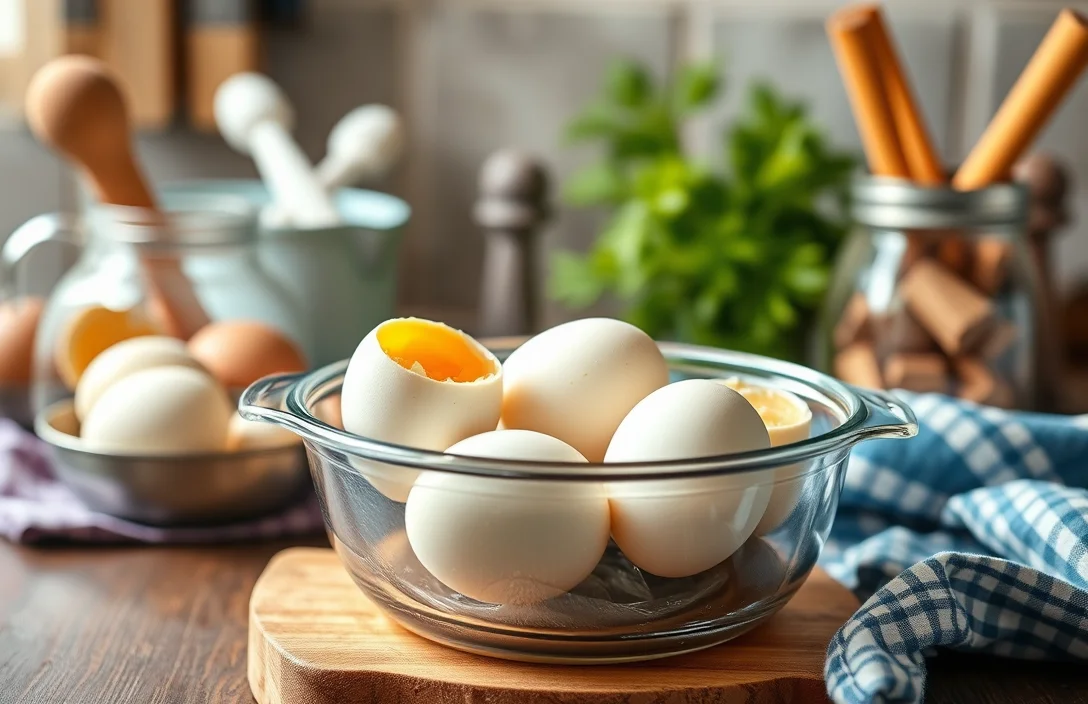
Quickest Way To Boil Eggs is a topic that matters to anyone looking for practical, reliable information. This article breaks down the key points you need to know, with specific details and actionable advice.
Below you’ll find expert-backed insights, step-by-step guidance, and answers to the most common questions about quickest way to boil eggs.
Best Egg Types for Quick Boiling
Small-to-medium eggs reduce boil time and improve speed without sacrificing texture; they reach target doneness faster than extra-large or jumbo eggs. Select eggs at room temperature and those several days old for easier peeling after a rapid cook. Avoid relying on egg color; shell color and farming method don’t significantly change cook time or final doneness.
Room-temperature slightly-aged eggs peel easiest and reduce cold-shock cracking when plunged into boiling water, shaving about 30–60 seconds per egg versus straight-from-fridge specimens; expect roughly 1–2% faster heat penetration in medium eggs. For achieving the quickest way to boil eggs, choose small-to-medium size, 4–10 days post-packaging, and let them sit at room temperature 20–30 minutes before cooking.
Optimal Water Temperature for Efficiency
Electric kettles boil water fastest; heat water to 212°F (100°C) and pour it over room-temperature eggs placed in a heatproof pot. Doing so skips long stovetop ramp-up, ensures the bath starts at optimal temperature, and begins cooking immediately so you cut total time to finished eggs without waiting for the pot to reach boiling, making it the quickest way to boil eggs.
Avoid using hot tap water for cooking because it can leach metals from plumbing; instead bring fresh cold water to a rolling boil in the kettle before pouring. Altitude matters: if you live above about 3,000 feet (900 m) water boils below 100°C, so ensure a vigorous boil and accept slightly longer cook time or use a pressure method to reach higher temperatures.
Cooking Times for Soft and Hard Boiled Eggs
Large eggs: 6 minutes soft-boiled produces a runny, custardy yolk; 7 minutes gives a jammy center; 9–10 minutes yields fully set but still tender hard-boiled yolks. Start timer when water returns to a rolling boil after adding eggs. Use these targets for fastest reliable results. Adjust time by ±30 seconds for smaller or larger eggs; at high altitude add one minute.
Kettle-to-pot method shaves minutes: bring water to a vigorous boil in a kettle, pour immediately over eggs in a saucepan, then start the countdown and follow the times above — it’s the quickest way to boil eggs while preserving the yolk texture you want.
Benefits of an Ice Bath for Eggs
Ice-bath stops residual cooking instantly and solidifies yolk edges for predictable doneness; shrinking the egg white slightly away from the membrane to ease shell separation. For the quickest way to boil eggs, plunge eggs straight from boiling water into an ice-water bath (1 part ice to 3 parts cold water) and chill at least 5 minutes.
- Plunge eggs directly into the ice bath immediately after removing from heat to arrest carryover cooking and preserve targeted doneness.
- Prepare a bowl large enough to fully submerge eggs with a 1:3 ice-to-water ratio so temperature stays low while multiple eggs cool.
- Chill eggs for 5–10 minutes depending on size and desired finish; shorter for soft centers, longer for fully set yolks and efficient handling.
- Drain quickly and pat dry before storing or serving since rapid cooling firms whites and reduces shell adhesion for easier subsequent handling.
Techniques for Easy Egg Peeling
Tap and roll each egg across a hard surface to create an even network of hairline cracks, then peel starting at the wider end where the air pocket sits; slide your thumb under the membrane and remove shell in sections. For stubborn shells, hold the egg under a thin stream of cool running water while peeling to flush away fragments and loosen the membrane.
Pressure Cooker Methods for Speed
Pressure cookers cut active time dramatically for eggs: set pot to high pressure, place eggs on a trivet above one cup of water, and cook 1 minute for soft-runny yolks or 4 minutes for firm hard-boiled centers. Use a quick cold-water plunge immediately after releasing pressure to halt carryover cooking and simplify peeling.
- Preheat the cooker by adding 1 cup water and inserting a trivet or steamer basket so eggs sit above liquid.
- Arrange eggs in a single layer on the trivet, spacing them slightly to avoid cracking during pressure buildup.
- Set pressure to high and time 1 minute for soft, 3 minutes for medium, 4 minutes for hard after full pressure is reached.
- Release pressure immediately using quick-release for softer yolks, or let a 2-minute natural release for firmer whites before opening.
- Cool eggs in an ice-water bath for at least 5 minutes; this rapid chill stops carryover cooking and makes peeling faster—using the pressure cooker is often the quickest way to boil eggs with consistent results.
Microwave and Stovetop Boiling Comparisons
Microwave boiling excels in speed, offering faster results for cooking eggs compared to traditional stovetop methods. Utilizing microwave-safe containers and adding water allows for quick preparation. Cooking times typically range from 6 to 10 minutes, depending on desired doneness. This method reduces waiting time significantly, making it ideal for busy individuals.
Stovetop boiling, while effective, requires more time for water to reach boiling point. Typically, this process can take anywhere from 10 to 15 minutes, depending on the amount of water and heat level. Although it provides consistent results, the overall time commitment may deter those seeking efficiency.
| Method | Time Required | Equipment Needed |
| Microwave | 6-10 minutes | Microwave-safe container |
| Stovetop | 10-15 minutes | Pot, stove |
Choosing between these methods depends on personal preference and time constraints. Microwaving is perfect for those needing rapid results, while stovetop boiling may appeal to traditionalists valuing consistency. Evaluating your priorities will guide the best approach to achieve optimal egg perfection.
Quick Summary
- Start with eggs at room temperature for even cooking.
- Place eggs in a single layer in a pot and cover with cold water.
- Bring water to a rolling boil, then cover the pot and remove from heat.
- Let eggs sit in the hot water for 9-12 minutes, depending on desired doneness.
- Transfer eggs to an ice bath immediately to stop cooking and make peeling easier.
- Peel eggs under running water for best results.
- Store boiled eggs in the refrigerator for up to one week.
Frequently Asked Questions
What is the quickest method to boil eggs?
The quickest method to boil eggs is to bring a pot of water to a rolling boil, gently add the eggs, and boil for about 6-8 minutes depending on your desired doneness. After boiling, transfer the eggs to an ice bath to stop the cooking process.
How long should I boil eggs for soft-boiled versus hard-boiled?
For soft-boiled eggs, aim for about 6-7 minutes of boiling. For hard-boiled eggs, you should boil them for 9-12 minutes to ensure the yolks are fully cooked.
Should I start with cold or room temperature eggs?
Starting with cold eggs directly from the refrigerator is fine, but if you want to minimize cracking, you can let them sit at room temperature for about 10-15 minutes before boiling.
How can I prevent my eggs from cracking during boiling?
To prevent cracking, gently place the eggs in the pot and avoid dropping them in from a height. You can also add a teaspoon of vinegar or salt to the water, which may help strengthen the eggshells during boiling.
What is the best way to peel boiled eggs easily?
To peel boiled eggs easily, use eggs that are at least a week old, as fresher eggs tend to stick to the shell. After boiling, placing the eggs in an ice bath or running them under cold water can also help separate the membrane from the shell, making peeling easier.
