
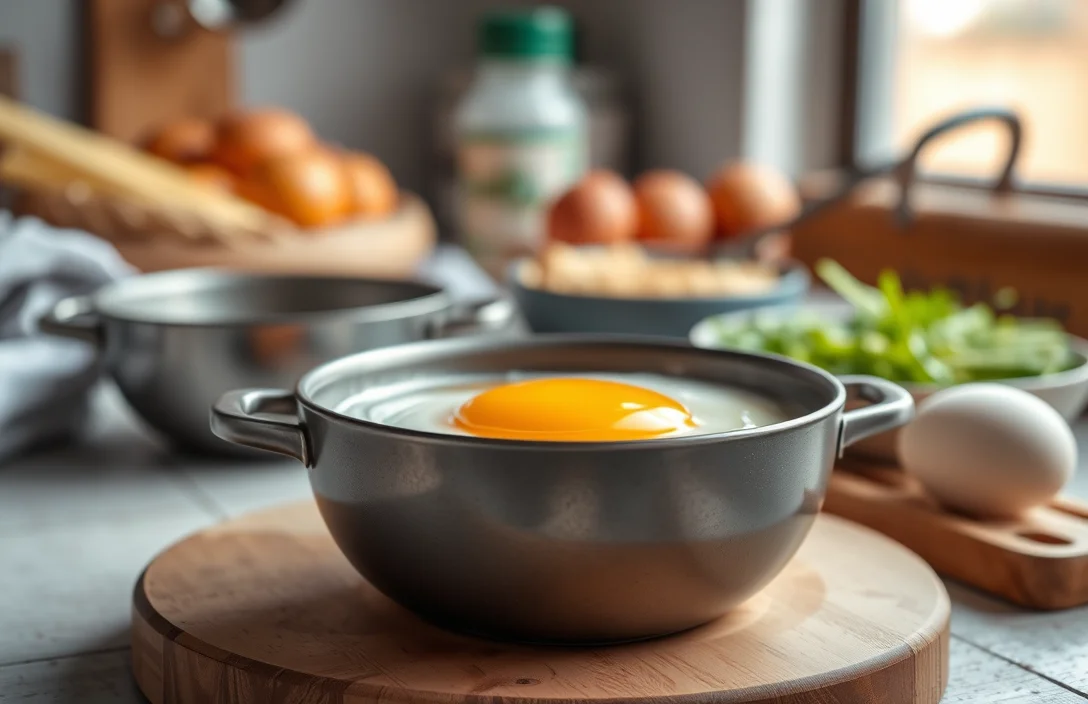
Eggs are one of the most versatile foods, with over 1,500 different ways to cook them worldwide. This simple ingredient can be transformed into countless dishes, making it a staple in many diets. Knowing how to cook eggs effectively opens up a world of culinary possibilities.
Cooking eggs can be straightforward. Boiling creates hard or soft textures, while scrambling offers fluffy results. Frying gives crispy edges, and poaching yields a delicate dish. Mastering these methods enhances your breakfast and expands your cooking repertoire.
Boiling Eggs Perfectly Every Time
Start with cold eggs directly from the refrigerator. Placing them in a single layer at the bottom of a saucepan helps ensure even cooking. Cover the eggs with cold water, ensuring the water level exceeds the eggs by at least an inch. This initial step sets the foundation for perfectly boiled eggs.
Bring the water to a rapid boil over medium-high heat. Once the water reaches a rolling boil, immediately cover the saucepan with a lid and remove it from the heat. This technique allows the eggs to cook gently in the residual heat, preventing overcooking and resulting in a tender texture.
Set a timer according to your preferred doneness. For soft-boiled eggs, let them sit for 4-6 minutes, while medium-boiled eggs require about 7-9 minutes. Hard-boiled eggs benefit from 10-12 minutes of resting time. Precision in timing ensures that every egg achieves its ideal texture.
Transfer the eggs into an ice-water bath immediately after the timer goes off. This quick cooling process halts the cooking and makes peeling easier. Allow the eggs to sit in the ice bath for at least 5 minutes before peeling to ensure a smooth shell removal.
Mastering Scrambled Egg Techniques
Whipping eggs vigorously achieves fluffier scrambled eggs. Start by cracking eggs into a bowl and adding a pinch of salt. Use a whisk or fork to beat the mixture until it’s fully combined and slightly frothy. This step incorporates air, enhancing the texture during cooking.
Cooking over low heat promotes creaminess. Preheat a non-stick skillet on low and add a small amount of butter. Once melted, pour in the egg mixture. Stir gently and continuously with a spatula, allowing the eggs to cook slowly, which prevents them from drying out.
Incorporating dairy enriches the flavor. Adding a splash of milk or cream to the eggs before whipping can make them even creamier. This addition also helps in achieving a softer curd as they cook.
Serving immediately preserves the texture. Once the eggs are softly set but still slightly runny, remove them from the heat. They will continue to cook with residual heat, ensuring a perfect finish without overcooking.
Exploring Fried Egg Varieties
Fried eggs offer various styles, including sunny-side-up and over-easy. To cook sunny-side-up, heat a non-stick skillet over medium-low heat and add a little oil or butter. Crack the egg gently into the pan, ensuring the yolk remains intact. Cover the pan with a lid to help the white set while keeping the yolk runny. Cook for about 2-3 minutes.
Over-easy eggs require a similar approach. Start with the same skillet and heat source. Once the egg white begins to set, gently flip the egg using a spatula. Cook for an additional 30 seconds to 1 minute, allowing the yolk to remain slightly runny. Adjust cooking time based on personal preference for yolk firmness.
Seasoning enhances the flavor of fried eggs. Sprinkle salt and pepper while cooking, or add herbs such as chives or parsley for an extra touch. Pair eggs with toast or incorporate them into dishes like breakfast sandwiches for a hearty meal.
Experimenting with different oils or fats can also change the flavor profile. Olive oil, butter, or even bacon grease can impart unique tastes. Try various combinations to discover your favorite way to enjoy fried eggs.
Poached Egg Methods for Beginners
Perfecting poached eggs requires a few essential steps. Follow this guide to achieve a deliciously poached egg with a runny yolk and tender whites. The process may seem tricky at first, but practice will make it second nature.
- Fill a saucepan with water, about 3 inches deep. Heat the water until it reaches a gentle simmer, around 180°F to 190°F. Avoid boiling, as this can break apart the egg.
- Add a splash of vinegar, which helps the egg whites coagulate faster. White vinegar is preferred, but any type will do. This step is optional, but it improves the final result.
- Crack an egg into a small bowl. This allows you to gently slide the egg into the simmering water without breaking the yolk.
- Create a gentle whirlpool in the water using a spoon. This motion helps the egg white wrap around the yolk, creating a neat shape. Carefully slide the egg from the bowl into the center of the whirlpool.
- Cook the egg for 3 to 4 minutes. For a firmer yolk, allow it to cook longer. Use a slotted spoon to remove the egg and let it drain on a paper towel.
Enjoy your poached egg immediately over toast, salads, or as part of a dish. Mastering this technique adds a versatile option to your cooking repertoire.
Creating Omelettes and Frittatas
Omelettes and frittatas are versatile dishes that can be tailored to personal tastes. Start by whisking 3-4 eggs in a bowl. Season with salt and pepper for flavor. Choose your preferred additions, such as vegetables, cheese, or meats, and set them aside for incorporation.
Utilize a non-stick skillet for easy cooking. Preheat the skillet over medium heat and add a tablespoon of butter or oil. Once heated, pour the egg mixture into the skillet, ensuring even coverage. Allow the edges to set while gently lifting them with a spatula.
- Spinach: Fresh or sautéed works well.
- Mushrooms: Sliced and sautéed for depth.
- Cheese: Feta, cheddar, or mozzarella.
- Herbs: Fresh parsley, chives, or basil for brightness.
- Meats: Ham, bacon, or sausage for heartiness.
Frittatas differ by cooking method. After adding fillings, reduce heat and cover the skillet to cook through, or transfer to a preheated oven at 350°F until fully set. Slice and serve warm or at room temperature. Enjoy these egg dishes for breakfast, lunch, or dinner.
Baked Eggs Recipes to Try
Experiment with baked egg dishes to elevate your meals. Start with baked eggs in avocado. Halve an avocado, remove the pit, and crack an egg into each half. Season with salt and pepper, then bake at 350°F (175°C) for about 15-20 minutes until the egg sets. This dish is nutritious and visually appealing, perfect for breakfast or brunch.
Consider making shakshuka, a flavorful Middle Eastern dish. Sauté onions, garlic, and bell peppers in olive oil. Add canned tomatoes, cumin, and paprika, then simmer for 10 minutes. Create wells in the sauce and crack eggs into each well. Cover and cook until the eggs are poached to your desired doneness. Serve with crusty bread for a complete meal.
Try baking eggs in muffin tins for easy portion control. Whisk eggs with milk, salt, and pepper, then pour the mixture into greased muffin cups. Add your favorite ingredients like spinach, cheese, or diced ham. Bake at 350°F (175°C) for 18-20 minutes. These mini frittatas are great for meal prep and can be stored in the refrigerator for quick breakfasts.
Explore a classic dish with baked egg casserole. Layer bread cubes, cooked sausage, and shredded cheese in a baking dish. Whisk together eggs, milk, salt, and pepper, then pour over the layers. Bake at 350°F (175°C) for 30-35 minutes until golden and puffed. This hearty meal is perfect for feeding a crowd, making it ideal for family gatherings.
Understanding Egg Cooking Times
Timing is crucial for achieving the perfect egg doneness. Each cooking method requires a specific duration to achieve soft, medium, or hard consistency. Familiarizing yourself with these times ensures optimal results and enhances your culinary skills.
- Soft-boiled eggs: Cook for 4 to 6 minutes. This duration yields a runny yolk and tender whites. Use a timer for precision.
- Medium-boiled eggs: Aim for 7 to 9 minutes. At this point, the yolk remains slightly creamy, offering a balance between runny and fully cooked.
- Hard-boiled eggs: Boil for 10 to 12 minutes. This time results in a firm yolk and fully set whites, ideal for salads or snacks.
- Poached eggs: Allow 3 to 4 minutes in simmering water. The whites should be set while the yolk stays runny, perfect for breakfast dishes.
- Scrambled eggs: Cook for 5 to 7 minutes over low to medium heat. Stir constantly for soft, creamy texture without browning.
- Fried eggs: Fry for 2 to 4 minutes depending on desired doneness. Sunny-side up requires less time, while over-easy or over-hard demands longer cooking.
- Oven-baked eggs: Bake for 12 to 15 minutes in a preheated oven. This method offers even cooking, great for dishes like shakshuka.
Following these guidelines allows for tailored cooking experiences, providing delicious results every time you prepare eggs.
Quick Summary
- Eggs can be cooked in various ways, including boiling, frying, scrambling, and poaching.
- Fresh eggs are best for poaching and frying, while slightly older eggs are easier to peel when hard-boiled.
- For hard-boiled eggs, cook in simmering water for about 9-12 minutes, depending on desired firmness.
- Scrambled eggs should be cooked on low heat and stirred gently for a creamy texture.
- Fried eggs can be cooked sunny-side up, over-easy, or over-hard, depending on personal preference.
- Season eggs with salt, pepper, and herbs for added flavor.
- Experiment with different cooking methods and seasonings to discover your favorite egg dish.
Frequently Asked Questions
How do I boil eggs perfectly?
To boil eggs perfectly, place them in a pot and cover them with cold water. Bring the water to a boil, then reduce the heat and simmer for 9-12 minutes depending on how hard you prefer the yolk. After cooking, transfer the eggs to an ice bath to stop the cooking process.
What is the best way to scramble eggs?
For fluffy scrambled eggs, whisk together eggs with a pinch of salt and a splash of milk or cream. Cook in a non-stick skillet over medium-low heat, stirring gently with a spatula until they just begin to set, then remove them from the heat while they are still slightly runny.
How do you fry an egg?
To fry an egg, heat a non-stick skillet with a little oil or butter over medium heat. Crack the egg into the pan and cook until the whites are set but the yolk remains runny, about 2-3 minutes for sunny-side up. For over-easy, gently flip the egg and cook for another 30 seconds.
What is the difference between soft-boiled and hard-boiled eggs?
Soft-boiled eggs are cooked for a shorter time, typically 4-6 minutes, resulting in a runny yolk, while hard-boiled eggs are cooked for 9-12 minutes, yielding a firm yolk. The choice depends on how you plan to use the eggs in your dish.
Can you cook eggs in the microwave?
Yes, you can cook eggs in the microwave by beating them in a microwave-safe bowl and covering it loosely with a lid or plate. Microwave on medium power for about 30 seconds at a time, stirring in between, until they are fully cooked.
