
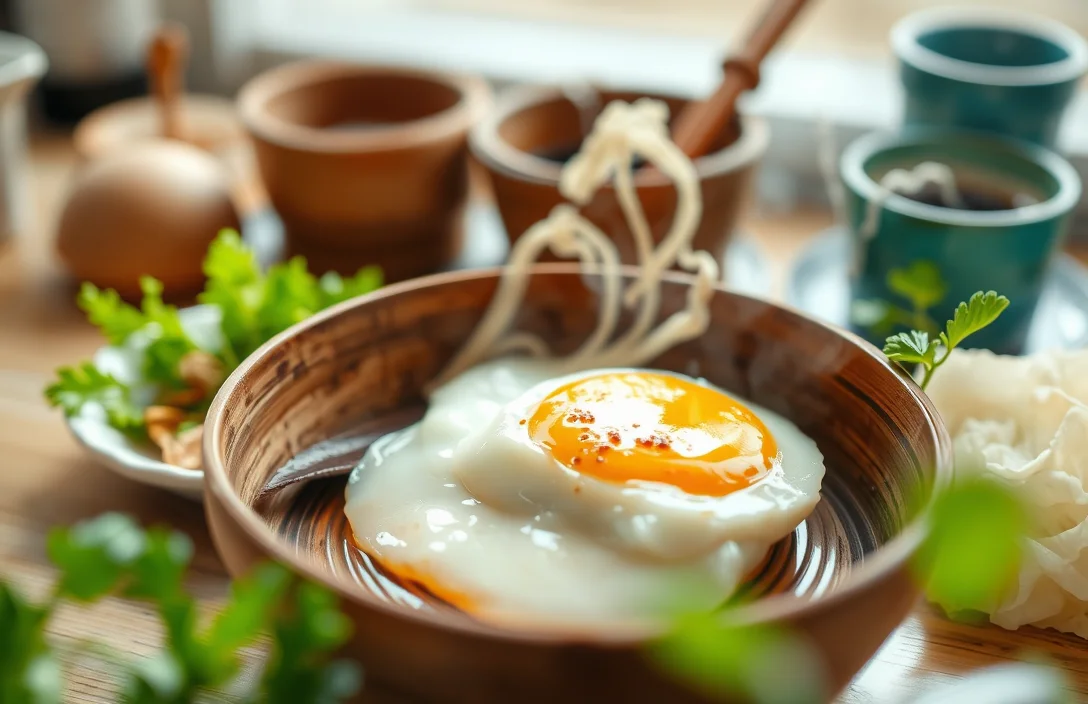
Steamed eggs have a protein content of about 6 grams per egg, making them a nutritious option for breakfast or a snack. Mastering this simple technique can yield incredibly fluffy and tender results, ideal for any meal. Knowing the secrets behind perfect steamed eggs can elevate your cooking skills.
Follow these key points: Start with fresh eggs, use a mix of water and seasoning, steam over gentle heat, and check for doneness to achieve the perfect texture. Enjoy the creamy smoothness and versatility of steamed eggs in various dishes.
Essential Ingredients for Steamed Egg
Fresh eggs serve as the primary ingredient for steamed egg. For best results, use medium to large eggs, ensuring they are at room temperature. This temperature helps achieve a creamier texture during the cooking process. Quality eggs contribute significantly to the flavor and consistency of the final dish.
Water plays a crucial role in steaming. Use filtered or tap water, depending on your preference. The amount of water used can affect cooking time and texture. Ensure the water level is adequate to create steam but not so high that it touches the egg mixture.
Salt enhances the flavor of the eggs. A pinch of salt is typically sufficient to elevate the dish without overpowering it. Adjust the quantity based on personal taste, but be cautious not to add too much, as it can alter the eggs’ delicate flavor.
Optional ingredients include soy sauce or sesame oil for additional flavor. Adding these ingredients can introduce a savory depth to the dish. Incorporate these sparingly to maintain the lightness of the steamed egg.
Optional garnishes such as chopped green onions or cilantro can enhance the presentation. These add a pop of color and a burst of freshness, making your dish visually appealing and more enjoyable to eat.
Required Steaming Equipment
Steaming eggs requires specific tools for optimal results. A bamboo steamer or a metal steaming rack will serve as the primary apparatus. Ensure the steamer fits snugly inside your pot, allowing steam to circulate freely. These tools are essential for achieving that fluffy texture you desire.
Quality pots play a crucial role. A pot that holds water while allowing the steaming apparatus to sit above it is necessary. Look for pots with tight-fitting lids to trap steam effectively. This setup ensures consistent cooking, preventing any undercooked sections in your dish.
Measuring cups help in achieving the right egg-to-water ratio. Standard measuring cups will suffice for liquid ingredients. Accurate measurements ensure the eggs steam properly, leading to a velvety consistency. Avoiding guesswork will significantly improve your final product.
Whisks or forks assist in blending the ingredients. A simple whisk is perfect for mixing eggs and any added seasonings. This tool ensures a uniform mixture, which contributes to a smooth texture once steamed. Mixing thoroughly is key for consistent results.
Lastly, consider silicone molds for portion control. These molds can be placed directly into the steamer, allowing for easy removal after cooking. They also come in various shapes, adding a fun element to your presentation. Using molds can elevate your dish aesthetically and practically.
Techniques for Egg Preparation
Mixing eggs thoroughly is essential for achieving a smooth texture. Start by cracking the eggs into a bowl and whisking them vigorously. Aim for a uniform consistency without any visible egg whites or yolks. This process helps incorporate air, leading to a fluffier result when steamed.
Straining the mixture enhances the final product’s smoothness. Use a fine-mesh sieve or cheesecloth to pour the egg mixture through after whisking. This step eliminates any remaining lumps or chalazae, ensuring that the steamed egg has a velvety texture. Take your time during straining for the best outcome.
Adjusting the seasoning before steaming is crucial for flavor. Salt, pepper, or even a splash of soy sauce can elevate the dish. Mix your chosen seasonings directly into the egg mixture before straining. Taste-testing the mixture can help you achieve the perfect balance, ensuring a delicious finished product.
Optimal Cooking Time and Temperature
Steaming eggs requires precise timing and temperature for perfect texture. Aim for a steaming duration of about 10 to 15 minutes, depending on the desired doneness. A gentle simmer is crucial; avoid boiling water, which can cause uneven cooking and rubbery results.
- Heat water in a pot until it reaches a gentle simmer. Ensure the pot has enough water to last through the entire steaming process.
- Place the egg mixture in a heatproof bowl or dish, cover it with foil or a lid to prevent water from dripping in.
- Position the bowl in the steamer basket, ensuring it does not touch the simmering water directly.
- Steam for 10 to 15 minutes. Check for doneness by gently shaking the bowl; the mixture should be set but slightly wobbly in the center.
- Remove the bowl from the steamer carefully, as it will be hot. Allow it to cool for a moment before serving.
Monitoring the steaming time will help achieve a silky and fluffy finish, essential for a successful dish. Adjust the time slightly based on your stove’s performance and the thickness of the egg mixture.
Flavoring Options and Creative Variations
Experimenting with flavors can elevate your steamed egg dish significantly. Start by adding soy sauce for a savory kick, or mix in some sesame oil for a nutty richness. These simple additions enhance the overall taste without overwhelming the delicate nature of the eggs.
Incorporating fresh herbs can introduce vibrant notes. Chopped scallions, cilantro, or parsley not only add flavor but also a pop of color. Try varying the herbs based on the season or your personal preference to keep things interesting.
Cheese can transform the texture and flavor profile as well. Shredded cheese, such as cheddar or mozzarella, melts beautifully and adds creaminess. Mixing in a bit of cheese provides a delightful twist, making the dish even more comforting.
Vegetables bring freshness and crunch. Finely diced bell peppers, mushrooms, or spinach can be mixed into the egg mixture before steaming. They provide a nutritional boost while adding visual appeal and flavor variety to your dish.
Meats and proteins can also be integrated for heartiness. Adding cooked shrimp, diced ham, or crumbled tofu turns the dish into a more substantial meal. This versatility allows you to tailor the steamed eggs to suit your dietary needs or cravings.
Serving Ideas and Complementary Dishes
Steamed eggs shine as a standalone dish but pair beautifully with various accompaniments. Serve them alongside steamed rice for a comforting meal. The soft texture of the eggs complements the chewiness of the rice, making every bite satisfying.
Consider adding sautéed vegetables such as spinach, bok choy, or mushrooms. These options not only enhance the visual appeal but also introduce additional flavors and nutrients. A colorful plate draws the eye and makes the dish more enticing.
Garnishing with green onions or cilantro adds a fresh touch and brightens the overall taste. A sprinkle of soy sauce or sesame oil can elevate the dish. Simple condiments transform plain steamed eggs into a flavorful experience.
Pairing steamed eggs with proteins enhances the meal’s heartiness. Grilled or pan-seared fish or chicken can provide a satisfying contrast in texture. Options like tofu or shrimp also work well for a lighter approach.
Serving these eggs in individual bowls adds an elegant touch. Presentation matters, especially when hosting guests. Using small, attractive dishes makes the dining experience feel special and encourages enjoyment.
Avoiding Common Mistakes
Overcooking eggs leads to rubbery texture. Maintaining the right steaming time is crucial for achieving the desired fluffiness. Steaming for too long can result in a dense outcome, so monitor closely. Generally, around 10 to 15 minutes should suffice, depending on your preferred consistency. Always test doneness with a gentle shake of the dish.
Using incorrect egg-to-water ratios affects texture. A common recommendation is mixing one part water with three parts egg mixture. This combination creates the ideal steam environment for a soft, creamy result. Adjusting ratios can lead to variations in fluffiness and consistency, so stick to this guideline for the best outcome.
- Ignoring the lid during steaming traps moisture. Proper ventilation is essential to prevent excess condensation from dripping into the egg mixture, which can dilute flavor and texture.
- Overfilling the steaming dish can lead to spills. Leave adequate space for the eggs to expand and rise during cooking without risking a mess.
- Neglecting to whisk eggs thoroughly affects uniformity. Ensure a smooth, consistent mixture to avoid clumps and achieve even cooking throughout.
Nutritional Benefits of Steamed Eggs
Steamed eggs provide numerous health advantages. Packed with high-quality protein, they support muscle growth and repair. Each serving contains essential amino acids, making them a perfect choice for those looking to maintain a balanced diet.
Rich in vitamins and minerals, steamed eggs offer important nutrients. Key components include:
- Vitamin D – promotes bone health.
- Vitamin B12 – supports nerve function.
- Selenium – acts as an antioxidant.
Low in calories yet filling, they serve as an effective weight management tool. The fluffy texture can satisfy cravings without excess calories, making it an excellent option for snack or meal.
Versatile in preparation, steamed eggs can be enhanced with various vegetables or spices. Adding ingredients like spinach or tomatoes boosts fiber content, aiding digestion and overall health.
Enjoying steamed eggs regularly can contribute to a balanced, nutritious diet. Incorporating this simple dish may help improve overall wellness and energy levels.
Quick Summary
- Use fresh eggs for the best flavor and texture.
- Mix eggs with water or broth in a 1:1 ratio for optimal consistency.
- Season the mixture with salt and optional ingredients like soy sauce or green onions.
- Strain the egg mixture to ensure a smooth and silky texture.
- Steam the mixture in a covered dish for about 15-20 minutes, or until set.
- Check doneness by gently shaking the dish; it should jiggle slightly but not be liquid.
- Serve warm as a side dish or a light meal, garnished with herbs or spices.
Frequently Asked Questions
What ingredients do I need to make steamed egg?
To make steamed egg, you will need eggs, water, and a pinch of salt. You can also add ingredients like soy sauce, scallions, or sesame oil for additional flavor.
What is the best ratio of water to egg?
The general ratio is 1:1 for a smooth texture, meaning for every egg, use an equal amount of water. Some prefer a slightly thinner mixture, using 1.5 times the amount of water to eggs for a silkier result.
How long should I steam the eggs?
Steaming time can vary, but typically it takes about 10 to 15 minutes. You can check for doneness by inserting a toothpick; it should come out clean when the eggs are fully cooked.
Can I add other ingredients to my steamed eggs?
Yes, you can customize your steamed eggs by adding ingredients like minced vegetables, seafood, or meat. Just make sure to pre-cook any raw ingredients to ensure they are safe to eat.
What equipment do I need to steam eggs?
You will need a steaming setup, which can be a bamboo steamer, a metal steamer, or a heatproof bowl placed in a pot with a lid. Make sure there is enough water in the pot to create steam without submerging the eggs.
