
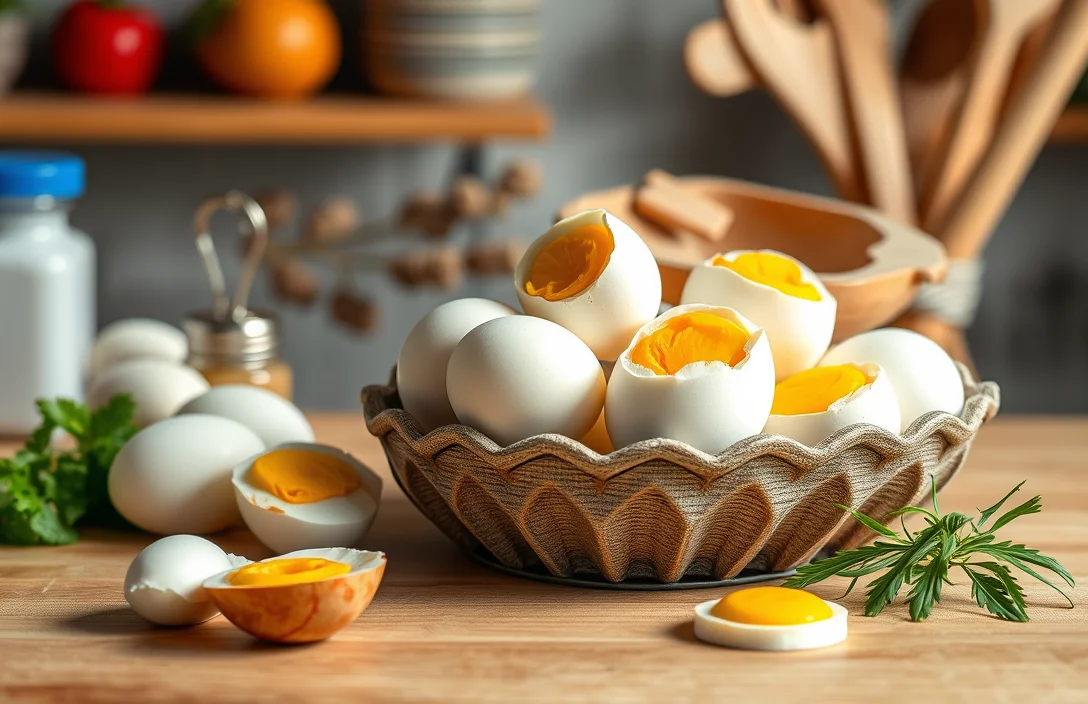
Seven minutes of boiling can transform a raw egg into a perfect hardboiled delight. Consistency is key, and timing plays a crucial role in achieving that ideal texture. Many underestimate the precision required, leading to overcooked or undercooked results that ruin the experience.
Timing varies with egg size and desired doneness. For large eggs, boil for 9-12 minutes for hardboiled perfection. Start with cold water, bring to a boil, then cover and simmer. Finally, cool in ice water for optimal peeling.
Perfect Hardboiled Egg Time
Timing is crucial for achieving perfectly hardboiled eggs. Start by boiling water in a pot over high heat. Once the water reaches a rolling boil, carefully add the eggs using a slotted spoon or a ladle to avoid cracking. This straightforward process sets the stage for consistent results.
Maintaining the right cooking duration ensures optimal texture. For a hardboiled egg, aim for 9 to 12 minutes of cooking time. Adjust this based on your desired doneness; 9 minutes yields a slightly creamy center, while 12 minutes results in a fully set yolk.
Monitoring the cooking time is essential. Use a timer to avoid overcooking, which can lead to a greenish ring around the yolk and a rubbery texture. After the timer goes off, promptly transfer the eggs to an ice bath to halt the cooking process and make peeling easier.
Following these steps guarantees delicious results. By mastering the timing, you can enjoy perfectly hardboiled eggs every time. Keep these guidelines in mind as you prepare to explore other important factors for your egg-cooking endeavors.
Egg Size and Cooking Time
Egg size significantly impacts cooking duration. Large eggs typically require about 9-12 minutes in boiling water for perfect hard boiling. Medium eggs need slightly less time, approximately 8-11 minutes, while extra-large eggs can take a bit longer, around 10-13 minutes. Adjusting for size ensures the yolk reaches the desired firmness and the white sets properly.
Specific timing is crucial for consistent results. Starting with cold water can alter cooking times; bringing the eggs to a boil before starting the timer is often recommended. Some cooks prefer to cover the pot, allowing the water to heat more evenly and maintain a steady boil throughout the process.
Measuring the size of eggs is straightforward. Check the carton for size indicators, which categorize eggs as small, medium, large, or extra-large. Knowing the exact size helps prevent undercooking or overcooking. Uniformity in egg size leads to uniform cooking results, contributing to the overall quality of your hardboiled eggs.
Cooling Methods After Cooking
Immediate cooling prevents overcooking and ensures perfect hardboiled eggs. Once the cooking time is up, promptly transfer the eggs into an ice bath. Fill a bowl with cold water and ice, submerging the eggs completely to halt the cooking process effectively.
Using ice water is crucial since it rapidly cools the eggs, minimizing the risk of rubbery texture. Allow the eggs to sit in the ice bath for at least 10 minutes. This method not only cools them down but also makes peeling easier later on.
Following the cooling period, remove the eggs from the ice bath and gently tap them on a hard surface. This action creates small cracks, which help in the peeling process. If you plan to store them, keep the shells on until you’re ready to eat, as this helps maintain freshness.
Peeling Tips for Hardboiled Eggs
Cracking the shell correctly improves peeling efficiency. Start by gently tapping the egg on a hard surface to create small fractures. This method allows water to seep between the egg white and the shell, easing the removal process. Aim for a clean break rather than crushing the egg to avoid damaging the white inside.
Rinsing under cold water helps remove shell fragments. After cracking, place the egg under running water or submerge it in a bowl of cold water. The water aids in separating the shell from the egg, making it easier to peel. This technique also helps cool the egg quickly after cooking.
Rolling the egg can further assist in peeling. Gently roll the egg on a flat surface to create more cracks in the shell. This method increases the chances of lifting larger sections of the shell, leading to a quicker peeling experience. Practice this technique for consistent results.
Using a spoon as a tool can simplify the process. After cracking the shell, slide a spoon between the shell and the egg white. The spoon’s curve allows for smooth lifting of the shell while minimizing contact with the egg. This technique is especially useful for eggs that are difficult to peel.
Storing Hardboiled Eggs
Hardboiled eggs can last up to one week in the refrigerator when stored properly. To ensure freshness, keep them in their shells until you’re ready to eat. The shell protects the egg and helps maintain its quality, preventing moisture loss and odor absorption from other foods.
Choose an airtight container for storing peeled eggs. If you prefer to peel them in advance, submerge the eggs in water within the container. Replace the water daily to prevent spoilage and maintain freshness.
Label containers with the date of cooking. Doing so helps track the freshness of your hardboiled eggs, ensuring you consume them within a safe timeframe. This practice is especially useful if you prepare large batches for meal prep.
Avoid storing hardboiled eggs at room temperature. Bacteria can grow rapidly on cooked eggs left unrefrigerated for too long. Keeping them chilled not only prolongs their shelf life but also ensures they remain safe to eat.
Health Benefits of Hardboiled Eggs
Protein-rich hardboiled eggs provide essential nutrients. Each egg contains approximately 6 grams of high-quality protein, which supports muscle repair and growth. This makes them an excellent snack for athletes or anyone looking to increase their protein intake without excess calories.
Vitamins A, D, E, and B12 are abundant in hardboiled eggs. These vitamins play crucial roles in maintaining eye health, supporting bone density, and boosting energy levels. Incorporating them into your diet ensures you get a variety of essential nutrients necessary for overall well-being.
Choline plays a significant role in brain health. Hardboiled eggs are one of the best sources, providing about 147 mg per egg. This nutrient supports cognitive function and may help reduce the risk of neurological disorders.
Healthy fats found in hardboiled eggs contribute to heart health. The monounsaturated fats present can help lower bad cholesterol levels while supporting good cholesterol. Including these eggs in your diet can be beneficial for cardiovascular health.
Low in carbohydrates, hardboiled eggs are ideal for various diets. They fit perfectly into low-carb or ketogenic diets, helping to keep you full and satisfied while avoiding sugar spikes. This makes them a smart choice for weight management.
Common Mistakes in Boiling
Timing inaccuracies lead to poor results. Many individuals underestimate the importance of precise timing when boiling eggs. Hardboiled eggs require specific cooking durations to achieve the desired consistency, ranging from soft to firmly cooked yolks. Skipping or miscalculating these timing guidelines results in eggs that are either undercooked or overcooked.
Overcrowding the pot affects heat distribution. Placing too many eggs in one pot can lead to uneven cooking. The water temperature may drop significantly once the eggs are added, causing longer cooking times and inconsistent results. Always ensure there’s enough space for the water to circulate freely around each egg.
Ignoring water temperature can impact cooking. Starting with cold water versus hot water changes the cooking process. Cold water may take longer to reach boiling, while starting with boiling water can lead to better control over cooking time. Adjust your approach based on the method you prefer.
Skipping the ice bath after cooking is a common error. An immediate plunge into ice water stops the cooking process, preventing overcooking and making peeling easier. Neglecting this step can result in rubbery whites and stubborn shells. Always prepare your ice bath before boiling starts for best results.
Egg Freshness Test
Freshness directly influences how long for hardboiled eggs to cook. To determine an egg’s freshness, perform a simple test using water. Fill a bowl with water and gently place the egg inside. Observe the behavior of the egg to assess its condition.
Fresh eggs sink completely to the bottom and lie flat on their sides. Slightly older eggs may stand upright but still remain submerged. If the egg floats to the surface, it has gone bad and should be discarded immediately.
Cooking times can be impacted by the age of the egg. Fresh eggs tend to cook more evenly and peel more easily than older ones. Therefore, selecting fresh eggs not only aids in achieving the perfect hardboiled result but also enhances the eating experience.
Knowing how to check for freshness allows for better meal planning. Always aim to use the freshest eggs available for optimal results. This simple test helps ensure that every hardboiled egg you make is delightful and safe to consume.
Variations in Cooking Time
Cooking time varies based on several factors. The size of the eggs, altitude, and even the type of stove can influence how long it takes to achieve the perfect hardboiled egg. Generally, standard large eggs require about 9 to 12 minutes of boiling time for optimal results.
Altitude significantly affects boiling time. Higher elevations result in lower atmospheric pressure, which can alter cooking times. At elevations above 3,000 feet, increase cooking time by about 1 minute for every 1,000 feet to ensure the eggs are fully cooked.
Egg size also plays a role. Smaller eggs typically take less time, while jumbo eggs may need an extra minute. Always adjust the timing if you are using eggs that are larger or smaller than the standard large size.
Stove type is another consideration. Gas stoves tend to heat more quickly than electric ones, which can affect how long you need to boil the eggs. Pay attention to the boiling point and adjust accordingly based on your heat source.
Finally, personal preference impacts cooking time. If you prefer a firmer yolk, extend the boiling period. Experiment with timing to find the perfect balance that suits your taste and achieves the ideal hardboiled egg.
Serving Suggestions for Eggs
Pair hardboiled eggs with various flavors to enhance their taste. Classic combinations include salt and pepper, which provide a simple yet satisfying seasoning. For a twist, consider adding hot sauce or a sprinkle of smoked paprika for a smoky kick. These options elevate the egg’s natural flavor effortlessly.
Complementing hardboiled eggs with fresh greens creates a nutritious meal. Toss together arugula, spinach, or mixed greens, then top with sliced eggs for added protein. Drizzling a light vinaigrette can bring the dish together while adding zest.
Incorporating hardboiled eggs into salads offers versatile meal options. Chop them into a classic egg salad with mayonnaise, mustard, and herbs, or mix them into a potato salad for extra protein. Each variation provides a hearty and satisfying dish.
Serving hardboiled eggs as snacks is an easy way to boost energy. Simply peel and enjoy them with a side of hummus or guacamole. These creamy dips enhance flavor and add a nutritional punch to your snack time.
Presenting hardboiled eggs on a charcuterie board adds visual appeal. Arrange them with assorted cheeses, cured meats, and fresh fruits for a delightful spread. This presentation is perfect for gatherings, inviting guests to sample various flavor combinations.
Key Point 11: how long for hardboiled eggs
Timing is crucial for perfect hardboiled eggs. For ideal results, place eggs in a pot of cold water, ensuring they are covered by at least an inch. Bring the water to a rolling boil over medium-high heat. Once boiling, cover the pot and remove it from heat.
Setting a timer is essential. For large eggs, aim for 9 to 12 minutes of residual cooking time after removing the pot from heat. Nine minutes yields a slightly soft center, while 12 minutes produces a fully firm yolk.
Cooling eggs properly enhances texture. Transfer them immediately to an ice water bath after the timer goes off. Let them sit for at least 5 to 10 minutes before peeling. This method not only stops the cooking process but also helps in easier peeling.
Storing hardboiled eggs correctly extends their freshness. Keep them in the refrigerator, unpeeled, for up to one week. If peeled, store them in a covered container with a damp paper towel to maintain moisture.
Quick Summary
- Hardboiled eggs typically take 9 to 12 minutes to cook, depending on size and desired firmness.
- Start with cold water and bring it to a boil before adding the eggs to ensure even cooking.
- For easier peeling, place eggs in an ice bath immediately after cooking.
- Fresh eggs may be harder to peel; older eggs tend to peel more easily after boiling.
- Cooking times may vary slightly with altitude; adjustments may be necessary for high elevations.
- To achieve a soft-boiled effect, reduce cooking time to about 6-8 minutes.
- Store hardboiled eggs in the refrigerator for up to one week for optimal freshness.
Frequently Asked Questions
How long should I boil eggs to get hard-boiled results?
For hard-boiled eggs, you should boil them for about 9 to 12 minutes. The exact time may vary slightly depending on the size of the eggs and your altitude, so adjust accordingly for your preferences.
What is the best method to cook hard-boiled eggs?
Start by placing your eggs in a pot and covering them with cold water. Bring the water to a boil, then cover the pot, remove it from heat, and let the eggs sit for 9 to 12 minutes before cooling them in ice water.
How can I tell if my hard-boiled eggs are cooked properly?
You can tell if your eggs are properly cooked if the yolk is firm and pale yellow. Additionally, if you spin the egg and it rotates smoothly, it’s a good indication that it’s hard-boiled.
What should I do after boiling the eggs?
After boiling, immediately transfer the eggs to an ice water bath to stop the cooking process. Let them sit for about 5-10 minutes to cool completely before peeling.
Can I store hard-boiled eggs, and if so, how long do they last?
Yes, hard-boiled eggs can be stored in the refrigerator for up to one week. Make sure to keep them in their shells and in a covered container for best results.
