
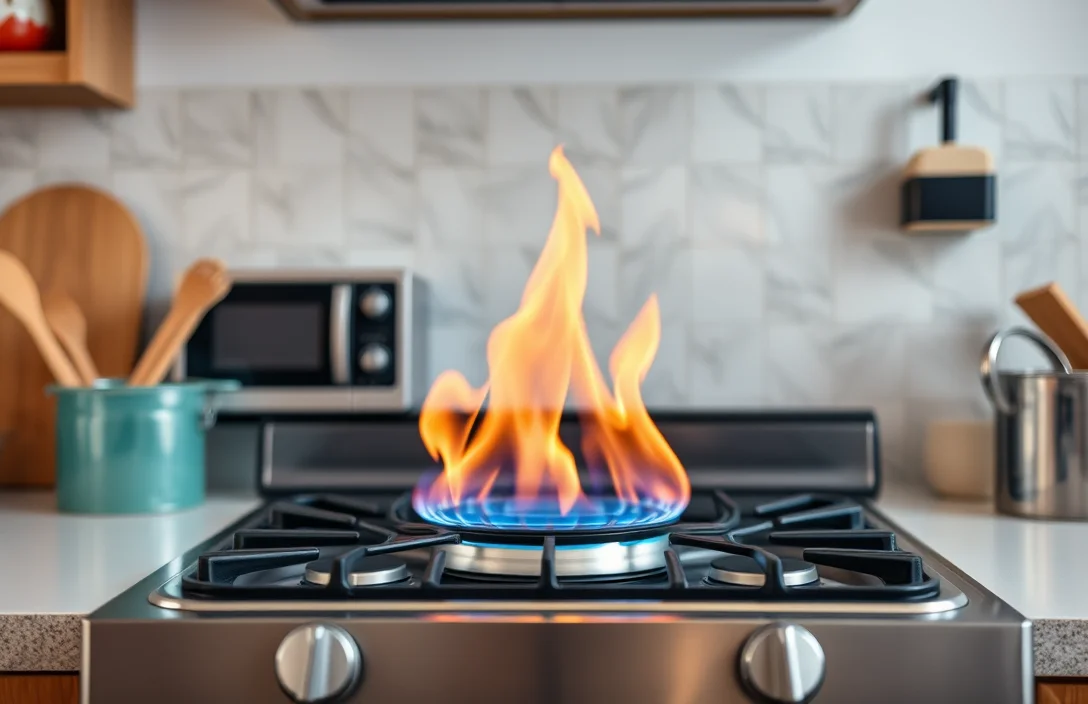
Approximately 40% of American households prefer gas stoves over electric ones, citing benefits like immediate heat control and lower energy costs. Choosing between gas and electric can significantly impact your cooking efficiency and utility bills, making it essential to understand the differences.
Gas stoves offer instant heat and precise temperature control, while electric stoves provide even cooking and are often considered safer. Evaluating these aspects can help you make an informed decision based on your cooking style and preferences.
Cost Comparison of Gas and Electric Stoves
Initial costs differ significantly between types. Gas stoves typically range from $500 to $2,000, while electric models can be found from $400 to $1,500. Installation expenses can also vary, especially if gas lines need to be added. Therefore, upfront investment should consider both stove price and installation requirements.
Long-term operational costs are crucial for decision-making. Gas generally costs less per unit, making it cheaper for cooking over time. On the other hand, electric stoves may have higher energy costs but often require less maintenance. Analyzing these ongoing expenses will lead to better financial decisions.
Energy efficiency ratings play a role in overall costs. Electric stoves often have higher energy efficiency, which can lead to lower utility bills. Gas stoves, while less efficient, can offer immediate heat control, appealing to many cooks. Evaluating personal cooking habits can help determine which type aligns best with your budget.
Resale value influences total ownership costs as well. Gas models tend to hold value better, appealing to homebuyers who prefer this traditional cooking method. Electric stoves may attract buyers focused on modern appliances. Understanding market trends in your area can aid in making a wise investment.
Energy Efficiency Ratings of Stoves
Efficiency ratings measure how well stoves convert energy into heat. Gas stoves typically operate at about 30% efficiency, as much of the heat escapes into the kitchen rather than cooking food. In contrast, electric stoves can reach efficiencies of 75% or higher, utilizing most of the energy directly for cooking.
Research indicates that electric models provide faster heating times, resulting in less energy waste. This efficiency contributes to lower energy bills and a more environmentally friendly cooking experience. Gas stoves, while offering instant heat, often lead to higher energy consumption due to heat loss.
Consumers should also consider standby energy usage. Electric stoves generally use less energy when not in active cooking mode, whereas gas stoves may continue to consume energy, particularly if the pilot light remains lit. Evaluating these factors can significantly impact long-term energy costs.
Overall, energy efficiency plays a crucial role in choosing between gas and electric cooking appliances. While the initial purchase price may differ, understanding energy consumption and efficiency can lead to substantial savings and a more sustainable kitchen environment.
Installation Requirements for Gas and Electric
Gas stoves require a natural gas line connection. Verify that your kitchen has access to a dedicated line, which is essential for safe operation. Professional installation is recommended to ensure compliance with local codes and safety standards. Check for any leaks after installation; this is crucial for avoiding dangerous situations.
Electric stoves need a 240-volt outlet. Inspect your kitchen’s electrical system to confirm compatibility. If necessary, hire an electrician to install the appropriate outlet. Overloading circuits can lead to electrical fires, so ensure the circuit is dedicated solely to the stove.
Ventilation is critical for gas stoves. Install a range hood or adequate venting system to remove combustion gases effectively. Proper ventilation not only enhances safety but also improves air quality in the kitchen. Always follow manufacturer guidelines for vent placement and installation.
Space requirements differ significantly between models. Gas stoves often need additional clearance for ventilation and gas line access. Electric stoves, while generally easier to fit, still require ample space for safe operation. Measure your kitchen layout carefully to ensure a proper fit for your chosen appliance.
Maintenance and Cleaning for Both Stoves
Regular maintenance ensures longevity and performance. Gas stoves require periodic inspection of burners and connections for leaks or blockages. Electric stoves benefit from checking the heating elements and ensuring proper function. Keeping both types clean prevents buildup that can affect cooking efficiency.
Cleaning methods differ slightly. Gas stove tops can be wiped down with a soft cloth and mild detergent. For stubborn stains, a paste of baking soda and water works well. Electric stoves, particularly smooth-top versions, need specialized cleaners to avoid scratches.
- Ensure gas burners are cool before cleaning.
- Wipe electric stove surfaces immediately after spills.
- Inspect connections for gas stoves monthly.
- Replace damaged heating elements promptly.
- Use vinegar to eliminate grease on both types.
Routine checks are vital. Gas stoves should have their pilot lights inspected regularly for stability. Electric stoves should have their cords checked for fraying or damage. Addressing these issues early can prevent larger problems down the line.
Heat Distribution in Cooking Performance
Heat affects cooking outcomes significantly. Gas and electric stoves distribute heat differently, influencing how food cooks. Gas stoves offer instant heat control, allowing rapid temperature adjustments. Electric stoves, conversely, provide a more consistent heat spread, particularly with smooth-top models. Understanding these differences helps in choosing the right stove for your culinary needs.
- Gas stoves generate heat directly through flames, leading to quick responsiveness. Adjusting the flame immediately impacts cooking speed, making it ideal for recipes requiring precise temperature control.
- Electric stoves use radiant heat, which provides even cooking across the surface. This consistency can be beneficial for dishes that require steady heat, such as simmering sauces or baking.
- Induction cooktops, a type of electric stove, use magnetic fields to heat pots directly. This method provides rapid temperature changes and maximizes energy efficiency, often speeding up cooking times.
- Consider cookware material when evaluating heat distribution. Copper and stainless steel pans perform well on gas, while heavy-bottomed pans excel on electric surfaces by retaining heat evenly.
- Evaluate cooking styles to determine which stove benefits you most. If you prefer quick adjustments and high-heat cooking, gas may be preferable. For slow, even cooking, electric stoves could enhance your results.
Quick Summary
- Gas stoves provide instant heat and precise temperature control, making them preferred by many chefs.
- Electric stoves tend to distribute heat more evenly, which can be beneficial for certain cooking tasks.
- Gas stoves require a gas line, while electric stoves can be easier to install in some homes.
- Electric stoves are generally considered safer because they eliminate the risk of gas leaks.
- Gas stoves can be more cost-effective in terms of energy usage, depending on local gas prices.
- Electric stoves often come with modern features like induction cooking, which can be more energy-efficient.
- Maintenance and cleaning can differ, with gas stoves requiring more attention to burners and fittings.
Frequently Asked Questions
1. What are the main differences between gas and electric stoves?
Gas stoves use natural gas or propane as fuel, providing instant heat and precise temperature control. Electric stoves rely on electricity to generate heat through coils or induction, offering a more even heat distribution but typically taking longer to heat up.
2. Which type of stove is better for cooking?
It depends on personal preference and cooking style. Many professional chefs prefer gas stoves for their quick response to temperature changes, whereas home cooks may appreciate the consistent heat and safety features of electric stoves.
3. Are gas stoves more energy-efficient than electric stoves?
Gas stoves can be more energy-efficient because they produce heat directly and do not lose energy in the form of residual heat, unlike electric stoves. However, the efficiency can vary based on energy prices in your area and the type of cooking you do.
4. Is there a difference in maintenance between gas and electric stoves?
Gas stoves generally require more maintenance, such as cleaning burners and ensuring proper ventilation. Electric stoves may need less frequent cleaning, but coil elements can wear out over time and require replacement.
5. Are there safety concerns with gas and electric stoves?
Gas stoves pose risks such as gas leaks and fire hazards if not properly maintained. Electric stoves, while generally safer, can still present risks like burns or electrical malfunctions, making it important to follow safety guidelines for both types.
