
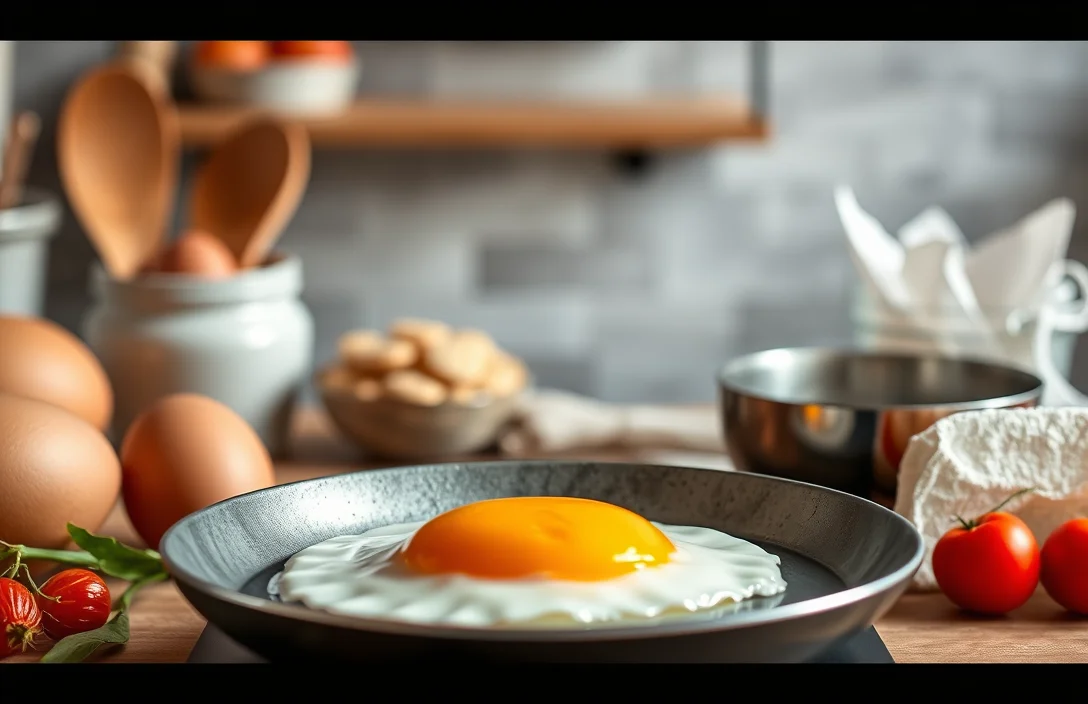
Eggs are incredibly versatile; they can be cooked in numerous ways, with over 1.5 billion eggs eaten daily in the United States alone. Mastering egg cooking can elevate your meals and enhance your culinary skills significantly.
Learning to cook an egg involves mastering various techniques like boiling, scrambling, frying, and poaching. Each method offers unique flavors and textures, making eggs a staple in countless dishes.
Perfectly Boiling Eggs Every Time
Start with room temperature eggs. Cold eggs straight from the fridge often crack during cooking. Allow them to sit out for about 20-30 minutes before boiling. This simple step helps prevent unwanted breaks and ensures even cooking.
Bring water to a rolling boil. Fill a pot with enough water to cover the eggs by about an inch. Once the water reaches a vigorous boil, carefully lower the eggs in using a slotted spoon. This method avoids splashing and potential burns.
Set a timer based on desired doneness. For soft-boiled eggs, aim for 6-7 minutes, while medium and hard-boiled eggs require 8-10 and 10-12 minutes respectively. Precision in timing ensures each egg reaches your preferred consistency.
Transfer eggs to an ice bath immediately. Once the timer goes off, move the eggs into a bowl filled with ice water. This stops the cooking process and makes peeling easier, resulting in a perfect boiled egg with a tender yolk.
Mastering Scrambled Eggs Techniques
Whisking eggs thoroughly creates a fluffy texture. Start by cracking eggs into a bowl, then use a fork or whisk to beat them until the yolks and whites are well combined. Incorporating air during this process is essential, as it contributes to the lightness of the final dish. Aim for a consistent, pale-yellow mixture without visible streaks of egg white.
Adding seasoning enhances flavor significantly. Consider mixing in salt and pepper directly into the eggs before cooking. For a richer taste, include ingredients like cheese, herbs, or even a splash of cream. Salt can help draw moisture out, so add it just before cooking if you prefer slightly firmer eggs.
- Use fresh eggs for best results.
- Cook on low heat to prevent burning.
- Stir gently to create creamy curds.
Choosing the right pan matters greatly. A non-stick skillet is ideal, as it allows eggs to slide easily without sticking. Preheat the pan on low to medium heat, then add butter or oil. Wait until the fat is hot but not smoking before adding the eggs for optimal cooking.
Finishing with a touch of cream or butter at the end can elevate the dish. Stirring in a small amount of either will enhance creaminess and flavor, making your scrambled eggs even more indulgent. Serve immediately for the best texture and taste.
Frying Eggs Without Sticking
Using non-stick pans prevents eggs from adhering to surfaces. Select a high-quality non-stick skillet that distributes heat evenly. Preheating the pan properly ensures that eggs cook without sticking. Aim for a medium heat setting, allowing the pan to warm up before adding any fat.
Choice of fat matters significantly. Butter or oil both work well, but using enough is essential. Coat the bottom of the pan generously to create a barrier between the eggs and the surface. Allow the fat to heat until it shimmers before adding the eggs.
Cooking temperature plays a vital role. High heat generates a risk of sticking, so maintaining a moderate temperature is crucial. Adjust your burner to avoid excessive heat that can cause the eggs to bond to the pan.
Fresh eggs offer better results than older ones. Older eggs have a higher pH, which can lead to more sticking. Always use the freshest eggs available for optimal frying outcomes.
Proper technique enhances non-stick results. Gently slide your spatula underneath the egg as it cooks, ensuring that it remains loose in the pan. This technique prevents the egg from forming a strong bond with the surface, making flipping or serving much easier.
Essential Poaching Eggs Tips
Perfect poached eggs require precision and care. Start with fresh eggs, as they hold their shape better when cooked. Use a gentle simmer rather than a rolling boil to prevent the eggs from breaking apart. This method ensures a tender result without toughened whites.
- Use vinegar in the water. Adding a splash of vinegar helps the egg whites coagulate quickly, resulting in a neater shape.
- Crack eggs into small bowls. Doing this allows for easy transfer into the water, minimizing the risk of breaking the yolk.
- Create a whirlpool effect. Stirring the water gently in a circular motion before adding the egg helps keep the whites together, forming a more cohesive poached egg.
- Cook for three to four minutes. This duration yields a soft, runny yolk. Adjust the time for firmer yolks as needed.
- Remove with a slotted spoon. Gently lifting the eggs from the water allows excess water to drain off, keeping your presentation clean.
Baking Eggs to Delicious Perfection
Baking eggs provides a unique texture and flavor profile, ideal for various dishes. Begin by preheating your oven to 350°F (175°C). Use a muffin tin or individual ramekins for even cooking. Grease the containers with butter or non-stick spray to prevent sticking.
Next, crack an egg into each greased cup. For added flavor, consider sprinkling salt, pepper, or your favorite herbs and cheese on top. This simple seasoning enhances the overall taste and allows for personal customization.
Bake the eggs for about 12-15 minutes, depending on your desired doneness. Keep an eye on them to ensure they don’t overcook, as the texture can change dramatically. A slight jiggle in the center indicates a soft, creamy yolk.
After baking, let them cool for a minute before gently removing them from the pan. Use a butter knife to loosen the edges if necessary. Serving them warm maintains their softness and flavor, making them a perfect addition to any breakfast or brunch plate.
Easily Making Omelets at Home
Creating a simple, tasty omelet is straightforward. Follow these steps to prepare a delicious dish that showcases your egg-cooking skills. Quality ingredients and proper technique will ensure your omelet is fluffy and flavorful.
- Crack three eggs into a bowl. Whisk them thoroughly until the yolks and whites are fully combined. Season with a pinch of salt and pepper to taste.
- Heat a non-stick skillet over medium heat. Add a tablespoon of butter or oil, allowing it to melt and coat the pan evenly.
- Pour the egg mixture into the skillet. Swirl the pan gently to spread the eggs evenly across the surface. Let it cook undisturbed for about 2 minutes.
- Gently lift the edges of the omelet with a spatula. Tilt the pan to let uncooked eggs flow to the edges. Continue cooking until the top is slightly set but still slightly runny.
- Add your choice of fillings. Cheese, vegetables, or cooked meats work well. Place your fillings on one half of the omelet.
- Fold the omelet in half over the fillings. Cook for an additional minute, allowing the cheese to melt and the flavors to meld.
Serve hot, garnished with fresh herbs or additional toppings if desired. Enjoy your homemade omelet!
Effectively Seasoning Your Eggs
Seasoning enhances the flavor of cooked eggs significantly. Start by sprinkling salt and freshly cracked black pepper, as these two staples complement the natural taste. Adjust the amount according to your preference, but remember that a little goes a long way in boosting flavor without overpowering the dish.
Exploring herbs can elevate your eggs. Fresh herbs like chives, parsley, or cilantro add brightness and freshness. Dried herbs such as oregano or thyme work well too. Experiment with different combinations to find the perfect balance that suits your palate.
Incorporating spices can create a unique flavor profile. Consider paprika for smokiness, cayenne for heat, or turmeric for an earthy undertone. A dash of these spices not only adds flavor but also enhances the visual appeal of your dish.
Adding sauces transforms the overall taste. Hot sauces, sriracha, or even a drizzle of soy sauce can provide an exciting kick. Try blending them into scrambled eggs or drizzling over poached eggs to create depth in flavor.
Lastly, using cheese can create a rich and creamy texture. Feta, cheddar, or goat cheese melts beautifully into warm eggs, adding both flavor and creaminess. Choose your favorite and sprinkle it on just before serving for a delightful finish.
Quick Summary
- Choose the egg cooking method: boiling, frying, scrambling, or poaching.
- For boiling, cook in water for 6-12 minutes depending on desired doneness.
- Fry eggs in a non-stick skillet with a bit of oil or butter for crispy edges.
- Scramble eggs over medium heat, stirring continuously for fluffy texture.
- Poach eggs by simmering in water with a splash of vinegar for a tender white.
- Season eggs with salt and pepper to enhance flavor.
- Experiment with cooking times and techniques to find your preferred style.
Frequently Asked Questions
What are the different ways to cook an egg?
The most common methods to cook an egg include boiling, frying, scrambling, poaching, and baking. Each method offers a unique texture and flavor, allowing for versatility in meals.
How long does it take to boil an egg?
For soft-boiled eggs, cook them for about 4-6 minutes, while hard-boiled eggs typically require 9-12 minutes. The exact time can vary based on the size of the eggs and your desired doneness.
What is the best way to fry an egg?
To fry an egg, heat a non-stick skillet over medium heat and add a small amount of oil or butter. Crack the egg into the pan and cook for 2-3 minutes for sunny-side up, or flip it and cook for an additional minute for over-easy.
How do I know when an egg is done cooking?
For boiled eggs, the cooking time will determine doneness; soft-boiled should be slightly runny, while hard-boiled should be firm throughout. For fried eggs, the whites should be set, and the yolk should be at your desired consistency.
Can I cook eggs in the microwave?
Yes, you can cook eggs in the microwave by whisking them in a microwave-safe bowl and heating them in short intervals, stirring in between. This method is quick but requires attention to avoid overcooking.
