
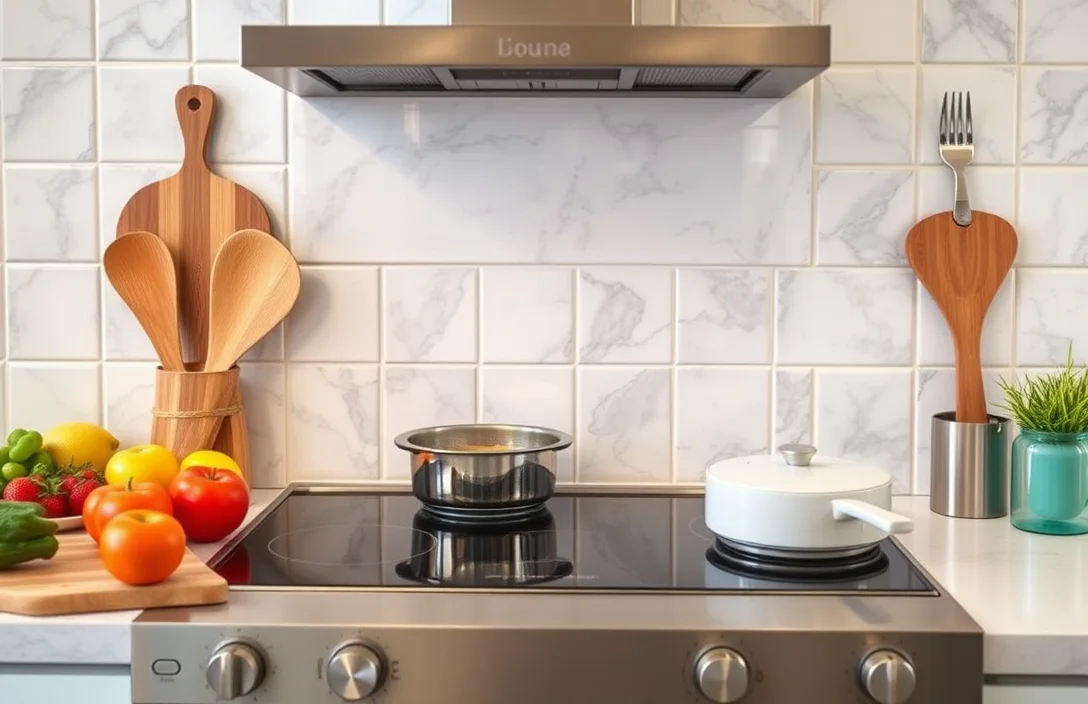
Seventy-five percent of home cooks prefer induction stoves for their speed and energy efficiency. With their ability to heat cookware directly, cooking times can be significantly reduced compared to traditional electric stoves. This makes induction a compelling choice for those looking to enhance their kitchen experience.
Safety, energy efficiency, and ease of use are key considerations when comparing induction and electric stoves. Induction stoves offer instant heat and cool quickly, while electric stoves provide consistent heat. Understanding these differences can help you choose the best option for your cooking style.
Heating Technology Differences Explained
Induction stoves generate heat through electromagnetic energy, which directly heats cookware. This method is efficient because the heat is produced only when compatible cookware is placed on the surface. In contrast, electric stoves rely on heating elements that warm up gradually, transferring heat to the cookware through conduction. This process can take longer and may lead to more energy loss.
- Induction utilizes magnetic fields for fast heating.
- Electric stoves use resistive heating elements.
- Cookware compatibility is crucial for induction.
- Temperature control is often quicker with induction.
- Energy efficiency is generally higher with induction.
Comparing Cooking Efficiency of Stoves
Speed is essential in cooking, and the time it takes to heat food varies significantly between options. Induction stoves heat cookware directly, resulting in faster cooking times. In contrast, electric stoves rely on heating elements, which means they take longer to heat up and cool down.
- Induction cooking can reduce meal prep time. For example, boiling water typically takes around 3-5 minutes on an induction stove, while electric models may take 6-8 minutes.
- Food cooks evenly on induction. Since the heat is directly transferred to the pot, there are fewer hot spots, ensuring consistent results. Electric stoves may have uneven heating, affecting cooking times and outcomes.
- Temperature adjustments are instantaneous with induction. This allows for precise control when simmering or searing. On electric stoves, changing temperatures can take time as the elements need to adjust.
- Induction’s efficiency leads to energy savings. Using less time and reducing heat loss means you can save on energy bills compared to electric options, which can waste heat.
Choosing induction means prioritizing speed and efficiency in your cooking routine. Electric stoves may suffice for casual cooks, but for those aiming for quicker meals, induction offers a tangible advantage.
Energy Consumption Rates of Each Type
Energy efficiency varies significantly between induction and electric stoves. Induction models typically consume about 10-20% less energy than traditional electric stoves. This efficiency is due to their direct heating method, which heats only the cookware and reduces wasted energy.
Cost-wise, induction stoves can lead to lower energy bills over time. While the initial investment may be higher, the long-term savings on electricity can offset this expense. On average, users report a noticeable decrease in their monthly utility costs after switching to induction.
Operating temperatures also play a crucial role in energy consumption. Induction stoves heat up rapidly, allowing for quicker cooking times and less energy use overall. Electric stoves often take longer to reach the desired temperature, which can lead to increased energy consumption during cooking.
Knowing your cooking habits can help you make a better choice. If you cook frequently and value efficiency, induction may be the better option. Conversely, if you occasionally cook or prefer a more budget-friendly option upfront, an electric stove could suit your needs.
Safety Features in Induction and Electric
Induction stoves offer remarkable safety features, primarily because they heat only the cookware. The surface remains cool to the touch, significantly reducing burn risks, especially for children and pets. Automatic shut-off functions prevent overheating or accidents from leaving a burner on.
Electric stoves, while generally safe, present some potential hazards. The heating elements can retain heat long after being switched off, posing burn risks. Safety features like indicator lights show when the surface is hot, helping to prevent accidental burns.
Child safety locks are available on both types, enhancing protection against curious little hands. Models with this feature allow you to disable controls, ensuring that kids cannot turn the stove on unintentionally.
Overheating protection is crucial in both stove types. Induction models often have built-in sensors that deactivate the unit if it detects excessive heat. Electric stoves may include similar mechanisms, although they are typically less sensitive.
Ultimately, evaluating safety features based on your household needs is essential. If you have young children or pets, induction may offer a clear advantage. Both options have their merits, so consider which fits your lifestyle best.
Cost Analysis of Induction vs Electric
Initial purchase costs vary significantly between these two cooking options. An induction stove typically costs more upfront, ranging from $800 to $2,500, while electric stoves usually fall between $400 and $1,200. Higher-end induction models offer faster heating and energy efficiency, which can offset initial expenses over time.
Long-term costs also differ due to energy efficiency. Induction stoves are more efficient, converting about 90% of energy into heat, compared to electric stoves that convert around 70%. This efficiency translates to lower electricity bills, especially for frequent cooks. Over the lifespan of the appliance, this could save you hundreds.
| Cost Factor | Induction Stove | Electric Stove |
|---|---|---|
| Initial Cost | $800 – $2,500 | $400 – $1,200 |
| Energy Efficiency | 90% | 70% |
| Average Annual Operating Cost | Lower | Higher |
Resale value may also be higher for induction models, as they are becoming increasingly popular in modern kitchens. This can further justify the initial investment in the long run. Assessing both upfront and ongoing costs will help you choose the best option for your cooking needs and budget.
Cookware Compatibility for Both Stoves
Induction cooktops require specific cookware made from magnetic materials. Cast iron and magnetic stainless steel are ideal choices, as they provide efficient heat transfer. Non-magnetic materials like aluminum or glass will not work on induction stoves, so it’s essential to check your pots and pans before purchasing.
Electric stoves, on the other hand, offer more versatility in cookware options. Any material, including stainless steel, aluminum, copper, and ceramic, can be used effectively. Since electric stoves rely on direct heat, they accommodate a broader range of pots and pans without compatibility concerns.
Many manufacturers label cookware as induction-compatible, helping you make informed decisions. Look for a magnet test: if a magnet sticks to the bottom of your pot, it will work on an induction stove. This simple check can save you from unnecessary purchases.
Investing in high-quality cookware enhances cooking performance on either stove. Prioritize flat-bottom designs for even heat distribution. Moreover, selecting heavy-bottomed pots can minimize the risk of warping and ensure longevity.
Installation Requirements for Each Stove
Induction and electric stoves have different installation requirements that need consideration. Electric stoves typically require a standard 240-volt outlet and a dedicated circuit for optimal performance. In contrast, induction stoves demand a similar setup but also may necessitate specific wiring to support their higher amperage. Always consult the manufacturer’s specifications for precise requirements.
Consideration for countertop space is crucial. Induction units often need a smooth, non-porous surface to function effectively, while electric stoves can be placed on various materials. Ensure that the countertop can support the weight and heat generated by the stove. Proper ventilation is also essential for both types, especially in enclosed kitchens.
Installation options vary based on the model and type. Some induction models are available as built-in cooktops, which require more complex installation and support. Electric ranges, on the other hand, can be freestanding, meaning easier placement in your kitchen layout. Hiring a professional for installation can prevent electrical hazards and ensure safety.
Safety checks should not be overlooked. Before using either stove, ensure that all connections are secure and that there are no exposed wires. Regularly inspect your installation for any signs of wear or damage, as this can prevent accidents and maintain efficiency.
Quick Summary
- Induction stoves use electromagnetic fields to directly heat pots and pans, while electric stoves use radiant heat from coils or smooth tops.
- Induction cooking is generally faster and more energy-efficient compared to electric stoves.
- Induction stoves require compatible cookware made of ferrous materials, while electric stoves can use any type of cookware.
- Induction cooktops are easier to clean as spills do not burn onto the surface, unlike electric stoves.
- Electric stoves tend to be less expensive upfront, while induction stoves may have higher initial costs due to technology.
- Induction cooktops provide precise temperature control, making them ideal for tasks requiring accuracy.
- Safety features in induction stoves include automatic shut-off and cool-to-touch surfaces, reducing the risk of burns.
Frequently Asked Questions
What is the main difference between induction and electric stoves?
Induction stoves use magnetic fields to directly heat pots and pans, while electric stoves rely on heating elements to warm the cooking surface. This means induction stoves heat up faster and are generally more energy-efficient.
Are induction stoves safer than electric stoves?
Yes, induction stoves are often considered safer because the cooking surface remains cool to the touch, reducing the risk of burns. Additionally, they automatically turn off when pots are removed, which can prevent accidents.
How do I know if my cookware is compatible with induction cooking?
Cookware for induction cooking must be made of ferrous metal, which can be tested with a magnet. If the magnet sticks to the bottom of your pot or pan, it is suitable for use on an induction stove.
Are electric stoves more cost-effective than induction stoves?
Electric stoves are typically less expensive upfront compared to induction models. However, induction stoves can offer savings on energy bills over time due to their higher efficiency and faster cooking times.
Which type of stove is easier to clean?
Induction stoves are generally easier to clean since spills do not bake onto the cooking surface due to the cooler surface. Electric stoves may have more stubborn residues, especially if they have coil burners.
