
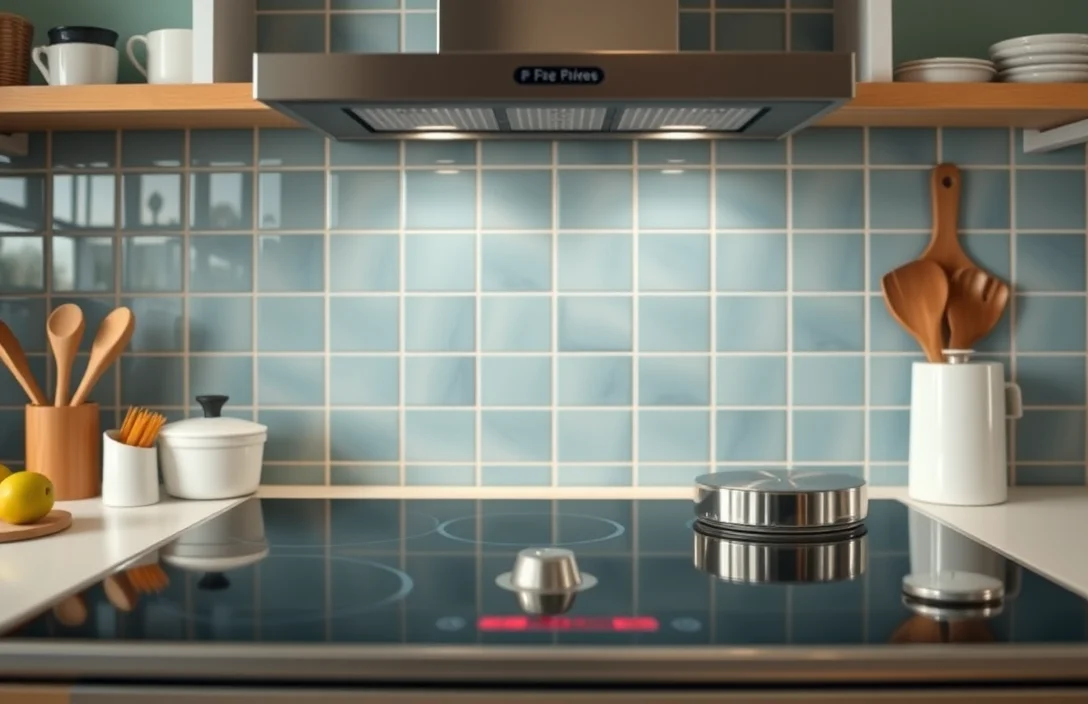
Twenty-five percent of American households rely on electric stoves, while induction stoves remain less common but gaining popularity. This stark contrast highlights the growing interest in energy-efficient cooking methods, prompting many to weigh the pros and cons of these two types of stovetops.
Induction stoves offer faster heating, greater energy efficiency, and safer operation compared to electric stoves. Electric stoves, however, are often more affordable and easier to install, making them a preferred choice for many homeowners.
Heating Methods Compared in Cooking
Electric stoves generate heat through resistance. Metal coils or smooth surfaces heat up when electricity flows through them. This method causes the cookware to absorb heat from the surface, cooking food. While effective, energy loss occurs as heat radiates into the surrounding air.
- Induction stoves utilize magnetic fields. They create heat directly in compatible cookware, making them more efficient. Only ferrous materials respond to the magnetic field, ensuring minimal energy waste.
- Resistance heating relies on conduction. With electric stoves, heat transfers from the coil or surface to the pan, which can take time. Consequently, the cooking process may be slower compared to induction methods.
- Magnetic fields heat cookware instantly. Induction technology allows for rapid temperature adjustments. Users can achieve precise control over cooking temperatures, enhancing culinary outcomes.
- Surface temperature varies significantly. Electric stovetops can remain hot long after being turned off, posing a burn risk. Induction surfaces cool quickly once the cookware is removed, improving safety.
Energy Efficiency Ratings Explored
Electric stoves typically operate at an efficiency range of 70-80%, while induction stoves achieve around 85-90% efficiency. This means that induction models convert more energy into heat for cooking, making them a more efficient option. Consumers looking to reduce energy consumption should consider these ratings when choosing between the two.
Comparative analysis of energy consumption shows that induction stoves require less overall energy to cook the same amount of food. For example, boiling water may take 50% less time on an induction stove compared to an electric stove. This not only saves energy but also lowers electricity bills.
A straightforward comparison table illustrates these efficiency levels:
| Stove Type | Efficiency Rating | Average Energy Consumption |
| Electric Stove | 70-80% | ~1.5-2 kWh |
| Induction Stove | 85-90% | ~1-1.5 kWh |
In summary, induction stoves outperform electric models in energy efficiency and consumption. Opting for an induction stove can lead to significant long-term savings and a more environmentally friendly kitchen setup.
Cooking Speed and Performance Metrics
Cooking speed varies significantly between electric and induction models. Induction stoves heat up almost instantly because they generate heat directly in the cookware. In contrast, electric stoves rely on heating elements, which take longer to reach the desired temperature. This difference can impact meal preparation time, especially for busy cooks.
Efficiency plays a crucial role in performance metrics. Induction stoves typically convert around 90% of energy into heat for cooking, while electric stoves average about 70-80%. This efficiency translates into faster cooking and less energy wasted, making induction a strong contender for those prioritizing quick meal prep.
Temperature control is another critical aspect. Induction allows for precise adjustments, enabling chefs to maintain consistent heat levels easily. Electric stoves, while capable, may struggle with rapid temperature changes due to their slower heating elements. This difference can affect the outcome of delicate dishes that require exact temperature management.
Overall, if cooking speed and precise performance are top priorities, induction stoves offer significant advantages. Their rapid heating capabilities and energy efficiency can streamline the cooking process, making them ideal for both novice and experienced chefs seeking to enhance kitchen performance.
Safety Features in Electric and Induction Stoves
Electric stoves incorporate several safety features to prevent accidents. Most models include automatic shut-off systems that deactivate the heating element after a specific period of inactivity. This greatly reduces the risk of fire hazards and ensures that food does not overcook or burn.
Induction stoves offer unique safety advantages through their cooking technology. They remain cool to the touch during use, minimizing the risk of burns. Additionally, many models have child lock settings, preventing accidental activation and ensuring that young children cannot turn the stove on without supervision.
Temperature controls on both types enhance user safety. Electric stoves typically feature visible indicators showing when the surface is still hot. In contrast, induction stoves often use sensors to detect cookware placement, automatically turning off the heat if no pot is detected.
Ventilation features also contribute to safety. Electric stoves may have built-in exhaust systems to manage smoke and excess heat, while induction stoves often allow for better air circulation around the cooking surface. This helps maintain a safe cooking environment and prevents overheating.
Cleaning considerations improve safety as well. Smooth top electric stoves have fewer crevices for food particles to hide, making them easier to clean. Induction stoves, with their flat surfaces, also simplify maintenance and reduce the likelihood of spills causing future hazards.
Cost of Ownership Breakdown
Initial purchase prices for electric and induction models can vary significantly. Generally, electric stoves are less expensive upfront, typically ranging from $400 to $1,200. In contrast, induction stoves often start at about $800 and can exceed $2,000 for high-end units. Evaluating your budget will help determine which type fits your financial parameters.
Monthly energy costs are crucial for long-term budgeting. Electric stoves usually consume more energy, leading to higher electricity bills. Induction stoves, by contrast, offer greater efficiency, converting around 90% of energy into heat, while electric models hover around 70%. Over time, this efficiency can lead to substantial savings on energy costs.
Maintenance expenses can also differ significantly. Electric stoves often require occasional repairs or part replacements, especially with heating elements. Induction stoves, while generally more reliable, can necessitate specialized repairs if the induction circuitry fails. Understanding these potential costs can aid in making an informed decision.
Resale value is another factor to consider. Induction stoves tend to retain their value better due to rising popularity and efficiency. Electric stoves, while common, may not fetch as high a price on the resale market. Analyzing these factors can provide a clearer picture of long-term ownership costs.
Cleaning and Maintenance Considerations
Electric stoves typically require more effort to clean than induction models. The flat surface of an induction stove makes spills easier to wipe away, while electric burners often accumulate grime in crevices. Regular cleaning after use is essential for both types, but induction stoves present fewer challenges due to their smooth surfaces.
Surface materials significantly influence maintenance. Many induction stoves feature glass-ceramic tops that resist stains and scratches, making them simpler to maintain. In contrast, electric coils can become discolored and may require scrubbing to restore their original appearance. Selecting the right materials can enhance long-term usability.
Cleaning methods also differ. Non-abrasive cleaners and soft cloths are recommended for induction surfaces to prevent damage. In contrast, electric stove owners often need specialized cleaners for their coil burners or drip pans. Knowing the appropriate cleaning materials can prolong the life of your stove.
Maintenance can involve checking for wear. Induction stoves may require less frequent maintenance due to their efficient heating and lack of exposed components. Electric stoves, however, may need periodic checks on burner functionality and wiring, making them slightly more labor-intensive over time.
Cookware Compatibility Requirements
Induction stoves require specific cookware materials to function effectively. Compatible options include stainless steel, cast iron, and certain types of enameled cookware. The key factor is that these materials must have magnetic properties, allowing the induction process to occur. Without the right cookware, the induction stove won’t generate heat, rendering it useless.
Electric stoves offer broader compatibility. Many cookware options work well, including glass, ceramic, and aluminum. While these materials do not require magnetism, they should have a flat bottom for efficient heat transfer. This flexibility means users can often use existing pots and pans from their kitchen without major investments.
| Cookware Type | Induction Compatibility | Electric Compatibility |
| Stainless Steel | Yes | Yes |
| Cast Iron | Yes | Yes |
| Aluminum | No | Yes |
| Ceramic | No | Yes |
| Glass | No | Yes |
Investing in compatible cookware for induction stoves can be more expensive initially. Budget-conscious consumers may find electric stoves more appealing due to their versatility with existing kitchenware. Ultimately, the choice of stove may influence future cookware purchases.
User Experiences and Feedback Insights
Consumer preferences vary significantly between electric and induction options. Many users appreciate induction stoves for their rapid heating and precise temperature control. Feedback highlights that food cooks more evenly, which leads to better results, especially in delicate dishes like sauces and chocolates.
Cost factors also matter to buyers. Electric stoves often come at a lower initial purchase price, making them attractive for budget-conscious consumers. However, users note that induction models can save money in the long run due to energy efficiency, leading to lower utility bills.
Safety features are frequently mentioned. Induction cooking cools down quickly after removing cookware, reducing burn risks. Electric stoves can remain hot even after use, which raises concerns for families with small children. User experiences indicate that safety is a top priority for many households.
Cleaning preferences lean towards induction stoves as well. Smooth surfaces make for easier maintenance, while electric coils can trap food spills and require more effort to clean. Many consumers report a clear preference for the convenience of induction models regarding upkeep.
Overall satisfaction levels often reflect personal cooking styles. Enthusiasts who prioritize speed and precision lean towards induction, while traditional cooks may favor the reliability of electric stoves. Ultimately, experiences vary, but informed choices lead to greater satisfaction in the kitchen.
Quick Summary
- Electric stoves use heating elements to cook food, while induction stoves use magnetic fields to directly heat cookware.
- Induction stoves are generally more energy-efficient, as they heat cookware directly rather than the cooking surface.
- Electric stoves can be more affordable upfront, while induction stoves often have a higher initial cost.
- Induction cooking offers faster cooking times due to rapid heating and precise temperature control.
- Electric stoves are compatible with all types of cookware, while induction stoves require ferrous (magnetic) cookware.
- Cleaning is typically easier on induction stoves, as spills do not burn onto the surface as easily.
- Safety features are often superior in induction stoves, as they remain cool to the touch and automatically shut off when no cookware is detected.
Frequently Asked Questions
1. What is the main difference between an electric stove and an induction stove?
The primary difference lies in the heating method. Electric stoves use electric coils or heating elements to generate heat, while induction stoves use electromagnetic fields to directly heat the cookware, making them more efficient and faster in cooking.
2. Are induction stoves safer than electric stoves?
Induction stoves are generally considered safer because they only heat the cookware and not the surrounding surface. This reduces the risk of burns and accidental fires since the stove itself remains cool to the touch shortly after cooking.
3. Can I use any cookware on an induction stove?
No, induction stoves require compatible cookware made of ferrous metals, such as cast iron or certain stainless steels. Cookware made of glass, aluminum, or copper will not work unless they have a magnetic base.
4. How do the cooking times compare between electric and induction stoves?
Induction stoves typically offer faster cooking times due to their efficient heating technology. They can heat up pots and pans in a fraction of the time it takes for electric stoves, making them ideal for quick meal preparation.
5. Are there any disadvantages to using induction stoves?
While induction stoves are efficient, they can be more expensive upfront compared to traditional electric stoves. Additionally, the need for specific cookware can be a limitation for some users who may not want to invest in new pots and pans.
