
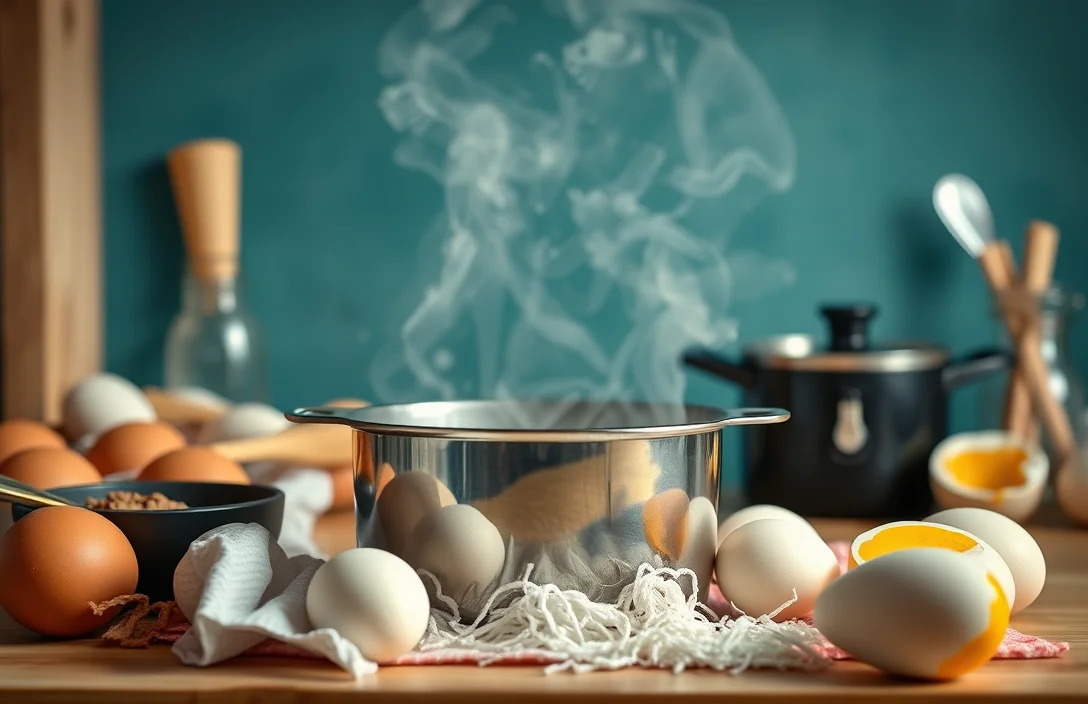
Seventy percent of people boil eggs incorrectly, resulting in overcooked yolks or cracked shells. Mastering the art of boiling eggs not only enhances flavor but also improves texture and presentation. This skill can elevate your breakfast, salads, and snacks to a whole new level.
Boiling eggs properly involves starting with cold water, timing accurately, and cooling quickly after cooking. Follow these steps to achieve perfect hard or soft-boiled eggs every time, ensuring a delicious and visually appealing outcome.
Selecting the Best Eggs for Boiling
Fresh eggs yield the best results when boiling. Look for eggs with clean, uncracked shells and a recent expiration date. The fresher the egg, the better the flavor and texture of the final product. Always check for any unusual odors or blemishes before purchasing.
- Inspect the shell quality closely. Eggs should feel firm and smooth, without any cracks or rough spots. A damaged shell can lead to contamination and affect cooking.
- Check the pack date or expiration date. Selecting eggs that are as fresh as possible ensures they will boil properly. Aim for eggs that are at least two weeks away from their sell-by date.
- Consider the size of the eggs. Large eggs typically provide a more consistent result, as they cook evenly. Standard sizes are often best for boiling.
- Assess the grade of the eggs. Grade AA or A eggs are preferable, as they have thicker whites which helps them hold their shape during boiling.
- Evaluate the storage conditions. Purchase eggs stored in a refrigerated section to maintain freshness and quality. Avoid eggs that have been stored at room temperature for extended periods.
Preparing the Boiling Water Properly
Start by filling a pot with enough water to completely submerge the eggs. Use cold water for the best results, as it allows the eggs to heat gradually, reducing the risk of cracking. Generally, a depth of about an inch above the eggs will suffice.
- Bring the water to a rolling boil. Turn the heat to high and wait until the water bubbles vigorously before adding the eggs. This ensures even cooking.
- Gently lower the eggs into the boiling water. Use a slotted spoon or a ladle to prevent the eggs from hitting the bottom of the pot too hard, which could cause them to crack.
- Cover the pot with a lid after adding the eggs. This helps maintain the temperature, ensuring consistent cooking throughout the boiling process.
- Adjust the heat if necessary. If the water begins to boil too vigorously, reduce the heat slightly to avoid overcooking or cracking the eggs.
- Monitor the water level. As the water boils, some may evaporate. Ensure that there is always enough water to keep the eggs submerged.
Following these steps will create an ideal boiling environment for eggs, setting you up for perfectly cooked results.
Timing for Perfect Soft-Boiled Eggs
Achieving the ideal soft-boiled egg requires precise timing. Start with room temperature eggs for best results. Bring water to a rolling boil, then gently lower the eggs into the pot. Cooking times vary based on desired softness, so aim for 6 to 7 minutes. This will yield a tender white and a runny yolk.
Monitoring the time closely is crucial. At 6 minutes, the egg whites should be just set, while the yolk will remain liquid. For a slightly firmer yolk, extend cooking to 7 minutes. Adjustments may be necessary based on egg size or altitude, so don’t hesitate to experiment to find your perfect timing.
After boiling, immediate cooling is essential. Transfer the eggs to an ice bath to halt the cooking process. This step prevents overcooking and preserves the desired texture. Let them chill for about 5 minutes before peeling, ensuring you enjoy the delightful, soft yolk.
Cooling Eggs After Boiling Efficiently
Rapidly cooling eggs halts the cooking process effectively. Begin immediately by preparing an ice bath. Fill a large bowl with cold water and ice cubes. As soon as the eggs finish boiling, transfer them from the pot to the ice bath using a slotted spoon. This method ensures even cooling and prevents overcooking.
Timing plays a crucial role in this step. Allow the eggs to sit in the ice bath for at least 5-10 minutes. This duration ensures that the heat dissipates fully, leading to perfectly cooked eggs with the desired texture. After cooling, gently tap the eggs on a hard surface to crack the shell for easy peeling later.
Maintaining the water temperature is essential. If the ice melts quickly, add more ice to keep the water cold. The contrast between the hot eggs and the cold water accelerates the cooling effect, making it more efficient. This simple technique transforms your boiled eggs into a delightful culinary experience, ready for any dish.
Techniques for Easy Egg Peeling
Cracking the shell efficiently helps. Start by gently tapping the egg on a hard surface, creating small fractures all over its surface. This method loosens the shell, making it easier to peel without damaging the egg white underneath. Aim for even distribution of cracks for optimal results.
Submerging the egg in cold water facilitates peeling. After cracking, place the egg under running cold water or submerge it in a bowl of ice water. The cold temperature helps separate the membrane from the egg, allowing the shell to slide off more smoothly. Ensure the egg is fully cooled for best outcomes.
Rolling the egg can help too. After cracking, place the egg on the countertop and gently roll it with your palm. This technique breaks the shell into smaller pieces, making it easier to remove. Use a light pressure to avoid crushing the egg inside.
Using a spoon is an effective alternative. After cracking the shell, slide a spoon between the egg and the shell. Gently rotate the spoon around the egg, which helps to lift the shell away while minimizing damage. This method works especially well for eggs with stubborn shells.
Avoiding Common Boiling Mistakes
Overcooking eggs results in rubbery whites and a greenish yolk. Avoid this by keeping a close eye on the clock and using a timer. Different cooking times yield various consistency levels, so know your desired result beforehand. For soft-boiled, aim for around 6 minutes; for hard-boiled, around 10 to 12 minutes is ideal.
Using cold water causes uneven cooking. Start with eggs at room temperature and cover them with already simmering water for consistent results. This method also reduces the chances of cracking, as sudden temperature changes can lead to stress on the shell.
Skipping the ice bath can lead to difficulty peeling. After boiling, immediately transfer eggs to an ice bath for at least 5 minutes. This not only stops the cooking process but also helps loosen the shell, making peeling easier and cleaner.
Neglecting to check the freshness can lead to disappointing results. Fresher eggs are harder to peel. Use older eggs for boiling, ideally those that have been in your fridge for a week or two. This slight age makes the membrane easier to separate from the shell.
Ignoring the importance of timing and monitoring can ruin your efforts. Set a timer and ensure you’re attentive during the cooking process. Delays can occur, leading to overcooking and undesired textures. Consistency is key for mastering the perfect boiled egg.
Quick Summary
- Start with eggs at room temperature for even cooking.
- Place eggs in a single layer in a pot and cover with cold water.
- Bring the water to a gentle boil over medium heat.
- Once boiling, cover the pot and remove it from heat; let eggs sit for the desired time.
- For soft-boiled eggs, let sit for 4-6 minutes; for hard-boiled, 9-12 minutes.
- Shock the eggs in cold water immediately after cooking to stop the cooking process.
- Peel eggs under running water for easier shell removal.
Frequently Asked Questions
How long should I boil eggs for hard-boiled results?
For hard-boiled eggs, bring water to a boil and then gently add the eggs. Boil them for about 9-12 minutes, depending on the size of the eggs and how well-cooked you prefer the yolks.
What is the best method to prevent eggs from cracking while boiling?
To prevent cracking, let the eggs sit at room temperature for about 30 minutes before boiling. You can also poke a small hole in the larger end of the egg with a pin to release any trapped air, which helps reduce the risk of cracking.
How can I tell if my boiled eggs are fresh?
A simple test is to place the eggs in water; fresh eggs will sink and lay flat on the bottom, while older eggs will stand upright or float. Additionally, you can check the expiration date printed on the carton for guidance.
What is the best way to peel hard-boiled eggs?
To peel hard-boiled eggs easily, cool them quickly by placing them in an ice bath for at least 5 minutes after boiling. This helps to contract the egg inside the shell, making it easier to remove the shell without damaging the egg.
Can I boil eggs directly from the refrigerator?
Yes, you can boil eggs straight from the refrigerator, but it’s advisable to let them sit at room temperature for a short while to reduce the risk of cracking. If you do boil them cold, just be mindful that it may take a minute or two longer for them to cook through.
