
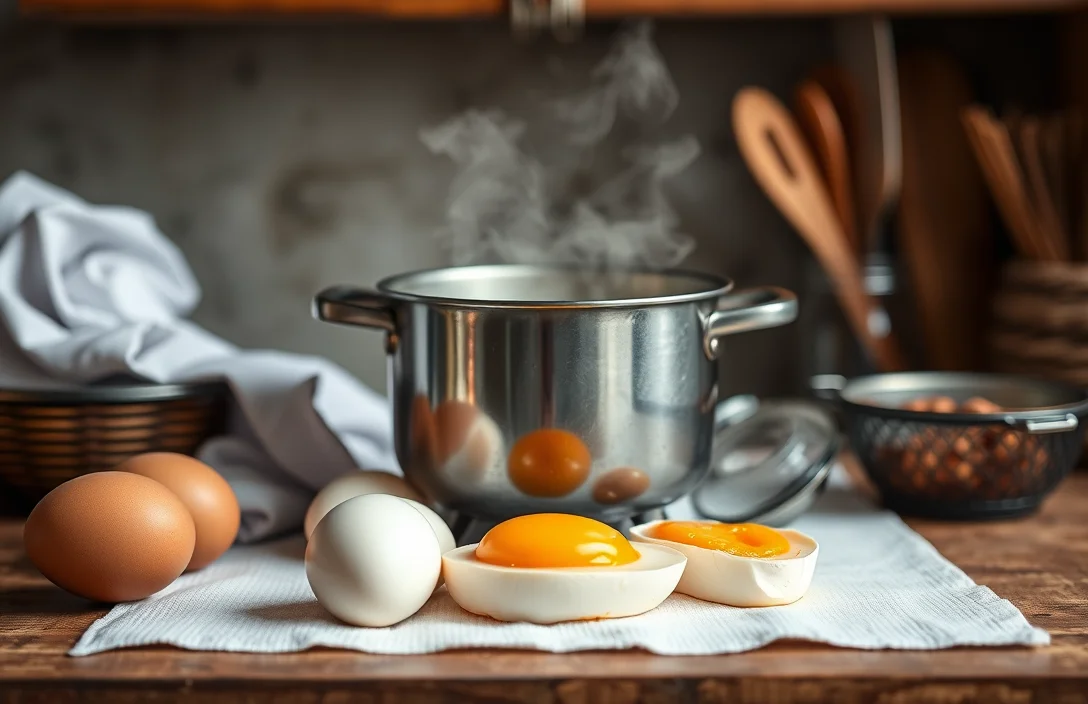
Thirty seconds can make the difference between a perfectly boiled egg and one that’s overcooked. Many people struggle with boiling eggs, leading to frustration and wasted time. Understanding the precise timing and technique is essential for achieving that ideal creamy yolk and tender white every time.
Boiling eggs successfully involves using fresh eggs, starting with cold water, and timing accurately. Follow these simple steps to ensure your eggs come out just right for any meal or snack.
Understanding Egg Size and Freshness
Fresh eggs significantly impact boiling quality. Older eggs tend to be more challenging to peel, as the pH levels increase over time, loosening the bond between the egg white and shell. For best results, select eggs that are recent in date, preferably within a week or two of their packaging.
Size matters when boiling eggs. Large eggs are the standard for most recipes, ensuring consistent cooking times and results. If using medium or extra-large eggs, adjust your boiling time accordingly to achieve the desired doneness.
Farm-fresh eggs often yield superior flavor and texture compared to store-bought varieties. If possible, source eggs directly from local farms; they tend to be fresher and less likely to have been stored for long periods.
Store eggs properly to maintain freshness. Keeping them in their original carton in the refrigerator helps minimize moisture loss and protects them from absorbing odors from other foods. Always check for cracks or unusual odors before boiling.
Optimal Boiling Water Temperature
Boiling water temperature directly influences egg cooking outcomes. For perfectly cooked eggs, aim for water to reach a rolling boil at 212°F (100°C). This consistent heat ensures even cooking throughout the egg, preventing undesirable textures and flavors.
- Heat water in a pot. Use enough water to cover the eggs completely. A larger pot can accommodate more eggs, ensuring they cook evenly.
- Monitor the temperature closely. A thermometer can help maintain the ideal boiling temperature. Avoid letting the water cool too much, as this can alter cooking times.
- Adjust heat during boiling. If bubbles form vigorously, reduce heat slightly to maintain a gentle boil. This prevents cracking and ensures a smooth cooking process.
- Consider altitude effects. At higher elevations, water boils at lower temperatures. Adjust boiling times accordingly for perfect results.
Maintaining the right boiling temperature is crucial in achieving the desired doneness of eggs. By following these steps, you can master the perfect way to boil eggs and enjoy consistently excellent results.
Timing for Soft and Hard Boiled Eggs
Achieving the right doneness requires precise timing. For soft-boiled eggs with a runny yolk, boiling them for about 6 to 7 minutes is ideal. Hard-boiled eggs, which should have a fully cooked yolk, need a longer boiling time of 9 to 12 minutes. Adjusting the cooking time slightly can yield the desired results based on personal preference.
- Soft-boiled eggs: Boil for 6-7 minutes. Start timing as soon as the water returns to a boil after adding the eggs.
- Medium-soft boiled: Aim for 8-9 minutes. This timing yields a slightly firmer yolk while still retaining some creaminess.
- Hard-boiled eggs: Cook for 9-12 minutes. For fully cooked yolks, 12 minutes is recommended.
Monitoring the boiling process is crucial. If you prefer softer yolks, opt for the lower end of the timing range. Conversely, for firmer yolks, lean towards the higher end. Experimenting with these times will help pinpoint the perfect way to boil eggs to suit your taste.
Benefits of an Ice Bath for Eggs
Cooling eggs rapidly after boiling enhances their texture and simplifies peeling. An ice bath effectively stops the cooking process, preventing overcooking and maintaining the desired doneness. This simple step ensures eggs remain tender and creamy, which is crucial for achieving the perfect way to boil eggs.
- Fill a large bowl with ice cubes and cold water before boiling the eggs.
- Once the eggs finish boiling, promptly transfer them to the ice bath using a slotted spoon.
- Allow the eggs to sit in the ice bath for at least 5-10 minutes.
- Remove the eggs from the ice bath and gently tap them on a hard surface to crack the shell.
- Peel under running water for easier shell removal and to avoid any stubborn bits sticking to the egg.
Implementing this cooling method leads to easier peeling, as the rapid temperature change helps to separate the membrane from the shell. Additionally, the ice bath contributes to a more uniform texture, resulting in a better overall egg experience.
Proper Storing Methods for Boiled Eggs
Boiled eggs should be stored promptly to maintain freshness. Place them in a clean container with a lid or cover them with plastic wrap. This prevents exposure to air, which can lead to spoilage and changes in texture. Keeping them in the refrigerator is essential for optimal preservation.
Labeling the container helps track freshness. Write the date of boiling on the lid or container. Typically, boiled eggs can be safely kept in the refrigerator for up to one week. Consuming them within this timeframe ensures the best flavor and quality.
Separating the shells from the eggs is beneficial if you plan to peel them ahead of time. Unpeeled boiled eggs last longer, while peeled ones should be stored in water to prevent drying. Change the water daily to keep them fresh.
Maintaining a consistent refrigerator temperature is crucial. Ideally, the temperature should be below 40°F (4°C) to inhibit bacterial growth. Avoid placing eggs in the door, as temperatures can fluctuate more there.
Using airtight containers is vital for preserving texture and flavor. Consider using a dedicated egg holder or a Tupperware-style container to protect against odors that can affect taste. Proper storage methods will ensure your boiled eggs remain delicious and safe to eat.
Flavoring Options to Enhance Boiled Eggs
Elevating boiled eggs begins with seasoning. Simple additions like salt and pepper can significantly enhance flavor. Experimenting with spices such as paprika or cayenne pepper adds warmth and depth. For a richer taste, consider drizzling eggs with olive oil or melted butter.
Incorporating fresh herbs can transform your dish. Chopped chives, dill, or parsley offer fresh, vibrant flavors. Mixing these herbs into a yogurt dressing or mayonnaise can create a delightful dip for your eggs. This not only boosts taste but adds a creamy texture.
Exploring international flavors broadens your options. A sprinkle of dukkah, a Middle Eastern spice blend, provides a unique crunch and flavor profile. Alternatively, try soy sauce or sriracha for a kick of umami. These additions can create exciting variations on classic boiled eggs.
Pairing boiled eggs with pickled vegetables is another tasty option. Pickled red onions or jalapeños add tanginess and crunch. Serving eggs alongside a mix of seasoned salts, like truffle salt or smoked salt, enhances the overall experience. Each bite becomes an adventure in flavor.
Quick Summary
- Start with eggs at room temperature for even cooking.
- Use a pot large enough to hold the eggs in a single layer.
- Cover the eggs with cold water, about an inch above the eggs.
- Bring the water to a gentle boil, then reduce heat to simmer.
- Cooking times vary: 6-7 minutes for soft-boiled, 9-12 minutes for hard-boiled.
- After cooking, transfer eggs to an ice bath to stop cooking.
- Peel eggs under running water for easier removal of shells.
Frequently Asked Questions
What is the best way to boil eggs to achieve the perfect consistency?
The best way to boil eggs is to start with cold water, place the eggs in a single layer, and bring the water to a boil. Once boiling, reduce the heat and let the eggs simmer for the desired time based on your preferred doneness: 4-5 minutes for soft-boiled, 9-12 minutes for hard-boiled.
How can I prevent my eggs from cracking while boiling?
To prevent cracking, use eggs that are at room temperature and avoid putting them directly into boiling water. You can also add a teaspoon of vinegar or salt to the water, which may help the egg whites coagulate faster in case of cracks.
What is the best method for peeling boiled eggs easily?
For easy peeling, use eggs that are a few days old instead of fresh eggs, as older eggs tend to peel better. After boiling, transfer the eggs to an ice bath for at least 5 minutes, which helps to separate the membrane from the shell.
How can I tell if my boiled eggs are cooked to my liking?
The best way to check if your eggs are cooked is to use the timer method based on your preference. For a more visual check, you can spin the egg; if it spins smoothly, it’s likely hard-boiled, while a wobbly spin indicates it’s still soft inside.
Can I boil eggs in advance and store them?
Yes, you can boil eggs in advance! Hard-boiled eggs can be stored in the refrigerator for up to one week. Make sure to keep them in their shells until you’re ready to eat them for the best freshness.
