
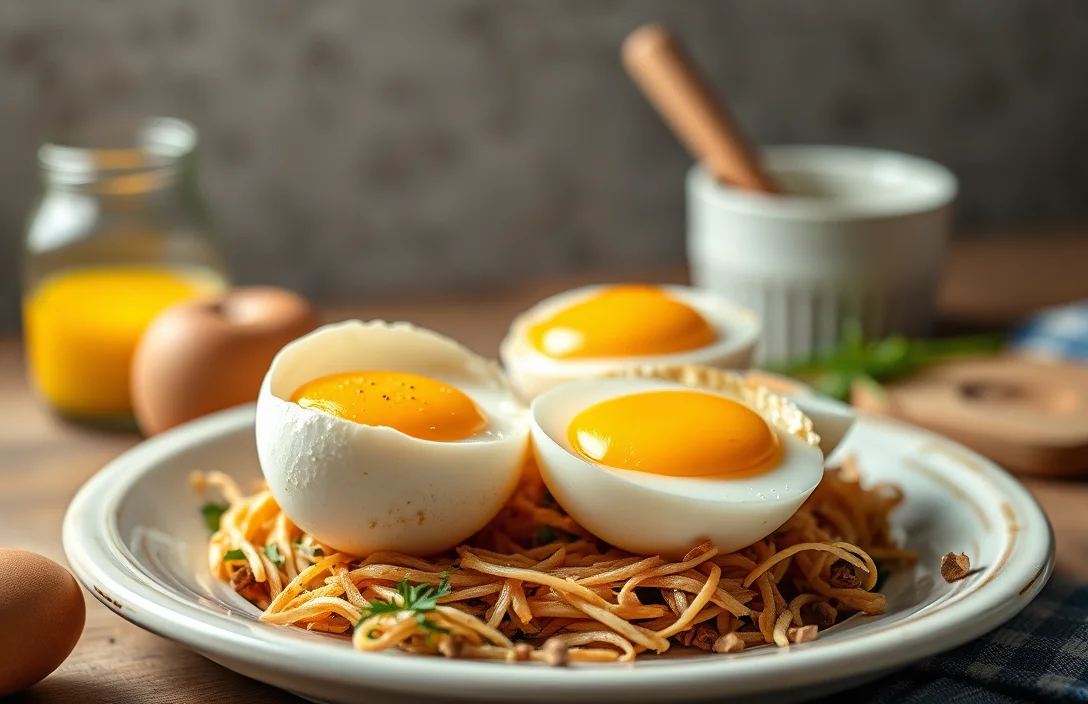
Over 1.5 billion eggs are consumed daily worldwide, making them one of the most versatile foods. Learning how to cook eggs opens up a world of culinary possibilities, from simple breakfasts to gourmet dishes. Mastering this skill enhances your cooking repertoire significantly.
Start with boiling, scrambling, or frying to familiarize yourself with different techniques. Experimenting with seasonings and toppings can elevate flavors. Understanding cooking times ensures perfect results every time. Enjoy the nutritional benefits eggs provide, as they are rich in protein and essential nutrients.
Boiled Eggs Techniques for Perfect Results
Boiling eggs requires precision to achieve desired doneness. Start by placing eggs in a single layer in a saucepan. Cover them with cold water, ensuring the water level is about an inch above the eggs. This method helps create even cooking and prevents cracking.
Adjusting the cooking time is crucial. For soft-boiled eggs, simmer them for about 6-7 minutes. Medium-boiled eggs need approximately 8-9 minutes, while hard-boiled eggs require around 10-12 minutes. Use a timer to avoid overcooking.
Cooling eggs immediately after boiling enhances peeling. Transfer the eggs to an ice bath or run them under cold water for several minutes. This stops the cooking process and helps separate the shell from the egg white, making peeling easier.
Experimenting with different altitudes may affect cooking times. At higher elevations, water boils at lower temperatures, which can lead to longer cooking times. Adjust accordingly to ensure your eggs reach the desired doneness.
Scrambled Eggs Variations for Flavor
Incorporate fresh herbs for flavor. Chopped chives, parsley, or dill can significantly enhance scrambled eggs. Add them during the last minute of cooking to preserve their vibrant taste and color. A little goes a long way, so start with a teaspoon and adjust to your preference.
Consider cheese for creaminess. Adding shredded cheese like cheddar, feta, or goat can create a rich texture. Stir in cheese just before the eggs finish cooking to allow it to melt perfectly, resulting in a luscious, cheesy scramble.
Try spices for zestiness. Incorporating spices such as paprika, cumin, or even chili flakes can add exciting layers of flavor. Sprinkle a pinch during cooking for an unexpected kick that complements the eggs well.
Add vegetables for nutrition. Bell peppers, onions, and spinach can be sautéed first and then folded into the eggs for added texture and health benefits. Cook the vegetables until tender before mixing them in to ensure they meld beautifully with the eggs.
Experiment with proteins for heartiness. Adding diced ham, cooked bacon, or smoked salmon can turn simple scrambled eggs into a filling meal. Mix in your protein of choice while the eggs cook to allow the flavors to combine seamlessly.
Fried Eggs Styles for Every Palate
Fried eggs can be prepared in several styles, each offering a unique flavor and texture. Start by selecting the right cooking oil, such as butter for richness or olive oil for a healthier option. Heat the skillet over medium heat until hot, then crack the eggs gently into the pan. Timing is crucial for achieving your desired doneness.
Sunny-side up provides a classic breakfast option. Cook the eggs without flipping until the whites are set but the yolks remain runny. For those who enjoy a firmer yolk, an over-easy style is ideal. Flip the eggs gently after the whites set and cook briefly on the other side, ensuring the yolk stays soft.
Over-hard eggs cater to individuals preferring fully cooked yolks. Flip the eggs and cook until the yolk is completely set. For a twist, consider adding seasonings or toppings like cheese or herbs while cooking to enhance flavor. Experimenting with different spices can transform the dish dramatically.
Basted eggs create a tender, glossy finish. Spoon hot oil or butter over the whites while cooking to achieve this effect. For a richer taste, try incorporating ingredients like diced tomatoes or bell peppers into the pan before adding the eggs. This method adds flavor and nutrition to your breakfast.
Poached Eggs Methods for Culinary Excellence
Perfect poached eggs require precise technique. Begin by filling a saucepan with water, approximately three inches deep. Bring the water to a gentle simmer, avoiding a rolling boil that can disrupt the delicate egg. Adding a splash of vinegar helps the egg whites coagulate quickly, ensuring a tender texture.
Creating a vortex enhances the poaching process. Stir the simmering water in a circular motion before gently adding the cracked egg into the center. This technique helps the whites wrap around the yolk, resulting in a beautifully shaped poached egg.
Timing is crucial for achieving the ideal doneness. Poach the egg for about three to four minutes for a runny yolk and slightly longer if a firmer yolk is preferred. Use a slotted spoon to remove the egg once cooked, allowing excess water to drain off.
Serving poached eggs can transform meals. They pair wonderfully with toast, salads, or on top of a hearty breakfast bowl. Experiment with seasoning, such as salt, pepper, or fresh herbs, to elevate the flavor and presentation.
Oven-Baked Eggs Recipes to Try
Baking eggs in the oven offers a simple way to prepare multiple servings at once. Start by preheating your oven to 350°F (175°C). Use a muffin tin, greased lightly, to hold the eggs. Crack an egg into each cup and season with salt, pepper, or herbs of choice. Bake for approximately 12-15 minutes until the whites are set but the yolks remain slightly runny.
Experiment with toppings for variety. Consider adding diced vegetables, cheese, or cooked meats directly into the muffin tin before adding the eggs. Spinach, bell peppers, or crumbled bacon can enhance flavor and nutrition. Each addition should be pre-cooked to ensure even cooking and avoid excess moisture.
Consider using ramekins for a more elegant presentation. Grease the ramekins and add ingredients like cream or cheese at the bottom before pouring in the eggs. Bake until the edges are set and the center is slightly jiggly. This method allows for customization and can be served directly from the ramekin.
Serving options abound. Once baked, sprinkle fresh herbs or grated cheese on top for added flavor. Serve them with toast, avocado, or a fresh salad for a complete meal. Experiment with different flavors and ingredients to discover your favorite combinations.
Eggs Benedict Preparation Steps
Ingredients include English muffins, poached eggs, Canadian bacon, and hollandaise sauce. Begin by toasting the muffins and preparing the other components. Follow these steps to create a classic Eggs Benedict with variations.
- Toast English muffins until golden brown. This provides a sturdy base for the dish.
- Cook Canadian bacon in a skillet until browned. This adds savory flavor and texture.
- Poach eggs carefully in simmering water. Use vinegar to help them hold shape while cooking.
- Prepare hollandaise sauce by whisking egg yolks, lemon juice, and melted butter. Emulsifying these ingredients creates a rich sauce.
- Assemble the dish by layering bacon on muffins, topping with poached eggs, and drizzling hollandaise sauce. Garnish with chives or paprika for added flair.
- Experiment with variations like smoked salmon or avocado for unique flavors. Adjust ingredients to suit personal preferences.
Essential Egg Cooking Times and Tips
Perfect cooking times ensure delicious eggs every time. For soft-boiled eggs, aim for 4-6 minutes in simmering water for a runny yolk. Medium-boiled eggs require 7-9 minutes, giving you a slightly firmer center. Hard-boiled eggs need about 10-12 minutes for a fully set yolk. Adjust times slightly based on egg size and starting temperature.
Overcooking leads to rubbery textures. Keep an eye on the clock to avoid disappointment. For scrambled eggs, cook over low to medium heat for about 5-7 minutes, stirring gently. Fluffy results come from low temperatures and constant movement. For omelets, 3-5 minutes will yield a tender finish.
Common mistakes include not using fresh eggs. Fresh eggs result in better texture and flavor. Cracking eggs directly into the pan instead of a bowl can lead to shells in your dish. Whisking eggs too vigorously may create a denser product; gentle mixing yields fluffier scrambled eggs.
Utilizing an ice bath after boiling stops the cooking process, ensuring desired doneness. This technique also makes peeling hard-boiled eggs easier. Lastly, seasoning eggs at the end enhances flavor without altering texture during cooking.
Quick Summary
- Eggs can be cooked in various ways, including boiling, frying, scrambling, and poaching.
- Fresh eggs are best for all cooking methods, particularly for poaching and frying.
- Cooking times vary: soft-boiled eggs take about 6-7 minutes, while hard-boiled eggs take 9-12 minutes.
- For scrambled eggs, whisk with a splash of milk or cream for a creamier texture.
- When frying eggs, use a non-stick pan and medium heat to prevent sticking.
- Poaching eggs requires simmering water and a splash of vinegar to help the egg whites coagulate.
- Season eggs with salt and pepper after cooking for enhanced flavor.
Frequently Asked Questions
How do I boil eggs perfectly?
To boil eggs perfectly, place them in a pot and cover with cold water by about an inch. Bring the water to a boil, then cover the pot, remove it from heat, and let the eggs sit for about 9-12 minutes depending on your desired doneness.
What is the best way to scramble eggs?
For fluffy scrambled eggs, whisk eggs with a splash of milk or cream until well combined. Cook them over medium-low heat in a non-stick skillet, stirring gently and continuously until they are soft and slightly runny.
How do I fry an egg without it sticking?
To fry an egg without sticking, use a non-stick skillet and heat it over medium heat. Add a small amount of oil or butter, ensuring it coats the pan, and wait for it to heat up before cracking in the egg.
What is the difference between soft-boiled and hard-boiled eggs?
Soft-boiled eggs have a runny yolk and are typically cooked for about 4-6 minutes, whereas hard-boiled eggs are cooked for 9-12 minutes resulting in a fully set yolk. The cooking time determines the texture and consistency of the yolk.
Can I make a perfect omelette?
Yes, to make a perfect omelette, beat eggs with a pinch of salt and cook in a hot, greased skillet. Gently lift the edges as they set and let the uncooked egg flow to the edges, then fill with your choice of ingredients before folding and serving.
