
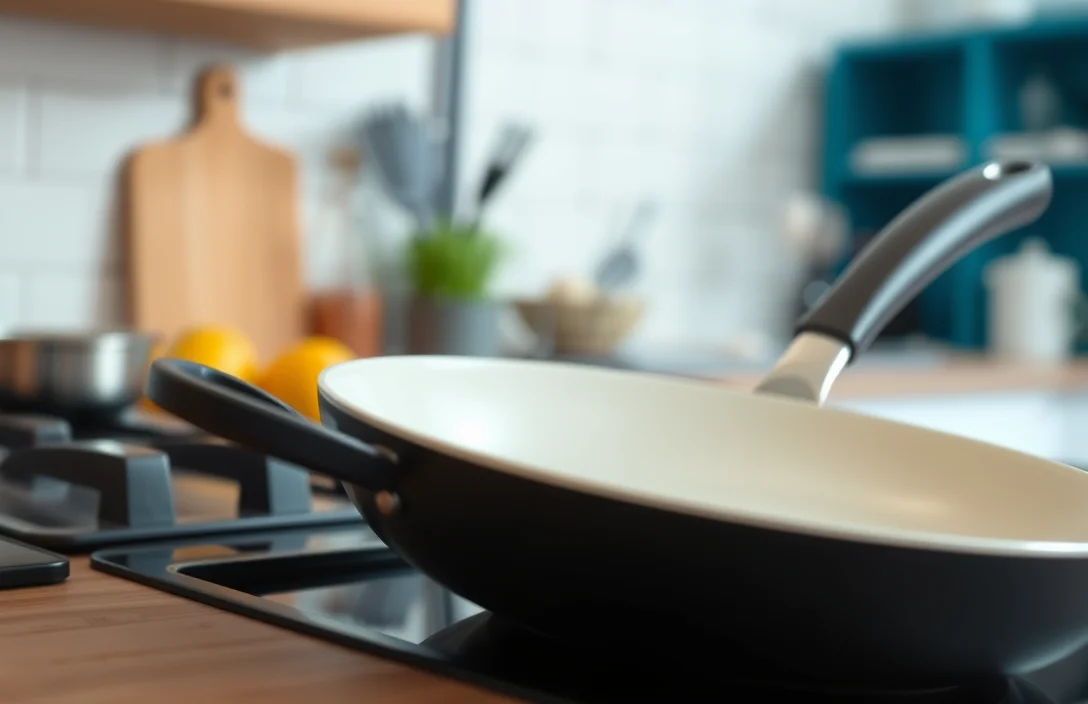
Seventy percent of consumers prioritize non-stick cookware for its ease of use and cleanliness, yet the debate between ceramic and Teflon remains fierce. Understanding the differences and benefits of each type can significantly impact your cooking experience and health choices.
Key differences include material composition, heat resistance, and durability. Ceramic offers a natural, chemical-free surface, while Teflon provides superior non-stick properties but may contain concerns regarding overheating. Each option has its pros and cons, making informed decisions essential.
Durability Comparison of Ceramic Cookware
Ceramic cookware typically lasts between five to ten years with proper care. Its longevity largely depends on the quality of the ceramic coating and usage patterns. Regular exposure to high heat and rough utensils can significantly shorten its lifespan. Choosing the right tools and cooking methods helps maintain its integrity over time.
Manufacturers often emphasize that ceramic surfaces are more resistant to scratching than traditional non-stick options. While metal utensils can still cause damage, silicone or wooden tools are recommended to extend the life of ceramic cookware. By being mindful of utensil choices, users can minimize wear and tear.
Cleaning methods also impact durability. Avoiding abrasive cleaners and opting for gentle, non-scratch sponges preserves the coating. Regular maintenance, including hand washing instead of dishwashing, further enhances the lifespan. Proper care routines ensure that ceramic cookware remains effective and visually appealing.
Heat distribution is another factor contributing to resilience. Ceramic cookware usually provides even cooking temperatures, reducing the risk of warping or damage. This quality allows the cookware to endure daily use without compromising performance, making it a reliable option for home cooks.
Durability Insights for Teflon Cookware
Teflon cookware offers notable durability, lasting several years with proper care. High-quality non-stick coatings resist scratches and abrasions better than lower-end options. Most products come with warranties that reflect their expected lifespan, often ranging from five to ten years. Regular maintenance, including gentle cleaning techniques, enhances this longevity significantly.
Caring for Teflon requires specific practices. Avoid metal utensils that can scratch the surface and reduce its effectiveness. Soft sponges or cloths work best for cleaning, minimizing any potential damage. Washing by hand is recommended over the dishwasher, as high heat and harsh detergents can degrade the coating over time.
Health Implications of Teflon Use
Teflon products contain polytetrafluoroethylene (PTFE), which can pose health risks when overheated. At temperatures above 500°F (260°C), Teflon can release toxic fumes known to cause flu-like symptoms in humans and can be fatal to birds. Cooking at lower temperatures significantly reduces these risks.
Chemicals such as perfluorooctanoic acid (PFOA) were historically used in Teflon manufacturing. Although many brands have phased out PFOA, its past use raises concerns about potential long-term health effects, including cancer and liver damage. Always check product labels for PFOA-free claims.
Regular maintenance of Teflon cookware is crucial to avoid degradation. Scratches and chips can lead to the release of PTFE particles into food. Avoid using metal utensils and opt for silicone or wooden tools to prolong the lifespan of your cookware.
Allergies or sensitivities can also arise from exposure to Teflon fumes. Individuals with respiratory issues should exercise caution when using Teflon-coated products. Ventilation during cooking helps minimize inhalation of any potentially harmful fumes.
Considering these factors, weigh the benefits and drawbacks of Teflon versus alternatives like ceramic. Evaluating health implications is essential for making informed decisions about which type of non-stick cookware best suits your cooking habits and health preferences.
Heat Resistance Features of Ceramic
Ceramic cookware withstands high temperatures effectively. Most models can handle temperatures up to 500°F (260°C) without significant degradation. This heat resistance makes ceramic a suitable option for various cooking methods, including frying, baking, and sautéing, without the risk of releasing harmful substances.
Cleaning and Maintenance Guidelines for Both
Maintaining cookware involves specific actions to prolong its lifespan. Ceramic and Teflon require different cleaning techniques based on their materials. Regularly following these guidelines ensures your non-stick surfaces remain effective and safe for cooking.
- Use soft sponges for cleaning. Abrasive scrubbers can damage both ceramic and Teflon surfaces. Opting for non-abrasive options helps maintain the non-stick properties.
- Avoid high heat during cooking. Excessive temperatures can degrade the non-stick coating over time. Always cook on medium to low heat to preserve the integrity of your cookware.
- Hand wash instead of using dishwashers. Dishwashers can expose cookware to harsh detergents and high temperatures. Gently hand washing with warm, soapy water is more effective for both materials.
- Store carefully to prevent scratches. Placing items on top of each other without protection can damage the surface. Use protective liners or separate the pieces to maintain their quality.
- Inspect regularly for damage. Look for scratches or peeling of the coating. If noticed, consider replacing the cookware to ensure safety and cooking efficiency.
Following these practical tips will help you keep your ceramic and Teflon cookware in excellent condition, ensuring they last longer and perform better.
Cooking Performance of Ceramic vs. Teflon
Ceramic cookware excels in heat distribution, allowing food to cook evenly. This feature contributes to better browning and caramelization, ideal for recipes requiring precision. Users often find that ceramic surfaces maintain consistent temperatures, enhancing overall cooking efficiency. Such performance makes it suitable for a variety of cooking methods, from searing to simmering.
Teflon-coated pans offer superior food release capabilities. Foods slide off effortlessly, reducing the need for excessive oils or butter. This characteristic makes Teflon ideal for delicate items like eggs or pancakes. Additionally, quick cleanup is a significant advantage, as residues do not cling to the surface.
Cooking techniques can influence performance. High heat can damage Teflon and reduce its lifespan. In contrast, ceramic withstands higher temperatures without degrading. Therefore, knowing how to use each type optimally can enhance cooking results. Always refer to manufacturer guidelines for temperature limits and usage recommendations.
| Feature | Ceramic | Teflon |
|---|---|---|
| Heat Distribution | Excellent, cooks evenly | Good, but can be uneven |
| Food Release | Good, less slippery | Superior, very slippery |
| Temperature Tolerance | High, durable | Low, can warp |
In summary, ceramic shines in durability and even cooking, while Teflon excels in ease of use and food release. Choosing the right option depends on cooking style and preferences, ensuring the best non-stick experience.
Quick Summary
- Ceramic non-stick cookware is made from natural materials and is considered more eco-friendly.
- Teflon non-stick cookware uses a synthetic coating that can release harmful chemicals when overheated.
- Ceramic coatings can withstand higher temperatures but may wear out faster than Teflon.
- Teflon offers superior non-stick properties but may require more careful handling to prevent scratches.
- Ceramic cookware is generally dishwasher safe, while Teflon requires hand washing to maintain its coating.
- Ceramic may have a shorter lifespan due to chipping, whereas Teflon can last longer if cared for properly.
- Both options are available in various styles and price ranges, catering to different cooking needs and preferences.
Frequently Asked Questions
1. What is the main difference between ceramic and Teflon non-stick coatings?
Ceramic coatings are made from natural materials and are often considered more environmentally friendly, while Teflon is a synthetic polymer known for its exceptional non-stick properties. Ceramic may require more care to maintain its non-stick quality over time compared to Teflon.
2. Are ceramic non-stick pans safer than Teflon pans?
Many consumers believe ceramic pans are safer because they do not contain PTFE or PFOA, chemicals historically associated with Teflon. However, when used properly, modern Teflon pans are also considered safe and have been improved to eliminate harmful chemicals.
3. Which type of non-stick coating lasts longer?
Teflon pans typically have a longer lifespan if cared for properly, as they are more resistant to scratching and wear. Ceramic pans, while effective, can lose their non-stick properties more quickly if subjected to high heat or metal utensils.
4. Can you use metal utensils on ceramic and Teflon non-stick pans?
It is generally recommended to avoid metal utensils on both ceramic and Teflon pans, as they can scratch the coating and reduce its effectiveness. Instead, opt for silicone, wood, or plastic utensils to prolong the life of your cookware.
5. How do I clean ceramic and Teflon non-stick pans?
Both types of pans can be cleaned with warm soapy water and a sponge. For tough stains, a baking soda paste can be used, but avoid abrasive cleaners or scouring pads that could damage the coating.
