
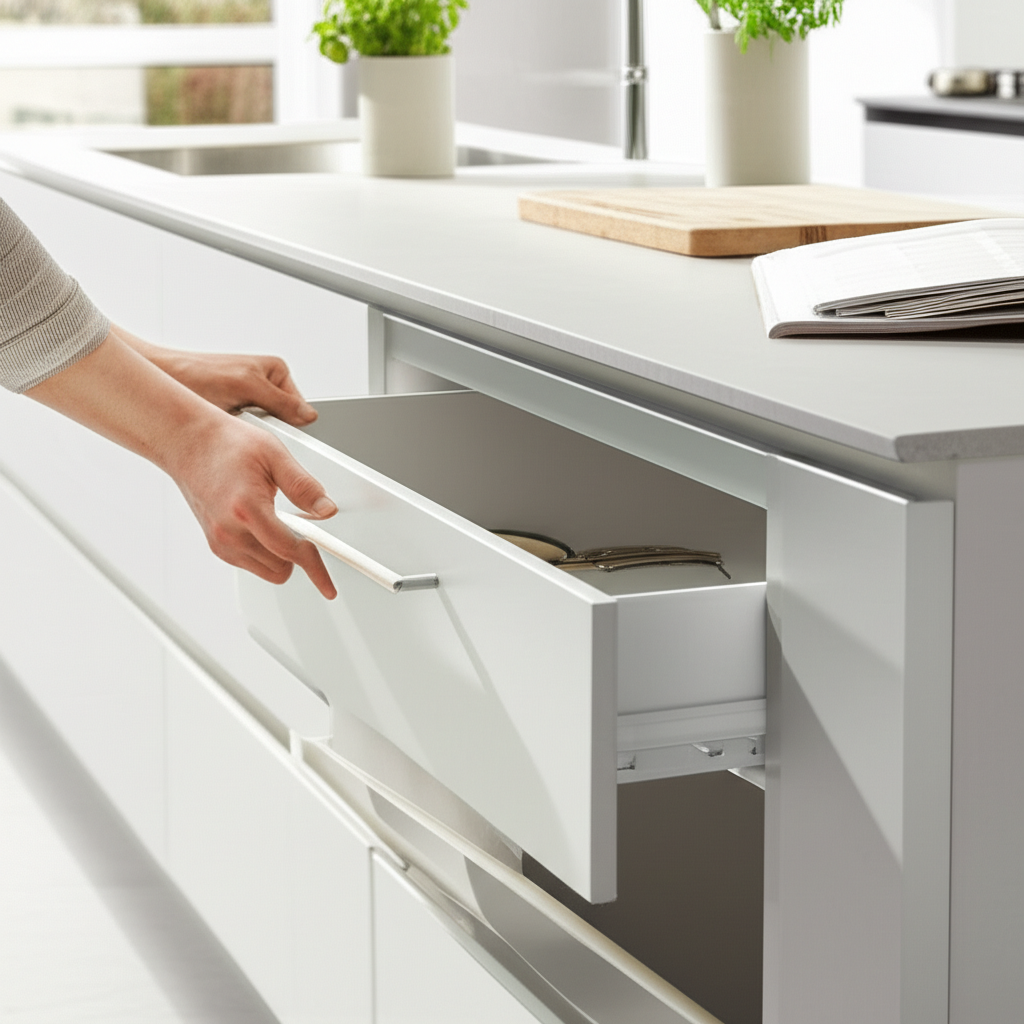
A kitchen contains essential appliances like refrigerators and ovens, cabinetry for storage, countertops for workspace, and sinks for cleaning. Beyond these basics, hidden gems include specialized tools, clever organizers, and thoughtful design elements that boost functionality and enjoyment.
Ever wondered what truly makes a kitchen tick? It’s more than just the big appliances! Your kitchen is a hub of activity, and understanding its components can make cooking, cleaning, and simply being in the space so much more enjoyable. Don’t worry if you’re new to kitchen design or just curious about those little details that make a big difference. We’ll break down the must-haves and uncover some surprising secrets that can transform your kitchen experience. Let’s discover the amazing hidden gems that make your kitchen truly shine!
The Core Components: What Every Kitchen Needs
When we think about “what is in a kitchen,” our minds often go straight to the big players. These are the workhorses that define the room’s purpose and functionality. Understanding these core elements is the first step to appreciating the entire kitchen ecosystem.
Appliances: The Heartbeat of Your Kitchen
Appliances are the engines that power your culinary adventures. From preserving your food to cooking your meals, they are indispensable.
- Refrigerator/Freezer: Essential for food storage, keeping items fresh and frozen.
- Oven/Range: The primary cooking appliance, used for baking, roasting, and stovetop cooking. This often includes a cooktop (burners) and an oven below.
- Microwave: Great for quick reheating, defrosting, and cooking certain items.
- Dishwasher: A true time-saver for cleaning up after meals.
- Ventilation Hood/Fan: Crucial for removing smoke, steam, and odors from cooking, keeping your air fresh.
Cabinetry: Storage Solutions and Style
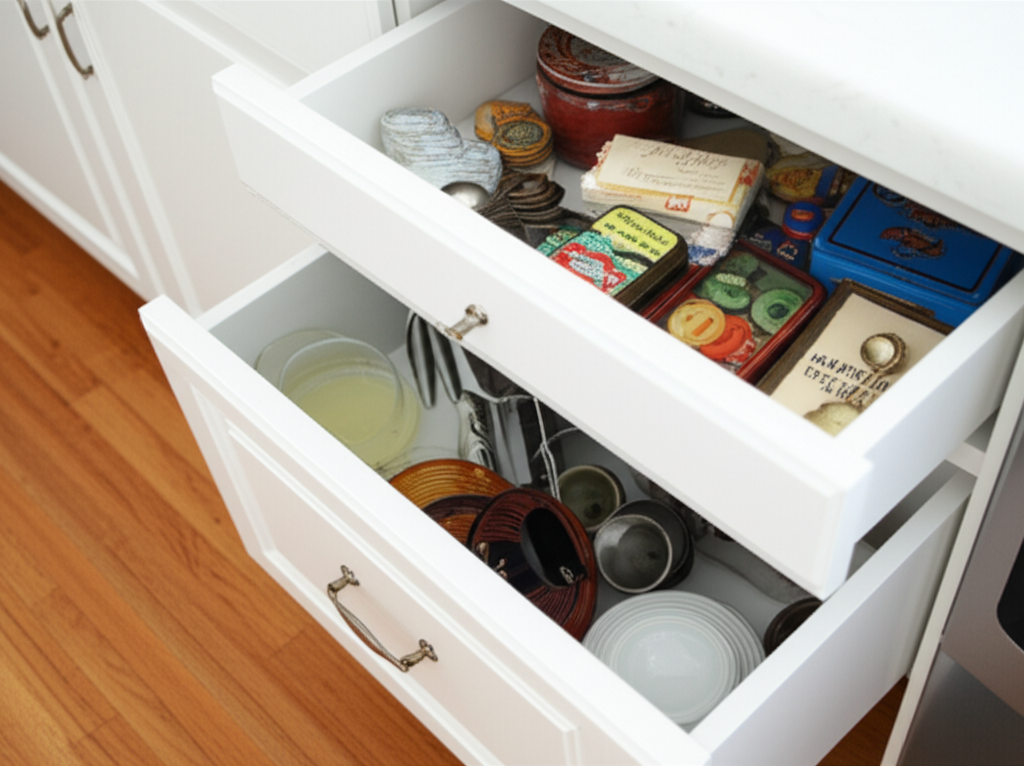
Cabinets are the backbone of kitchen organization. They provide crucial storage space and significantly impact the kitchen’s aesthetic.
- Base Cabinets: These sit on the floor and typically house drawers and shelves. Standard base cabinet depth is usually around 24 inches, providing ample space for pots, pans, and small appliances.
- Wall/Upper Cabinets: Mounted on the wall above countertops, these are ideal for dishes, glasses, and pantry items. Their depth is typically shallower, often around 12-13 inches, to avoid hitting them when working at the counter.
- Tall Cabinets: These can be pantries or house built-in ovens or microwaves. Their full height makes excellent use of vertical space.
A standard countertop height is typically 36 inches from the floor, making base cabinets around 34.5 inches tall to accommodate the countertop. This height is designed for comfortable working for most adults. For more detailed specifications on cabinet sizes and installation, resources like the National Kitchen & Bath Association (NKBA) offer valuable guidelines.
Countertops: Your Prep and Display Space
Countertops are where the magic happens – chopping, mixing, and plating. They need to be durable, easy to clean, and provide sufficient workspace.
- Material Variety: From granite and quartz to laminate and butcher block, the material affects durability, look, and cost.
- Work Zones: Think about how you use your counter space. Do you need a large area for baking, or is it more about quick meal prep?
Sink and Faucet: The Cleaning Hub
The sink is your central point for washing dishes, hands, and food. The faucet is its essential partner.
- Sink Types: Undermount, drop-in, apron-front (farmhouse) sinks are common choices, each with its own installation style and aesthetic.
- Faucet Styles: Pull-down, pull-out, touchless, and standard faucets offer different functionalities and looks.
Amazing Hidden Gems Revealed: Beyond the Basics
Now that we’ve covered the essentials, let’s dive into those often-overlooked elements that can truly elevate your kitchen experience. These are the “hidden gems” that make a functional space feel truly special.
1. Specialized Small Appliances & Tools
While the big appliances get all the attention, smaller, specialized gadgets can make a huge difference in your cooking efficiency and enjoyment.
Must-Have Kitchen Gadgets for Every Home Cook
- Immersion Blender: Perfect for pureeing soups directly in the pot, making smoothies, or whipping up sauces without dirtying multiple bowls.
- Digital Kitchen Scale: For precise measuring in baking, ensuring consistent results every time.
- Good Quality Knives: A sharp chef’s knife, paring knife, and serrated knife can transform your prep work.
- Silicone Spatulas: Heat-resistant and flexible, they are perfect for scraping bowls clean and gentle stirring.
- Microplane Grater/Zester: Ideal for finely grating cheese, citrus zest, garlic, and ginger.
- Instant-Read Thermometer: Essential for perfectly cooked meats and baked goods.
2. Clever Storage and Organization Solutions
A well-organized kitchen saves time, reduces stress, and makes cooking a joy. These hidden gems are all about maximizing your space.
Maximizing Cabinet and Drawer Space
- Drawer Organizers: Adjustable dividers for cutlery, utensils, and even spices can keep drawers tidy.
- Pull-Out Shelves/Drawers: Especially useful in deep base cabinets, these allow easy access to items at the back.
- Vertical Dividers: Perfect for storing baking sheets, cutting boards, and platters upright, making them easy to grab.
- Spice Racks: Whether mounted inside a cabinet door or on a shelf, a dedicated spice rack keeps your seasonings accessible.
- Lazy Susans (Turntables): Great for corner cabinets or pantries to easily access jars and bottles.
- Pot Lid Organizers: Keep your pot lids neatly stored and prevent them from clattering around.
A study by the American Society of Interior Designers highlights that effective kitchen organization is key to user satisfaction and functionality. Think about how you can implement these solutions to create dedicated zones for different tasks.
3. Thoughtful Lighting: Setting the Mood and Enhancing Functionality
Lighting is often an afterthought, but it’s one of the most impactful “hidden gems” in a kitchen. Proper lighting enhances safety, improves visibility for tasks, and sets the ambiance.
Layering Your Kitchen Lighting
- Ambient Lighting: This is the general, overall illumination of the room. Ceiling lights (recessed cans, flush mounts) provide this.
- Task Lighting: Focused light for specific work areas, such as under-cabinet lighting over countertops. This is crucial for safe food preparation.
- Accent Lighting: Used to highlight specific features, like a decorative backsplash or glassware in a display cabinet. Think small spotlights or puck lights.
- Dimmers: Installing dimmers on your lights allows you to control the brightness and mood, transitioning from bright task lighting to a softer glow for dining.
4. Ergonomics and Accessibility Features
Designing a kitchen with ergonomics in mind means making it comfortable and efficient to use for everyone.
Ergonomic Kitchen Design Elements
- Appropriate Counter Heights: While 36 inches is standard, some might benefit from slightly lower or higher counters for specific tasks or individuals.
- Knee Space: Providing knee space at a desk area or a section of the counter can significantly improve comfort for prolonged tasks.
- Easy-to-Reach Storage: Locating frequently used items at waist or shoulder height reduces bending and reaching.
- Easy-Grip Hardware: Cabinet pulls and drawer knobs that are comfortable to grasp are a small but significant ergonomic improvement.
The U.S. Department of Agriculture’s MyPlate program emphasizes creating a kitchen that supports healthy eating habits, and an ergonomic design is a key part of making healthy cooking accessible and enjoyable.
5. Quality Fixtures and Hardware
The small details matter! High-quality faucets, cabinet pulls, and even hinges can make a daily difference.
The Impact of Quality Fixtures
- Durable Faucets: A well-made faucet operates smoothly and lasts longer, often featuring better water flow and spray patterns.
- Smooth-Operating Hinges: Soft-close hinges on cabinets prevent slamming doors, adding a touch of luxury and quiet.
- Comfortable Cabinet Hardware: Drawer pulls and knobs that feel good in your hand and complement the cabinet style enhance the user experience.
6. Built-in Features and Custom Touches
These are the unique elements that truly make a kitchen your own.
Customizing Your Kitchen Space
- Built-in Cutting Boards: A cutting board integrated into the countertop can be incredibly convenient.
- Integrated Trash and Recycling Pull-Outs: Concealing bins within a cabinet makes waste disposal seamless and tidy.
- Pot Fillers: A faucet installed near the stovetop to fill pots directly eliminates carrying heavy water-filled pots from the sink.
- Appliance Garages: Small enclosed cabinets designed to hide countertop appliances like toasters or coffee makers when not in use.
7. The Importance of Ventilation
Good ventilation is crucial for a comfortable and healthy kitchen environment.
Beyond the Range Hood
- Proper CFM Rating: Ensure your range hood has a sufficient Cubic Feet per Minute (CFM) rating for your stove size and cooking habits.
- Ducting: Properly ducted hoods that vent outside are far more effective than recirculating ones.
- Make-Up Air: In well-sealed homes, powerful ventilation can create negative pressure. Make-up air systems ensure fresh air is brought back in.
The Environmental Protection Agency (EPA) recommends good indoor ventilation to improve air quality, which is especially important in a kitchen where cooking can produce pollutants.
8. Water Filtration and Disposal
These might seem basic, but quality systems make a difference.
Enhancing Your Kitchen’s Water Systems
- Under-Sink Water Filters: Provide clean, great-tasting drinking water directly from your tap.
- Garbage Disposals: Efficiently break down food waste, reducing landfill contributions and making cleanup easier.
9. Smart Kitchen Technology
The future is here! Smart technology can add convenience and efficiency.
Embracing Smart Kitchen Features
- Smart Refrigerators: Some offer internal cameras to see what you have, recipe suggestions, and inventory management.
- Smart Ovens: Allow remote preheating and monitoring via smartphone apps.
- Smart Lighting: Voice-controlled or app-controlled lighting for convenience and energy savings.
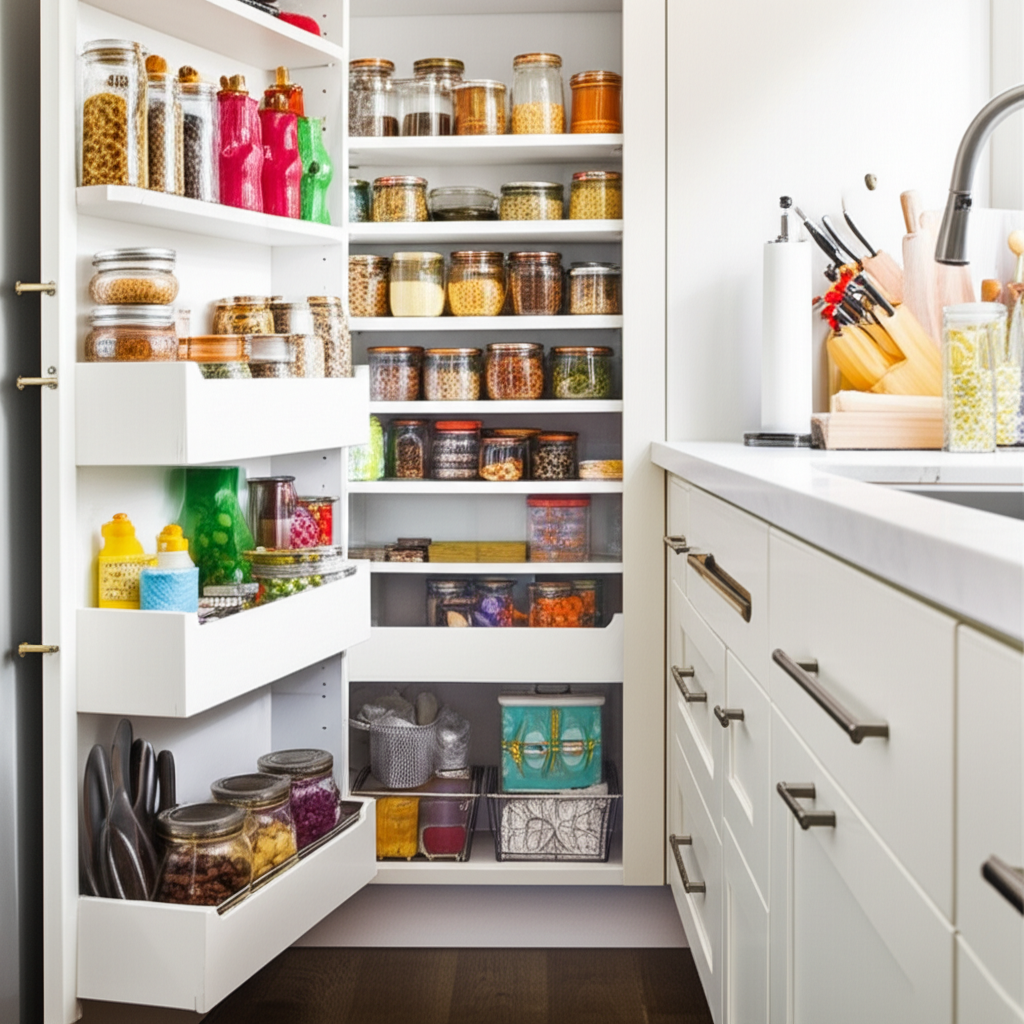
10. A Well-Stocked Pantry and Spice Drawer
While not a physical “gem,” a well-organized pantry and spice collection are treasures for any home cook.
Creating Your Culinary Arsenal
- Essential Spices: Salt, pepper, garlic powder, onion powder, paprika, cumin, oregano, basil.
- Baking Staples: Flour, sugar, baking soda, baking powder, vanilla extract.
- Oils and Vinegars: Olive oil, vegetable oil, balsamic vinegar, red wine vinegar.
- Grains and Pasta: Rice, pasta, oats.
- Canned Goods: Tomatoes, beans, broth.
A well-organized pantry, much like those featured by organization experts like The Container Store, makes meal planning and preparation significantly easier.
Understanding Kitchen Layouts and Zones
The placement of your kitchen components is as important as what they are. Think of your kitchen as having different “zones” to make workflow smoother.
The Work Triangle
Traditionally, kitchens are designed around a “work triangle” connecting the refrigerator, sink, and stove. An efficient triangle minimizes steps between these key areas.
Modern Kitchen Zones
Today, we often think in terms of zones:
- Prep Zone: Usually between the sink and the stove/oven, with ample counter space.
- Cooking Zone: The stove/oven area, with nearby storage for pots, pans, and utensils.
- Cleaning Zone: Centered around the sink and dishwasher, with storage for cleaning supplies.
- Storage Zone: Refrigerator and pantry areas for food storage.
- Serving/Eating Zone: If you have an island or dining area within the kitchen.
A good kitchen design, often guided by principles from architectural or interior design resources, ensures these zones are logically placed and easy to navigate.
Frequently Asked Questions About Kitchen Components
Q1: What are the standard dimensions for kitchen cabinets?
A1: Standard base cabinets are typically 34.5 inches high and 24 inches deep. Wall cabinets are usually 30-36 inches high and 12-13 inches deep. However, custom sizes are always an option.
Q2: How much counter space do I really need?
A2: While there’s no single answer, having at least 36 inches of continuous counter space for prep work is recommended. More is always better if your space allows!
Q3: Is under-cabinet lighting really that important?
A3: Absolutely! It provides crucial task lighting directly where you chop, mix, and prepare food, significantly improving safety and reducing eye strain.
Q4: What’s the difference between an undermount and a drop-in sink?
A4: An undermount sink is installed below the countertop, creating a seamless look and making it easy to wipe debris directly into the sink. A drop-in sink has a rim that rests on top of the countertop.
Q5: Why are some appliances more expensive than others? What makes them “better”?
A5: Price differences often come down to materials, energy efficiency, features (like smart technology), brand reputation, and warranty. Higher-end appliances may offer more precise temperature control, quieter operation, and enhanced durability.
Q6: How can I make my small kitchen feel bigger and more functional?
A6: Utilize vertical space with tall cabinets and shelves, employ smart storage solutions like drawer dividers and pull-out shelves, use lighter colors, and ensure ample, layered lighting. A well-organized kitchen always feels larger.
Q7: What is a “work triangle” and why is it still relevant?
A7: The work triangle connects the refrigerator, sink, and stove. It’s a design concept to minimize steps and improve efficiency. While modern kitchens often incorporate zones, understanding the triangle helps optimize workflow.
Conclusion: Your Kitchen, Your Haven
So, what is in a kitchen? It’s a carefully considered blend of essential appliances, functional cabinetry, durable countertops, and smart design choices. But beyond the obvious, it’s the thoughtful inclusion of specialized tools, clever organization hacks, layered lighting, and ergonomic considerations that transform a mere room into a truly efficient and enjoyable space.
By understanding these components, from the humble spice rack to the sophisticated ventilation system, you can appreciate the effort that goes into a well-designed kitchen. Whether you’re planning a renovation or just looking for ways to improve your current space, remember that even small changes can make a big impact. Your kitchen is the heart of your home – make it a place that works beautifully for you, filled with the hidden gems that make cooking, gathering, and living a joy. Happy cooking!
