
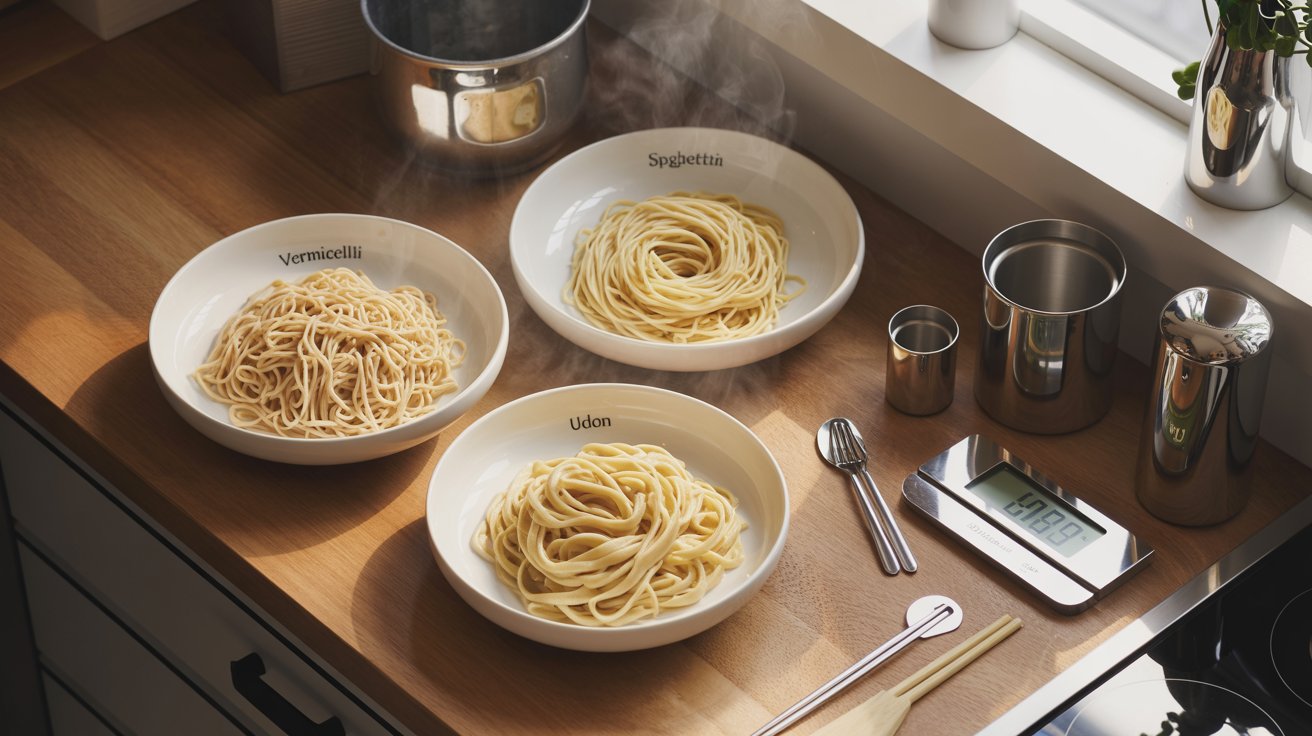
Are you confused about the different noodle sizes and which one to choose for your favorite recipes? Understanding noodle sizes can change the way your dishes turn out, making them tastier and more satisfying.
Whether you’re cooking for a quick meal or planning a special dinner, knowing the right noodle size helps you get the perfect texture and flavor every time. Keep reading, and you’ll discover a simple, clear noodle size chart that makes cooking easier and more enjoyable for you.
Types Of Noodles
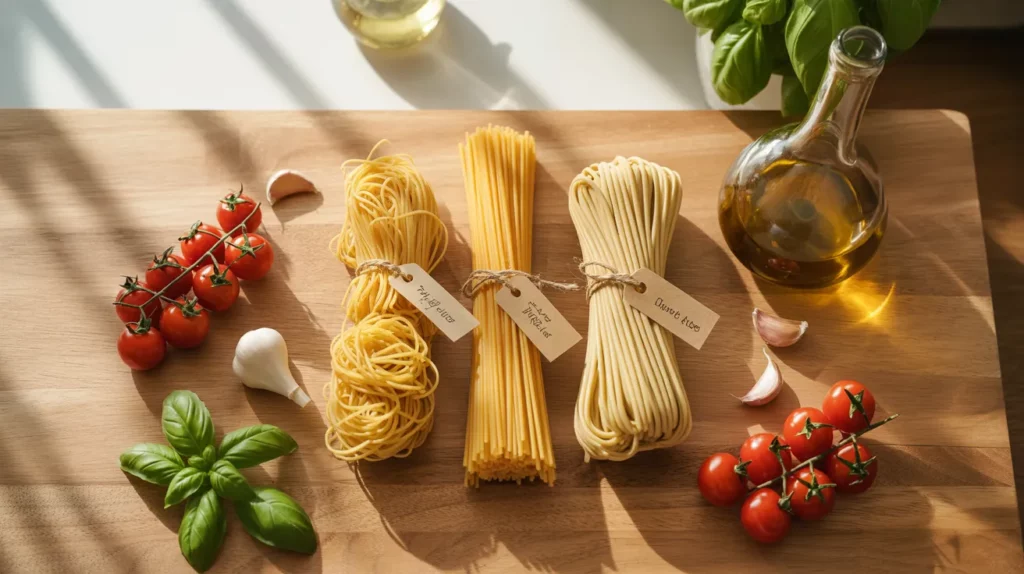
Noodles come in many shapes and sizes. Each type suits different dishes and cooking styles. Knowing the types helps you pick the right noodle for your meal. Here is a simple guide to the most common noodle sizes.
? Noodle Size Chart
| Noodle Size | Examples | Dry Amount | Cooked Amount | Best Use |
|---|---|---|---|---|
| Thin | Angel hair, vermicelli | 2 oz / 56 g | 1–1.5 cups | Soups, light sauces |
| Medium | Spaghetti, udon | 2–3 oz / 56–85 g | 1.5–2 cups | Stir-fries, mixed dishes |
| Thick | Pappardelle, thick rice noodles | 3 oz / 85 g | 2 cups | Rich, heavy sauces |
| Specialty Shapes | Bow ties, shells, spirals | 2.5 oz / 70 g | 1.5–2 cups | Salads, baked dishes |
Thin Noodles
Thin noodles cook quickly and are very light. They work well in soups and stir-fries. Examples include angel hair pasta and vermicelli. These noodles absorb sauces fast. They add a delicate texture to dishes.
Medium Noodles
Medium noodles are thicker than thin ones but not too heavy. They hold sauces well and have a chewy bite. Spaghetti and udon are common medium noodles. These noodles fit a wide range of recipes. They balance texture and flavor nicely.
Thick Noodles
Thick noodles are dense and filling. They take longer to cook and hold up in rich sauces. Examples are pappardelle and thick rice noodles. These noodles add substance to hearty meals. They pair well with strong flavors.
Specialty Shapes
Specialty noodles come in unique shapes and sizes. Examples include bow ties, shells, and spirals. These shapes trap sauce and add fun to dishes. They often appear in salads or baked recipes. Specialty noodles bring variety to meals.
Measuring Noodles
Measuring noodles correctly helps in preparing the right meal size. It avoids food waste and ensures proper cooking. Different noodle types and recipes need different portions. Understanding how to measure noodles improves your cooking experience.
Dry Noodle Portions
Dry noodles change size after cooking. Measure dry noodles by weight for accuracy. Use a kitchen scale for best results. A typical adult portion is about 75 to 100 grams dry. Smaller portions work well for children or light meals.
Cooked Noodle Portions
Cooked noodles weigh more due to water absorption. One cup of cooked noodles equals about 140 to 150 grams. Serving sizes depend on the dish and appetite. Measure cooked noodles by volume for quick estimates. Use a measuring cup for easy portion control.
Using Kitchen Tools
Kitchen tools make noodle measuring easier. A digital kitchen scale provides exact weights. Measuring cups help with cooked noodles. Use tongs or a pasta portioner for dry spaghetti. These tools reduce guesswork and save time.
Visual Portion Estimates
Visual cues help when tools aren’t available. A fist size of dry noodles equals one portion. For spaghetti, a bundle about the size of a quarter is one serving. Cooked noodles fill a standard bowl for one person. Practice these estimates for quick meal prep.
Portion Sizes For Different Meals
Understanding portion sizes helps serve the right amount of noodles for each meal. Different meals require different noodle quantities. Serving the correct portion avoids food waste and ensures everyone is satisfied.
Single Servings
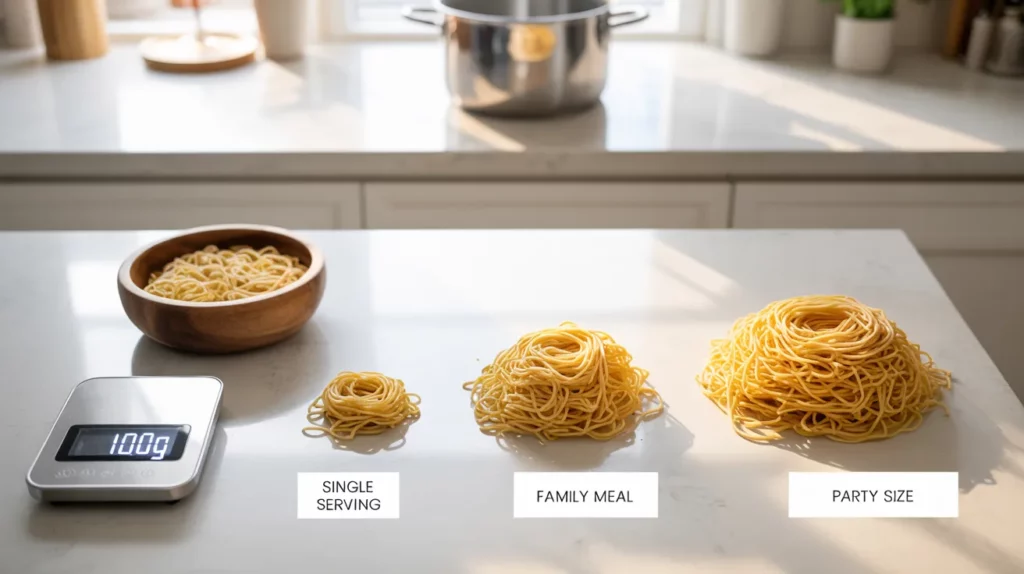
Single servings usually range from 75 to 100 grams of dry noodles. This size suits one person’s appetite for lunch or dinner. It cooks quickly and fills a standard bowl perfectly. Use this portion for a simple, balanced meal.
Family Meals
Family meals need larger portions to feed multiple people. For a family of four, 300 to 400 grams of dry noodles works well. This amount allows each person to enjoy a full plate. It also leaves room for side dishes or sauces.
Party And Large Groups
For parties or large groups, plan for 500 grams or more of dry noodles. This helps serve about 6 to 8 people comfortably. Preparing extra noodles keeps the guests happy and prevents running out of food. Bulk cooking saves time and effort during gatherings.
Adjusting Portions By Dish
Adjusting noodle portions varies by the dish you prepare. Different recipes need different noodle amounts for the best taste and texture. Serving the right portion helps balance flavors and keeps meals satisfying without waste.
Soups And Broths
Soups need fewer noodles to avoid sogginess. Use small noodle sizes or broken pieces for quick cooking. A cup of cooked noodles per serving works well in most broths. Keep noodles separate until ready to serve to maintain texture.
Stir-fries And Salads
Stir-fries require more noodles to mix well with vegetables and proteins. Use long noodles like spaghetti or rice noodles. A 1 to 1.5 cup cooked noodle portion suits one person. For salads, cold noodles need less sauce, so keep portions moderate.
Baked Pasta Dishes
Baked dishes absorb sauces and expand during cooking. Use about 1.5 cups cooked noodles per serving for casseroles. Choose sturdier noodles like penne or rigatoni. This size holds sauce well and keeps the dish creamy without being dry.
Tips For Cooking Perfect Portions
Cooking the right noodle portions makes a big difference. Proper portions save food and avoid waste. It helps keep meals balanced and tasty. Follow these tips to cook perfect noodle servings every time.
Avoiding Overcooking
Use a timer for the exact cooking time. Stir noodles gently to stop them from sticking. Check noodles a minute before the package time ends. They should be soft but still firm. Overcooked noodles become mushy and lose flavor.
Draining And Serving
Drain noodles quickly using a colander. Shake off excess water to avoid sogginess. Serve noodles immediately for best texture and taste. Add sauce or seasoning right after draining. Warm dishes keep noodles from sticking together.
Storing Leftovers
Cool leftover noodles before storing. Use airtight containers to keep freshness. Add a little oil to stop noodles from sticking. Reheat gently with a splash of water or sauce. Eat leftovers within two days for best quality.
Common Noodle Weight Conversions
Understanding noodle weight conversions helps in cooking the right portion. Recipes often list noodles by weight or volume. Knowing how to switch between grams, ounces, and cups saves time. It also avoids mistakes in your dish. This guide covers common noodle weight conversions for easy cooking.
Grams To Cups
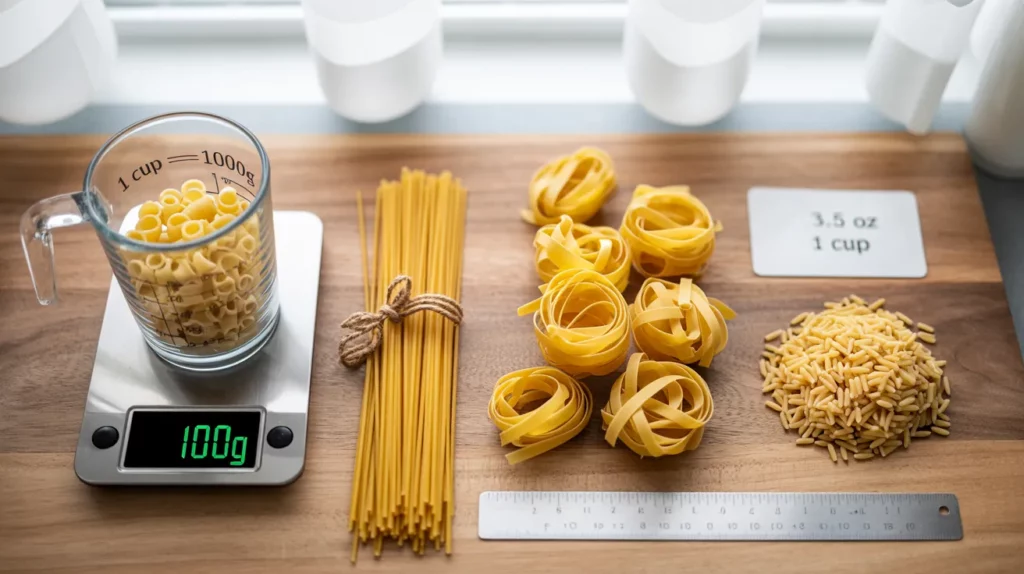
Grams measure weight, while cups measure volume. Noodles vary in shape and density. One cup of dry noodles usually weighs between 80 and 100 grams. For example, 100 grams of spaghetti equals about 1 cup. Keep in mind, small noodles like orzo weigh differently than large ones. Use a kitchen scale for accuracy.
Ounces To Cups
Ounces also measure weight like grams. One ounce equals about 28 grams. About 3.5 ounces of dry noodles fill 1 cup. For instance, 3.5 ounces of fettuccine equals 1 cup. This conversion helps when recipes use ounces but your cup measure is handy. Remember, noodle shape affects how much fits in a cup.
Noodles By Length And Diameter
Noodles differ in length and thickness. Thin noodles like angel hair cook faster than thick ones like udon. Longer noodles can weigh more than short ones. Diameter affects cooking time and portion size. Measure noodles by length and diameter for best results. This helps in choosing the right noodle for each recipe.
Frequently Asked Questions
What Are The Common Sizes Of Noodles?
Noodles come in various sizes, such as thin, medium, and thick. Each size suits different recipes. Thin noodles work well in soups, while thick noodles are ideal for stir-fries or hearty dishes. Size impacts cooking time and texture, influencing your meal experience.
How Does Noodle Size Affect Cooking Time?
Smaller, thinner noodles cook faster, usually within 2-4 minutes. Thicker noodles require longer cooking, around 6-8 minutes. Overcooking can make noodles mushy. Adjust cooking times based on noodle size for the best texture and taste.
Why Is Noodle Size Important In Recipes?
Noodle size affects texture, cooking time, and sauce absorption. Thin noodles blend well with light sauces. Thick noodles hold up better with rich, heavy sauces. Choosing the right size enhances flavor balance and overall dish quality.
Can Noodle Size Impact Portion Control?
Yes, noodle size influences portion volume and calorie intake. Larger noodles may fill a plate with fewer pieces, while smaller noodles appear more abundant. Understanding size helps manage serving sizes and nutritional content effectively.
Conclusion
Noodle sizes affect cooking time and recipe results. Choosing the right size makes meals tastier and easier. This chart helps you pick noodles that fit your dish. Remember, thin noodles cook fast, thick ones take longer. Keep this guide handy in your kitchen.
Enjoy cooking with confidence and better noodle choices. Simple steps lead to better meals every time.
