
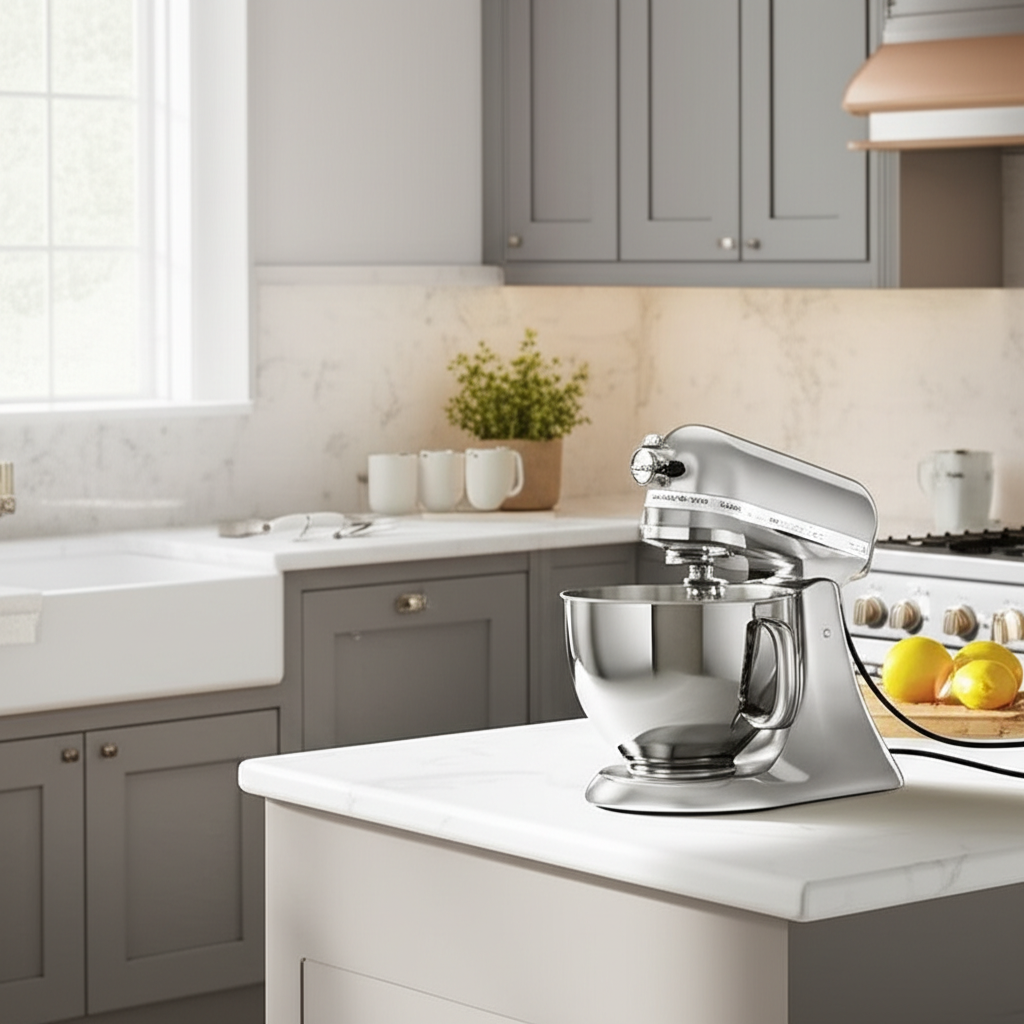
The shocking truth about must-have kitchen appliances is that true essentials depend on your cooking style and space, not just trends. Focus on quality, functionality, and how they fit your life to build a truly useful kitchen.
Feeling overwhelmed by the sheer number of kitchen gadgets out there? You’re not alone! Many of us dream of a perfectly appointed kitchen, but knowing which appliances are truly essential can feel like a guessing game. It’s easy to get caught up in the latest trends, only to find your countertops cluttered with items you rarely use. This guide is here to help you cut through the noise. We’ll reveal the real must-haves that will make your cooking life easier and more enjoyable, without the unnecessary extras. Let’s discover what your kitchen truly needs to shine!
The Kitchen Appliance Evolution: What’s Changed?
Think back to kitchens of the past. Refrigerators were simpler, ovens were basic, and the idea of a “smart” appliance was pure science fiction. Today, our kitchens are a hub of innovation. From multi-functional ovens that can steam and air-fry to refrigerators that can order groceries, the landscape has transformed dramatically. This evolution means we have more choices than ever, but it also raises the crucial question: what appliances are genuinely indispensable for the modern home cook?
The core functions of a kitchen remain the same: preparing, cooking, and storing food. However, the tools we use have become more sophisticated and, sometimes, more specialized. Understanding this shift helps us prioritize. Instead of chasing every new gadget, we can focus on appliances that genuinely enhance our daily routines and culinary aspirations. This isn’t about having the most, but about having the right things.
Beyond the Basics: Defining Your Kitchen Needs
Before we dive into specific appliances, it’s vital to understand that “must-have” is a personal definition. What’s essential for a baker might be overkill for someone who primarily microwaves meals. Consider these questions:
- What’s your cooking style? Do you love to bake, grill, meal prep, or entertain?
- How much time do you spend cooking? Are you a daily chef or a weekend warrior?
- What’s your kitchen space like? Do you have ample counter space and storage, or are you working with a compact area?
- What’s your budget? Essential appliances can range from budget-friendly to high-end investments.
- What are your lifestyle needs? Do you need appliances that cater to specific dietary needs or family preferences?
Answering these will guide you toward making the most informed choices. For instance, if you bake frequently, a reliable oven with precise temperature control is paramount. If you have a small apartment, a compact, multi-functional appliance might be more valuable than a large stand-alone unit.
The Absolute Core: Non-Negotiable Kitchen Appliances
These are the workhorses, the appliances that form the very foundation of any functional kitchen. Without these, even the simplest meal preparation becomes a challenge. They are the silent partners in every culinary endeavor.
1. Refrigerator/Freezer
This is arguably the most critical appliance. It keeps our food fresh, prevents spoilage, and allows us to store leftovers and frozen goods. Modern refrigerators offer various configurations, from top-freezer models to side-by-side and French door designs, each with its own space and accessibility benefits.
- Key Features to Consider: Size (capacity in cubic feet), energy efficiency (look for ENERGY STAR certified models), adjustable shelves, crisper drawers, and freezer organization.
- Why it’s a Must-Have: Food preservation is fundamental to health and reducing waste.
2. Oven (and Stove/Cooktop)
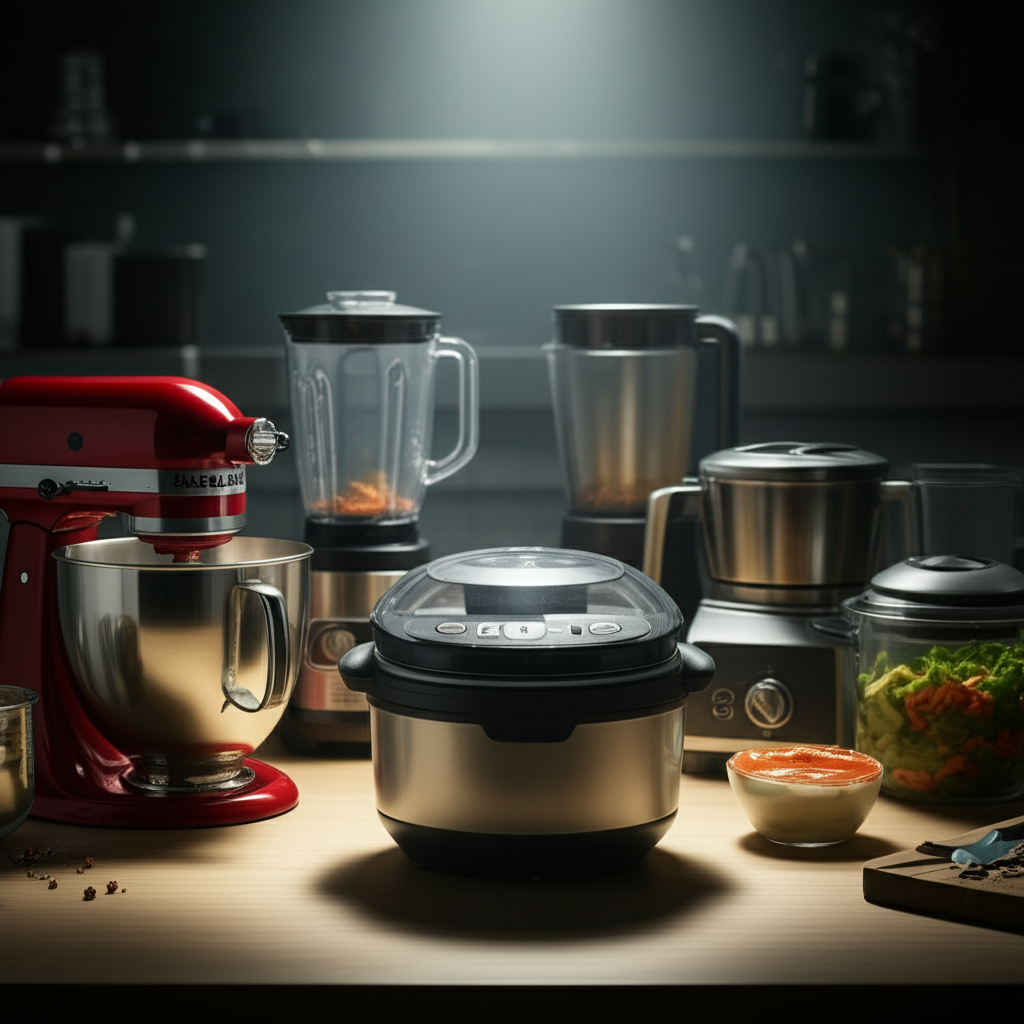
Whether it’s a combined range or separate cooktop and wall oven, this appliance is where the magic of cooking happens. From simmering sauces to baking bread, a reliable oven is indispensable for most cooking methods.
- Types: Gas, electric, dual-fuel (gas cooktop, electric oven).
- Key Features: Oven capacity, baking and broiling performance, temperature accuracy, self-cleaning options, and cooktop burner configurations (gas BTU output, electric coil vs. radiant vs. induction).
- Why it’s a Must-Have: Essential for baking, roasting, broiling, and most stovetop cooking.
3. Microwave Oven
While not strictly for gourmet cooking, the microwave is a staple for reheating, defrosting, and quick cooking tasks. Its speed and convenience make it a daily essential for many households.
- Key Features: Wattage (higher is faster), capacity, preset cooking options, turntable size, and vent options (for over-the-range models).
- Why it’s a Must-Have: Unmatched speed for reheating and defrosting.
4. Dishwasher
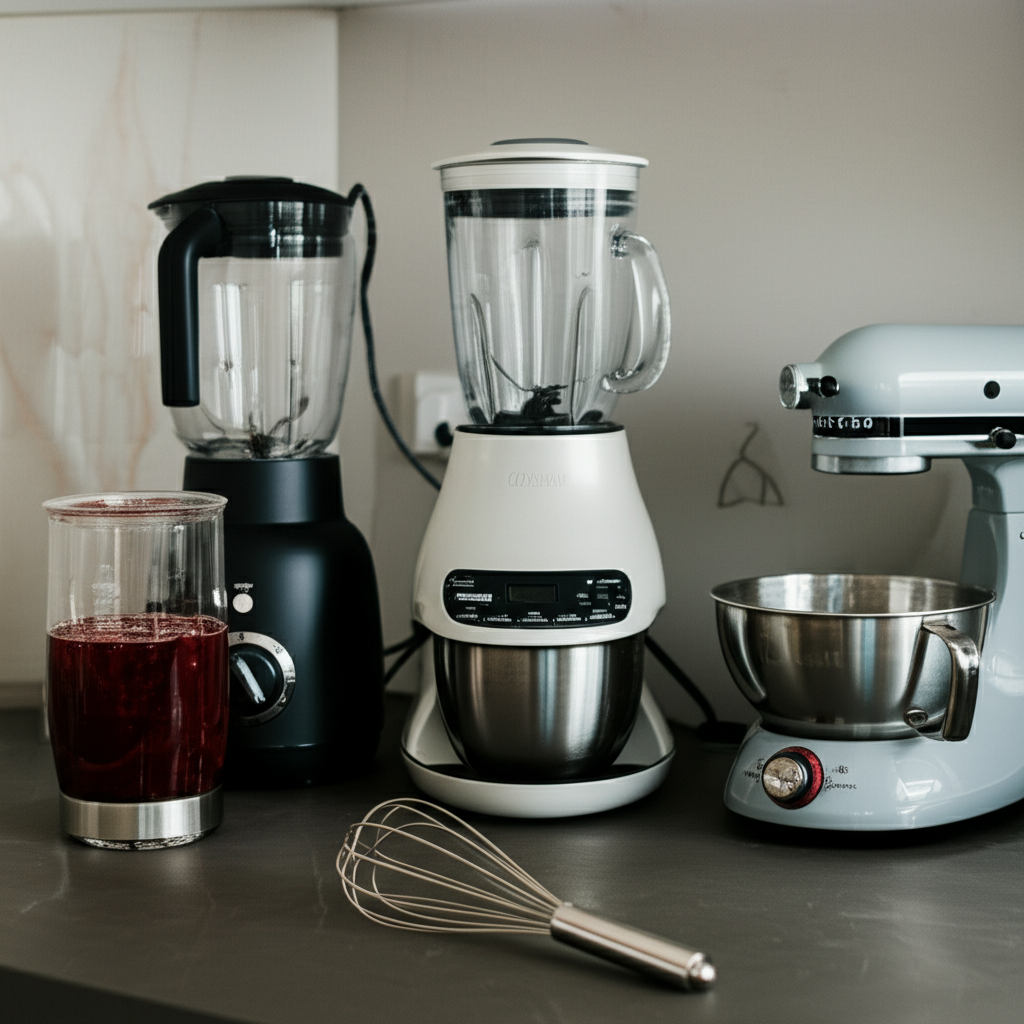
This appliance might seem like a luxury, but its ability to save time and water makes it a true essential for busy households. It ensures a consistent level of hygiene for your dishes and frees up your time for more enjoyable activities.
- Key Features: Capacity (place settings), wash cycles (heavy, light, quick), energy efficiency, noise level (decibels), and interior configurations (adjustable racks, third rack).
- Why it’s a Must-Have: Saves significant time, conserves water compared to handwashing, and provides superior sanitation. According to the U.S. Department of Energy, modern dishwashers use less water and energy than washing by hand.
The Game Changers: Appliances That Elevate Your Kitchen
Once you have the core essentials covered, these appliances can significantly enhance your cooking experience, making tasks easier, faster, or opening up new culinary possibilities. They bridge the gap between basic functionality and a truly joy-filled kitchen.
1. Coffee Maker/Espresso Machine
For many, the day doesn’t start without a hot cup of coffee or a rich espresso. The convenience of a dedicated coffee maker or the craft of an espresso machine can’t be overstated.
- Types: Drip coffee makers, single-serve pod machines, French presses, pour-over brewers, espresso machines.
- Key Features: Brew strength options, programmable timers, thermal carafes, built-in grinders, milk frothers (for espresso machines).
- Why it’s a Must-Have (for many): Essential for the daily ritual of enjoying a favorite beverage.
2. Toaster/Toaster Oven
A simple toaster is a breakfast hero, perfect for bread, bagels, and pastries. A toaster oven offers more versatility, capable of toasting, baking small items, and broiling, often acting as a mini-oven for quick snacks or meals.
- Key Features (Toaster): Number of slots, browning control, bagel setting, defrost function.
- Key Features (Toaster Oven): Toast, bake, broil functions, temperature range, interior capacity, convection cooking.
- Why it’s a Must-Have: Quick and efficient way to toast, heat, and even bake small items.
3. Stand Mixer
If baking is a passion, a stand mixer is a transformative appliance. It handles kneading dough, whipping cream, and mixing batters with ease, freeing your hands and ensuring consistent results.
- Key Features: Motor power (wattage), bowl capacity, speed settings, available attachments (whisk, dough hook, paddle), tilt-head vs. bowl-lift design.
- Why it’s a Must-Have (for bakers): Effortlessly handles demanding mixing and kneading tasks.
4. Blender
From smoothies and soups to sauces and purees, a good blender is incredibly versatile. Whether you opt for a personal blender for single servings or a high-powered model for tougher jobs, it’s a valuable kitchen tool.
- Key Features: Motor power, blade design, jar material (glass vs. plastic), speed settings, pre-programmed cycles, ease of cleaning.
- Why it’s a Must-Have: Essential for creating smooth beverages, soups, sauces, and purees.
5. Food Processor
While a blender excels at liquefying, a food processor is designed for chopping, slicing, shredding, and pureeing solid ingredients. It’s a time-saver for tasks like making pesto, coleslaw, or grinding nuts.
- Key Features: Motor power, bowl capacity, included discs and blades (slicing, shredding, chopping), pulse function, ease of assembly and cleaning.
- Why it’s a Must-Have: Dramatically speeds up prep work for many recipes.
Optional Luxuries: Appliances That Add Convenience or Specialization
These appliances aren’t strictly necessary for basic cooking, but they can significantly enhance convenience, cater to specific hobbies, or add a touch of modern luxury to your kitchen.
1. Air Fryer
The air fryer has surged in popularity for its ability to cook food with a crispy texture using significantly less oil than traditional deep-frying. It’s excellent for fries, chicken wings, and even vegetables.
- Key Features: Capacity, temperature range, timer, preset cooking functions, ease of cleaning.
- Pros: Healthier alternative to deep frying, fast cooking, crispy results.
- Cons: Can take up counter space, best for smaller batches.
2. Slow Cooker/Crock-Pot
Perfect for busy individuals, a slow cooker allows you to prepare meals with minimal effort. Set it in the morning, and come home to a perfectly cooked, tender dish.
- Key Features: Capacity, heat settings (low, high, warm), programmable timer, removable stoneware.
- Pros: Set-it-and-forget-it convenience, tenderizes tougher cuts of meat, energy efficient.
- Cons: Limited to slow cooking methods, can require planning ahead.
3. Electric Kettle
For tea drinkers or those who frequently use hot water for cooking (like instant noodles or pour-over coffee), an electric kettle offers speed and precision.
- Key Features: Fast boiling, automatic shut-off, boil-dry protection, temperature presets (for specialty teas).
- Pros: Boils water much faster than a stovetop kettle, energy efficient.
- Cons: Another appliance to store.
4. Immersion Blender (Hand Blender)
A compact and versatile tool, an immersion blender can be used directly in pots or bowls for pureeing soups, making smoothies, or emulsifying sauces, eliminating the need to transfer ingredients to a bulky blender.
- Key Features: Motor power, shaft length, blade guard design, included attachments (whisk, chopper).
- Pros: Easy to use, easy to clean, compact storage, great for small batches.
- Cons: Not as powerful as a countertop blender for ice or very tough ingredients.
5. Bread Maker
If you dream of homemade bread but lack the time or confidence for traditional baking, a bread maker automates the entire process from kneading to baking.
- Key Features: Loaf sizes, crust settings, pre-programmed cycles (white, whole wheat, dough, jam), delay timer.
- Pros: Effortless homemade bread, customizable ingredients.
- Cons: Can take up significant counter space, results can vary in texture compared to artisanal methods.
Appliance Performance and Longevity: What to Look For
Investing in quality appliances means looking beyond just features. Durability, energy efficiency, and ease of maintenance are crucial for long-term satisfaction. Consider these factors:
- Build Quality: Look for stainless steel components where appropriate, sturdy controls, and well-fitting parts.
- Energy Star Certification: Appliances with this certification are designed to use less energy, saving you money on utility bills and reducing environmental impact. You can find a list of certified appliances on the ENERGY STAR website.
- User Reviews: Real-world feedback from other consumers can highlight common issues or exceptional performance.
- Warranty and Service: A good warranty provides peace of mind, and understanding local service options is important for repairs.
- Ease of Cleaning: Removable parts, dishwasher-safe components, and smooth surfaces make upkeep much easier.
Organizing Your Appliances: Maximizing Kitchen Flow
Even the best appliances can become a nuisance if they’re not organized effectively. Think about workflow and accessibility.
The Kitchen Work Triangle: A Classic Concept
This concept suggests placing the sink, refrigerator, and stove in a triangular formation to minimize steps between these key areas. While modern kitchens may deviate, the principle of efficient movement remains valuable.
Appliance Placement Strategies:
- Countertop Appliances: Store frequently used items (like the coffee maker or toaster) in easily accessible spots. Less frequently used items (like a stand mixer) can be stored in cabinets or pantries, brought out only when needed.
- Small Appliance Garages: If you have the space, a dedicated cabinet with a lift-up door can hide countertop appliances, keeping your counters clear.
- Drawer Storage: Consider deep drawers for storing smaller appliances or their accessories.
- Vertical Storage: Use shelves or tiered racks to maximize cabinet space for appliances and their parts.
When is an Appliance “Must-Have” vs. “Nice-to-Have”?
The distinction often comes down to necessity versus convenience. A refrigerator is a necessity. An air fryer is a nice-to-have that offers a specific benefit (crispy food with less oil).
Table: Appliance Necessity Spectrum
| Category | Examples | Reasoning |
|---|---|---|
| Essential (Must-Have) | Refrigerator/Freezer, Oven/Cooktop, Microwave, Dishwasher | Core functions for food preservation, cooking, and cleaning. |
| Highly Recommended (Elevates) | Coffee Maker, Toaster/Toaster Oven, Blender, Stand Mixer (for bakers) | Significantly improve daily routines, enhance specific cooking tasks, or cater to common preferences. |
| Convenience/Specialty (Nice-to-Have) | Air Fryer, Slow Cooker, Immersion Blender, Bread Maker | Offer specific benefits like speed, unique cooking methods, or simplified processes, but are not critical for basic kitchen function. |
Your personal “must-have” list will likely fall somewhere between these categories, depending on your lifestyle. For example, if you entertain frequently and enjoy making complex meals, a stand mixer might move from “highly recommended” to “essential” for your needs.
The Shocking Truth: It’s Not About Trends, It’s About You
The most surprising revelation? There’s no universal list of “must-have” kitchen appliances that applies to everyone. The “shocking truth” is that the most essential appliances are the ones that truly serve your needs, your cooking habits, and your lifestyle. Chasing every new kitchen gadget can lead to a cluttered, inefficient space. Instead, focus on building a collection of appliances that genuinely make your time in the kitchen more enjoyable and productive.
Consider the long-term value. A well-chosen, durable appliance that you use daily is far more valuable than a trendy gadget that sits in a cupboard after a few weeks. Invest in quality where it matters most for your cooking style. For instance, if you bake artisan bread weekly, a high-quality stand mixer is a worthy investment. If you primarily reheat meals and make smoothies, a powerful blender might be more critical than a stand mixer.
Frequently Asked Questions (FAQs)
Q1: What are the absolute minimum appliances needed for a functional kitchen?
A1: The absolute minimum typically includes a refrigerator/freezer for food storage, and an oven/cooktop for cooking. A microwave for quick heating and a dishwasher for efficient cleaning are also considered essential by most modern households.
Q2: Is an air fryer really necessary?
A2: An air fryer is not strictly necessary but offers a popular and healthier way to achieve crispy textures. If you enjoy fried foods but want to reduce oil consumption, it’s a highly beneficial appliance to consider.
Q3: How do I choose the right size refrigerator for my family?
A3: A general guideline is 4-6 cubic feet of refrigerator space per adult in the household, plus extra for families with children. Consider your shopping habits—do you buy in bulk or shop frequently? Also, measure your kitchen space and doorways to ensure the refrigerator will fit.
Q4: What’s the difference between a stand mixer and a hand mixer?
A4: A stand mixer is a stationary appliance with a bowl and motor, ideal for heavy-duty tasks like kneading dough or whipping large quantities. A hand mixer is a portable, handheld device, better suited for lighter tasks like beating eggs or mixing pancake batter, and is generally more affordable and compact.
Q5: Should I prioritize energy efficiency when buying appliances?
A5: Yes, prioritizing energy efficiency, especially with the ENERGY STAR label, is highly recommended. It leads to lower utility bills over the appliance’s lifespan and is better for the environment. For appliances that run frequently, like refrigerators, this can result in significant savings.
Q6: I have a small kitchen. What appliances should I focus on?
A6: In a small kitchen, focus on multi-functional appliances and compact versions. A toaster oven can often replace a toaster and a small oven. An immersion blender is more space-saving than a countertop blender. Prioritize the core essentials (fridge, cooktop/oven) and then consider compact versions of other desired appliances.
Conclusion: Building Your Dream Kitchen, One Appliance at a Time
Creating your ideal kitchen is a journey, not a race. By understanding your personal needs and prioritizing functionality over fleeting trends, you can curate a collection of appliances that truly enhance your cooking experience. Remember the core essentials: a reliable refrigerator, a capable oven/cooktop, a quick microwave, and a time-saving dishwasher. From there, build outwards with appliances that genuinely bring joy and efficiency to your culinary adventures.
Don’t be swayed by the hype of every new gadget. Instead, invest in quality, consider your lifestyle, and choose appliances that will serve you well for years to come. Your kitchen is the heart of your home, and equipping it with the right tools will make every meal a little bit easier and a lot more enjoyable. Happy cooking!
