
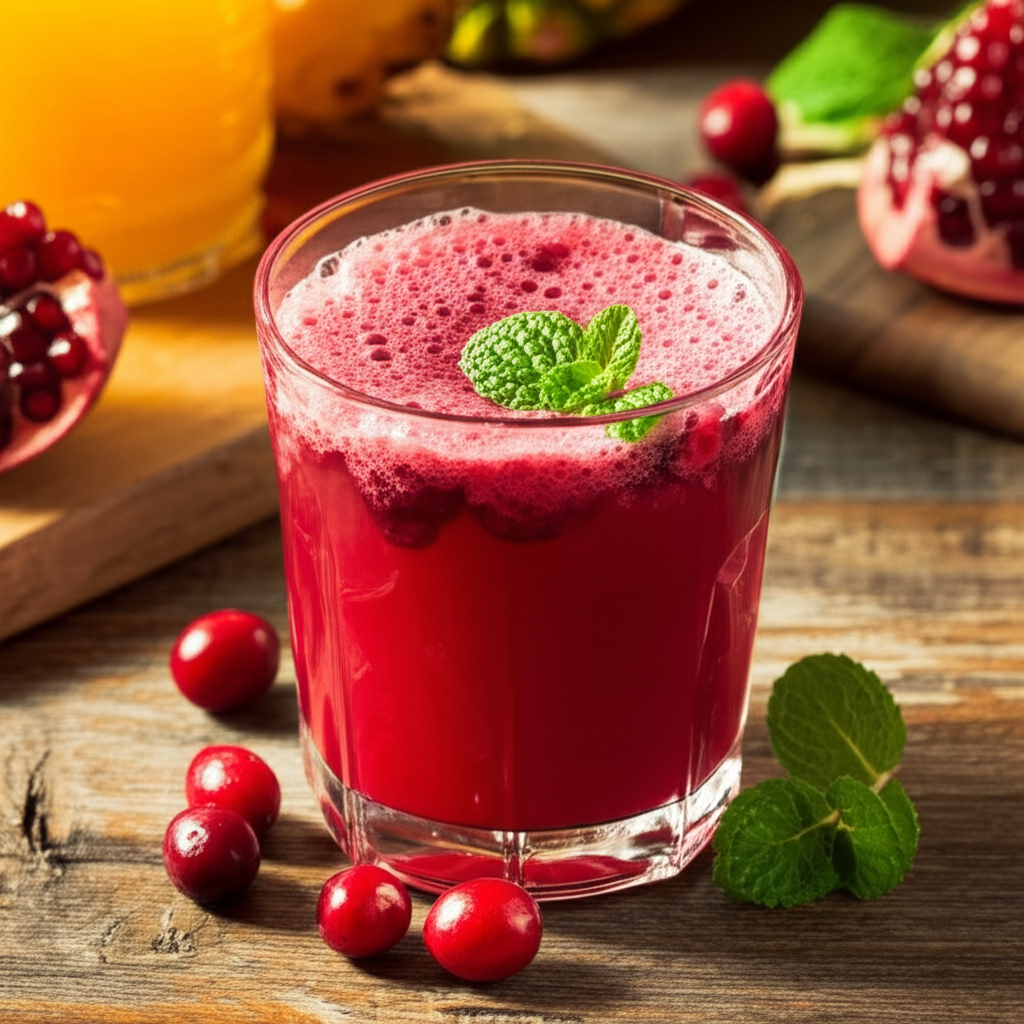
Yes, in small serving sizes, pomegranate juice can be considered low FODMAP. However, larger amounts can contain higher levels of certain FODMAPs, particularly fructose and sorbitol, which may trigger symptoms in sensitive individuals.
Pomegranate juice is a vibrant, ruby-red delight, packed with antioxidants and a wonderfully tart flavor. Many of us reach for it as a healthy treat, but if you’re navigating the world of the low FODMAP diet, you might be wondering about its place in your eating plan. It can be so confusing when certain fruits and juices seem to be okay one day and not the next! Don’t worry, we’re here to help you understand exactly where pomegranate juice stands. We’ll break down the FODMAP content and guide you on how to enjoy it without the worry. Get ready to discover the simple truth about pomegranate juice and your gut!
Understanding FODMAPs and Pomegranate Juice
Before we dive into the specifics of pomegranate juice, let’s quickly touch on what FODMAPs are. FODMAP stands for Fermentable Oligosaccharides, Disaccharides, Monosaccharides, and Polyols. These are short-chain carbohydrates that are poorly absorbed in the small intestine for some people. When they reach the large intestine, they can be fermented by gut bacteria, producing gas and leading to symptoms like bloating, pain, and changes in bowel habits, especially for those with Irritable Bowel Syndrome (IBS).
Pomegranate, like many fruits, contains natural sugars. The key FODMAPs of concern in pomegranate are:
Fructose: A monosaccharide, which is a type of sugar.
Sorbitol: A polyol, another type of sugar alcohol.
The amount of these FODMAPs can vary based on the ripeness of the fruit and how the juice is processed. For those following a low FODMAP diet, understanding serving sizes is crucial.
The Shocking Truth: Is Pomegranate Juice Low FODMAP?
The short answer is: yes, but in moderation.
The Monash University FODMAP Diet App, which is the leading authority on FODMAP content, provides serving size guidelines for many foods. According to their research, pomegranate juice is considered low FODMAP in specific amounts.
Here’s a look at the FODMAP breakdown for pomegranate juice based on Monash University’s guidelines:
| FODMAP Group | Serving Size (per 100g) | FODMAP Content (High/Low) |
|---|---|---|
| Fructose | 1.3g | Low |
| Sorbitol | 0.1g | Low |
| Lactose | 0g | Low |
| Fructans | 0g | Low |
| GOS | 0g | Low |
Note: GOS refers to Galacto-oligosaccharides.
What does this table tell us?
At a serving size of 100g (approximately 3.4 fl oz), pomegranate juice contains low amounts of fructose and sorbitol. This means that for most individuals on a low FODMAP diet, this portion size is generally well-tolerated.
However, it’s important to note that as you increase the serving size, the FODMAP content also increases. For example, a larger serving might push the fructose content into the moderate or high category, potentially triggering symptoms.
Serving Size Matters: Finding Your Sweet Spot
The critical factor in enjoying pomegranate juice on a low FODMAP diet is serving size. Sticking to recommended amounts is key to avoiding a FODMAP overload.
Recommended Low FODMAP Serving: Around 100g (about 3.4 fl oz or 1/3 cup).
Moderate FODMAP Serving: Starting from 150g (about 5 fl oz or 1/2 cup), fructose levels begin to rise.
High FODMAP Serving: Larger quantities can significantly increase fructose and sorbitol intake.
Why is this so important?
Your body’s ability to process these sugars is limited. When you exceed that limit, even with a “low FODMAP” food, you can still experience digestive distress. Think of it like a bucket – you can fill it up to a certain point without overflow, but add too much, and it’s going to spill!
Pomegranate Juice: Benefits Beyond the FODMAPs
While we’re focusing on FODMAPs, it’s worth remembering why pomegranate juice is so popular in the first place! It’s a nutritional powerhouse.
Key Benefits of Pomegranate Juice:
Rich in Antioxidants: Pomegranates are loaded with polyphenols, powerful antioxidants that help protect your cells from damage. These include punicalagins, known for their potent antioxidant activity.
Anti-inflammatory Properties: The antioxidants in pomegranate juice may help reduce inflammation in the body.
Heart Health Support: Some studies suggest that pomegranate juice may help improve cholesterol levels and blood pressure, contributing to better cardiovascular health. You can learn more about this on reputable sites like the American Heart Association, which often discusses how diet impacts heart health.
Hydration: Like any juice, it contributes to your daily fluid intake, which is essential for overall well-being.
Vitamin C Boost: Pomegranate juice is a good source of Vitamin C, important for immune function and skin health.
How to Enjoy Pomegranate Juice on a Low FODMAP Diet
Navigating a new diet can feel daunting, but with a little knowledge, you can still enjoy delicious and healthy options like pomegranate juice. Here’s how to incorporate it safely:
Step 1: Choose Wisely – What to Look For
100% Pomegranate Juice: Opt for pure pomegranate juice without added sugars or high FODMAP fruit juices (like apple or pear juice) blended in. Always check the ingredient list.
Sweetened vs. Unsweetened: Unsweetened versions are generally preferable, as added sugars can sometimes be high FODMAP ingredients (though pure sugar like sucrose is low FODMAP, added high fructose corn syrup or other fruit-based sweeteners might not be).
Step 2: Measure Your Serving
This is the most critical step! Use measuring cups or a kitchen scale to ensure you’re sticking to the recommended 100g (about 3.4 fl oz) serving.
Step 3: Enjoy It Plain or Diluted
Pure and Simple: Sip your measured serving of 100% pomegranate juice on its own.
Dilute with Water: To make it last longer and reduce the sugar concentration per sip, dilute it with an equal part of plain water or sparkling water. This creates a refreshing spritzer.
Step 4: Consider Juicing Your Own Pomegranates
If you have access to fresh pomegranates, juicing them yourself gives you complete control over the process.
How to Juice a Pomegranate at Home:
1. Gather Your Tools:
Fresh pomegranates
A sharp knife
A cutting board
A juicer (citrus juicer, masticating juicer, or even a sturdy fork can work in a pinch)
A bowl or container to catch the juice
A fine-mesh sieve
2. Prepare the Pomegranates:
Score the pomegranate skin horizontally around its equator with the knife.
Gently twist the two halves apart.
Remove the arils (the juicy seeds) from the membrane. This can be the most time-consuming part! A common trick is to do this submerged in a bowl of water, which helps the arils sink and the membranes float.
3. Juice the Arils:
Citrus Juicer: Place the arils in the juicer and press down as you would with a lemon. You might need to do this in batches.
Masticating Juicer: Feed the arils into the juicer.
Manual Method: Place arils in a sturdy bowl and mash them with a fork or potato masher. Then, press the mashed arils through a sieve into a bowl.
4. Strain the Juice:
Pour the collected juice through a fine-mesh sieve to remove any remaining pulp or seeds.
5. Measure and Enjoy:
Measure your freshly squeezed juice and enjoy your low FODMAP serving of approximately 100g!
Important Note on Homemade Juice: Freshly squeezed juice is best consumed immediately. If you have extra, store it in an airtight container in the refrigerator for no more than 24-48 hours, as the vitamin content and freshness can degrade quickly.
What About Pomegranate Seeds?
While we’re talking about pomegranate juice, it’s natural to wonder about the seeds (arils) themselves. Are they also low FODMAP?
According to Monash University’s app:
Pomegranate Seeds (Arils): Are considered low FODMAP in a serving of 2 tablespoons (about 30g).
Larger servings can increase FODMAP content.
So, you can enjoy a small handful of fresh pomegranate seeds as a low FODMAP snack or addition to salads and yogurts!
Potential Triggers and When to Be Cautious
Even with low FODMAP foods, individual tolerance can vary significantly. Here are a few things to keep in mind:
Your Personal Tolerance: The low FODMAP diet is a journey of discovery. What works for one person might not work for another. Always listen to your body.
FODMAP Stacking: Be mindful of consuming other high FODMAP foods around the same time. This can lead to a cumulative FODMAP intake that exceeds your tolerance, even if individual items are low FODMAP in isolation.
Sweeteners in Blends: If you’re buying pomegranate juice blends, check for added sweeteners like honey, high fructose corn syrup, or fruit concentrates from high FODMAP fruits, which can significantly alter the FODMAP content.
Concentrated vs. Reconstituted: Sometimes, juices are made from concentrate. While the process aims to remove water, the FODMAP profile should remain largely the same if it’s pure pomegranate. However, added ingredients during reconstitution can be an issue.
Frequently Asked Questions About Pomegranate Juice and FODMAPs
Q1: Can I drink unlimited pomegranate juice on a low FODMAP diet?
No, it’s important to stick to the recommended serving size of about 100g (3.4 fl oz) to keep the FODMAP content low.
Q2: Is 100% pomegranate juice low FODMAP?
Yes, 100% pomegranate juice is considered low FODMAP in a serving of approximately 100g (3.4 fl oz).
Q3: What are the main FODMAPs in pomegranate juice?
The primary FODMAPs of concern in pomegranate juice are fructose and sorbitol.
Q4: If I have IBS, can I drink pomegranate juice?
If you have IBS and are following a low FODMAP diet, you can enjoy pomegranate juice in small, controlled servings (around 100g or 3.4 fl oz) if it is tolerated.
Q5: Are there any brands of pomegranate juice that are better for a low FODMAP diet?
Look for brands that offer 100% pure pomegranate juice with no added sugars or high FODMAP fruit juices. Always check the ingredient list.
Q6: Can I have pomegranate juice during the elimination phase of the low FODMAP diet?
Yes, you can include a low FODMAP serving of pomegranate juice during the elimination phase if it is tolerated. However, it’s always best to introduce new foods one at a time to monitor your response.
Q7: What’s the difference between pomegranate juice and pomegranate extract for FODMAPs?
Pomegranate extract is highly concentrated and not typically consumed in amounts that would be relevant to FODMAP content. The focus for the low FODMAP diet is on the juice and the seeds.
Conclusion: Enjoying Pomegranate Juice Mindfully
So, the “shocking truth” about pomegranate juice and the low FODMAP diet is actually quite reassuring! You can enjoy this delicious and antioxidant-rich beverage. The key is mindful consumption and adherence to appropriate serving sizes. By sticking to around 100g (3.4 fl oz) of pure pomegranate juice, you can savor its unique flavor and health benefits without worrying about triggering unwanted digestive symptoms. Remember to always check labels for added sugars and to listen to your body, as individual tolerance can vary. Happy juicing and sipping!
