
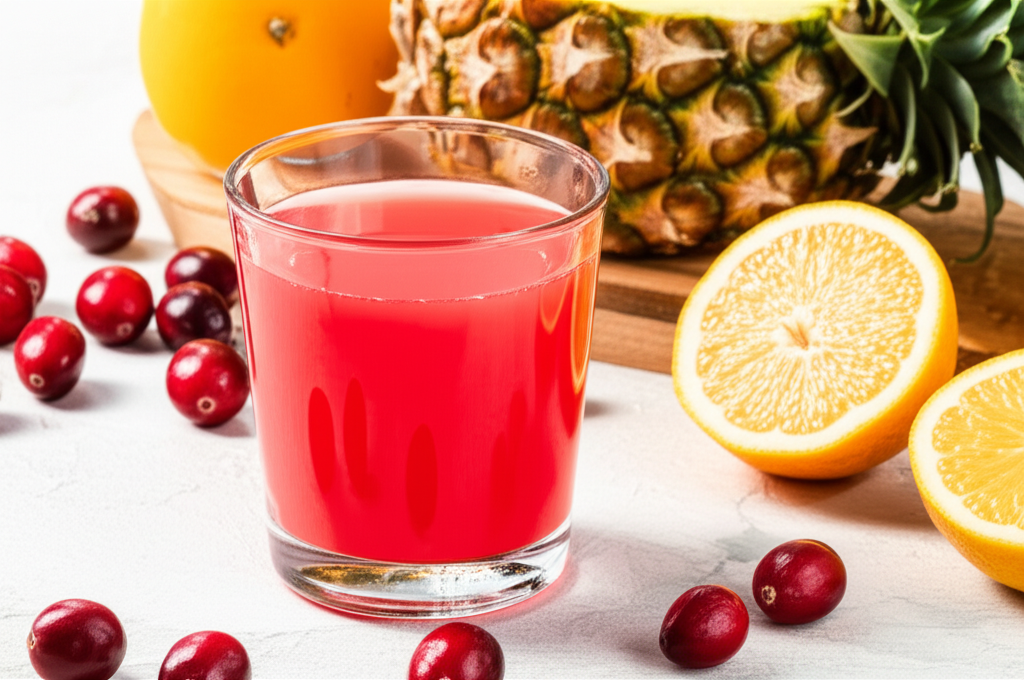
Cranberry juice isn’t a blanket “no” for GERD sufferers, but the type and amount matter greatly. Pure, unsweetened cranberry juice can be problematic due to its acidity, potentially triggering symptoms. However, diluted, lower-acid varieties or cranberry supplements might be tolerated or even offer benefits. We’ll uncover the surprising nuances!
Dealing with GERD can feel like a constant tightrope walk, especially when you’re trying to enjoy simple pleasures like a glass of juice. You might be wondering, “Is cranberry juice bad for GERD?” It’s a common question, and the answer isn’t as simple as a straight “yes” or “no.” Many people associate cranberries with health benefits, but their tartness can also be a trigger for acid reflux. If you’ve experienced discomfort after drinking cranberry juice, you’re not alone. But don’t give up just yet! There’s a surprising truth about this vibrant drink and how it interacts with GERD. Let’s dive into the details to understand how you can enjoy its potential benefits without the unpleasant symptoms.
The Surprising Truth About Cranberry Juice and GERD
For many of us, cranberry juice brings to mind health, particularly urinary tract health. However, when it comes to Gastroesophageal Reflux Disease (GERD), the picture gets a little more complex. The high acidity of many cranberry juice products can be a major concern for those with GERD, as acidic foods and drinks are well-known triggers for heartburn and other reflux symptoms. The thought of that sharp, tart taste potentially leading to a burning sensation in your chest can be enough to make anyone hesitate.
But here’s where the plot thickens: not all cranberry juice is created equal. The “shocking truth” isn’t that cranberry juice is universally bad, but rather that its impact on GERD is highly dependent on its preparation, concentration, and your individual sensitivity. Understanding these differences is key to navigating this dietary dilemma.
Why the Fuss? Acidity and Your Esophagus
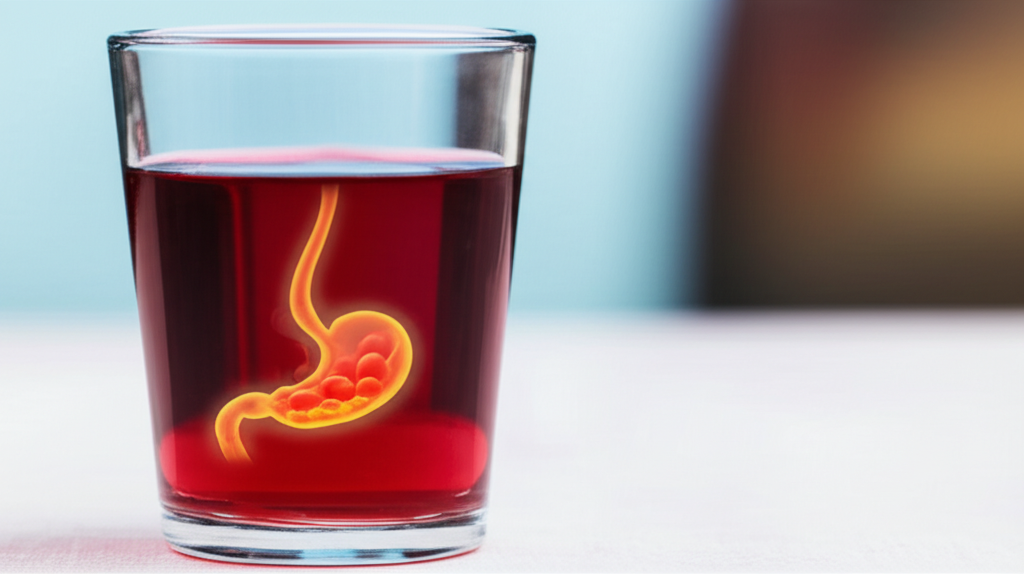
GERD occurs when stomach acid flows back up into the esophagus, the tube connecting your throat to your stomach. This backflow, or reflux, can cause a burning pain in the chest (heartburn), along with other uncomfortable symptoms like regurgitation, difficulty swallowing, and a sore throat. The lining of your esophagus is sensitive, and when it’s exposed to stomach acid, it can become irritated and inflamed.
Acidic foods and beverages can exacerbate this by:
- Directly irritating the esophageal lining.
- Increasing the production of stomach acid.
- Relaxing the lower esophageal sphincter (LES), a muscle that normally prevents acid from flowing back up.
Cranberry juice, especially the 100% pure, unsweetened variety, typically has a pH level that falls between 2.3 and 3.5. For comparison, water has a neutral pH of 7.0, and highly acidic foods can have pH values below 4.0. This makes cranberry juice a significant acidic beverage, which is why it’s often flagged as a potential GERD trigger.
The Cranberry Connection: Beyond Just Acidity
While acidity is the primary culprit, other compounds in cranberries might play a role. Cranberries are rich in antioxidants, particularly proanthocyanidins (PACs). These compounds are often praised for their ability to prevent bacteria from sticking to the urinary tract walls, which is why cranberry products are widely recommended for preventing urinary tract infections (UTIs). However, some research suggests that these same compounds, in concentrated forms, might have other effects on the body that could indirectly influence GERD symptoms in sensitive individuals. More research is needed to fully understand these potential interactions.
It’s also worth noting that the way cranberry juice is processed and what’s added to it can significantly alter its GERD-friendliness. Many commercially available cranberry juices are heavily sweetened with sugar or high-fructose corn syrup, and some may contain other additives that could potentially trigger reflux in some people.
Navigating the Cranberry Juice Maze: What to Look For
If you’re a GERD sufferer who loves the taste of cranberries or is looking for their potential health benefits, don’t despair! The key is to make informed choices. Here’s how to approach cranberry juice with GERD in mind:
1. Choose Your Cranberry Juice Wisely
The first and most crucial step is selecting the right type of cranberry juice. Your best bet for managing GERD is to opt for:
- 100% Pure, Unsweetened Cranberry Juice: While still acidic, this is often preferred over sweetened versions because it avoids the potential trigger of added sugars and artificial sweeteners, which can sometimes worsen reflux.
- Diluted Cranberry Juice Blends: Look for juices that are a blend of cranberry and other, less acidic fruits (like apple or pear) and are diluted with water. These will have a lower overall acidity.
- “Low Acid” or “Digestive Friendly” Varieties: Some brands are specifically formulated to be less acidic. Check the labels carefully.
What to Avoid:
- Cranberry Cocktail/Juice Drinks: These are typically loaded with sugar and may contain other additives.
- Highly Concentrated Cranberry Extracts: Unless specifically recommended by a healthcare professional, avoid very potent cranberry products.
2. Dilution is Your Friend
Even if you choose 100% pure cranberry juice, diluting it significantly can make a world of difference. Try mixing a small amount of pure cranberry juice with a larger amount of water. A common starting point is a 1:4 ratio (1 part cranberry juice to 4 parts water), but you may need to experiment to find what works for you. The less concentrated the juice, the less acidic it will be in your digestive system.
3. Consider Cranberry Supplements
For those who want the potential benefits of cranberries without the acidity of the juice, cranberry supplements (capsules or tablets) are an excellent alternative. These supplements deliver concentrated cranberry compounds, often PACs, in a form that bypasses the esophagus and stomach acid, reducing the risk of direct irritation. According to the National Institutes of Health (NIH), cranberry supplements are a popular choice for UTI prevention, and they generally don’t pose the same acidity concerns as the juice. Always choose reputable brands and follow the dosage instructions. You can learn more about supplements and their potential benefits at the National Center for Complementary and Integrative Health (NCCIH).
4. Portion Control is Key
Even if you find a cranberry juice option that you tolerate well, moderation is essential. Large volumes of any beverage can increase stomach pressure and potentially trigger reflux. Stick to small serving sizes, perhaps just a few ounces, especially when you’re first testing the waters.
5. Listen to Your Body
This is perhaps the most critical piece of advice. Everyone’s GERD is unique, and what triggers one person might be fine for another. Pay close attention to how you feel after consuming cranberry juice, even a diluted version. If you experience any symptoms like heartburn, indigestion, or discomfort, it’s best to avoid it or try a different approach.
The Potential Benefits of Cranberries for GERD Sufferers (When Handled Right!)
While the acidity is a concern, cranberries do offer potential benefits that might be worth exploring carefully if you have GERD:
- Urinary Tract Health: As mentioned, PACs in cranberries can help prevent bacteria from adhering to the bladder wall, potentially reducing UTI risk. For some, frequent UTIs can be a secondary concern, and managing them is important.
- Antioxidant Power: Cranberries are packed with antioxidants that help fight cell damage caused by free radicals.
- Digestive Health (Indirectly): Some preliminary research suggests that certain compounds in cranberries might support a healthy gut microbiome. A balanced gut can, in turn, play a role in overall digestive well-being, though direct links to GERD symptom improvement are not yet firmly established.
It’s important to remember that these benefits are often associated with regular, moderate consumption of cranberry products, and for GERD sufferers, this needs to be approached with extreme caution and careful selection of product type and preparation.
Step-by-Step: How to Safely Try Cranberry Juice with GERD
Ready to give it a cautious try? Follow these steps to minimize your risk of triggering GERD symptoms:
Step 1: Choose the Right Product
As discussed, start with 100% pure, unsweetened cranberry juice or a well-diluted cranberry blend. Read labels carefully to check for added sugars and other ingredients.
Step 2: Dilute, Dilute, Dilute!
Pour a small amount of your chosen cranberry juice (e.g., 1 ounce) into a glass. Add a generous amount of water (e.g., 4-6 ounces) to dilute the acidity. You can also try diluting with a less acidic beverage like almond milk or coconut water.
Step 3: Start Small
Take just a few sips of your diluted mixture. Don’t drink the whole glass at once. Your goal is to introduce a small amount of the juice into your system to see how it reacts.
Step 4: Wait and Monitor
After consuming the small amount, wait for at least an hour. Pay close attention to any signs of heartburn, bloating, or discomfort. Avoid eating anything else that might also be a trigger during this waiting period.
Step 5: Assess and Adjust
- If you experience no symptoms: You might be able to tolerate this diluted version. You can gradually increase the amount of the diluted juice you drink in your next session, or try slightly less dilution.
- If you experience mild symptoms: Try diluting it even further. You might also need to reduce the serving size.
- If you experience significant symptoms: It’s best to avoid cranberry juice altogether or stick to cranberry supplements.
Step 6: Keep a Food Diary
To get the clearest picture, maintain a food diary. Record what you drink, how much, how you prepared it, and any symptoms you experience. This will help you identify patterns and understand your personal triggers.
GERD Triggers: A Quick Comparison Table
To give you a clearer picture of what to watch out for, here’s a look at common GERD triggers compared to cranberry juice:
| Food/Drink Category | Typical Acidity (pH) | Potential GERD Impact | Cranberry Juice (Unsweetened) |
|---|---|---|---|
| Citrus Fruits (Oranges, Lemons) | 2.0 – 3.0 | High – Directly irritating, can relax LES | 2.3 – 3.5 |
| Tomatoes & Tomato Products | 4.0 – 4.6 | Moderate to High – Acidic, can irritate esophagus | — |
| Spicy Foods | N/A (Variable) | High – Can irritate esophagus, delay stomach emptying | — |
| Fatty Foods | N/A (Variable) | Moderate – Can delay stomach emptying, relax LES | — |
| Carbonated Beverages | N/A (Variable) | Moderate – Can increase stomach pressure, cause belching | — |
| Coffee & Alcohol | N/A (Variable) | Moderate to High – Can relax LES, increase acid production | — |
| Mint (Peppermint, Spearmint) | N/A (Variable) | Moderate – Can relax LES | — |
Note: pH values are approximate and can vary based on specific product and ripeness.
Frequently Asked Questions (FAQ) About Cranberry Juice and GERD
Q1: Is all cranberry juice bad for GERD?
No, not all cranberry juice is inherently bad. While pure, unsweetened cranberry juice is acidic and can be a trigger for some, diluted versions or cranberry blends might be tolerated. The key is moderation, dilution, and individual sensitivity.
Q2: Can I drink cranberry juice if I have GERD?
You might be able to, but with caution. Start with very small amounts of highly diluted, unsweetened cranberry juice. Monitor your symptoms closely. If you experience any discomfort, it’s best to avoid it or opt for cranberry supplements.
Q3: What type of cranberry juice is best for GERD?
The best option would be 100% pure, unsweetened cranberry juice that you then dilute significantly with water. Low-acid cranberry blends or those specifically marketed as “digestive friendly” may also be suitable. Avoid cranberry cocktails and sweetened varieties.
Q4: How can I get the benefits of cranberries without triggering my GERD?
Cranberry supplements (capsules or tablets) are an excellent alternative. They provide the beneficial compounds like PACs without the acidity of the juice, thus minimizing the risk of esophageal irritation.
Q5: Does cranberry juice cause acid reflux?
For some individuals with GERD, the acidity of cranberry juice can contribute to acid reflux symptoms by irritating the esophagus or potentially relaxing the lower esophageal sphincter (LES). However, it doesn’t cause reflux in everyone, and individual responses vary.
Q6: Are cranberry supplements safe for GERD?
Generally, yes. Cranberry supplements bypass the esophagus and stomach acid, making them a safer option than juice for most GERD sufferers looking to obtain cranberry’s benefits, particularly for UTI prevention. Always choose reputable brands and follow dosage recommendations.
Q7: What are some other drinks that GERD sufferers should avoid?
Commonly avoided drinks for GERD include carbonated beverages, coffee, alcohol, and acidic fruit juices like orange or grapefruit juice. Peppermint and spearmint teas can also relax the LES for some individuals.
Conclusion: Your Guide to a Safer Sip
Navigating dietary choices with GERD can feel overwhelming, but understanding the nuances of drinks like cranberry juice empowers you to make informed decisions. While the high acidity of pure cranberry juice makes it a potential trigger for many, it doesn’t mean you have to entirely miss out on its vibrant flavor or potential benefits. By opting for diluted or less acidic varieties, practicing moderation, and most importantly, listening closely to your body’s unique signals, you can explore whether cranberry juice fits into your GERD-friendly lifestyle.
Remember, your health journey is personal. If cranberry juice continues to cause discomfort, cranberry supplements offer a highly effective way to reap the advantages of cranberries without the acidic challenge. Always consult with your doctor or a registered dietitian for personalized advice regarding your GERD management plan. With a little knowledge and careful experimentation, you can find delicious and healthy ways to enjoy your favorite flavors while keeping GERD symptoms at bay!
