
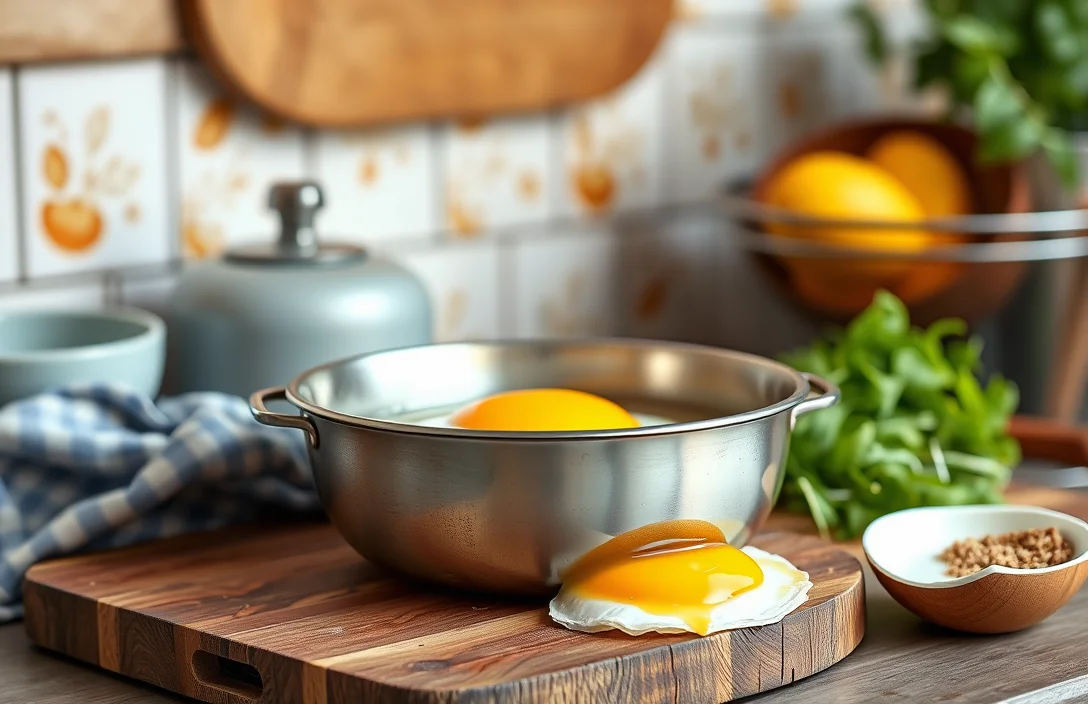
Cooking eggs perfectly is essential, as studies show that eggs are among the most nutritious foods, packed with high-quality protein and essential vitamins. Mastering the art of egg preparation can elevate your meals and enhance your health, making it a vital skill in any kitchen.
Cracking the code to perfect eggs involves temperature control, timing, and technique. Whether you prefer scrambled, poached, or fried, knowing how to manage these factors ensures delicious results every time.
Perfecting Boiled Eggs Techniques
Boiling eggs requires precision for desired doneness. Start by placing cold eggs in a saucepan. Fill with enough water to cover the eggs by about an inch. This method ensures even cooking and prevents cracking.
Next, bring the water to a rolling boil over medium heat. Once boiling, cover the pot and remove it from heat. Let it sit for the appropriate time: 4 minutes for soft-boiled, 6-7 minutes for medium, and 9-12 minutes for hard-boiled eggs.
After the time is up, immediately transfer the eggs to an ice bath. This step stops the cooking process and makes peeling easier. Fill a bowl with ice and water, and let the eggs sit in it for at least 5 minutes.
Peeling becomes simpler when eggs are cooled properly. Gently tap the eggs on a hard surface to crack the shell, then roll them to loosen. Start peeling from the wider end, where there is often an air pocket.
Storing boiled eggs correctly is essential. Keep them in the refrigerator if not consumed immediately. Unpeeled eggs can last up to a week, while peeled ones should be eaten within a few days for best quality.
Mastering Scrambled Eggs Method
Whisk eggs vigorously before cooking. This crucial step incorporates air, creating a fluffy texture. Use a fork or whisk to blend the yolks and whites thoroughly, achieving a uniform mixture. Aim for a light, frothy consistency to ensure the final dish is airy and creamy.
Heat a non-stick skillet over medium-low heat. This temperature allows the eggs to cook gently without browning, preserving their delicate texture. Using a non-stick surface minimizes the risk of sticking, which can ruin the fluffiness you desire.
Add butter or oil for richness. About one tablespoon should suffice, melting it completely before pouring in the eggs. This fat enhances flavor and contributes to the creamy mouthfeel of the finished product.
Stir continuously with a spatula while cooking. Employ a gentle folding motion, allowing uncooked eggs to flow to the bottom. Avoid high heat, which can curdle the eggs, leading to a rubbery texture instead of the desired softness.
Remove from heat just before fully cooked. Eggs continue to cook from residual heat, ensuring a perfect creamy finish. Transfer them to a plate immediately to stop the cooking process and maintain that ideal consistency.
Frying Eggs Sunny-Side Up Tips
Heat the skillet to medium-low. Achieving the perfect sunny-side up egg starts with a well-preheated skillet, ensuring even cooking. Use a non-stick pan or a well-seasoned cast iron skillet to prevent sticking. A lower temperature allows the whites to cook thoroughly while keeping the yolks runny and intact.
Crack the eggs gently into the pan. Always crack eggs individually into a small bowl before transferring them to the skillet. This technique prevents shell fragments from ruining the dish and allows for checking the freshness of each egg. Pour the eggs into the skillet carefully to maintain their shape.
Cover the skillet with a lid. Using a lid traps steam and helps cook the egg whites evenly without overcooking the yolks. Monitor the cooking time closely; generally, 2-3 minutes will suffice. Remove the lid when the whites are set, but the yolks remain bright and runny.
Season with salt and pepper. Adding seasoning at the end of the cooking process preserves the integrity of the yolks. Use freshly cracked black pepper or sea salt for an added flavor boost. Serve immediately while the yolks are still soft and warm for the best experience.
Easily Poaching Eggs at Home
Poaching eggs perfectly requires precision and care. Following these steps will help you achieve a tender, runny yolk encased in a delicate white. Prepare your workspace and gather the necessary tools: a shallow pan, water, vinegar, and fresh eggs.
- Fill a shallow pan with water, about 2-3 inches deep. Heat the water over medium until it simmers gently, avoiding a rolling boil, which can break the eggs apart.
- Add a splash of vinegar to the water. This helps the egg whites coagulate quickly, minimizing feathering and creating a more compact shape.
- Crack an egg into a small bowl or ramekin. This ensures the yolk remains intact and makes it easier to slide the egg into the water.
- Gently slide the egg into the simmering water. For best results, aim for the center of the pan, allowing the egg to sink into the water without splashing.
- Cook the egg for about 3-4 minutes for a runny yolk or 5-6 minutes for a firmer yolk. Use a slotted spoon to check the doneness by gently touching the white; it should feel set but the yolk should remain soft.
- Carefully remove the poached egg with the slotted spoon and place it on a paper towel to drain excess water. Season to taste before serving.
Making an Omelette Like a Pro
Whisk two or three eggs until homogenous; add a pinch of salt and 1 tablespoon cream for silkiness. Heat an 8–10 inch nonstick skillet over medium-low and melt 1 tablespoon butter until foam subsides. Pour eggs, stir gently with a spatula for 20–30 seconds to form small curds, stop stirring and let set for 30–45 seconds, then fold and serve.
Baking Eggs in Dishes Safely
Baking eggs in various dishes requires careful attention to temperature and cooking time. Begin by preheating your oven to the appropriate temperature, usually around 350°F (175°C). This ensures even cooking without overcooking the edges while leaving the center underdone.
Greasing your dish is essential for preventing sticking. Use butter, oil, or cooking spray to coat the bottom and sides of your baking dish. This step not only aids in easy removal but also enhances flavor and texture.
Choosing the right dish affects the outcome. Glass or ceramic dishes are ideal for baking eggs, as they distribute heat evenly. Avoid using metal pans, as they may cause uneven cooking and affect flavor.
Adding ingredients can enhance the final product. Incorporate vegetables, cheese, or meats for added nutrition and taste. Make sure to chop ingredients into small, uniform pieces for even cooking throughout the egg mixture.
Covering the dish with aluminum foil during the first part of baking helps retain moisture. This method prevents the eggs from drying out while allowing them to cook thoroughly. Remove the foil in the final minutes to achieve a slightly crispy top.
Checking doneness is vital for perfect results. Insert a knife or toothpick into the center; it should come out clean when the eggs are fully cooked. If the mixture still appears runny, return it to the oven for a few more minutes.
Understanding Egg Cooking Times
Cooking times significantly affect the texture and taste of eggs. Each preparation method requires precise timing to achieve the desired results, whether soft, medium, or hard. Below is a concise guide to ensure consistency in your egg dishes.
Soft-boiled eggs take about 4 to 6 minutes. Start timing once the water reaches a boil and gently add the eggs. For a runny yolk, aim for the shorter end of the range.
Medium-boiled eggs require 6 to 8 minutes. This timing produces firmer whites and slightly jammy yolks. Adjust according to your preference for yolk consistency.
Hard-boiled eggs need 9 to 12 minutes. Begin timing after the water is boiling, ensuring the yolks are fully cooked. For easier peeling, place them in ice water immediately after cooking.
Scrambled eggs can cook in 5 to 7 minutes on medium-low heat. Stir frequently for fluffy results, removing them from heat just before they’re fully set to avoid overcooking.
Fried eggs typically take 3 to 5 minutes. Cook sunny-side-up eggs for about 3 minutes, or flip them for over-easy eggs and cook for an additional minute.
Oven-baked eggs in dishes usually require 12 to 15 minutes at 350°F. Check for doneness by ensuring the whites are set but the yolks remain slightly soft.
Quick Summary
- Choose fresh eggs for the best flavor and texture.
- Use low to medium heat to avoid overcooking.
- For scrambled eggs, whisk thoroughly and add a splash of milk for creaminess.
- Always use a non-stick pan or add oil/butter to prevent sticking.
- Cook eggs until just set; they will continue to cook off the heat.
- Experiment with seasonings and toppings to enhance flavor.
- Practice different cooking methods (boiled, poached, fried) to master egg preparation.
Frequently Asked Questions
How do I boil eggs perfectly?
To boil eggs perfectly, place them in a pot and cover them with cold water. Bring the water to a boil, then reduce the heat and let simmer for about 9-12 minutes depending on your desired doneness, before transferring them to an ice bath to stop the cooking process.
What is the best way to scramble eggs?
For fluffy scrambled eggs, beat the eggs thoroughly with a pinch of salt, then cook them in a non-stick skillet over medium-low heat. Stir gently and continuously until they are just set but still creamy, then remove from heat to avoid overcooking.
How do I make a perfect fried egg?
To make a perfect fried egg, heat a non-stick skillet over medium heat and add a small amount of oil or butter. Crack the egg into the skillet and cook until the whites are set but the yolk remains runny, about 2-3 minutes, or flip for over-easy or over-hard eggs.
What is the difference between soft-boiled and hard-boiled eggs?
Soft-boiled eggs are cooked in the shell for about 4-6 minutes, resulting in a runny yolk, while hard-boiled eggs are cooked for 9-12 minutes, leading to a fully set yolk. The cooking time significantly affects the texture and taste of the yolk.
How can I tell when eggs are fresh?
To check if eggs are fresh, place them in a bowl of water; fresh eggs will sink and lay flat on the bottom, while older eggs will stand upright or float. Additionally, you can crack the egg open; a fresh egg will have a firm yolk and thick whites, whereas older eggs will have runny whites and a flatter yolk.
