
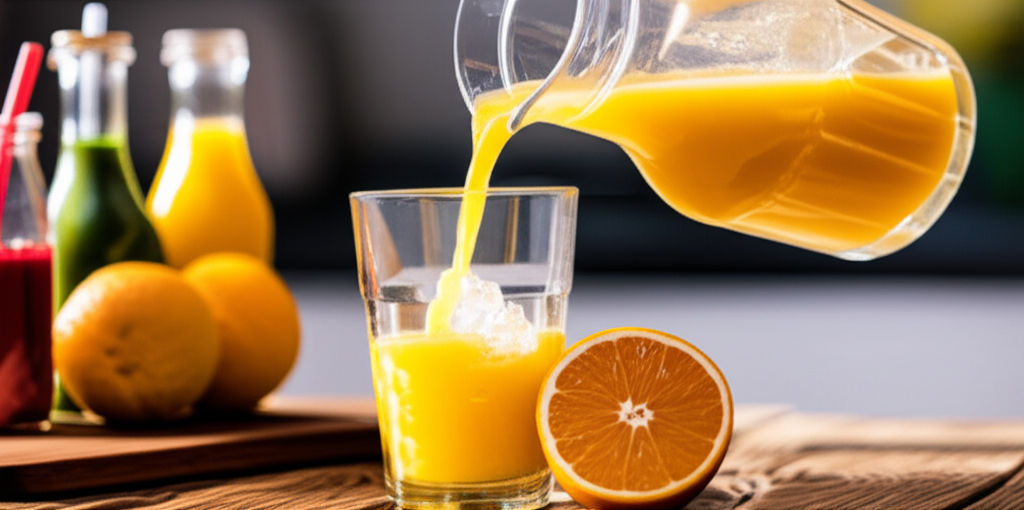
Once opened, commercially produced orange juice typically lasts 5-7 days in the refrigerator. Freshly squeezed juice is best consumed within 24-48 hours. Proper storage is key to maintaining freshness and preventing spoilage.
That refreshing glass of orange juice – a morning staple for many! But what happens once that carton or bottle is cracked open? It’s a question that pops into mind when you’re reaching for that familiar citrusy goodness. Is it still safe to drink? Will it taste as bright and zesty? The thought of wasting perfectly good juice, or worse, drinking something that’s turned, can be a little unsettling. But don’t worry! We’re here to break down the simple science behind orange juice freshness, so you can enjoy every last drop with confidence.
The Shelf Life of Your Favorite Citrus Sip: Unlocking the Truth!
Orange juice is a delightful way to get your vitamin C fix and enjoy a burst of natural flavor. But like most fresh foods, it has a limited lifespan, especially after it’s been exposed to air. Understanding how long your orange juice is good for after opening is crucial for both taste and safety. Let’s dive into the details!
Commercial vs. Freshly Squeezed: What’s the Difference?
The first thing to understand is that not all orange juice is created equal when it comes to shelf life. There’s a significant difference between the juice you buy from the grocery store and the freshly squeezed kind you might make at home.
Commercial Orange Juice: The Power of Pasteurization
Most of the orange juice you find in the refrigerated section of your supermarket has undergone a process called pasteurization. This involves heating the juice to a specific temperature for a set amount of time. Pasteurization is brilliant because it kills harmful bacteria that can cause spoilage and illness. This is why unopened, pasteurized orange juice can sit on your shelf or in your fridge for weeks, even months!
However, once that seal is broken and the juice is exposed to air, the clock starts ticking. The pasteurization process doesn’t make the juice immortal; it just gives it a very long healthy life before opening. After opening, exposure to oxygen and any lingering microorganisms can begin to degrade its quality and eventually make it unsafe.
Freshly Squeezed Orange Juice: Pure and Perishable
When you squeeze your own oranges, you’re getting the purest form of the juice. This means no preservatives and no pasteurization. While this is fantastic for maximum vitamin C and a vibrant, fresh taste, it also means a much shorter shelf life. Freshly squeezed juice is teeming with natural enzymes and sugars that are quickly acted upon by bacteria present in the air and on the fruit itself. Therefore, it’s best to consume this kind of juice as soon as possible.
How Long is Orange Juice Good For After Opened? The Quick Answer
For commercially produced, pasteurized orange juice that has been opened and properly refrigerated, you can generally expect it to be good for 5 to 7 days. Some sources, like the USDA, suggest up to 7-10 days for pulp-free varieties and 5-7 days for those with pulp, but sticking to the 5-7 day window is a safe bet for optimal taste and quality.
For freshly squeezed orange juice, the window is much smaller. It’s best to drink it within 24 to 48 hours when stored in the refrigerator. After 48 hours, the taste and nutritional value can significantly decrease, and the risk of spoilage increases.
Factors Affecting Orange Juice Shelf Life
Several factors can influence how long your orange juice stays fresh after opening. Understanding these can help you make informed decisions about your juice consumption.
- Temperature: This is perhaps the most critical factor. Keeping orange juice consistently cold in the refrigerator is paramount. Fluctuations in temperature can accelerate bacterial growth.
- Container Type: While most commercially available orange juice comes in cartons or plastic jugs, how well the container seals after opening can make a difference. A tight seal helps minimize air exposure.
- Pulp Content: Orange juice with pulp may have a slightly shorter shelf life than pulp-free versions. The pulp can sometimes provide more surface area for bacteria to grow.
- Initial Quality: The quality of the oranges used and the efficiency of the pasteurization process for commercial juices play a role.
- Handling: Simply touching the rim of the carton or jug with unwashed hands can introduce new bacteria.
Signs Your Orange Juice Has Gone Bad
Trust your senses! Your nose and eyes are your best allies in determining if orange juice is no longer good to drink. Here are the common signs of spoilage:
- Off Smell: Fresh orange juice has a bright, citrusy aroma. If it smells sour, fermented, yeasty, or just plain unpleasant, it’s time to discard it.
- Altered Taste: Even if it doesn’t smell bad, a sour or bitter taste is a clear indicator of spoilage.
- Color Change: While less common, a significant darkening or browning of the juice could signal oxidation and spoilage.
- Mold Growth: Any visible mold on the surface or around the opening is a definite sign that the juice is bad.
- Fizziness or Bubbles: If you open the carton and it fizzes or you see bubbles forming when it shouldn’t, this indicates fermentation, a sign of bacterial activity.
If you notice any of these signs, do not taste or consume the orange juice. It’s better to be safe than sorry!
Storing Your Orange Juice for Maximum Freshness
Proper storage is your secret weapon against early spoilage. Here’s how to keep your orange juice tasting great for as long as possible:
Best Practices for Refrigeration
The refrigerator is your orange juice’s best friend. Follow these tips:
- Keep it Cold: Always store opened orange juice in the coldest part of your refrigerator, typically the back of a lower shelf. Avoid the refrigerator door, where temperatures fluctuate the most.
- Seal It Tightly: Ensure the carton or bottle cap is screwed on or closed as tightly as possible after each use. This minimizes exposure to air.
- Store Upright: Keep the juice container upright to prevent leaks and potential contamination.
- Avoid Cross-Contamination: Make sure the opening of the juice container doesn’t come into contact with other foods, especially raw meats or unwashed produce.
Can You Freeze Orange Juice?
Yes, you can freeze orange juice, but it will alter the texture. Freezing is a great option for extending the life of juice you won’t be able to finish within the recommended timeframe. However, be aware that when thawed, the juice may separate, and the pulp might become mushy. You’ll likely need to shake or stir it well before consuming.
To freeze: Pour the juice into freezer-safe containers or ice cube trays, leaving some headspace for expansion. Frozen orange juice can last for several months.
Orange Juice for Specific Needs: Hydration & Recovery
Orange juice isn’t just a tasty beverage; it can also be beneficial for certain health needs, especially when consumed in moderation.
Post-Wisdom Teeth Removal
After wisdom teeth are removed, doctors often recommend soft foods and liquids. Orange juice can be a good source of hydration and vitamin C, which aids in healing. However, it’s crucial to avoid acidic drinks that can irritate the surgical sites or straws, as the suction can dislodge blood clots. Opt for a straw-free sipping experience and consider diluting the juice if it’s too acidic for your comfort.
Hydration and Electrolytes
Orange juice contains natural sugars and electrolytes like potassium, which can help with hydration. This can be beneficial after exercise or during periods of illness when fluid loss is a concern. However, due to its sugar content, it’s best consumed in moderation, and pure water is always the primary source of hydration.
Acid Reflux and GERD Considerations
For individuals experiencing acid reflux or GERD, citrus juices like orange juice can sometimes trigger or worsen symptoms due to their acidity. If you’re sensitive, you might want to opt for lower-acid juices or dilute orange juice with water. Some people find that juice without pulp is better tolerated. It’s always a good idea to consult with a healthcare professional or a registered dietitian about managing dietary triggers.
Tips for Enjoying Your Orange Juice to the Last Drop
Want to maximize your enjoyment and minimize waste? Here are some practical tips:
- Buy Smaller Quantities: If you don’t go through orange juice quickly, consider purchasing smaller cartons or bottles to ensure you finish them before they spoil.
- Label and Date: When you open a new carton, write the date on it. This simple step helps you keep track of how long it’s been open.
- Use Ice Cube Trays: Freeze leftover juice in ice cube trays. Once frozen, transfer the cubes to a freezer bag. You can then pop these into smoothies, water, or drinks for a citrusy boost.
- Orange Juice Cocktails/Mocktails: Get creative! Use the remaining juice in simple mixed drinks or mocktails. A splash of orange juice can liven up sparkling water or add flavor to a more complex beverage.
- Smoothie Booster: Add a bit of orange juice to your morning smoothie for an extra vitamin C kick and a brighter flavor.
Understanding Food Safety Guidelines
Food safety is a cornerstone of healthy living. Organizations like the U.S. Food and Drug Administration (FDA) provide guidelines to help consumers make safe food choices. For juices, the primary concern after opening is the potential for bacterial growth. While pasteurization greatly reduces the risk, once the seal is broken, the juice is more vulnerable.
The FDA recommends that perishable foods, including opened juice, be kept at safe temperatures. For opened orange juice, this means consistent refrigeration. If you’re ever in doubt about the safety of a food product, it’s always best to discard it. You can learn more about general food safety from the FDA’s extensive resources on food safety.
Table: Orange Juice Shelf Life Summary
Here’s a quick reference table to help you remember the general guidelines:
| Type of Orange Juice | Unopened Shelf Life (Refrigerated) | Opened Shelf Life (Refrigerated) | Best Consumed By (Freshly Squeezed) |
|---|---|---|---|
| Commercial (Pasteurized) | Weeks to Months (check “best by” date) | 5-7 Days | N/A |
| Freshly Squeezed | N/A (consume immediately) | 24-48 Hours | Within 24-48 Hours |
Frequently Asked Questions About Opened Orange Juice
Let’s address some common queries you might have:
Q1: Can I drink orange juice after the “best by” date?
A1: For unopened juice, the “best by” date is about quality, not safety. It might still be safe to drink for a short period after, but the flavor and vitamin content may have decreased. For opened juice, always stick to the 5-7 day guideline regardless of the original “best by” date.
Q2: Does adding pulp make orange juice spoil faster?
A2: Generally, yes. Pulp-free orange juice might last a day or two longer than juice with pulp because the pulp can offer more surface area for potential bacterial growth. However, the difference is usually minimal if stored correctly.
Q3: Is it safe to drink orange juice if it smells slightly off?
A3: No, it’s not recommended. Even a slight off-smell can indicate the presence of bacteria or fermentation, which could lead to illness. When in doubt, throw it out.
Q4: How can I tell if my homemade orange juice has gone bad?
A4: Look for the same signs as commercial juice: sour or fermented smells, unpleasant taste, mold, or excessive fizzing. Since it’s not pasteurized, it’s best to consume it within 24-48 hours of making it.
Q5: Can I reheat opened orange juice to make it last longer?
A5: Reheating opened orange juice is not recommended for extending its shelf life in the way pasteurization does. It won’t kill all bacteria and can negatively affect the taste and nutritional value. It’s best to drink it cold.
Q6: What’s the difference between “best by,” “sell by,” and “use by” dates on juice?
A6: “Best by” indicates peak quality. “Sell by” tells the store how long to display the product. “Use by” is the date recommended for consumption for best quality. For opened juice, these dates are less relevant than the time elapsed since opening and proper refrigeration.
Conclusion: Enjoying Your Orange Juice Safely and Deliciously
So, there you have it! Understanding how long your orange juice is good for after opening is simple when you know the key factors: pasteurization, refrigeration, and your own senses. For that familiar carton from the store, aim to finish it within 5 to 7 days of opening for the best taste and quality. If you’re enjoying the pure, unadulterated goodness of freshly squeezed juice, savor it within 24 to 48 hours. By following these simple storage tips and paying attention to the signs of spoilage, you can confidently enjoy every bright, citrusy sip, knowing you’re making a healthy and safe choice. Cheers to fresh juice!
