
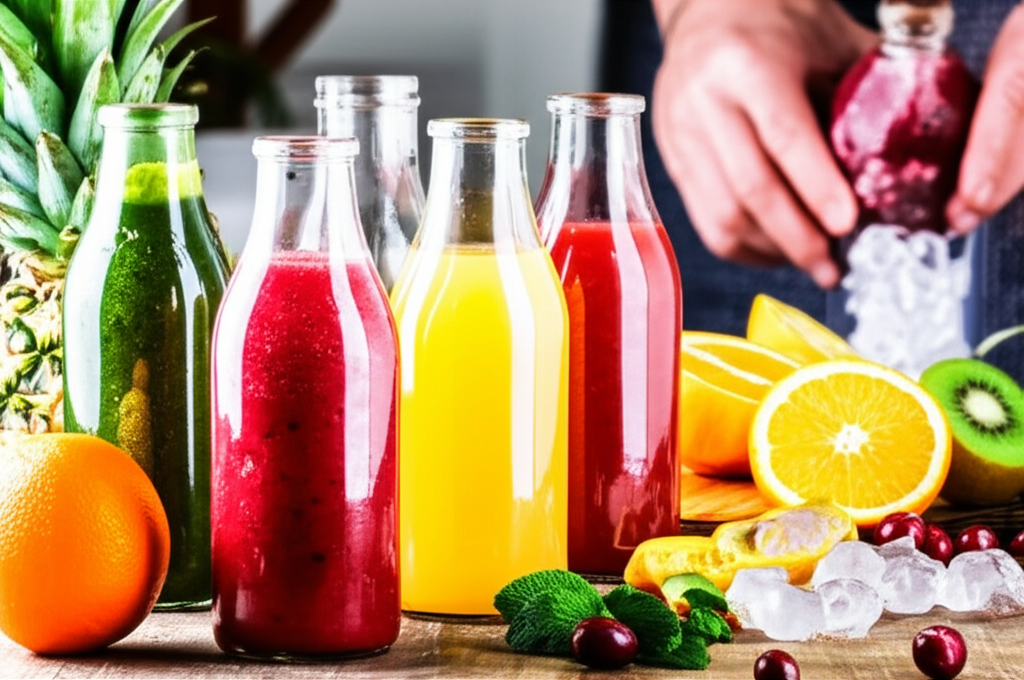
Cold-pressed juice typically lasts 3-5 days when properly refrigerated. However, the exact shelf life depends on the ingredients used, how it’s stored, and whether it’s pasteurized. Understanding these factors is key to enjoying your fresh juice safely and deliciously.
How Long Does Cold Pressed Juice Last? The Shocking Truth Revealed!
Have you ever whipped up a vibrant batch of cold-pressed juice, only to wonder, “When should I drink this by?” It’s a common question, and one that can feel a little daunting when you’re invested in your healthy creations. You want to savor that fresh, nutrient-packed goodness, but you also want to be sure it’s safe and still tastes amazing. Don’t worry, friend! We’re here to demystify the shelf life of your beloved cold-pressed juices, giving you the confidence to enjoy every last drop.
We’ll cover everything from the science behind its freshness to simple storage tricks that make a big difference. Get ready to unlock the secrets to keeping your juice vibrant and delicious for as long as possible!
Why Freshness Matters: The Cold-Pressed Difference
Cold-pressed juice is a marvel of modern healthy living. Unlike traditional juicing methods that often use heat or friction, cold-pressing gently extracts the maximum amount of vitamins, minerals, and enzymes from fruits and vegetables. This process, while fantastic for preserving nutrients, also means that the juice is highly perishable. Think of it like a perfectly ripe avocado – it’s at its peak for a short, sweet time!
The lack of heat during pressing means that beneficial enzymes and delicate nutrients remain intact. However, this also means that natural enzymes and any present microbes continue to work, which can affect the juice’s flavor, texture, and safety over time. So, knowing how long it truly lasts is crucial for your health and enjoyment.
The Golden Rule: Refrigeration is Key!
The single most important factor in extending the life of your cold-pressed juice is proper refrigeration. As soon as your juice is pressed, it should be chilled. Keeping it at a consistent temperature below 40°F (4°C) significantly slows down the natural enzymatic and microbial activity that leads to spoilage.
For the best results, store your cold-pressed juice in airtight containers. Glass bottles with tight-fitting lids are ideal, as they don’t impart flavors and create a good seal. If you’re using plastic, ensure it’s a food-grade, BPA-free option and that the lid is securely fastened.
How Long Does Cold Pressed Juice Last? The Breakdown
So, to get straight to the heart of it: How long does cold pressed juice last? Generally, you’re looking at a window of 3 to 5 days when stored correctly in the refrigerator. This is for juice that hasn’t undergone any pasteurization process.
However, this is a general guideline. Several factors can influence this timeframe:
- Ingredients: Juices with a higher sugar content (like those with lots of fruit) might spoil slightly faster than those with more vegetables. Leafy greens and root vegetables tend to be a bit more stable.
- Juicing Method: While we’re focusing on cold-pressed, the specific type of cold-press juicer can also play a small role in how much oxygen is introduced, which can affect oxidation.
- Cleanliness: The cleanliness of your juicer, bottles, and preparation surfaces is paramount. Any lingering bacteria can accelerate spoilage.
- Storage Container: As mentioned, airtight, opaque containers are best to minimize light and air exposure.
Unpasteurized vs. Pasteurized Cold-Pressed Juice
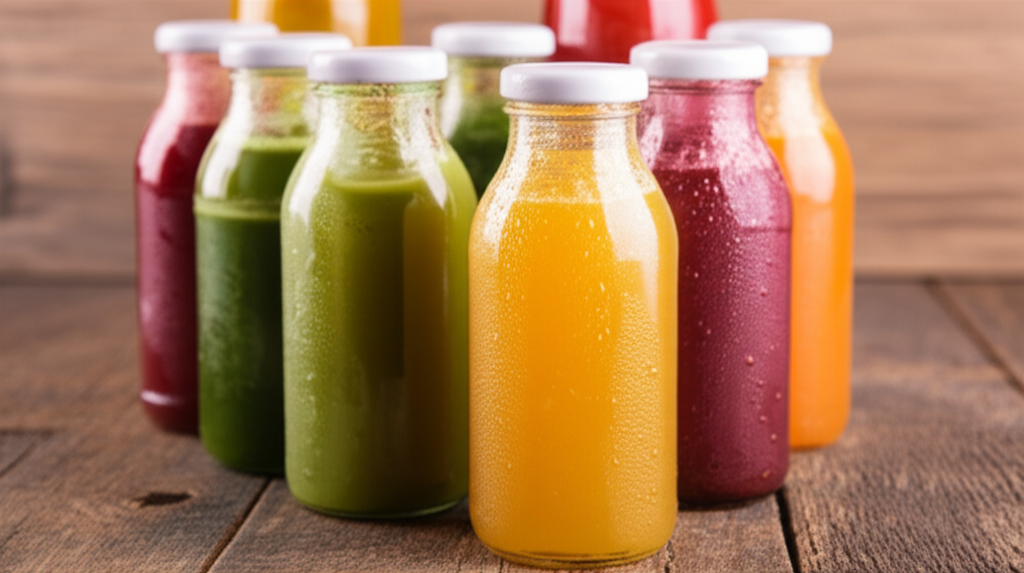
This is where the “shocking truth” might come in for some! When you buy cold-pressed juice from a store, especially if it has a longer shelf life (think a week or more), it has likely undergone a form of pasteurization. The most common method for cold-pressed juices is High-Pressure Processing (HPP), sometimes called Pascalization.
High-Pressure Processing (HPP): This is a non-thermal process where the juice is exposed to very high levels of pressure. This pressure inactivates harmful bacteria and extends shelf life significantly, often up to 30-45 days when refrigerated. HPP is amazing because it preserves most of the nutrients and the fresh taste remarkably well, unlike traditional heat pasteurization, which can degrade vitamins and alter flavor.
Unpasteurized (Raw) Cold-Pressed Juice: This is the juice you make at home or buy from a local juice bar that’s pressed fresh daily and not treated further. This is the kind that has the shorter 3-5 day shelf life. It’s the most “alive” and nutrient-dense, but also the most fragile.
It’s important to know which type you’re consuming. If a label doesn’t specify HPP or pasteurization, and it’s sold in the refrigerated section with a shelf life of just a few days, it’s almost certainly unpasteurized raw cold-pressed juice.
Signs Your Cold-Pressed Juice Has Gone Bad
Trust your senses! Your nose and eyes are your best friends when it comes to determining if your juice is still good. Here are the common signs of spoilage:
- Off Smell: If it smells sour, fermented, or just plain “off,” it’s time to say goodbye. Fresh juice should smell bright and vibrant, like the ingredients it came from.
- Fizzy or Foamy Texture: A slight fizziness can indicate fermentation. While some very mild carbonation can occur naturally due to active enzymes, excessive fizz or foam is a red flag.
- Mold or Discoloration: Any visible mold, cloudiness that wasn’t there initially, or significant color changes (beyond natural ingredient variations) means the juice is no longer safe to drink.
- Taste Change: If it tastes sour, bitter, or just “wrong” compared to how it should, don’t risk it.
The Ultimate Guide to Storing Your Cold-Pressed Juice
Want to maximize the life of your precious juice? Follow these simple steps:
- Juice Fresh: Always start with fresh, high-quality produce. Wash everything thoroughly.
- Use Airtight Containers: As soon as you’re done juicing, pour your juice into clean, airtight glass bottles or high-quality BPA-free plastic containers.
- Fill to the Brim: Minimize the headspace (air) in your containers. The less air, the slower oxidation will occur. If you have a large bottle and only a little juice left, consider pouring it into a smaller container to reduce air exposure.
- Chill Immediately: Place your juice in the coldest part of your refrigerator (usually the back) as soon as possible.
- Keep it Cold: Avoid leaving your juice out on the counter for extended periods. If you’re taking it on the go, use an insulated cooler bag with an ice pack.
- Label and Date: Make it a habit to label your juice with the date it was made. This helps you keep track and ensures you’re drinking it within its optimal window.
Juicing for Specific Needs: Wisdom Teeth, GERD, and Hydration
Cold-pressed juices are wonderfully versatile and can be incredibly beneficial for specific needs:
- Wisdom Teeth Recovery: Soft, nutrient-dense juices are perfect for when chewing is difficult. Think hydrating options like cucumber, celery, and a touch of apple or pear. Avoid acidic citrus if it causes discomfort.
- GERD/Acid Reflux: For those managing GERD or acid reflux, it’s best to stick to low-acid vegetables. Cucumber, celery, zucchini, and leafy greens like spinach are excellent choices. You might want to limit or avoid high-sugar fruits and very acidic ingredients like lemons or tomatoes, or use them in very small quantities. Consulting with a healthcare provider or registered dietitian is always a good idea for personalized advice.
- Hydration: Many fruits and vegetables have high water content, making their juices naturally hydrating. Watermelon, cucumber, celery, and oranges are fantastic for boosting your fluid intake, especially after exercise or on hot days.
Always listen to your body and consult with a healthcare professional if you have specific dietary concerns or health conditions.
Table: Cold-Pressed Juice Shelf Life Comparison
To help you visualize, here’s a general comparison of how long different types of cold-pressed juices might last under ideal refrigerated conditions. Remember, these are estimates!
| Type of Juice | Typical Shelf Life (Refrigerated) | Key Factors Influencing Shelf Life |
|---|---|---|
| Raw, Unpasteurized Cold-Pressed Juice (Homemade/Freshly Made) | 3-5 Days | Ingredients, oxidation, cleanliness, airtight storage. |
| HPP (High-Pressure Processed) Cold-Pressed Juice | 30-45 Days (or longer, check label) | Effectiveness of HPP process, original freshness, proper refrigeration. |
| Juices with Higher Sugar Content (e.g., mostly fruit) | 2-3 Days (for raw) | Higher sugar content can promote faster microbial growth. |
| Juices with Higher Vegetable Content (e.g., leafy greens, cucumber) | 4-5 Days (for raw) | Lower sugar content generally means slower spoilage. |
Can You Freeze Cold-Pressed Juice?
Yes, you absolutely can freeze cold-pressed juice! Freezing is an excellent way to extend its life significantly, preserving its nutrients and flavor for months. However, there are a couple of things to keep in mind:
- Container Choice: Use freezer-safe containers or bags. Leave a little headspace as liquids expand when frozen.
- Quality Preservation: While freezing is great, some very minor nutrient degradation can occur over very long periods, and the texture might change slightly upon thawing (it might separate more).
- Thawing: The best way to thaw frozen juice is in the refrigerator overnight. Avoid thawing at room temperature or using hot water, as this can promote bacterial growth.
Frozen cold-pressed juice can last for 3-6 months, and sometimes even longer, while retaining good quality. It’s a fantastic way to prep ahead and ensure you always have a healthy option on hand.
Frequently Asked Questions About Cold-Pressed Juice Shelf Life
Q1: How long is cold-pressed juice good for after opening?
Once opened, the shelf life of cold-pressed juice is significantly reduced. It’s best to consume it within 24-48 hours, as exposure to air and potential contaminants will accelerate spoilage. Always reseal tightly and return to the refrigerator immediately.
Q2: Can I drink cold-pressed juice that has been left out overnight?
It’s strongly advised not to drink cold-pressed juice that has been left out at room temperature for more than 2 hours (or 1 hour if the ambient temperature is above 90°F/32°C). Bacteria can multiply rapidly in the “danger zone,” compromising the safety and quality of your juice.
Q3: Does the type of fruit or vegetable affect how long cold-pressed juice lasts?
Yes, it does! Juices made primarily from high-sugar fruits will generally have a shorter shelf life than those made mostly from vegetables. The natural sugars can be a food source for microbes. For example, a pure apple juice might spoil faster than a cucumber-celery-kale blend.
Q4: Is it safe to drink cold-pressed juice if it looks a little separated?
Separation is often normal for raw, unpasteurized cold-pressed juice, especially if it contains ingredients like ginger or herbs. Simply shake or stir well before drinking. However, if you notice significant cloudiness, foam, or off-smells along with separation, it’s best to discard it.
Q5: What’s the best way to store cold-pressed juice for maximum freshness?
The best way is to store it in an airtight, opaque glass bottle in the coldest part of your refrigerator (usually the back). Minimizing air exposure and keeping it consistently cold are the keys to preserving freshness.
Q6: How can I tell if my homemade cold-pressed juice is still good?
Use your senses! Look for any signs of mold or unusual discoloration. Smell it – if it smells sour, fermented, or “off,” it’s likely spoiled. Taste a tiny bit; if it tastes sour or bitter, don’t consume it further. When in doubt, it’s always safest to throw it out.
The Joy of Fresh, Long-Lasting Juice
Navigating the shelf life of cold-pressed juice might seem a little complex at first, but as you can see, it boils down to a few simple principles: keep it cold, keep it sealed, and use your senses. Whether you’re making it at home for immediate enjoyment or opting for the convenience of HPP-treated juices, understanding these guidelines empowers you to make the best choices for your health and your taste buds.
Embracing cold-pressed juice is a wonderful step towards a more vibrant, nourished lifestyle. By storing your juices properly, you can savor their incredible benefits and delicious flavors for longer, making your healthy habits even more rewarding. So go ahead, juice on, and enjoy the goodness!
