
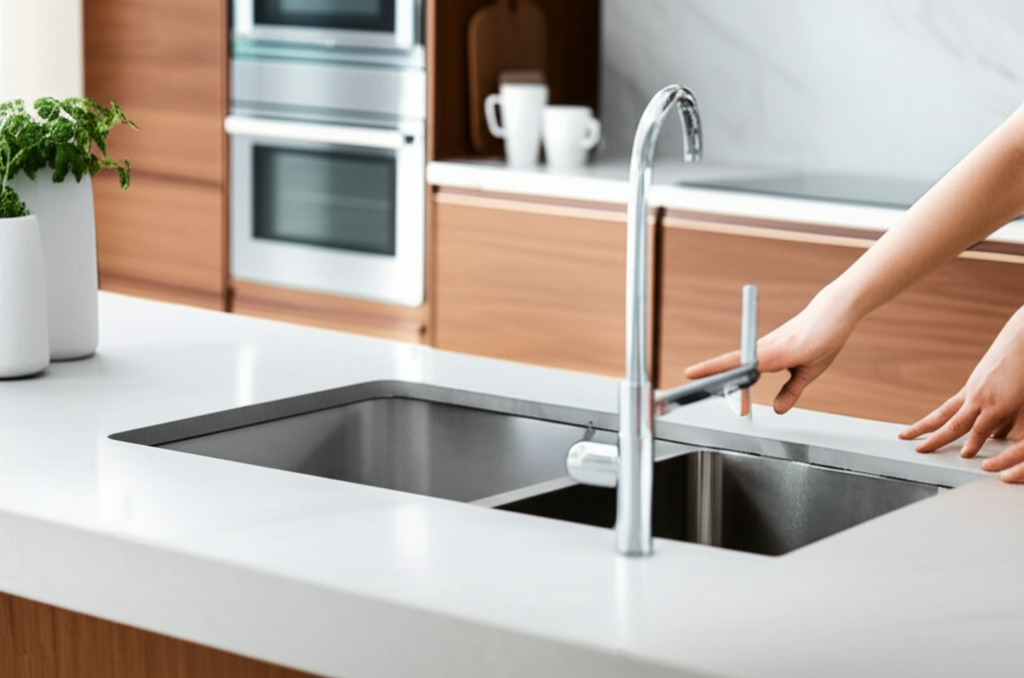
The standard kitchen countertop height in the US is 36 inches from the floor. This height is designed for comfort and efficiency for most adults.
Ever stood in your kitchen, prepping dinner, and felt a slight ache in your back or wrists? You might be wondering if your countertops are just a little off. It’s a common kitchen dilemma, and you’re not alone in asking: how high is a kitchen countertop, really? This simple measurement can make a surprisingly big difference in how you cook, clean, and simply move around your kitchen. Let’s uncover the standard, explore why it matters, and even look at how you might adjust things for your perfect cooking space. Get ready to feel more comfortable and in control in your kitchen!
The Shocking Truth: What is the Standard Kitchen Countertop Height?
The most common and widely accepted standard kitchen countertop height in the United States is 36 inches (or 91.44 cm) from the finished floor to the top of the countertop surface. This measurement is not arbitrary; it’s a result of decades of ergonomic research and design principles aimed at creating a comfortable and efficient workspace for the average adult.
Think of it as a sweet spot. Too low, and you’re bending over, straining your back. Too high, and you’re reaching uncomfortably, leading to shoulder and arm fatigue. The 36-inch standard aims to balance these issues, allowing most people to stand upright while performing tasks like chopping vegetables, mixing ingredients, or loading the dishwasher.
This standard height applies to the main work surfaces in your kitchen, typically including:
- The area around your sink
- The space next to your stove or cooktop
- Prep areas for cooking and baking
It’s important to remember that this is a standard, not a rigid rule. Factors like the average height of people in your household, specific kitchen tasks you perform, and even aesthetic preferences can influence what feels right for your unique kitchen.
Why Does Countertop Height Matter So Much?
It might seem like a small detail, but the height of your kitchen countertops plays a crucial role in your kitchen’s overall functionality and your personal comfort. Here’s why it’s a big deal:
- Ergonomics and Comfort: As mentioned, the right height reduces strain on your back, neck, and arms. When you’re chopping, kneading dough, or washing dishes, your elbows should ideally be at a comfortable angle (around 90 degrees) relative to the countertop.
- Efficiency and Productivity: A well-proportioned workspace allows you to move more freely and efficiently. Less physical discomfort means you can spend more time enjoying cooking and less time feeling fatigued.
- Safety: Working at an awkward height can increase the risk of accidents, such as dropping knives or spilling hot liquids. Proper height contributes to a safer kitchen environment.
- Accessibility: For individuals with mobility issues or those who use wheelchairs, standard countertop heights can be a barrier. Accessible kitchen design often involves varying countertop heights to accommodate different needs.
- Aesthetics and Flow: While primarily functional, countertop height also contributes to the visual harmony of your kitchen. It works in conjunction with cabinet height, appliance placement, and overall layout to create a balanced look and feel.
Understanding these points helps demystify why this seemingly simple measurement is so important for a happy, healthy kitchen experience.
A Quick Guide to Measuring Your Kitchen Countertops
Before you start dreaming of a kitchen remodel, it’s good to know what you’re working with! Measuring your current countertops is straightforward. Here’s how:
What You’ll Need:
- A reliable tape measure
- A notepad and pen (or your phone for notes)
- A helper (optional, but can make it easier!)
Steps:
- Identify the Finished Floor: Make sure you are measuring from the top surface of your flooring (tile, wood, linoleum, etc.) to the top surface of your countertop. Don’t measure from the subfloor or any rugs.
- Measure Vertically: Place the end of your tape measure on the floor directly below the edge of your countertop. Extend the tape measure straight up to the top surface of the countertop.
- Record the Measurement: Write down the measurement. It’s helpful to measure in a few different spots along the countertop to ensure consistency, as older kitchens might have slight variations. Standard measurements are usually in inches or centimeters.
- Check Cabinet Base Height: The height of the cabinet box itself (before the countertop is added) is typically around 34.5 inches to accommodate a standard 1.5-inch thick countertop, bringing the total to 36 inches.
This simple measurement will tell you if your current countertops adhere to the standard 36-inch height.
Beyond the Standard: Customizing Your Countertop Height
While 36 inches is the norm, your kitchen is your sanctuary, and it should be built around you. Customizing countertop height is a fantastic way to enhance comfort and usability, especially if the standard height doesn’t feel quite right.
When to Consider Custom Heights:
- For Shorter Individuals: If you’re on the shorter side, a standard 36-inch counter might mean you’re reaching too high. Lowering the counter can make prep work much more comfortable.
- For Taller Individuals: Conversely, if you’re quite tall, you might find yourself hunching over a 36-inch counter. Raising it can save your back and shoulders.
- Specific Tasks: Some tasks benefit from different heights. For example, bakers often prefer a slightly lower surface for kneading dough, while those who do a lot of stand-mixing might appreciate a slightly higher surface.
- Accessibility Needs: As mentioned, creating lower sections or even a pull-out work surface at a specific height is crucial for wheelchair users or individuals with other mobility challenges. You can learn more about accessible kitchen design principles from resources like the Americans with Disabilities Act (ADA), which provides guidelines for accessible spaces.
- Appliance Integration: Sometimes, the height of specific appliances, like a built-in oven or a specialized cooktop, might influence the desired countertop height for a seamless look and function.
Common Custom Heights:
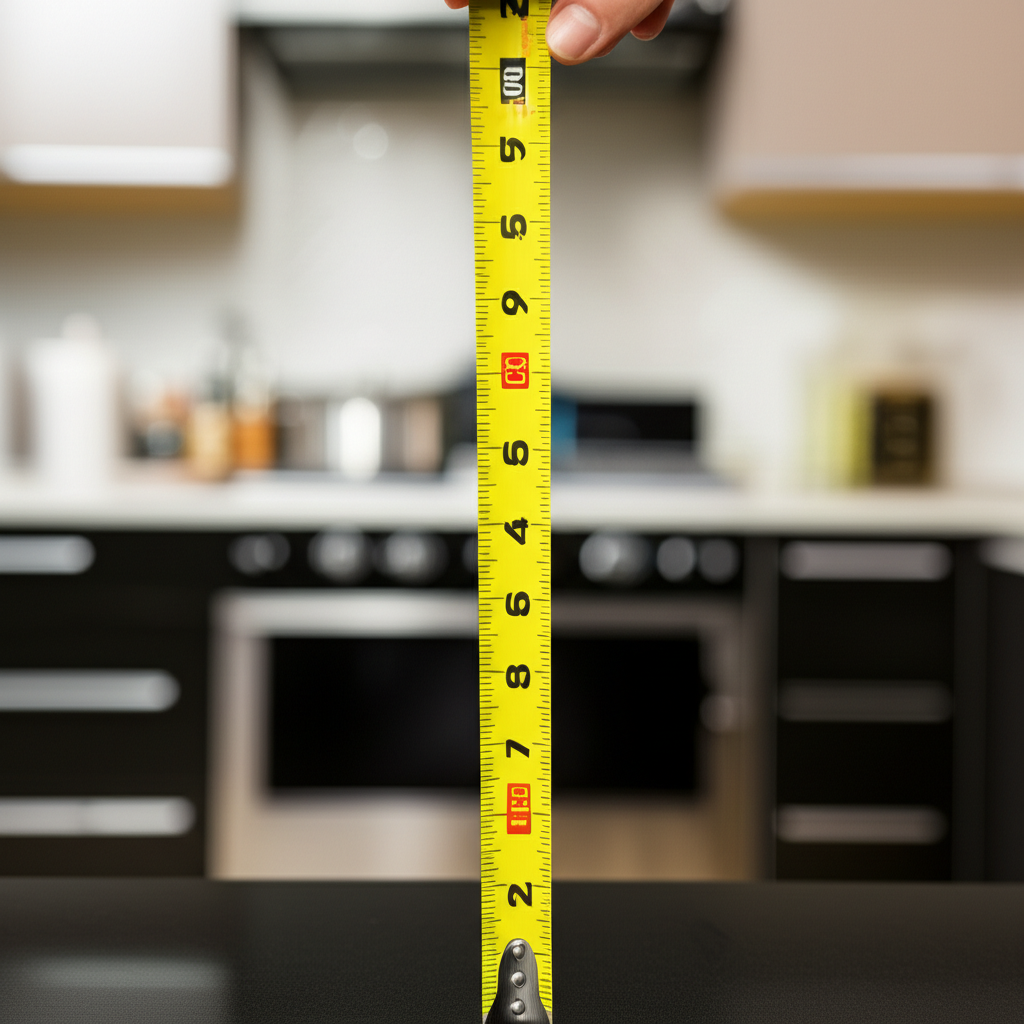
While there’s no official “custom standard,” here are some common adjustments people make:
- Lowered Counters: Many people find heights between 30 and 34 inches very comfortable for general prep work.
- Raised Counters: For taller individuals, heights up to 38 or even 40 inches might be preferred.
When planning custom heights, it’s often recommended to experiment. Try working at different temporary heights (e.g., using sturdy boxes or furniture) to get a feel for what works best for your body and your cooking style.
Understanding Cabinet and Countertop Thickness
The 36-inch standard countertop height is typically achieved by combining the height of the base cabinets with the thickness of the countertop material. This is an important detail to consider, especially if you’re planning new installations or modifications.
Base Cabinet Height
Standard base cabinets (the boxes that sit on the floor and support the countertop) usually have a height of 34.5 inches. This measurement is for the cabinet box itself, before any countertop is attached. These cabinets are designed to sit on adjustable legs or a toe kick, allowing for minor leveling adjustments.
Countertop Thickness
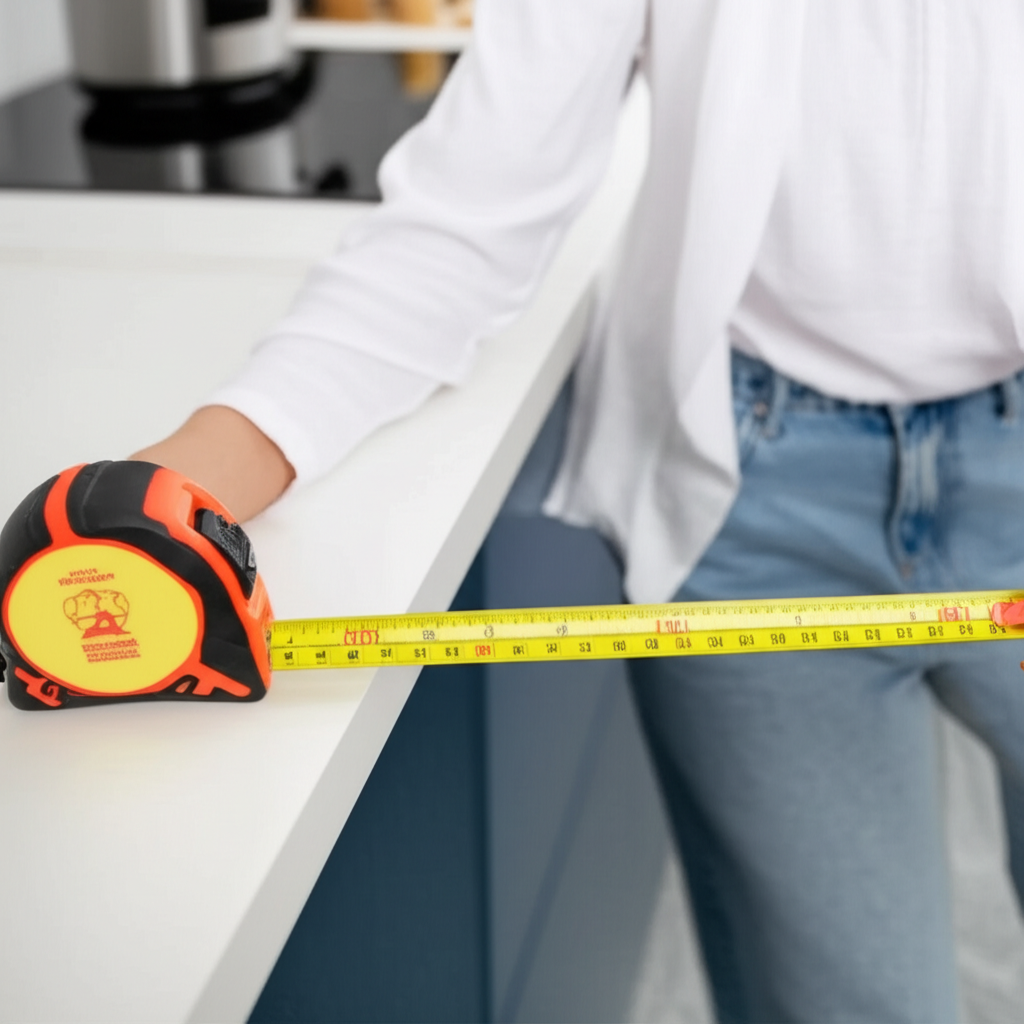
The thickness of your countertop material adds to the overall height. Common countertop thicknesses include:
- 1.5 inches (3.8 cm): This is the most common thickness for materials like granite, quartz, and marble, bringing the total height to 36 inches when combined with standard 34.5-inch base cabinets.
- 2 inches (5 cm) or more: Thicker slabs are often used for a more substantial, luxurious look, particularly with natural stones like granite or quartzite. These will naturally increase the overall countertop height.
- 3/4 inch (2 cm) or less: Thinner materials, often used for laminate or sometimes for specific edge profiles, will result in a lower overall countertop height unless the base cabinets are adjusted accordingly.
The combination of cabinet height and countertop thickness is key to achieving the desired final countertop height. If you’re using thicker countertops, you might need to opt for shorter base cabinets or plan for adjustments to maintain the standard 36-inch height.
A Table of Standard Kitchen Dimensions
To help visualize how countertop height fits into the broader kitchen design, here’s a table of common standard dimensions:
| Kitchen Component | Standard Height/Depth | Typical Measurement |
|---|---|---|
| Base Cabinets (Box Height) | Height | 34.5 inches (87.6 cm) |
| Countertop (Finished Height) | Height | 36 inches (91.4 cm) |
| Countertop Thickness | Thickness | 1.5 inches (3.8 cm) |
| Toe Kick Height (Base Cabinets) | Height | 4.5 inches (11.4 cm) |
| Toe Kick Depth (Base Cabinets) | Depth | 4 inches (10.2 cm) |
| Standard Base Cabinet Depth | Depth | 24 inches (61 cm) |
| Standard Wall Cabinet Depth | Depth | 12 inches (30.5 cm) |
| Space Between Countertop and Wall Cabinets | Height | 18 inches (45.7 cm) |
This table provides a quick reference for how various elements in your kitchen are typically dimensioned. Understanding these standards can be very helpful when planning renovations or simply assessing your current kitchen’s layout.
Kitchen Work Zones and Countertop Height
The concept of “kitchen work zones” is fundamental to efficient kitchen design. Each zone is dedicated to a specific task, and the height of the countertop within these zones can be optimized for comfort and productivity.
The Main Zones:
- The Prep Zone: This is where most of the chopping, dicing, and mixing happens. A standard 36-inch height is generally ideal here, allowing for good posture while working. However, as discussed, bakers might prefer a slightly lower surface.
- The Cooking Zone: This includes your stovetop or oven. Countertop height here needs to be safe and accessible for using pots and pans. Some specialized ranges have integrated cooktops that sit flush with the counter, so the countertop height is critical for a seamless transition.
- The Cleaning Zone: Centered around the sink. The 36-inch height is usually comfortable for washing dishes, but if you spend a lot of time at the sink, you might consider a slightly lower section or a built-in cutting board that extends over a portion of the sink.
- The Storage Zone: While not directly related to countertop height, the accessibility of cabinets and drawers near work zones is important.
Designing with work zones in mind means thinking about the flow of tasks. For example, having a spacious prep area next to the refrigerator and then flowing to the stove makes cooking more intuitive. The countertop height within each zone contributes to this ergonomic flow.
Common Kitchen Countertop Height Myths Debunked
As with many home design topics, there are a few common myths surrounding kitchen countertop heights. Let’s clear a few up:
- Myth 1: All kitchens have 36-inch countertops. While this is the standard in the US, many older homes or custom builds might deviate. It’s always best to measure your own space.
- Myth 2: You can’t change countertop height without a full renovation. While replacing countertops is a significant undertaking, sometimes minor adjustments can be made by altering the cabinet base or using thicker/thinner countertop materials. However, a complete overhaul is often needed for substantial changes.
- Myth 3: Countertop height doesn’t really matter for comfort. This is a big one! As we’ve explored, ergonomics play a huge role. Working at an incorrect height can lead to chronic pain and reduced enjoyment of your kitchen.
- Myth 4: ADA compliance means all countertops must be lower. The ADA guidelines for accessible kitchens recommend specific lower heights (often 34 inches maximum) for at least one work surface, but they don’t mandate that all countertops be lowered. It’s about providing accessible options. You can find detailed guidelines on the ADA website.
Understanding the facts helps you make informed decisions about your kitchen space.
Frequently Asked Questions (FAQs) About Kitchen Countertop Height
Q1: What is the standard kitchen countertop height in the UK?
A1: The standard kitchen countertop height in the UK is typically around 90 cm (approximately 35.4 inches), which is very close to the US standard of 36 inches.
Q2: Can I have different countertop heights in my kitchen?
A2: Absolutely! Many modern kitchens incorporate varied countertop heights for specific tasks or to accommodate different users. For example, a lower section for baking or a higher island for casual dining.
Q3: How do I know if my countertops are too high or too low for me?
A3: Pay attention to how your body feels while working. If you consistently feel back strain, shoulder ache, or wrist fatigue, your countertops might not be at an optimal height for you. Ideally, your elbows should be at about a 90-degree angle when your hands are resting on the counter.
Q4: What if my base cabinets are a different height than 34.5 inches?
A4: If your base cabinets are shorter or taller, you’ll need to account for that difference when considering your countertop height. For example, if your cabinets are 33 inches tall, and you use a 1.5-inch thick countertop, your total height will be 34.5 inches, which is lower than the standard.
Q5: Does countertop material affect its height?
A5: Yes, the thickness of the countertop material directly impacts the final height. Thicker materials like 2-inch granite will result in a higher finished counter compared to a 3/4-inch laminate, assuming the base cabinets are the same height.
Q6: Is 36 inches the best height for everyone?
A6: While 36 inches is a good average, it’s not universally perfect. Taller or shorter individuals, or those with specific physical needs, often find custom heights more comfortable and ergonomic.
Q7: How can I make my existing countertops feel more comfortable if the height isn’t ideal?
A7: For minor discomfort, you can try using anti-fatigue mats to slightly raise your standing height, or ensure you have comfortable, supportive shoes. If the issue is significant, consider if a thicker or thinner backsplash could make a small difference, or consult a professional about potential cabinet modifications.
Conclusion: Finding Your Kitchen’s Perfect Height
So, to circle back to our initial question: how high is a kitchen countertop? The standard is 36 inches, a thoughtfully chosen height designed for the average person. But the real revelation is that your kitchen can, and perhaps should, be tailored to your needs and comfort.
Whether you’re a seasoned baker who kneads dough for hours, a busy parent juggling meal prep, or simply someone who wants to feel more at ease in their home, understanding countertop height is a key step to a more functional and enjoyable kitchen. Don’t be afraid to measure, assess your own comfort, and consider if a slight adjustment – or even a more significant one during a renovation – could transform your cooking experience.
Your kitchen is the heart of your home, and making it work perfectly for you is a rewarding endeavor. Happy cooking!
