
Got gnats in your kitchen? Don’t worry! You can reclaim your clean, peaceful space with these simple, effective methods. This guide offers easy-to-follow steps to banish those tiny pests and keep your kitchen gnat-free.
It’s a frustrating sight: those tiny, buzzing insects hovering around your fruit bowl or sink. Gnats can seem to appear out of nowhere, turning a serene kitchen into an annoying battleground. But don’t despair! Dealing with gnats doesn’t require complicated solutions or harsh chemicals. With a few straightforward strategies and a little bit of know-how, you can effectively eliminate gnats and enjoy a pest-free kitchen once again. We’ll walk you through exactly what to do, step by step, to make your kitchen a gnat-free sanctuary.
Understanding the Enemy: Why Are Gnats in My Kitchen?
Before we dive into the solutions, it’s helpful to understand why these tiny invaders are attracted to your kitchen in the first place. Gnats, often referred to as fruit flies or fungus gnats, are primarily drawn to moisture and decaying organic matter. Think of them as nature’s tiny cleanup crew, but one you definitely don’t want inside your home.
Common culprits include:
- Overripe or Spoiled Produce: Fruits and vegetables left on countertops, especially those with soft spots or bruises, are a gnat’s favorite buffet.
- Damp Areas: Kitchen sinks, drains, garbage disposals, and even damp sponges or dishcloths can provide breeding grounds.
- Trash Cans: Food scraps in your kitchen bin, especially if not emptied regularly, are a magnet for gnats.
- Dirty Dishes: Leftover food particles on dirty dishes, particularly in the sink, are a prime attraction.
- Houseplants: Overwatered soil in houseplants can harbor fungus gnats, which can then venture into the kitchen.
- Spills and Residue: Sticky spills on countertops or floors, like juice or soda, can attract gnats.
Understanding these attractants is the first, crucial step in preventing and eliminating a gnat infestation. By removing their food sources and breeding sites, you’re already halfway to a gnat-free kitchen.
Your Step-by-Step Gnat Elimination Plan
Ready to take back your kitchen? Follow these simple steps to effectively get rid of gnats.
Step 1: The Great Kitchen Purge – Remove the Food Sources
This is the most critical step. You need to eliminate everything that’s attracting them.
- Inspect Your Produce: Go through your fruit bowl and pantry. Discard any overripe, bruised, or rotting fruits and vegetables. Store ripe produce in the refrigerator until you’re ready to eat it.
- Clean Up Spills Immediately: Wipe down countertops, tables, and floors. Pay attention to sticky spots from juice, soda, or other sugary liquids.
- Address Trash and Compost: Empty your kitchen trash can and compost bin daily, or at least every other day. Rinse out the bins if they have any residue. Consider using bins with tight-fitting lids.
- Wash Dirty Dishes Promptly: Don’t leave dirty dishes in the sink or dishwasher for extended periods. Rinse them thoroughly if you can’t wash them right away.
- Check Your Drains: Pouring boiling water down your kitchen sink and garbage disposal can help kill any gnat eggs or larvae lurking there. A mixture of baking soda and vinegar followed by hot water is also effective. For a deeper clean, you can use a drain cleaner designed for organic buildup.
- Manage Houseplants: If you suspect your houseplants are the source, allow the top inch or two of soil to dry out between waterings. You can also gently scrape off the top layer of soil and replace it with fresh soil.
Step 2: DIY Gnat Traps – Nature’s Sweet Solution

Once you’ve removed their food sources, it’s time to catch the remaining gnats. These DIY traps are incredibly effective and easy to make.
Apple Cider Vinegar Trap (The Classic!)
This is the go-to method for many, and for good reason! The sweet scent of apple cider vinegar attracts gnats, and the dish soap breaks the surface tension, causing them to drown.
What You’ll Need:
- A small bowl or jar
- Apple cider vinegar (ACV)
- A few drops of liquid dish soap
- Plastic wrap or a piece of paper
- A rubber band or tape
- A toothpick or fork
Instructions:
- Pour about an inch of apple cider vinegar into your bowl or jar.
- Add a few drops of liquid dish soap. Stir gently to combine.
- Cover the opening tightly with plastic wrap and secure it with a rubber band.
- Alternatively, roll a piece of paper into a cone shape, leaving a small opening at the tip, and tape it securely. Place this cone, tip down, into the bowl so it doesn’t touch the liquid. Secure the edges of the cone to the rim of the bowl with tape.
- Use a toothpick or fork to poke a few small holes in the plastic wrap. If using the paper cone, the small opening at the tip is sufficient.
- Place these traps in areas where you see the most gnat activity, such as near fruit bowls, sinks, or trash cans.
The gnats will fly into the trap through the holes but will be unable to escape. The dish soap ensures they sink and drown.
Fruit Trap (For the Extra Sweet Tooth)
If you have a piece of fruit that’s a little too far gone, you can use it as bait.
What You’ll Need:
- A small piece of very ripe or slightly overripe fruit (banana, peach, etc.)
- A jar or bowl
- Plastic wrap
- Rubber band
- Toothpick
Instructions:
- Place the piece of fruit in the bottom of the jar or bowl.
- Cover the opening tightly with plastic wrap and secure with a rubber band.
- Poke a few small holes in the plastic wrap with a toothpick.
- Place these traps where gnats are a problem.
This works on the same principle as the ACV trap, luring gnats in with the scent of the decaying fruit.
Step 3: Drain Defense – Tackling the Hidden Nests
Drains are a common, often overlooked, breeding ground for gnats, especially fungus gnats.
- Boiling Water Flush: As mentioned earlier, regularly pouring boiling water down your kitchen sink and garbage disposal can help dislodge and kill eggs and larvae. Do this at least once a week.
- Baking Soda and Vinegar: For a more thorough clean, pour about half a cup of baking soda down the drain, followed by a cup of white vinegar. Let it fizz for about 10-15 minutes, then flush with hot water.
- Commercial Drain Cleaners: If the problem persists, consider using a biological drain cleaner that specifically targets organic buildup. These are generally safer and more effective than harsh chemical cleaners. Always follow product instructions carefully. You can find these at most home improvement or grocery stores.
- Clean the Garbage Disposal: Run your garbage disposal with cold water and some ice cubes. You can also grind up citrus peels (like lemon or orange) to help clean and freshen it.
Step 4: Prevention is Key – Keeping Them Out for Good
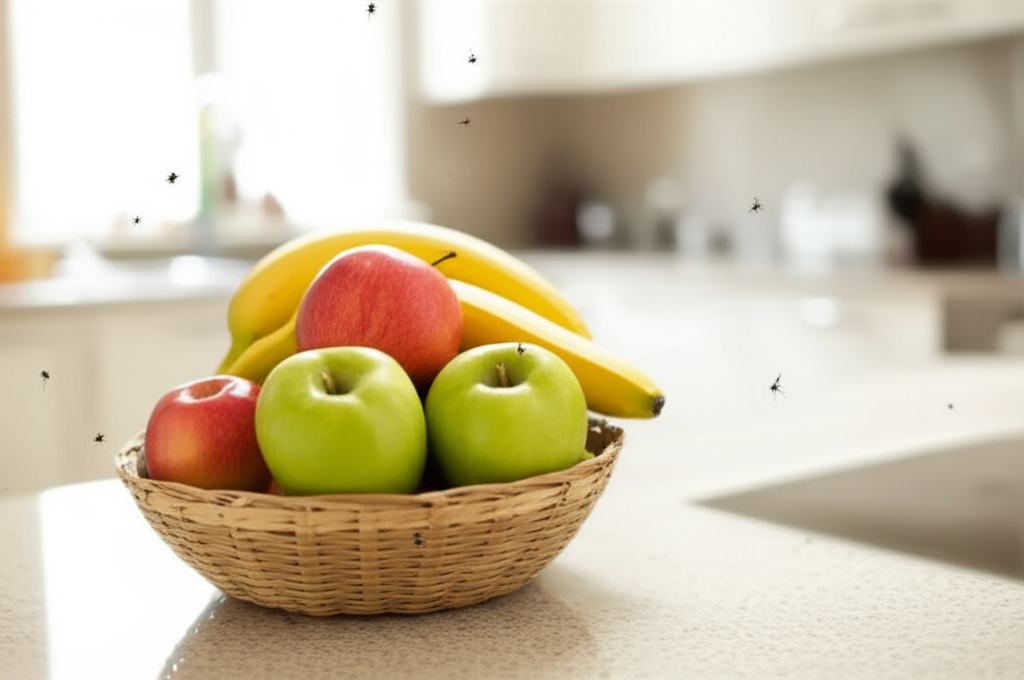
Once you’ve got the gnat population under control, it’s time to focus on preventing their return.
- Maintain Cleanliness: Regularly wipe down surfaces, clean up spills immediately, and keep your kitchen tidy.
- Proper Produce Storage: Store fruits and vegetables in the refrigerator or in sealed containers on the counter if they are not yet ripe.
- Secure Your Trash: Use bins with tight-fitting lids and empty them frequently. Rinse bins regularly.
- Drain Maintenance: Continue with regular drain cleaning routines.
- Check for Leaks: Ensure there are no leaky pipes or faucets that could create damp environments.
- Inspect Houseplants: Avoid overwatering your plants and monitor for any signs of pests.
Gnat Trap Comparison: Which Method is Best?
Let’s break down the effectiveness of common gnat traps.
| Trap Type | Pros | Cons | Effectiveness |
|---|---|---|---|
| Apple Cider Vinegar Trap | Easy to make, inexpensive, uses common household items, effective for fruit flies. | Can be messy if knocked over, might not catch all types of gnats. | High |
| Fruit Trap | Uses a natural attractant, simple to set up. | Can attract more gnats initially, might not be as potent as ACV for some species. | Moderate to High |
| Commercial Gnat Traps (e.g., sticky traps) | Convenient, often designed for specific pests, can be discreet. | Can be more expensive, may contain adhesives that aren’t ideal for all kitchens. | Moderate to High |
For most kitchen gnat problems, the Apple Cider Vinegar trap remains a top-tier, budget-friendly, and highly effective solution.
Dealing with Specific Gnat Types
While many methods work for a variety of small flying insects, knowing the type of gnat can sometimes refine your approach.
Fruit Flies (Drosophila melanogaster)
These are the most common culprits. They are attracted to fermenting fruits and vegetables. The ACV trap is particularly effective against them.
Fungus Gnats
These gnats are typically found around houseplants, but can also thrive in damp areas like sinks and drains. They feed on fungi and organic matter. Keeping soil dry and cleaning drains are key. You might also see them hovering near window panes.
Drain Flies
These are fuzzy-looking gnats that often congregate around sinks, showers, and other moist areas with organic buildup. Their lifecycle is tied to the slime found in drains. Regular drain cleaning is paramount.
Natural & Chemical Solutions: What to Consider
While DIY traps and good hygiene are your first line of defense, here’s a quick look at other options:
- Essential Oils: Some people find that certain essential oils, like peppermint or eucalyptus, can help deter gnats. You can add a few drops to water in a spray bottle or to your DIY traps.
- Commercial Sprays: If the infestation is severe and persistent, you might consider an insect spray specifically labeled for flying insects or gnats. Always follow label instructions carefully and ensure the product is safe for use in a kitchen environment, especially near food preparation areas. For more information on safe pest control practices, the Environmental Protection Agency (EPA) provides helpful resources on their website, focusing on integrated pest management (IPM) strategies.
- Sticky Traps: These are readily available and can be placed discreetly around the kitchen. They work by attracting gnats to a sticky surface where they become trapped.
Remember to prioritize the least toxic methods first, especially in the kitchen.
Frequently Asked Questions about Kitchen Gnats
Q1: How quickly can I get rid of gnats?
A1: With consistent application of the methods described, you can see a significant reduction in gnats within 24-48 hours. Complete elimination might take a few days as all life stages (eggs, larvae, adults) are addressed.
Q2: Are kitchen gnats dangerous?
A2: While annoying and unhygienic, kitchen gnats are generally not considered dangerous to humans or pets. They don’t bite and their primary risk is the potential spread of bacteria from unsanitary surfaces.
Q3: Can gnats come from my sink drain?
A3: Yes, drain flies and fungus gnats often breed in the organic matter that accumulates in sink drains and garbage disposals. Keeping drains clean is vital.
Q4: What if the apple cider vinegar trap isn’t working?
A4: Ensure you’ve used a few drops of dish soap, as this is crucial for breaking surface tension. Also, make sure your trap is placed close to the gnat activity and that you’ve removed all other potential food sources from your kitchen.
Q5: How do I prevent gnats from coming back after I get rid of them?
A5: Consistent cleanliness is key! Regularly clean your kitchen, manage trash, store produce properly, and maintain clean drains. Addressing any moisture issues around your sink is also important.
Q6: Are store-bought gnat traps better than DIY?
A6: Both can be effective. DIY traps are cost-effective and use readily available materials. Store-bought traps might offer more convenience or be specifically formulated for certain types of gnats. The best approach often involves a combination.
A Clean Kitchen is a Gnat-Free Kitchen
Getting rid of gnats in your kitchen is entirely achievable with a proactive approach and consistent effort. By understanding what attracts them, you can implement a multi-pronged strategy that includes removing food sources, setting effective traps, and maintaining impeccable cleanliness.
Start by purging your kitchen of any overripe produce and cleaning up spills. Then, set up your DIY apple cider vinegar traps – they are a lifesaver! Don’t forget to give your drains some extra attention with boiling water or a baking soda and vinegar treatment.
Remember, the key to long-term success is prevention. Make it a habit to clean your kitchen regularly, store food properly, and manage your trash. With these simple steps, you can enjoy a peaceful, gnat-free kitchen that’s a joy to cook and gather in. Happy cleaning!
