
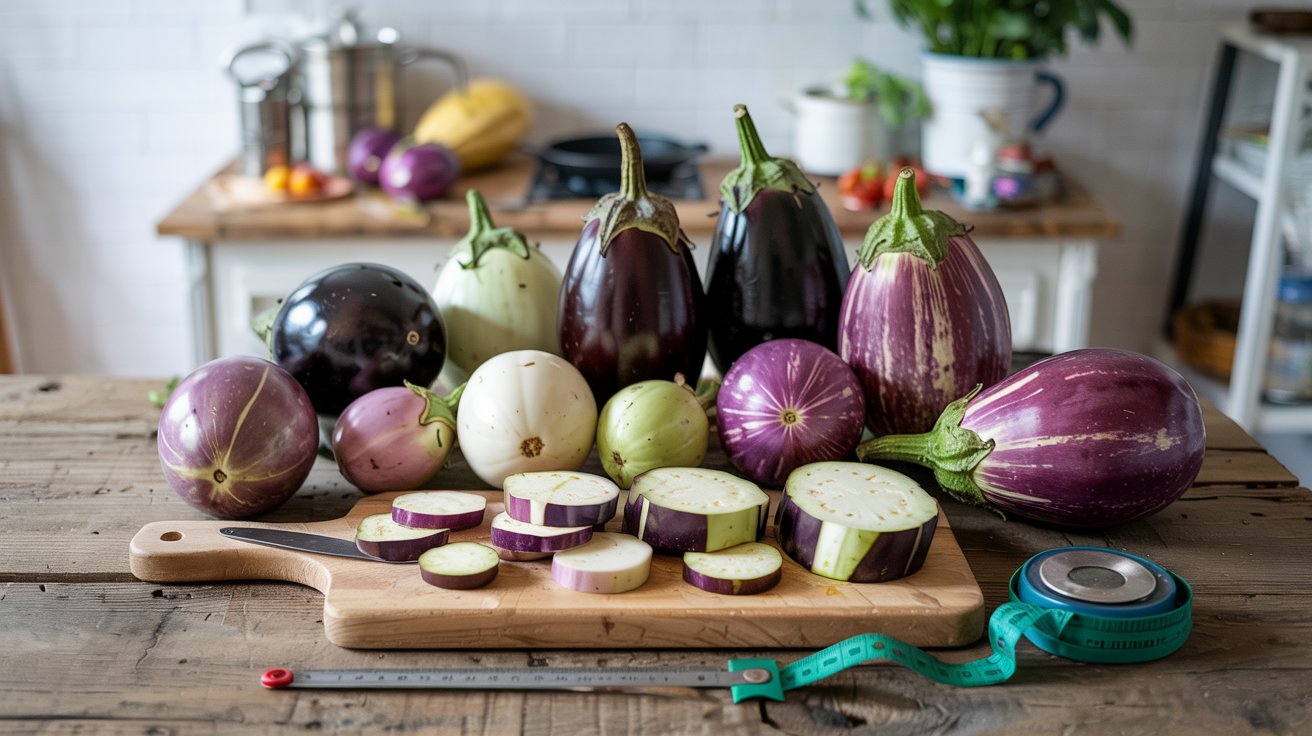
Are you confused about choosing the right eggplant size for your recipes? Whether you’re cooking a simple stir-fry or a fancy casserole, knowing the size of your eggplant can make all the difference.
This Eggplant Size Chart will help you pick the perfect one every time. By understanding the sizes and what they mean for cooking, you’ll save time, reduce waste, and get the best flavor on your plate. Keep reading to discover how to match eggplant sizes to your kitchen needs easily and confidently.
Eggplant Varieties
Eggplants come in many types, shapes, and colors. Each variety has its own size and look. Knowing these can help you pick the best one for cooking or gardening. Here is a closer look at the common eggplant varieties.
Common Types
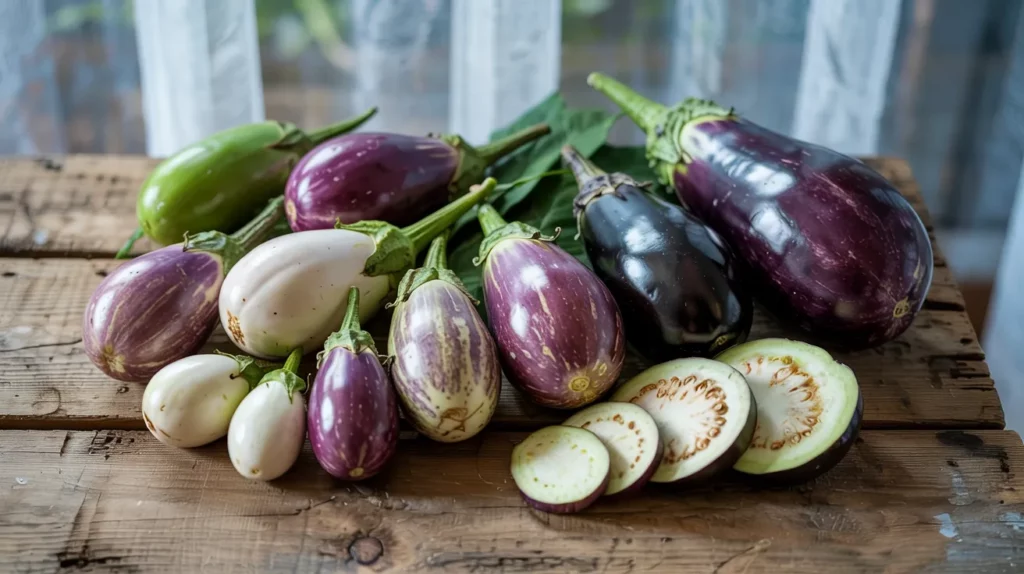
The most popular eggplant is the large, dark purple type. It grows long or round and weighs up to 2 pounds. Another common kind is the Italian eggplant, usually smaller with shiny skin. Asian eggplants are thinner and lighter in color. These types are easy to find in most markets.
Unique Shapes And Sizes
Eggplants do not only vary in color but also in shape. Some are small and oval, perfect for grilling or roasting. Others are long and slender, ideal for slicing in stir-fries. There are even tiny eggplants that fit in the palm of your hand. Each shape suits different recipes and uses.
Color Variations
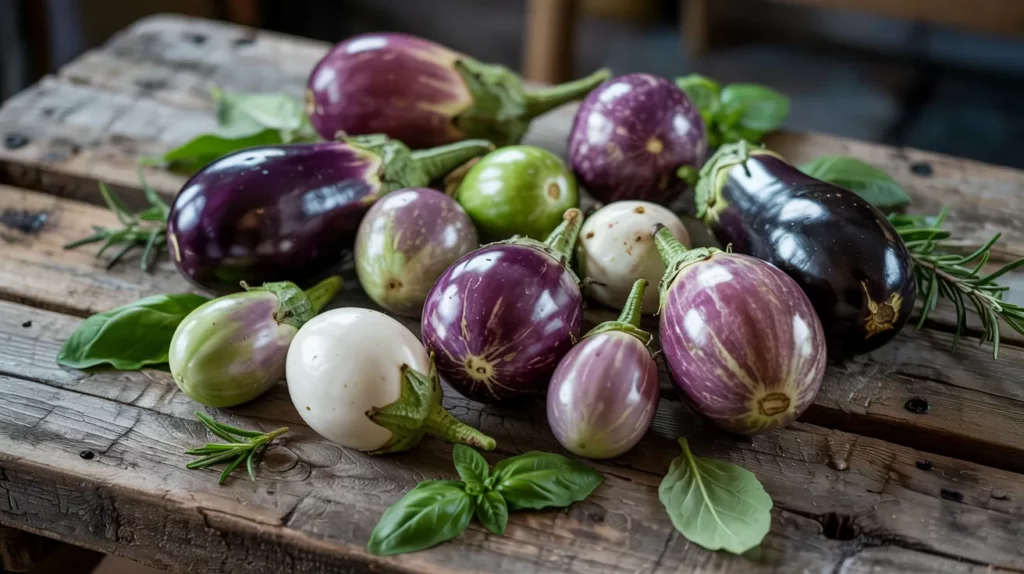
Eggplants come in a rainbow of colors beyond the usual purple. White eggplants have smooth, pale skin and a mild flavor. Green varieties look like large green peppers but taste similar to purple ones. Some eggplants show striped or speckled skins, adding beauty to dishes. Color can hint at slight taste differences too.
Measuring Eggplants
Measuring eggplants helps you choose the right size for your recipe. It also ensures consistent cooking and presentation. Accurate measurement is simple with a few easy tools. Understanding different ways to measure eggplants saves time and effort.
Length Techniques
Use a ruler or tape measure for length. Measure from the stem to the bottom tip. Record the length in inches or centimeters. Lay the eggplant flat on a surface. Straighten it gently to get an accurate measure.
Width And Circumference
Width shows how thick the eggplant is across its widest part. Use a ruler or caliper to measure width. For circumference, wrap a flexible tape around the eggplant. Measure around the middle section where it is widest. Write down the measurement in inches or centimeters.
Weight Considerations
Weight affects cooking time and portion size. Use a kitchen scale for accurate weight. Place the eggplant on the scale and read the number. Weight is usually measured in grams or ounces. Heavier eggplants often have more flesh and moisture.
Size Categories
Eggplants come in different sizes. Knowing these size categories helps in cooking and buying. Each size has unique uses and flavors. Here are the main size groups.
Small Eggplants
Small eggplants are usually 2 to 4 inches long. They have thin skin and fewer seeds. Their taste is sweeter and more delicate. Perfect for grilling or roasting whole. Small eggplants cook quickly and absorb flavors well.
Medium Eggplants
Medium eggplants measure about 5 to 7 inches. They have a balanced flavor and smooth texture. Common in many recipes like stews and casseroles. Medium size is easy to slice or cube. Suitable for frying, baking, and sautéing.
Large Eggplants
Large eggplants are over 7 inches long. They have thicker skin and more seeds. Their flesh is dense and firm. Best for stuffing or making dips like baba ganoush. Large eggplants hold shape well during cooking.
Choosing The Right Size
Choosing the right eggplant size can improve your cooking results and meal planning. Different sizes suit different recipes and servings. Small eggplants cook faster and are good for quick dishes. Larger eggplants offer more flesh, ideal for stuffing or baking. Understanding size helps pick the best eggplant for your needs.
Eggplant Size Chart
| Eggplant Size | Length (Average) | Weight Range | Best Uses |
|---|---|---|---|
| Small | 2–4 inches | 100–200 g (3–7 oz) | Grilling, roasting whole, stir-fries |
| Medium | 5–7 inches | 250–400 g (9–14 oz) | Frying, sautéing, casseroles, curries |
| Large | 8–12+ inches | 450–900 g (1–2 lbs) | Stuffing, baking, baba ganoush, large slices |
Cooking Methods By Size
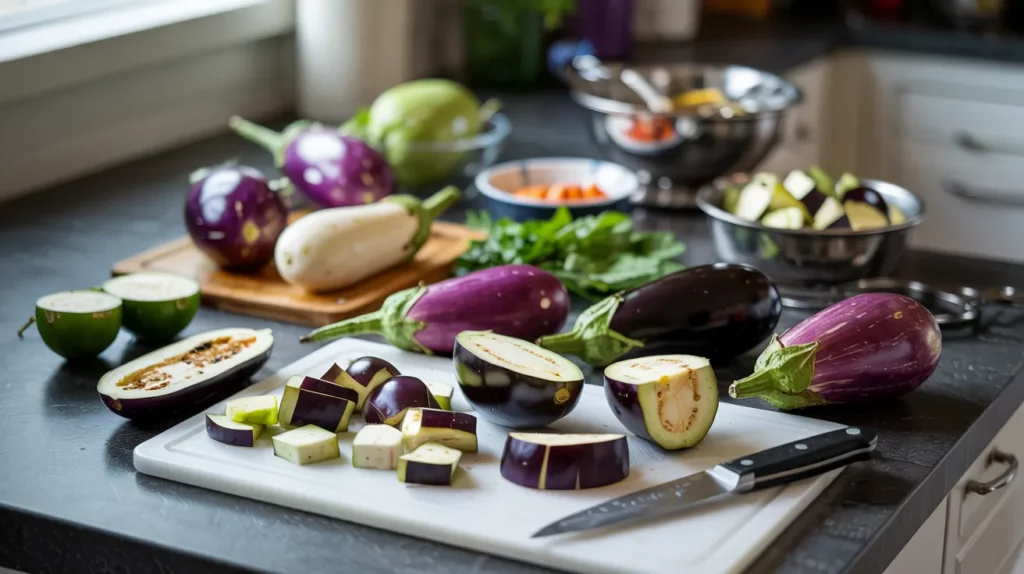
Small eggplants are perfect for grilling or roasting whole. Medium sizes work well for slicing and frying. Large eggplants are best for baking or making dips. Size affects cooking time and texture. Choose size based on how you want to prepare your dish.
Portion Control Tips
Small eggplants serve one or two people. Medium ones are great for three to four servings. Large eggplants can feed a family or be used for leftovers. Cut eggplant into equal pieces for even portions. Size helps manage how much you cook and eat.
Storage And Freshness
Smaller eggplants usually stay fresh longer than large ones. Keep eggplants in a cool, dry place or fridge. Use them within a few days for best taste. Avoid soft spots or wrinkles. Proper storage maintains size and quality for your recipes.
Growing For Size
Growing eggplants to a good size needs care and attention. Size depends on many things. Soil, water, and sunlight play big roles. Understanding these helps you get bigger fruits.
Eggplants grow best with the right environment. Let’s explore how to grow eggplants that reach their full size.
Optimal Growing Conditions
Eggplants like warm weather. They need temperatures between 70°F and 85°F. Cooler weather slows growth. Sunlight is important too. At least six hours of sun daily helps fruits grow big and healthy. Soil should be loose and rich. Well-drained soil stops roots from rotting. Adding compost gives nutrients that eggplants need.
Fertilization And Watering
Fertilize eggplants well for bigger fruits. Use balanced fertilizer with nitrogen, phosphorus, and potassium. Feed plants every 3-4 weeks. Watering is also key. Keep soil moist but not wet. Too much water can cause disease. Water deeply to help roots grow strong. Mulch helps keep soil moist and cool.
Harvest Timing
Harvest at the right time for best size. Pick eggplants when skin is shiny and firm. Overripe fruits get dull and soft. Check size often during growth. Harvesting too early means smaller fruits. Waiting too long lowers quality. Using a sharp knife helps avoid plant damage.
Eggplant Size In Recipes
Eggplant size plays a big role in cooking. Recipes often list specific sizes or weights. Using the right size helps keep the dish balanced. It affects cooking time and flavor. Knowing how to adjust for different sizes is useful. This guide helps you use eggplants in recipes with ease.
Adjusting For Different Sizes
Eggplants come in many sizes, from small to large. If your eggplant is bigger, cut it into smaller pieces. Smaller eggplants may need to be combined to match the recipe. Watch cooking times closely. Larger pieces take longer to cook through. Smaller pieces cook faster and can burn if not watched.
Substitution Guidelines
Use weight as a guide when substituting eggplants. If the recipe calls for one medium eggplant, use about 1 pound. Two small eggplants can replace one medium. One large eggplant might equal two mediums. Keep texture in mind. Firmer eggplants work better in some dishes. Soft ones are good for purees or dips.
Presentation Tips
Size affects how eggplant looks on the plate. Small eggplants make great whole roasted dishes. Medium ones slice nicely for grilling or frying. Large eggplants work well for stuffing recipes. Cut pieces evenly for a neat look. Removing seeds can improve appearance and taste. Bright purple skin adds color to any dish.
Frequently Asked Questions
What Are The Common Eggplant Sizes And Shapes?
Eggplants vary from small, round varieties to large, elongated types. Sizes range from 2 to 12 inches, affecting cooking uses and portion sizes. Recognizing these sizes helps in recipe planning and proper ingredient selection for dishes.
How To Measure Eggplant Size Accurately?
Use a ruler or measuring tape to measure length from stem to tip. For diameter, measure the widest part. Accurate size measurement assists in choosing the right eggplant for recipes and ensures consistent cooking results.
Does Eggplant Size Affect Cooking Time?
Yes, larger eggplants take longer to cook than smaller ones. Smaller eggplants cook faster and are tenderer, ideal for quick recipes. Adjust cooking times based on size to achieve the best texture and flavor.
Why Is Eggplant Size Important For Recipes?
Eggplant size influences cooking methods and portion control. Small eggplants suit grilling or roasting, while large ones work well for stuffing or baking. Understanding size helps optimize texture, taste, and presentation in dishes.
Conclusion
Eggplants come in many sizes, shapes, and colors. Knowing their size helps with cooking and buying. Small eggplants cook faster and taste sweeter. Larger ones are great for stuffing or grilling. Use the size chart to pick the right eggplant.
This makes your meals better and easier to prepare. Remember, fresh eggplants are firm and shiny. Keep these tips in mind for your next recipe. Enjoy cooking with the perfect eggplant every time!
