
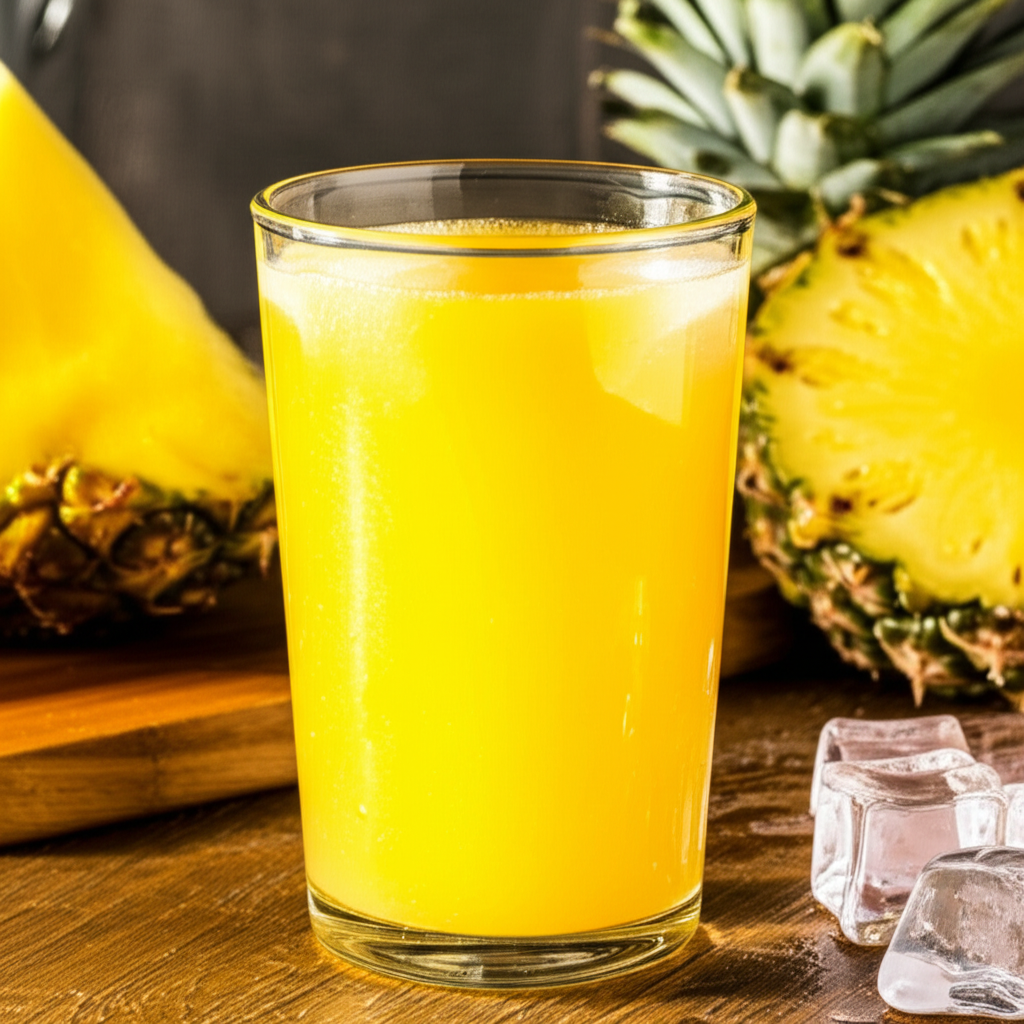
Yes, pineapple juice does spoil, and it’s crucial to know how to tell when it’s no longer safe to drink. Proper storage and understanding its shelf life are key to enjoying its sweet, tangy goodness without any worries.
Ever grabbed that carton of pineapple juice from the fridge, took a sip, and wondered, “Is this still good?” It’s a common question, especially when you’re aiming for a healthy and delicious way to hydrate or enjoy a tropical treat. The vibrant, sunny color and refreshing taste of pineapple juice can sometimes mask the subtle signs of spoilage. But don’t worry! We’re here to demystify the shelf life of your favorite tropical drink. You’ll learn exactly how to keep it fresh and when it’s time to say goodbye. Let’s dive into the simple steps to ensure your pineapple juice is always perfectly palatable and safe.
The Shocking Truth: Does Pineapple Juice Spoil?
The short answer is a resounding yes. Like all fresh produce and homemade beverages, pineapple juice is susceptible to spoilage. The natural enzymes and sugars present in pineapple are a feast for microorganisms, such as bacteria and yeast, once the fruit is processed. These tiny invaders can cause the juice to ferment, develop off-flavors, and potentially become harmful if consumed past its prime.
Understanding when pineapple juice spoils is essential for your health and enjoyment. It’s not just about the taste; it’s about preventing foodborne illnesses. Luckily, recognizing the signs of spoilage is quite straightforward, and with proper storage, you can significantly extend its freshness.
Understanding Pineapple Juice: From Fruit to Fridge
Pineapple juice is derived from the tropical pineapple fruit, known for its sweet, tart flavor and a wealth of nutrients. When you juice a pineapple, you’re extracting its liquid goodness, which includes vitamins, minerals, and natural sugars. This process, while delicious, also removes the protective skin and cellular structure of the whole fruit, making the juice more vulnerable to degradation.
Freshly squeezed pineapple juice is a powerhouse of:
- Vitamin C: A potent antioxidant that supports your immune system.
- Manganese: Essential for bone health and metabolism.
- Bromelain: An enzyme found in pineapple that may aid digestion and reduce inflammation. You can learn more about bromelain’s benefits on the National Institutes of Health (NIH) website.
However, these beneficial components also make the juice an ideal environment for microbial growth once exposed to air and time. This is why knowing its shelf life is so important.
Factors Affecting Pineapple Juice Shelf Life
Several factors influence how long your pineapple juice will remain fresh and safe to drink. Understanding these can help you make informed decisions about consumption and storage.
1. Processing Method
- Freshly Squeezed/Homemade: This type of juice has the shortest shelf life. It contains all the natural enzymes and sugars without preservatives, making it highly perishable.
- Pasteurized Juice: Commercially produced juices are often pasteurized, a process that heats the juice to kill harmful bacteria and extend its shelf life. This juice is shelf-stable until opened.
2. Storage Conditions
- Refrigeration: Keeping juice consistently cold is the most critical factor in slowing down microbial growth.
- Air Exposure: Once opened, juice is exposed to oxygen, which can accelerate spoilage and oxidation, affecting flavor and quality.
- Container Type: Airtight containers are best for preserving freshness.
3. Additives and Preservatives
Commercial juices may contain preservatives that inhibit bacterial growth and extend shelf life. Homemade juices typically do not have these, making them more prone to spoiling quickly.
How Long Does Pineapple Juice Last? A Simple Guide
The duration of freshness for pineapple juice varies significantly depending on whether it’s homemade or store-bought, and whether it’s been opened.
Homemade Pineapple Juice
This is the most delicate. Once you’ve juiced your fresh pineapple:
- Refrigerated: Store in an airtight container in the refrigerator. It’s best consumed within 2 to 3 days.
- Freezing: For longer storage, freeze it in airtight containers or ice cube trays. Frozen juice can last for several months, but its quality (flavor and texture) may degrade over time.
Store-Bought (Unopened)
Unopened, commercially produced pineapple juice is usually pasteurized and shelf-stable. It will have a “best by” or “expiration” date on the packaging. Always check this date. Generally, it can last for:
- Shelf Stable: Until the expiration date printed on the package, when stored in a cool, dry place.
Store-Bought (Opened)
Once opened, the clock starts ticking for both homemade and store-bought juices.
- Refrigerated: Opened, pasteurized pineapple juice should be consumed within 5 to 7 days when stored properly in the refrigerator.
- Homemade Opened: As mentioned, aim for 2 to 3 days maximum.
It’s important to note that these are general guidelines. Always rely on your senses to check for signs of spoilage.
Signs Your Pineapple Juice Has Spoiled
Trust your senses! Your eyes, nose, and even your taste buds can tell you if pineapple juice is no longer good to drink. Here are the tell-tale signs:
1. Visual Clues
- Cloudiness or Sediment: While some natural pulp is normal, excessive cloudiness or unusual sediment that settles at the bottom might indicate microbial activity.
- Mold: Any visible fuzzy spots or discoloration (green, black, white) on the surface is a clear sign of mold and that the juice has spoiled.
- Color Change: A significant darkening or unusual tint could be a sign of oxidation or spoilage.
2. Olfactory Clues (Smell)
This is often the most reliable indicator.
- Sour or Fermented Smell: Fresh pineapple juice has a sweet, slightly tart aroma. If it smells sour, vinegary, or like alcohol (fermentation), it has spoiled.
- Unpleasant Odor: Any smell that seems “off” or generally unpleasant is a red flag.
3. Gustatory Clues (Taste)
If the visual and olfactory checks are inconclusive, a tiny sip can confirm.
- Sour or Bitter Taste: Fresh pineapple juice is sweet and tangy. If it tastes sour, bitter, or fizzy when it shouldn’t be, discard it immediately.
- “Off” Flavor: Any taste that deviates from the expected sweet, tropical flavor is a sign of spoilage.
4. Packaging and Texture Changes
- Bulging Container: For store-bought juices, a can or carton that is bulging or leaking is a sign of gas production from bacterial activity, indicating spoilage.
- Foamy or Fizzy: If the juice is unusually foamy or fizzy when you open it (and it’s not a sparkling variety), it likely means fermentation has occurred.
When in doubt, throw it out! It’s never worth the risk of getting sick.
Proper Storage: Keeping Your Pineapple Juice Fresh
Storing pineapple juice correctly is key to maximizing its freshness and safety. Here’s how to do it right:
For Homemade Pineapple Juice
- Juice Fresh: Consume homemade juice as soon as possible after juicing for the best flavor and nutrient profile.
- Cool Down Quickly: If you’re not drinking it immediately, let it cool down slightly before transferring it to a container.
- Airtight Container is Key: Use glass jars or BPA-free plastic containers with tight-fitting lids. This minimizes air exposure.
- Fill to the Top: To reduce headspace (air inside the container), fill the container as close to the brim as possible.
- Refrigerate Promptly: Store the container in the coldest part of your refrigerator, usually the back.
- Label and Date: Always label your juice with the date it was made so you can track its freshness.
- Consider Freezing: If you’ve made a larger batch and can’t drink it within 2-3 days, freeze it. Ice cube trays are great for portioning, or use freezer-safe bags or containers.
For Store-Bought Pineapple Juice
- Unopened: Store in a cool, dry pantry away from direct sunlight and heat.
- Opened:
- Seal the container tightly immediately after pouring.
- Refrigerate promptly.
- Store in the coldest part of the fridge.
- Avoid storing it in the refrigerator door, where temperatures fluctuate more.
When is Pineapple Juice NOT a Good Idea?
While pineapple juice is often celebrated for its health benefits, there are certain situations where it might not be the best choice, or where you need to be extra cautious.
1. Sensitive Stomachs and Digestive Issues
Pineapple juice is acidic and contains bromelain, which can be beneficial for digestion but can also cause issues for some individuals.
- Acid Reflux/GERD: The acidity can trigger or worsen symptoms of heartburn and acid reflux.
- Sensitive Stomachs: Some people may experience stomach upset, nausea, or diarrhea, especially if they consume large quantities.
- Ulcers: The acidity might irritate existing ulcers.
If you have these conditions, it’s often recommended to dilute the juice with water or avoid it altogether. Consulting with a healthcare provider or registered dietitian can provide personalized advice.
2. Post-Surgery (e.g., Wisdom Teeth Removal)
While bromelain’s anti-inflammatory properties might seem beneficial after dental surgery, the acidity and potential for irritation make fresh pineapple juice a risky choice. It can irritate the surgical sites, increase bleeding, and the fine pulp could get lodged in the wounds. It’s best to stick to softer, less acidic options like water, milk, or yogurt as recommended by your dentist.
3. Diabetic Considerations
Pineapple juice is high in natural sugars. Individuals with diabetes should consume it in moderation and monitor their blood glucose levels. Diluting it with water or opting for whole pineapple (which has more fiber) can be better choices.
Can You Use Spoiled Pineapple Juice for Anything?
Once pineapple juice has spoiled, it’s best to discard it. Consuming spoiled juice can lead to unpleasant symptoms like nausea, vomiting, and diarrhea due to the presence of harmful bacteria or the byproducts of fermentation. There are no safe or practical uses for spoiled juice.
However, if your pineapple juice is simply past its prime for drinking but hasn’t visibly spoiled (e.g., slightly less flavorful or a day or two past the recommended homemade window), some people might consider using it in recipes where it will be cooked thoroughly, like marinades or baked goods. The heat might kill some bacteria, but this is generally not recommended as a standard practice, and it’s still wise to err on the side of caution and discard anything that smells or looks suspicious.
Frequently Asked Questions about Pineapple Juice Spoilage
What happens if I drink spoiled pineapple juice?
Drinking spoiled pineapple juice can lead to food poisoning. Symptoms may include nausea, vomiting, diarrhea, stomach cramps, and fever. It’s always best to discard juice if you suspect it has gone bad.
Can pineapple juice ferment?
Yes, pineapple juice can ferment. The natural sugars in the juice are a food source for yeast and bacteria. Fermentation results in the production of alcohol and carbon dioxide, giving the juice an alcoholic or fizzy taste and smell.
Does freezing pineapple juice prevent spoilage indefinitely?
Freezing significantly slows down bacterial growth and spoilage, allowing you to store pineapple juice for months. However, the quality (flavor, texture, and nutrient content) may degrade over very long periods. For best quality, consume frozen juice within 6-12 months.
Is cloudy pineapple juice always spoiled?
Not necessarily. Some natural pulp or cloudiness can be normal, especially in freshly squeezed or less processed juices. However, if the cloudiness is excessive, accompanied by an off smell or taste, or if there’s unusual sediment, it could indicate spoilage.
How can I tell if pasteurized pineapple juice has gone bad?
Even pasteurized juice can spoil, especially after opening. Look for visual cues like mold or unusual sediment, smell for sour or fermented odors, and taste for any off-flavors. A bulging container is also a strong indicator of spoilage.
Can I juice pineapple and store it for a week?
For optimal freshness and safety, it is not recommended to store freshly juiced pineapple for a full week. Homemade pineapple juice is best consumed within 2 to 3 days when refrigerated in an airtight container. For longer storage, freezing is a better option.
Tips for Enjoying Pineapple Juice Safely
To ensure you always enjoy the best and safest pineapple juice, keep these tips in mind:
- Buy Smart: When purchasing juice, check the expiration date and ensure the packaging is intact.
- Handle with Care: If juicing at home, practice good hygiene. Wash your hands, equipment, and the pineapple thoroughly.
- Refrigerate Immediately: Don’t leave juice sitting out at room temperature for extended periods.
- Use Your Senses: Always check for signs of spoilage before drinking.
- Don’t Over-Batch: If making homemade juice, only make what you can consume within its recommended shelf life.
- Dilute if Sensitive: If you have a sensitive stomach or acid reflux, try diluting pineapple juice with water.
A simple table summarizing storage guidelines can be helpful:
| Type of Juice | Storage Location | Recommended Shelf Life |
|---|---|---|
| Homemade (Unopened) | Refrigerator (Airtight Container) | 2-3 Days |
| Store-Bought (Unopened) | Pantry (Cool, Dry Place) | Until Best By Date |
| Store-Bought (Opened) | Refrigerator (Airtight Container) | 5-7 Days |
| Homemade or Store-Bought (Frozen) | Freezer (Airtight Container) | 6-12 Months (for best quality) |
Conclusion: Sip with Confidence!
So, does pineapple juice spoil? Absolutely, it does! But armed with the knowledge of how long it typically lasts, the signs of spoilage to look out for, and the best ways to store it, you can confidently enjoy this delicious and nutritious beverage. Whether you’re a seasoned juicing enthusiast or just starting your journey, remembering to trust your senses—sight, smell, and taste—is your best guide. Keep your juice chilled, your containers sealed, and always prioritize safety. Here’s to refreshing sips and healthy habits!
