
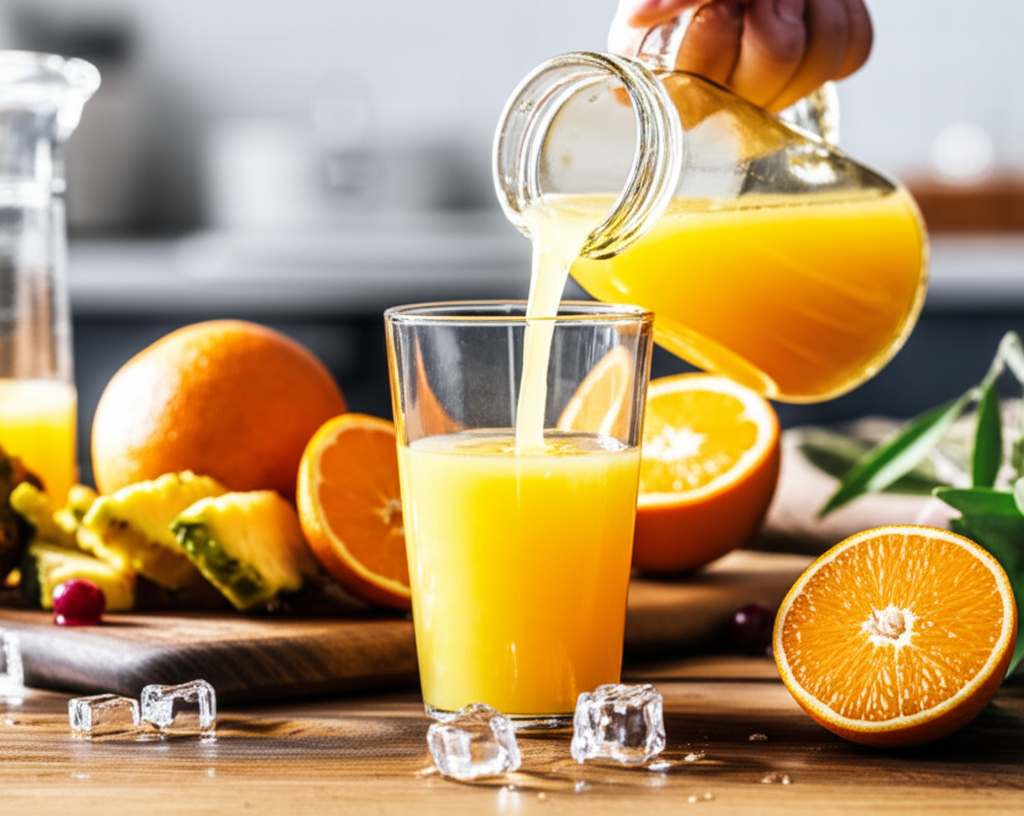
Does pickle juice help clean out your system? The shocking truth is, while pickle juice offers some surprising benefits, it’s not a magical “cleanse” for your entire body. It can support gut health and hydration, but a true system “cleanse” is a more complex process.
Have you ever found yourself staring at a jar of pickles, wondering if that tangy brine could be doing more for you than just adding flavor? It’s a question many of us ponder, especially when we hear whispers about “detoxes” and “cleanses.” The idea that a simple, everyday liquid like pickle juice could help flush out your system is intriguing, right? But does it really work, or is it just another juice myth? Don’t worry, we’re here to break down the truth in a way that’s easy to understand. Get ready to discover what pickle juice can really do for your body!
The Pickle Juice Phenomenon: What’s Really Going On?
Pickle juice, that salty, vinegary liquid left after preserving cucumbers, has gained a curious reputation. Beyond its role as a condiment or a quirky post-workout drink for athletes, people are increasingly curious about its potential internal benefits. We’ve all seen those viral videos or heard friends talk about chugging it for various reasons. But what’s the science behind these claims, and what should a beginner juice enthusiast know?
At its core, pickle juice is a byproduct of fermentation and brining, typically involving cucumbers, water, salt, and vinegar. Sometimes, herbs and spices like dill, garlic, and peppercorns are added for flavor. This simple combination creates a unique environment that can have some interesting effects on our bodies, particularly our digestive system.
Understanding the “System Cleanse” Myth

Let’s address the term “cleanse” or “detox” head-on. Our bodies, specifically our liver and kidneys, are remarkably efficient at filtering and eliminating waste products naturally. When people talk about “cleaning out their system,” they often mean promoting better digestion, reducing bloating, or aiding in the elimination of toxins. While certain foods and drinks can support these natural processes, there isn’t a single juice that will magically “cleanse” your entire body in the way some fad diets suggest. Pickle juice falls into the category of supporting healthy bodily functions rather than performing a dramatic overhaul.
So, when we talk about pickle juice helping to “clean out your system,” we’re really looking at its ability to support your digestive health, rehydrate you, and potentially provide beneficial electrolytes. It’s about enhancing what your body already does well, not replacing its natural functions.
The Science-Backed Benefits of Pickle Juice
While not a detoxifying miracle, pickle juice does offer some genuinely beneficial properties. These stem from its main ingredients: vinegar, salt, and the fermentation process (if applicable).
1. Gut Health Support
One of the most talked-about benefits of pickle juice is its potential to support gut health. This is primarily due to the presence of probiotics, especially in traditionally fermented pickle juice (not all store-bought pickles are fermented). Probiotics are beneficial bacteria that can help balance your gut microbiome, which is crucial for digestion, nutrient absorption, and even immune function.
Vinegar itself, particularly apple cider vinegar (though less common in cucumber pickles), is also known for its potential prebiotic effects, feeding the good bacteria in your gut. A healthy gut can lead to more regular bowel movements and reduced bloating, contributing to that feeling of being “cleansed.”
For those new to incorporating fermented foods, starting with small amounts of pickle juice is key. You can learn more about the importance of gut health from resources like the National Institute of Diabetes and Digestive and Kidney Diseases (NIDDK), which highlights the role of the gut microbiome in overall health.
2. Electrolyte Replenishment
Pickle juice is high in sodium and can also contain potassium, both of which are electrolytes. Electrolytes are vital minerals that help maintain fluid balance in your body, support nerve function, and assist muscle contractions. After intense exercise or during periods of heavy sweating, your body loses electrolytes. Consuming pickle juice can help replenish these lost minerals, which can aid in hydration and muscle recovery.
Athletes often turn to pickle juice for this reason, to help prevent or alleviate muscle cramps. The quick absorption of sodium can help the body retain fluids more effectively.
3. Blood Sugar Regulation (Vinegar’s Role)
The acetic acid in vinegar has been studied for its potential role in blood sugar management. Some research suggests that vinegar may improve insulin sensitivity and help lower blood glucose levels after meals. While more research is needed, particularly in the context of pickle juice consumption, this is an area of interest for its potential metabolic benefits.
It’s important to remember that while beneficial, pickle juice is also high in sodium, so moderation is crucial, especially for individuals managing blood pressure.
4. Hydration Aid
When you’re dehydrated, your body needs fluids and electrolytes. The sodium in pickle juice can help your body hold onto water, making it a more effective rehydrator than plain water alone in certain situations, such as after significant fluid loss. This can contribute to overall hydration and well-being.
How to Incorporate Pickle Juice (The Beginner’s Guide)
Ready to try pickle juice? It’s simple! But like anything, knowing how to use it correctly makes all the difference. Here’s how to start:
Step-by-Step: Safely Enjoying Pickle Juice
- Choose Wisely: Look for pickle juice from naturally fermented pickles. These are often found in the refrigerated section of health food stores or can be made at home. If you’re buying juice from a jar of non-fermented pickles, check the ingredients for artificial preservatives or excessive additives.
- Start Small: A common starting point is 1-2 ounces (about 30-60 ml) per day. You can sip it slowly or take small shots.
- When to Drink It: Many people enjoy it before or after meals to aid digestion, or after exercise to replenish electrolytes.
- Listen to Your Body: Pay attention to how you feel. If you experience any discomfort, reduce the amount or stop consumption.
- Hydration is Key: Even when drinking pickle juice, ensure you’re also drinking plenty of plain water throughout the day.
Tips for First-Timers
- Dilute if Needed: If the strong flavor is too much, try diluting it with a bit of water.
- Mix It Up: You can add a splash of pickle juice to smoothies or salad dressings for a tangy kick.
- Taste Matters: The flavor profile can vary greatly between brands and types of pickles. Experiment to find one you enjoy!
What to Look For in Quality Pickle Juice
Not all pickle juice is created equal. Here’s a quick guide to choosing the best option:
| Factor | What to Look For | Why It Matters |
|---|---|---|
| Fermentation | Naturally fermented (check for “live cultures” or “fermented” on the label). | Contains beneficial probiotics for gut health. |
| Ingredients | Simple: Cucumbers, water, salt, dill, garlic, vinegar (depending on the pickle). Avoid artificial colors, flavors, and preservatives. | Purity ensures you’re getting the natural benefits without unwanted additives. |
| Sodium Content | Moderate. Check the nutrition label. | Excessive sodium can be detrimental, especially for those with hypertension. |
| Organic (Optional) | Certified organic ingredients. | Reduces exposure to pesticides and synthetic fertilizers. |
For those interested in making their own, the process is quite simple and allows for complete control over ingredients. You can find excellent guides on home fermentation from reputable sources like the National Center for Home Food Preservation, which offers science-based advice on safe food preparation.
Debunking Common Pickle Juice Myths
The internet is full of claims about pickle juice. Let’s clear up some common misconceptions:
- Myth: Pickle juice is a powerful detoxifier.
Truth: While it supports your body’s natural elimination processes, it doesn’t “detox” your system in the way many fad diets claim. Your liver and kidneys do the heavy lifting.
- Myth: You should drink a whole cup of pickle juice daily.
Truth: That’s far too much sodium for most people. Stick to small, controlled servings (1-2 ounces) to avoid adverse effects.
- Myth: All pickle juice contains probiotics.
Truth: Only naturally fermented pickle juice typically contains probiotics. Pickles made with vinegar and heat pasteurization often have these beneficial bacteria killed off.
- Myth: Pickle juice cures acid reflux.
Truth: For some, the acidity of pickle juice can actually worsen acid reflux symptoms. It’s best to use with caution and see how your body reacts.
Who Should Be Cautious with Pickle Juice?
While beneficial for many, pickle juice isn’t for everyone. Here are some groups who should exercise caution or consult a healthcare professional before regular consumption:
- Individuals with High Blood Pressure (Hypertension): Pickle juice is very high in sodium, which can elevate blood pressure.
- People on Sodium-Restricted Diets: Similar to hypertension, those monitoring their sodium intake should be mindful.
- Those with Kidney Issues: High sodium and potassium levels can be problematic for individuals with compromised kidney function.
- Individuals Prone to Acid Reflux or GERD: The acidity can trigger or worsen symptoms for some people.
- Pregnant Women: While sometimes craved, excessive sodium intake during pregnancy should be discussed with a doctor.
It’s always a good idea to talk to your doctor about adding new foods or drinks to your diet, especially if you have any underlying health conditions. Resources from organizations like the American Heart Association provide excellent guidance on managing sodium intake for heart health.
Pickle Juice vs. Other “Cleansing” Drinks
How does pickle juice stack up against other popular wellness drinks that promise a “cleanse”? Let’s compare:
| Drink | Primary Benefits | “Cleansing” Aspect | Considerations |
|---|---|---|---|
| Pickle Juice | Gut health (probiotics), electrolyte replenishment, hydration support. | Supports digestion and regularity through probiotics and hydration. | High sodium; can worsen acid reflux for some. |
| Lemon Water | Hydration, Vitamin C, digestive stimulant. | Can aid digestion and flushing of waste, promotes hydration. | Acidity can erode tooth enamel; not a significant source of probiotics or electrolytes. |
| Green Smoothies | Fiber, vitamins, minerals, antioxidants. | High fiber content promotes regularity and can aid in waste elimination. | Can be high in sugar if not balanced with protein/fat; less electrolyte focus. |
| Apple Cider Vinegar (ACV) Drinks | Potential blood sugar regulation, digestive support, antibacterial properties. | May stimulate digestive enzymes and promote regularity. | High acidity; can erode tooth enamel and cause digestive upset if too much is consumed. |
As you can see, each drink offers different benefits. Pickle juice uniquely combines gut support with electrolyte replenishment, making it a distinct choice for specific needs, particularly for athletes or those seeking gut-friendly hydration.
Frequently Asked Questions About Pickle Juice
Q1: How much pickle juice is too much?
A1: For most people, 1-2 ounces (30-60 ml) per day is a safe starting point. Consuming excessive amounts can lead to high sodium intake, digestive upset, or heartburn.
Q2: Can pickle juice help with hangovers?
A2: Yes, it can help. The sodium and electrolytes in pickle juice can aid in rehydration and replenishment after alcohol consumption, which often depletes these minerals.
Q3: Is pickle juice good for weight loss?
A3: While some studies suggest vinegar may help with satiety and metabolism, pickle juice itself is not a magic weight-loss solution. Its high sodium content can also lead to water retention, which might mask actual fat loss.
Q4: Can I drink pickle juice if I have GERD?
A4: It’s generally not recommended. The acidity of pickle juice can trigger or worsen symptoms for individuals with GERD or acid reflux. It’s best to consult your doctor.
Q5: What’s the difference between dill pickle juice and sweet pickle juice?
A5: Dill pickle juice comes from pickles brined with dill and garlic, resulting in a savory, tangy flavor. Sweet pickle juice comes from pickles made with sugar and spices, offering a sweeter, often less acidic profile. For probiotic benefits, look for dill pickles that are naturally fermented rather than those made with vinegar and sugar.
Q6: How long can I store pickle juice?
A6: Once opened, pickle juice should be refrigerated. It typically remains safe to drink for several months, often up to its “best by” date if stored properly. Always check for any signs of spoilage, like off-odors or mold.
Conclusion: Embrace Pickle Juice Wisely
So, does pickle juice help clean out your system? In a supportive, rather than a definitive, way! It’s a fantastic source of electrolytes for rehydration and can be a boon for your gut health, especially if you choose naturally fermented varieties. Think of it as a helpful ally for your digestive system and a smart choice for athletes, not a magic potion for a complete bodily overhaul.
By understanding its benefits, choosing quality juice, and consuming it in moderation, you can enjoy what pickle juice has to offer. Remember to listen to your body and consult with a healthcare professional if you have any concerns. Cheers to embracing simple, natural ways to support your well-being!
